Application of Derandomisation to Uperin 3.x Peptides Circular Dichroism Spectra to Determine their secondary structure contents
Abstract
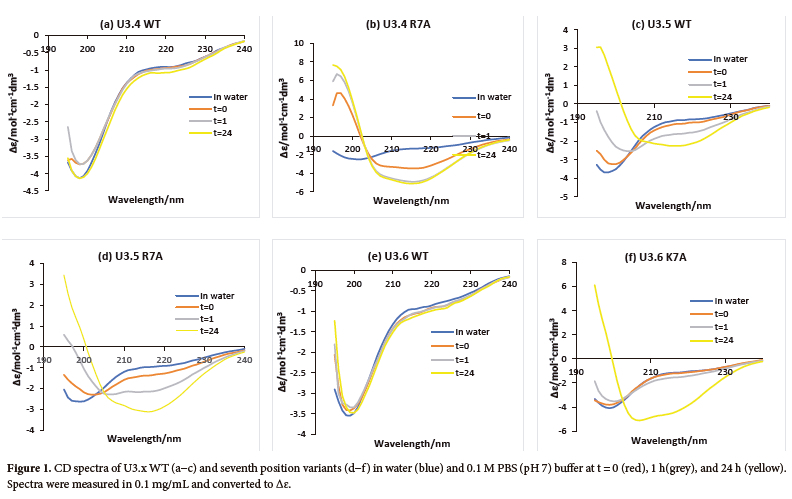
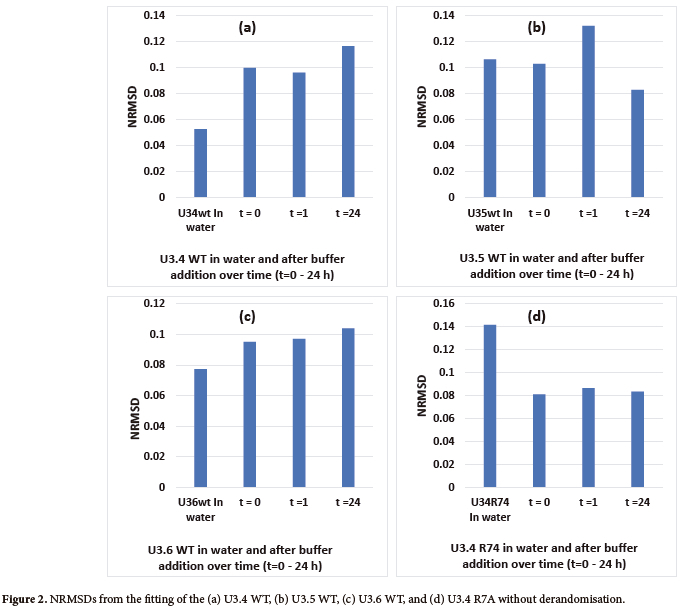
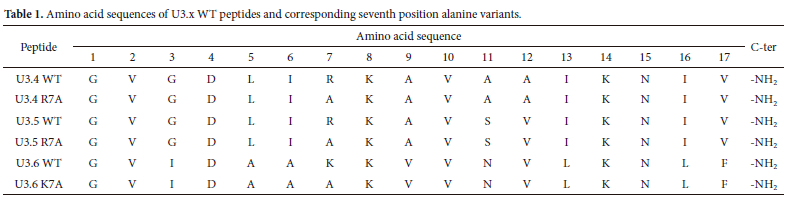
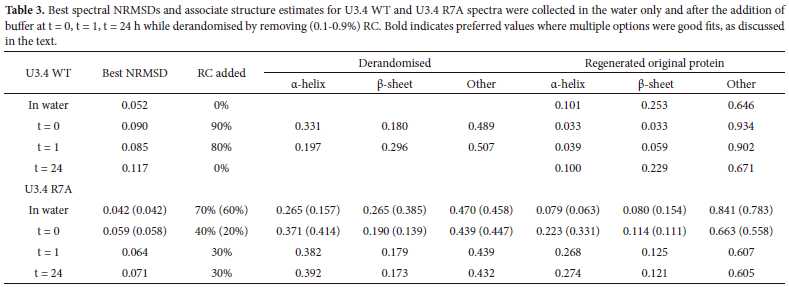
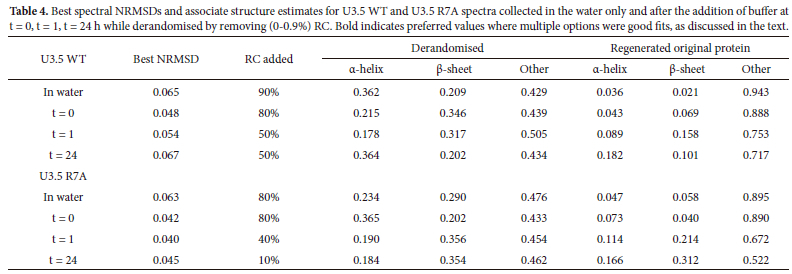
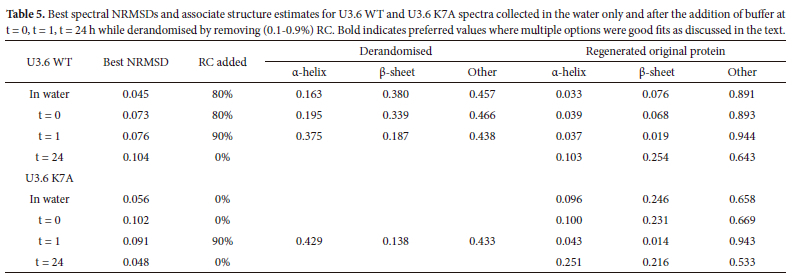
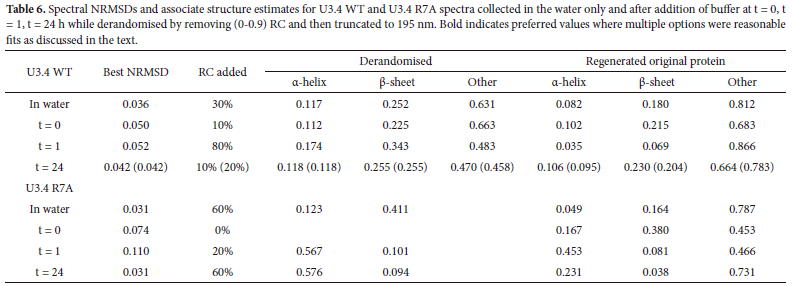
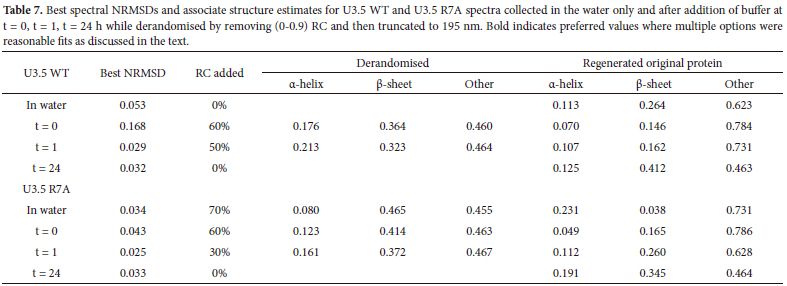
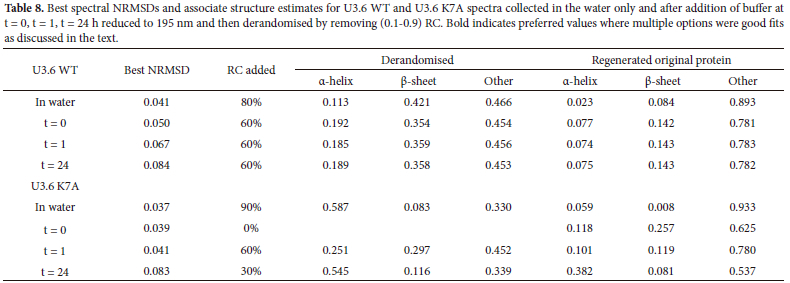
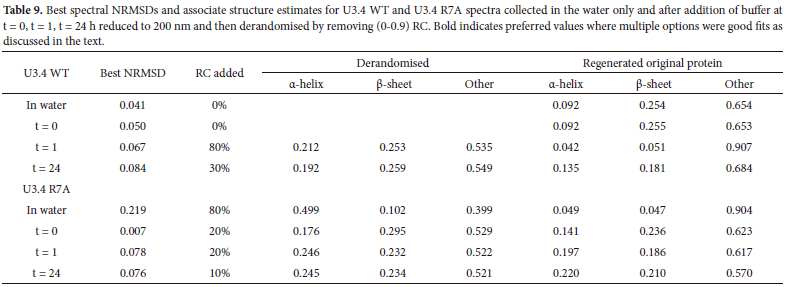
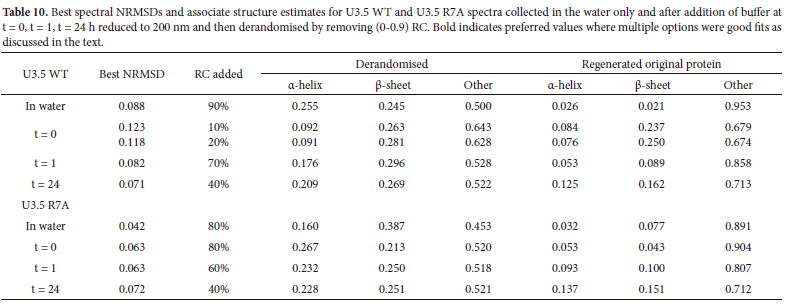
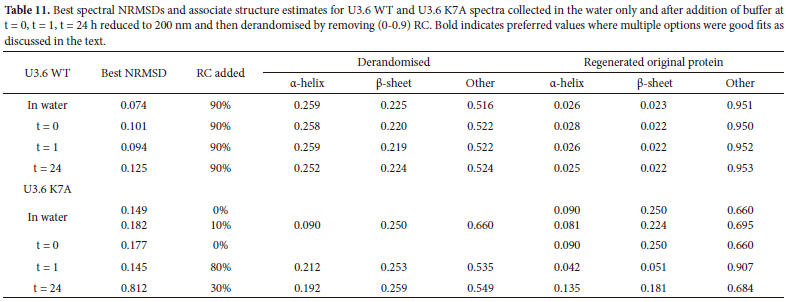
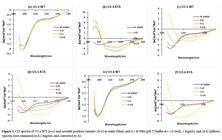
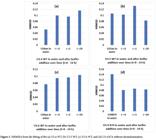
Survival of frogs and toads in hostile environments depends on their ability to secrete antimicrobial or host-defence peptides. The Uperin, U3.x, peptides investigated were originally isolated from the skin secretions of a frog endemic to Australia. In this paper, we extend the automated ad hoc approach for derandomisation of proteins to U3.x, whose spectra are collected in water and after the addition of buffer to eventually understand how this affects the structure's goodness of fit and spectral prediction. Systematically with the "CD app' disordered unit' varying fractions of random coil, RC spectrum (10-90% in increments of 10%) were removed from U3.x's spectra baseline corrected (in molar extinction units) to produce derandomised spectra. Self-organising map spectroscopy, SOMSpec, analysis gives the secondary structure of the derandomised U3.x, afterward, the RC component was added back to determine the percentage of the secondary structure motifs in the original protein or peptide. Most of the applications to U3.x wild types, WTs, and their mutants were straightforward, though, a few of them were not. These exceptions required visual inspection of the spectra. We also found that as the percentage of derandomisation increases, the observed behaviour is like proteins, where folded structures decrease.
uperin; derandomised; normalised root mean square deviation; structure; circular dichorism
 Thumbnail
 Thumbnail