Effect of seasonal thermal stress on serum hormones, oxidative status, and immune response of periparturient dairy cows
Abstract
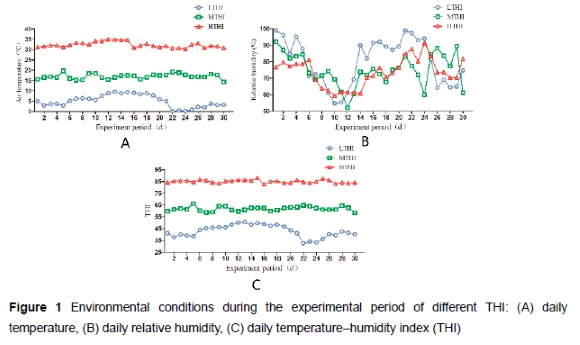
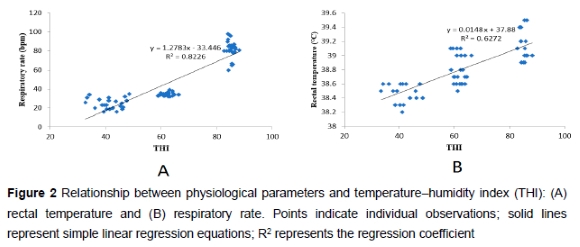
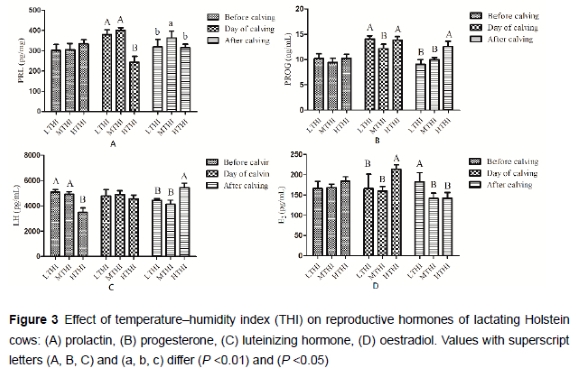
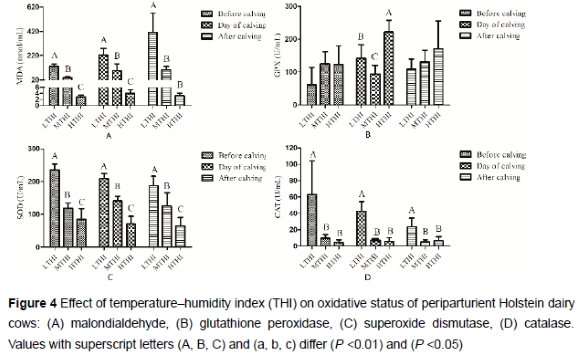
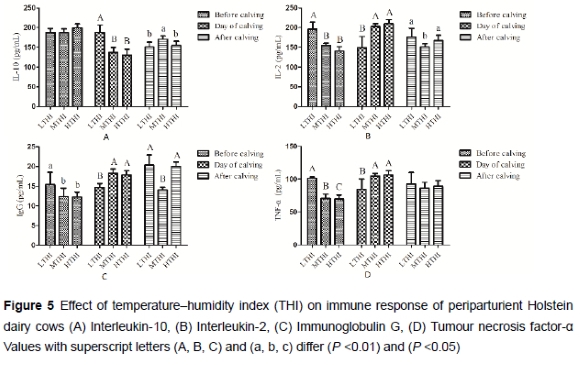
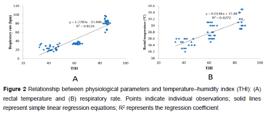
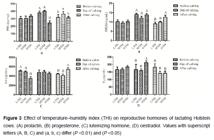
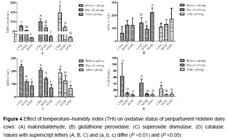
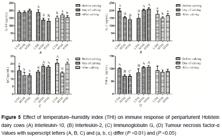
The objective of this study was to investigate the effect of seasonal thermal stress on serum hormones, oxidative status, and immune response of periparturient dairy cows. A total of 32 healthy Holstein dairy cows in the perinatal period with the same date of delivery were selected (eight cows per season) and housed in a free-stall barn. Different seasons corresponded to different temperature-humidity indices (THI). Regression analysis revealed a strong positive correlation between THI and rectal temperature and respiratory rate. On the day of calving, the level of progesterone and oestradiol increased and prolactin decreased substantially at a high THI. For oxidative stress biomarkers, the contents of malondialdehyde, superoxide dismutase, and catalase were substantially higher at a low THI. Glutathione peroxidase was increased at a high THI. For immune responses, the data indicated that low and high THI conditions led to an increase in interleukin-2 and interleukin-10. Low THI cows exhibited a substantially higher level of tumour necrosis factor-a before calving. Oxidative stress, inflammatory response, and endocrine imbalance therefore occur in lactating dairy cows in hot summers and cold-wet winters in comparison with comfortable seasons.
cold stress; heat stress; periparturient dairy cow; serum biochemical indicators; temperature-humidity index
 Thumbnail
 Thumbnail
 Thumbnail
 Thumbnail
 Thumbnail