The effects of various dietary vegetable oil sources on villi morphology and liver aldehydes in young layers
Abstract
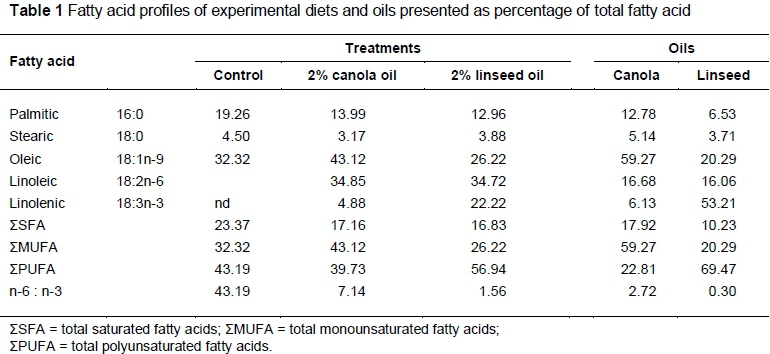
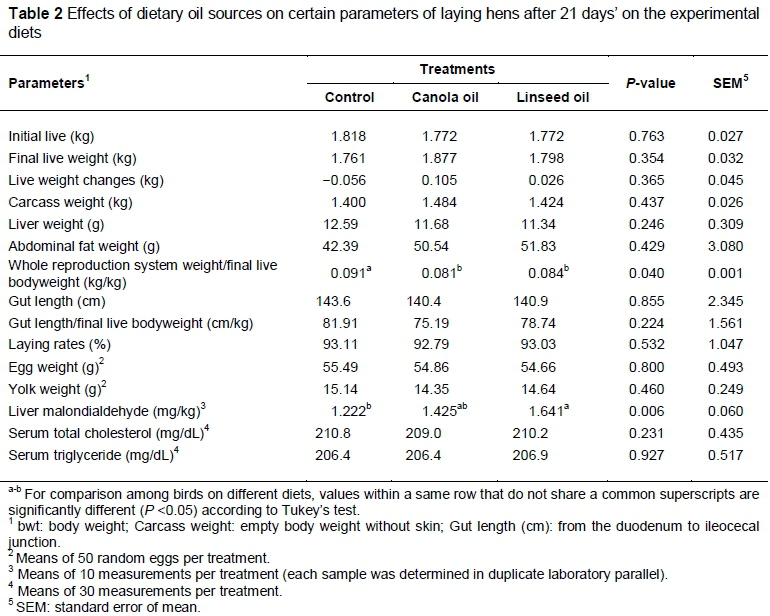
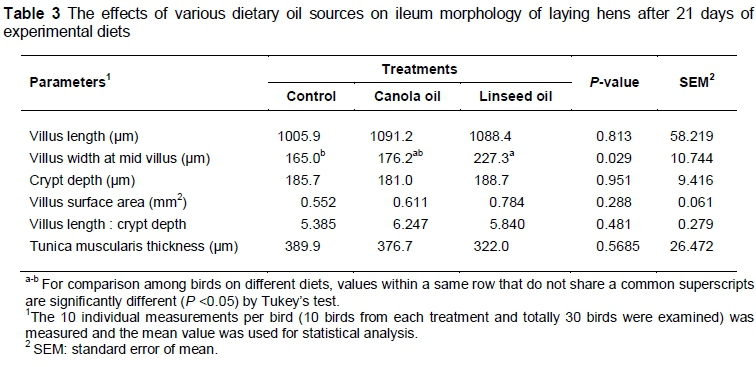
Twenty-six-week-old laying hens (90 Lohmann Classic Brown) received dietary treatments containing canola and linseed oil at 2% inclusion levels and a control diet for 21 days. The 2% dietary linseed oil, which had higher total polyunsaturated fatty acids (ΣPUFA) and linolenic fatty acid contents, resulted in higher liver malondialdehyde and wider villi than the control group. The 2% canola and linseed oil treatments recorded smaller reproductive organs relative to live weight than the control group. It was concluded that young layers might have an anatomical response to high levels of dietary PUFA, which might improve nutrient absorption and cause a biochemical response, resulting in potentially negative cytotoxic aldehydic lipid peroxidation products.
Intestine morphology; malondialdehyde; n-3; poultry; PUFA