Correlation analysis reveals that umbilical cord diameter and farrowing duration affect the reproductive performance of sows
Abstract
This study evaluated the relationships between sow parity, prepartum faecal score, farrowing and umbilical cord traits, and reproductive performance. Data were obtained from sows of different parities on commercial farms with records of litter characteristics, farrowing intervals and duration, prepartum faecal scores, and umbilical cord artery and vein diameters. Fourth- and sixth-parity sows produced more total piglets and live-born healthy piglets than first-parity sows, while piglets born to second- to fourth-parity sows had higher live birthweights. Parity did not influence the number of piglets born weak or perinatal mortality rates. Faecal scores of 3.00-3.99 and >4.00 three days prepartum were associated with increased numbers of healthy piglets and reduced numbers of stillborn piglets. Short farrowing intervals (<10 minutes) were numerically associated with higher numbers of live-born piglets and fewer stillborn piglets per litter, although these differences were not statistically significant, and a tendency towards an increased number of piglets born weak was observed. Prolonged farrowing duration was associated with increased perinatal mortality. A higher umbilical cord vein diameter was associated with increased live birthweights and fewer piglets born weak, whereas umbilical artery diameter showed no clear association with reproductive performance. Stillbirths tended to increase with umbilical cord vein diameters of 3.6-4.0 mm. These results indicate that sow parity, prepartum faecal score, farrowing traits, and umbilical cord vein traits are closely associated with reproductive outcomes and perinatal mortality. Optimising gastrointestinal function during the prepartum period and improving farrowing management may contribute to enhanced piglet viability and birthweight.
faecal score; farrowing interval; parity; umbilical artery diameter; umbilical cord vein
Introduction
In recent years, with China's pig production scale and increasing levels of automation, sows' reproductive performance has become the most important economic trait on breeding farms and integrated farms. However, the reproductive performance of sows is influenced by several non-genetic factors. For example, an excessively long farrowing duration can deprive piglets of oxygen and increase cases of stillbirths or low vitality (Alonso-Spilsbury et al., 2005). In addition, many physiological characteristics of sows and piglets have been associated with an increased risk of oxygen deprivation, including increased farrowing interval, sow constipation, and insufficient or excessive backfat thickness, among others (Randall et al., 1972).
Sow backfat thickness affects reproductive performance, with the highest rates of stillbirths being observed in third- to sixth-parity sows with low backfat thicknesses (Thongkhuy et al., 2020). A survey of three commercial sow groups also reported that sows with lower backfat thicknesses before delivery produced more stillborn piglets (Maes et al., 2004). Kim et al. (2015) studied the backfat thickness and reproductive performance of more than 2000 sows at 109 days of pregnancy, and found that sows with a backfat thickness of 17-21 mm before delivery produced piglets with higher birthweights.
Hagan & Etim (2019) reported that the piglet birthweight, the number of piglets weaned, and the number of piglets born significantly decreased with an increase in parity. Knecht et al. (2015) reported that sows had the highest reproductive performances during their third and fourth parities. In contrast, Klimas et al. (2020) observed that Yorkshire sows performed best, reproductively, during parity five, and Hoving et al. (2012) reported the highest reproductive performances during parities three to five.
Björkman et al. (2017) found that sow farrowing duration averaged 411 minutes, and was positively correlated with the number of stillborn piglets and parity. Tummaruk et al. (2013) found that a sow farrowing duration of more than 240 minutes increased the stillbirth rate to 29.2%.
Taken together, these previous studies demonstrate the importance of parity, farrowing duration, and backfat thickness in influencing sow reproductive performance. However, most of these studies were carried out using sows of specific breeds and parities, reared in specific production systems, and their results are not always consistent across different populations. Moreover, although the influence of these factors has been explored, there remains a lack of knowledge about how additional physiological indicators may be associated with reproductive outcomes. In particular, the correlations of the faecal score three days prepartum and the umbilical cord blood vessel diameter with sow reproductive performance remain unclear. These potential indicators have been largely overlooked in previous studies, yet they may provide valuable information on sow health status and foetal development.
Therefore, this study aimed to address these knowledge gaps by determining the impact of non-genetic factors - including parity, backfat thickness, and farrowing duration - on sow reproductive performance, while also investigating, for the first time, the correlations of faecal score three days prepartum and umbilical cord blood vessel diameter with reproductive outcomes.
Materials and methods
All experimental procedures were approved by the Committee on Ethics in the Use of Animals (CEUA) of the Anyou Biological Technology Group Co., LTD (No: ANS-CEUA-PJT/202212/000002). This study collected data on the parity, backfat thickness, farrowing interval, farrowing duration, and three-day prepartum faecal scores (Table 1) of 190 sows from large-scale pig farms in Henan province, China. Umbilical cord blood vessel diameters were also measured for 30 randomly-selected sows.
The diet (formulated as reported by Cong et al., 2024), housing conditions, management routines, and sanitary and veterinary protocols were identical for all sows. From day one of gestation until five days before farrowing, sows were restrictively fed the experimental diet twice daily at 07:00 and 14:00. The feed allowance used was 1.8-2.0 kg/sow/day during early gestation (days 1-30 post-mating), 2.4-2.8 kg/sow/day during mid-gestation (days 31-84 post-mating), and 3.5-4.0 kg/sow/day during late gestation (day 85 post-mating to 5 days before farrowing). From five days before farrowing until weaning at day 21 of lactation, feeding followed the lactation regimen. The feed allowance was gradually reduced from approximately 3.5 kg to 3.0 kg/sow/day during the prepartum period, and then progressively increased after farrowing, reaching an average of 7.0 kg/sow/day at one week postpartum. During lactation, sows were fed three times daily, at 07:00, 14:00, and 19:30, and had free access to water provided via an automatic drinking system. During creep feeding, piglets were offered small and frequent meals, and troughs were cleaned regularly. All operations involving sows and piglets were recorded, and other management and veterinary practices were implemented according to the farm's standard protocols.
The total numbers of piglets born, born alive, stillborn, born mummified, born healthy (birthweight >0.9 kg), and born weak (birthweight <0.9 kg) were reported for the sows. The sows were divided into three groups according to their backfat thickness (<14 mm, 14-20 mm, and 21-23 mm), and were in parities one to six and had prepartum faecal scores of 1.00-1.99, 2.00-2.99, 3.00-3.99, or >4.00. The sows' farrowing intervals were grouped as being <10 minutes, 11-20 minutes, 21-30 minutes, or >30 minutes, and the sows had farrowing durations of <100 minutes, 101-200 minutes, 201-300 minutes, 301-400 minutes, 401-500 minutes, and >500 minutes. Umbilical cord vein diameters were grouped as being <2.6 mm, 2.7-3.0 mm, 3.1-3.6 mm, or 3.7-4.0 mm, and umbilical artery diameters were grouped as being <1.5 mm, 1.6-2.0 mm, or 2.0-2.5 mm.
Individual sows served as the experimental units in this study. The animals were derived from two consecutive farrowing batches managed under identical housing, feeding, and environmental conditions. Preliminary inspection indicated no significant batch-related differences; therefore, data from the two batches were pooled for statistical analysis.
Statistical analyses were performed using SPSS version 26.0 (IBM Corp., Chicago, IL, USA). A one-way analysis of variance (ANOVA) was conducted to evaluate treatment effects. When ANOVA indicated significant differences, means were separated using Duncan's multiple range test at a = 0.05. The results are presented as mean values ± the standard errors of the means (SEM). Significance was declared at P <0.05, and a tendency was considered at 0.05< P <0.10. Pearson's correlation analysis and heat map visualisation were performed using GraphPad Prism version 9.0 (GraphPad Software, San Diego, CA, USA).
Results
Backfat thickness did not affect reproductive performance (P >0.05) (Table 2).
As can be seen in Table 3, the total number of piglets born and the number of piglets born alive and healthy were higher in parities four and six than in first-parity sows (P <0.05). The live birthweights of piglets born to sows in parities two, three, and four were also higher than those of first-time sows (P <0.05). Parity had no effect on the numbers of piglets born weak or the number of mummified foetuses (P >0.05).
A three-day prepartum faecal score of 3.00-3.99 was associated with an increase in the number of healthy piglets born and a decrease in the number of stillborn piglets (P <0.05) (Table 4). A faecal score of >4.00 was associated with an increase in the number of piglets born alive and healthy and a decrease in the number of stillborn piglets (P <0.05).
Farrowing intervals of <10 minutes tended to increase the number of piglets born weak (P = 0.060) and the number of piglets born alive by 1-2 piglets, while reducing the number of stillborn piglets by one piglet (P >0.05) (Table 5).
The total number of mummified foetuses increased when farrowing duration increased (P = 0.095) (Table 6).
Increased umbilical cord vein diameters were associated with piglets with heavier birthweights (P = 0.082) and fewer piglets born weak (P = 0.063) (Table 7). However, at an umbilical cord vein diameter of 3.6-4.0 mm, the number of stillbirths tended to increase (P = 0.079). Umbilical artery diameter had no effect on reproductive performance (P >0.05) (Table 8).
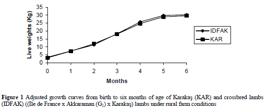
Figure 1 indicates a moderate, negative correlation between farrowing intervals and the total number of piglets born alive (P >0.05). There was also a moderately negative correlation between the number of weak piglets born and the umbilical artery diameter (P = 0.080). There was a strong, negative correlation between the number of weak piglets born and the umbilical cord vein diameter (P <0.01), and a strong, positive correlation between the number of stillbirths and the farrowing duration (P <0.01). A strong, positive correlation was observed between the average live birthweight and the umbilical cord vein diameter (P <0.01).
Discussion
Backfat thickness reflects the body condition of pregnant sows and is a key indicator of reproductive performance. In the present study, although no significant differences were detected between backfat thickness groups, numerically higher reproductive performance was observed in sows with 21-23 mm thick backfat, which is in line with previous reports (Kim et al., 2015; Zhou et al., 2018). Importantly, our findings indicate that both insufficient and excessive backfat can negatively affect reproductive outcomes, rather than merely confirming prior consistency. Excessive backfat may increase pelvic fat, impede the pelvic opening during parturition, prolong farrowing, and elevate stillbirth risk. Moreover, excess backfat may induce placental lipid toxicity, potentially compromising foetal health. Maintaining optimal backfat thickness is also critical for effective postpartum lactation and for facilitating a prompt return to the next breeding cycle.
Parity exerts a significant effect on reproductive performance. First-parity sows generally display lower reproductive outcomes, whereas sows in parities three to six usually achieve higher performance. In this study, sows in parities three and four had the highest total and live-born litter sizes, while parity six sows still outperformed first-parity sows. Ye et al. (2018) reported a peak in reproductive performance at parity three, whereas Cechova & Cechova (2006) suggested a peak in parities four and five. Our results partially align with both studies, indicating that even among high-yielding sows, fourth-parity sows retain substantial reproductive potential. Sustained performance in parity six sows may relate to late-gestation nutritional strategies, such as dietary arginine supplementation, which support extending the productive lifespan of sows. Mechanistically, first-parity sows have smaller uterine capacity, having a uterine horn length of only 70%-80% of that of multiparous sows, and less developed mammary glands, restricting foetal number and increasing the number of piglets born weak. In contrast, sows in parities three and four are at their physiological peak, with stable ovarian function, well-developed placental vasculature, and optimal uterine contractility.
Constipation is common in late-gestation sows and is influenced by diet and management (Tan et al., 2015). Maternal health, reflected in faecal and urinary indicators, is closely linked to foetal outcomes. Oliviero et al. (2010) found that constipation prolongs farrowing and increases stillbirth risk. In the present study, sows with prepartum faecal scores indicative of mild constipation (3.00-3.99) produced the largest number of healthy piglets and the fewest stillborn piglets, whereas more severe constipation was associated with lower live birthweights and increased stillbirths. Constipation can increase the absorption of intestinal endotoxins and physically compress the birth canal, contributing to difficult delivery and prolonged farrowing (Tabeling et al., 2003; Cowart, 2007). These findings emphasise that alleviating constipation through adjustments in dietary fibre, water intake, and feeding management is critical for maintaining intestinal health and enhancing reproductive performance (Cong et al., 2022).
High-yield sows commonly have larger litters, which can prolong farrowing (Peltoniemi et al., 2020). Typically, farrowing intervals are 15-20 minutes, but with litter sizes of >15 piglets, total farrowing duration can exceed 300 minutes. Prolonged farrowing may lead to postpartum disorders and reduced reproductive performance (Tummaruk & Sang-Gassanee, 2013; Van Den Bosch et al., 2023). Therefore, the regulation of farrowing duration can reduce the risk of postpartum disorders and increase the number of piglets born alive (Tummaruk, 2013; Jiarpinitnun et al., 2019). Research shows that farrowing durations of >4 hours are associated with higher stillbirth rates than those of <2 hours (29.2% versus 7.9%) (Tummaruk & Pearodwong, 2015), and durations of >300 minutes increase the risk of postpartum uterine inflammation (Björkman et al., 2018). In this study, although no significant differences were detected among farrowing duration groups, numerically more favourable reproductive outcomes were observed in sows with farrowing durations of <400 minutes, particularly within the 200-300 minute range. Longer farrowing durations were also associated with an increased number of mummified foetuses, likely reflecting breeding selection strategies in modern high-yield sows that prolong parturition (Van Rens & van der Lende, 2004; Björkman et al., 2017). Farrowing intervals of <20 minutes increased the number of live-born piglets by approximately two and reduced the number of stillbirths by one. Correlation analysis revealed a strong, positive relationship between farrowing interval and stillbirths, emphasising the importance of monitoring and timely midwifery interventions when intervals exceed 20 minutes.
The umbilical cord, containing two arteries and one vein, connects the foetus to the maternal placenta. The vein supplies oxygen- and nutrient-rich blood, making its diameter a key indicator of foetal blood flow (Van Den Bosch et al., 2023). In this study, although no significant differences were detected, larger umbilical vein diameters were numerically associated with higher piglet birthweights and fewer piglets born weak, whereas veins measuring 3.6-4.0 mm numerically showed higher stillbirth numbers, possibly due to increased foetal size leading to delivery difficulties (Gourley et al., 2020). Although no significant differences were detected, numerically higher birthweights were observed in piglets with umbilical artery diameters of 2.0-2.5 mm compared to those with artery diameters of <2.0 mm. Correlation analyses indicated negative associations between artery diameter and piglets born weak, and positive associations with average birthweight. These findings suggest that umbilical vessel diameter may be related to foetal growth and reproductive performance, although further studies are required to confirm these relationships.
Finally, some limitations should be considered. Extreme groups, such as sows with umbilical veins of 3.7-4.0 mm (n = 2), had small sample sizes, potentially affecting trend reliability. Environmental factors and sow age may also influence outcomes; for example, high temperatures in Henan could exacerbate constipation and affect faecal scores. Thus, optimal thresholds for faecal scores and umbilical vessel diameters may vary by breed, nutrition, and environment, warranting further multi-region and multi-season studies.
Conclusions
The results of this study demonstrate that sow reproductive performance is jointly influenced by parity, farrowing traits, and umbilical cord vein traits. Sows in mid to later parities exhibited superior reproductive performance compared with first-parity sows, while prolonged farrowing duration was associated with increased perinatal losses. In addition, umbilical cord vein diameter was positively associated with piglet birthweight and negatively associated with the number of piglets born weak. These findings indicate that optimisation of parity structure, prepartum gastrointestinal function, and farrowing management may contribute to improved piglet viability and overall reproductive efficiency in commercial pig production systems.
Authors' contributions
All authors participated in this research and have read and approved the final manuscript.
Conflict of interest declaration
G.C., C.L., S.X., J.L., H.J., and B.Z., were employed by the Anyou Biotechnology Group Co., Ltd.
Acknowledgements
The Taicang City of China Science and Technology Talents Plan (Innovation) Project (TCRC2022067) provided the financial support for this study.
References
-
Alonso-Spilsbury, M., Mota-Rojas, D., Villanueva-García, D., Martínez-Burnes, J., Orozco, H., Ramírez-Necoechea, R., Mayagoitia, A.L., & Trujillo, M.E., 2005. Perinatal asphyxia pathophysiology in pig and human: a review. Animal Reproduction Science, 90:1-30. DOI: https://doi.org/10.1016/j.anireprosci.2005.01.007
» https://doi.org/10.1016/j.anireprosci.2005.01.007 -
Björkman, S., Oliviero, C., Kauffold, J., Soede, N.M., & Peltoniemi, O.A.T., 2018. Prolonged parturition and impaired placenta expulsion increase the risk of postpartum metritis and delay uterine involution in sows. Theriogenology, 106:87-92. DOI: https://doi.org/10.1016/j.theriogenology.2017.10.003
» https://doi.org/10.1016/j.theriogenology.2017.10.003 -
Björkman, S., Oliviero, C., Rajala-Schultz, P.J., Soede, N.M., & Peltoniemi, O.A.T., 2017. The effect of litter size, parity and farrowing duration on placenta expulsion and retention in sows. Theriogenology, 92:36-44. DOI: https://doi.org/10.1016/j.theriogenology.2017.01.003
» https://doi.org/10.1016/j.theriogenology.2017.01.003 -
Cechova, M. & Cechova, Z., 2006. Relationships between backfat thickness and parameters of reproduction in the Czech Large White sows. Archives of Animal Breeding, 49:363-369. DOI: https://doi.org/10.5194/aab-49-363-2006
» https://doi.org/10.5194/aab-49-363-2006 -
Cong, G.L., Xia, S.S., Liu, C.X., Yu, F.Y., Yu, H.J., Zhang, F., & Dai, Y.J., 2022. Research progress on the effects of dietary fibre regulating gut microbiota on sows' reproductive performance. Agricultural Biotechnology, 11:89-93. DOI: https://doi.org/10.19759/j.cnki.2164-4993.2022.06.001
» https://doi.org/10.19759/j.cnki.2164-4993.2022.06.001 -
Cong, G.L., Xia, S.S., Liu, C.X., Li, J.B., & Hung, I., 2024. Effects of guanidine acetic acid supplementation from gestation to lactation on reproductive performance, colostrum quality, blood biochemistry, and intestinal microflora diversity of sows. Frontiers in Veterinary Science, 11:1476328. DOI: https://doi.org/10.3389/fvets.2024.1476328
» https://doi.org/10.3389/fvets.2024.1476328 -
Cowart, R.P., 2007. Parturition and dystocia in swine. In: Large Animal Therlogenology. Eds: Youngquist, R.S. & Threlfall, W.R., Saunders, St. Louis, MI, USA, pp. 778-784. DOI: https://doi.org/10.1016/B978-072169323-1.50106-9
» https://doi.org/10.1016/B978-072169323-1.50106-9 -
Gourley, K.M., Calderon, H.I., Woodworth, J.C., DeRouchey, J.M., Tokach, M.D., Dritz, S.S., & Goodband, R.D., 2020. Sow and piglet traits associated with piglet survival at birth and to weaning. Journal of Animal Science, 98:1-34. DOI: https://doi.org/10.1093/jas/skaa187
» https://doi.org/10.1093/jas/skaa187 -
Hagan, J.K. & Etim, N.N., 2019. The effects of breed, season and parity on the reproductive performance of pigs reared under hot and humid environments. Tropical Animal Health and Production, 51:411-418. DOI: https://doi.org/10.1007/s11250-018-1705-5
» https://doi.org/10.1007/s11250-018-1705-5 -
Hoving, L.L., Soede, N.M., Graat, E.A.M., Feitsma, H., & Kemp, B., 2012. Reproductive performance of second parity sows: relations with subsequent reproduction. Livestock Science, 140:124-130. DOI: https://doi.org/10.1016/j.livsci.2011.02.019
» https://doi.org/10.1016/j.livsci.2011.02.019 -
Jiarpinitnun, P., Loyawatananan, S., Sangratkanjanasin, P., Kompong, K., Nuntapaitoon, M., Muns, R., De Rensis, F., & Tummaruk, P., 2019. Administration of carbetocin after the first piglet was born reduced farrowing duration but compromised colostrum intake in newborn piglets. Theriogenology, 128:23-30. DOI: https://doi.org/10.1016/j.theriogenology.2019.01.021
» https://doi.org/10.1016/j.theriogenology.2019.01.021 -
Kim, J.S., Yang, X.J., Pangeni, D., & Baidoo, S.K., 2015. Relationship between backfat thickness of sows during late gestation and reproductive efficiency at different parities. Acta Agriculturae Scandinavica, Section A -Animal Science, 65:1-8. DOI: https://doi.org/10.1080/09064702.2015.1045932
» https://doi.org/10.1080/09064702.2015.1045932 -
Klimas, R., Klimiene, A., Sobotka, W., & Matusevicius, P., 2020. Effect of parity on reproductive performance of sows of different breeds. South African Journal of Animal Science, 50:434-441. DOI: https://doi.org/10.4314/sajas.v50i3.10
» https://doi.org/10.4314/sajas.v50i3.10 -
Knecht, D., Srodon, S., & Duzinski, K., 2015. The impact of season, parity and breed on selected reproductive performance parameters of sows. Archives of Animal Breeding, 58:49-56. DOI: https://doi.org/10.5194/aab-58-49-2015
» https://doi.org/10.5194/aab-58-49-2015 -
Maes, D.G.D., Janssens, G.P.J., Delputte, P., Lammertyn, A., & De Kruif, A., 2004. Back fat measurements in sows from three commercial pig herds: relationship with reproductive efficiency and correlation with visual body condition scores. Livestock Production Science, 91:57-67. DOI: https://doi.org/10.1016/j.livprodsci.2004.06.015
» https://doi.org/10.1016/j.livprodsci.2004.06.015 -
Oliviero, C., Heinonen, M., Valros, A., & Peltoniemi, O., 2010. Environmental and sow-related factors affecting the duration of farrowing. Animal Reproduction Science, 119:85-91. DOI: https://doi.org/10.1016/j.anireprosci.2009.12.009
» https://doi.org/10.1016/j.anireprosci.2009.12.009 -
Peltoniemi, O., Oliviero, C., Yun, J., Grahofer, A., & Björkman, S., 2020. Management practices to optimize the parturition process in the hyperprolific sow. Journal of Animal Science, 98:S96-S106. DOI: https://doi.org/10.1093/jas/skaa140
» https://doi.org/10.1093/jas/skaa140 -
Randall, G.C., 1972. Observations on parturition in the sow. II. Factors influencing stillbirth and perinatal mortality. Veterinary Record, 90:183-186. DOI: https://doi.org/10.1136/vr.90.7.183
» https://doi.org/10.1136/vr.90.7.183 -
Tabeling, R., Schwier, S., & Kamphues, J., 2003. Effects of different feeding and housing conditions on dry matter content and consistency of faeces in sows. Journal of Animal Physiology and Animal Nutrition, 87:116-121. DOI: https://doi.org/10.1046/j.1439-0396.2003.00423.x
» https://doi.org/10.1046/j.1439-0396.2003.00423.x -
Tan, C.Q., Wei, H.K., Sun, H.Q., Long, G., Ao, J.T., Jiang, S.W., & Peng, J., 2015. Effects of supplementing sow diets during two gestations with konjac flour and Saccharomyces boulardii on constipation in the peripartal period, lactation feed intake and piglet performance. Animal Feed Science and Technology, 210:254-262. DOI: https://doi.org/10.1016/j.anifeedsci.2015.10.013
» https://doi.org/10.1016/j.anifeedsci.2015.10.013 -
Thongkhuy, S., Chuaychu, S.B., Burarnrak, P., Ruangjoy, P., Juthamanee, P., Nuntapaitoon, M., & Tummaruk, P., 2020. Effect of backfat thickness during late gestation on farrowing duration, piglet birth weight, colostrum yield, milk yield and reproductive performance of sows. Livestock Science, 234:103983. DOI: https://doi.org/10.1016/j.livsci.2020.103983
» https://doi.org/10.1016/j.livsci.2020.103983 -
Tummaruk, P., 2013. Post-parturient disorders and backfat loss in tropical sows in relation to backfat thickness before farrowing and postpartum intravenous supportive treatment. Asian-Australasian Journal of Animal Sciences, 26:171-177. DOI: https://doi.org/10.5713/ajas.2012.12478
» https://doi.org/10.5713/ajas.2012.12478 -
Tummaruk, P. & Pearodwong, P., 2015. Postparturient disorders and backfat loss in tropical sows associated with parity, farrowing duration and type of antibiotic. Tropical Animal Health and Production, 47:1457-1464. DOI: https://doi.org/10.1007/s11250-015-0883-7
» https://doi.org/10.1007/s11250-015-0883-7 -
Tummaruk, P. & Sang-Gassanee, K., 2013. Effect of farrowing duration, parity number and the type of anti-inflammatory drug on postparturient disorders in sows: a clinical study. Tropical Animal Health and Production, 45:1071-1077. DOI: https://doi.org/10.1007/s11250-012-0315-x
» https://doi.org/10.1007/s11250-012-0315-x -
Van Den Bosch, M., Soede, N., Kemp, B., & Van Den Brand, H., 2023. Sow nutrition, uterine contractions, and placental blood flow during the peri-partum period and short-term effects on offspring: a review. Animals, 13:1-17. DOI: https://doi.org/10.3390/ani13050910
» https://doi.org/10.3390/ani13050910 -
Van Rens, B.T. & Van Der Lende, T., 2004. Parturition in gilts: duration of farrowing, birth intervals and placenta expulsion in relation to maternal, piglet and placental traits. Theriogenology, 62:331-352. DOI: https://doi.org/10.1016/j.theriogenology.2003.10.008
» https://doi.org/10.1016/j.theriogenology.2003.10.008 -
Ye, J., Tan, C., Hu, X.X., Wang, A.G., & Wu, Z.F., 2018. Genetic parameters for reproductive traits at different parities in Large White pigs. Journal of Animal Science, 96:1215-1220. DOI: https://doi.org/10.1093/jas/sky066
» https://doi.org/10.1093/jas/sky066 -
Zhou, Y.F., Xu, T., Cai, A.L., Wu, Y.H., Wei, H.K., Jiang, S.W., & Peng, J., 2018. Excessive backfat of sows at 109 days of gestation induces a lipotoxic placental environment and is associated with declining reproductive performance. Journal of Animal Science, 96:250-257. DOI: https://doi.org/10.1093/jas/skx041
» https://doi.org/10.1093/jas/skx041
Accepted 10 February 2026
Published 23 February 2026