The effect of different feeding strategies on honey bee gut microbiota and the presence of Nosema
Abstract
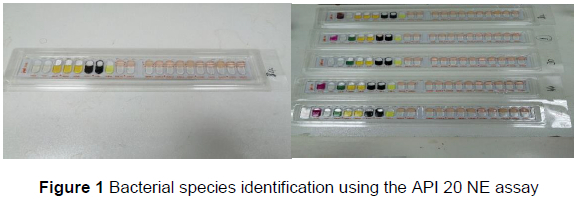
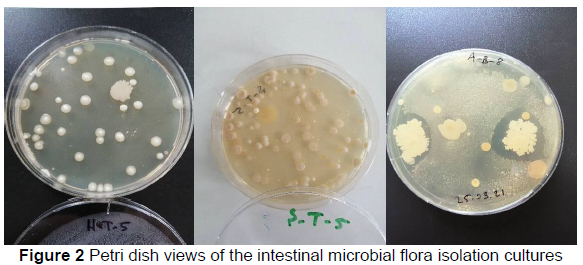
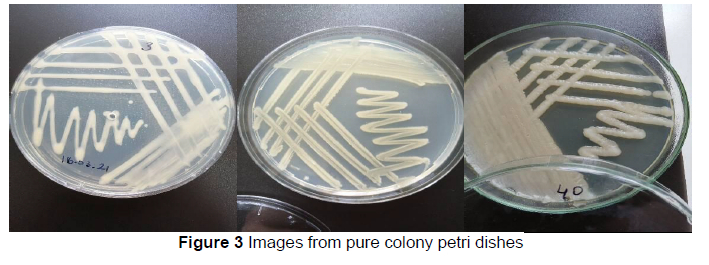
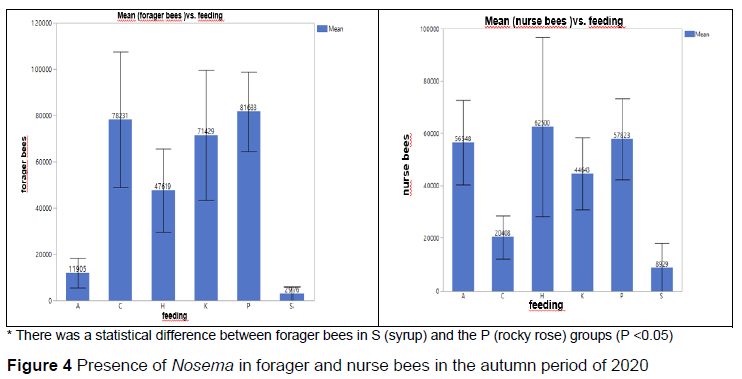
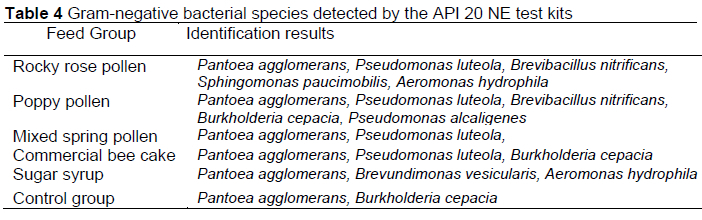
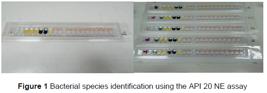
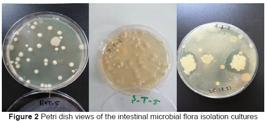
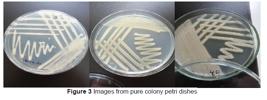
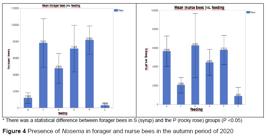
Colony development in honey bees depends on both the environmental conditions and their genetic structure. Nutrition is the one of the most important factors in the honey bee's health. This study was carried out in 48 colonies and included six groups (a control and five feeding groups). In the experiment, the effect of different feeding strategies on intestinal flora and the presence of Nosema was investigated. Pantoea agglomerans, Pseudomonas luteola, Burkholderia cepacia, Brevibacillus nitrificans, Sphingomonas paucimobilis, Aeromonas hydrophila, and P. alcalidimonas were detected in the intestinal microflora of the bee samples by morphological and phenotypic identification. The results of phenotypic identification were confirmed using 16S rRNA sequence analysis for P. agglomerans and B. nitrificans strains. The presence of Nosema was simultaneously investigated in all groups. Only Nosema cerenae was detected using DNA analysis in the positive Nosema spore samples.
Apis mellifera anatolica; feeding; Nosema; intestinal flora
 Thumbnail
 Thumbnail
 Thumbnail
 Thumbnail
 Thumbnail
 Thumbnail
 Thumbnail