Enhancing Agricultural Advisory Services Through Field Surveys and Interpretation of Soil Physicochemical Properties for Efficient Productivity
Abstract
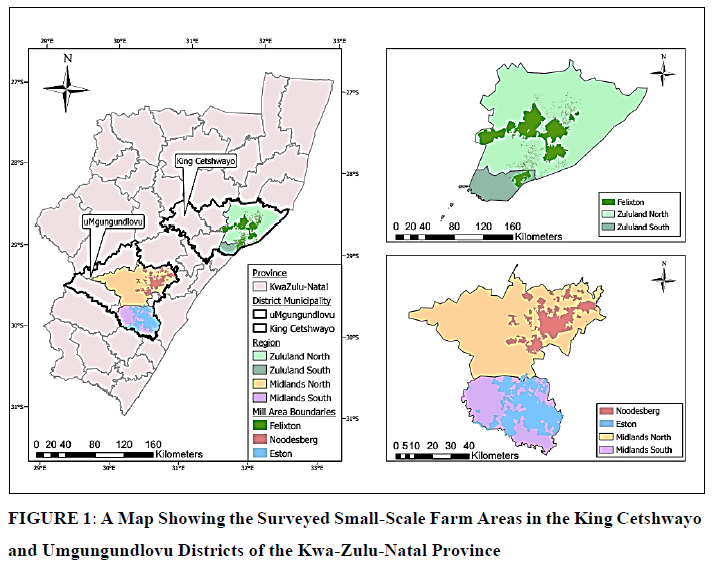
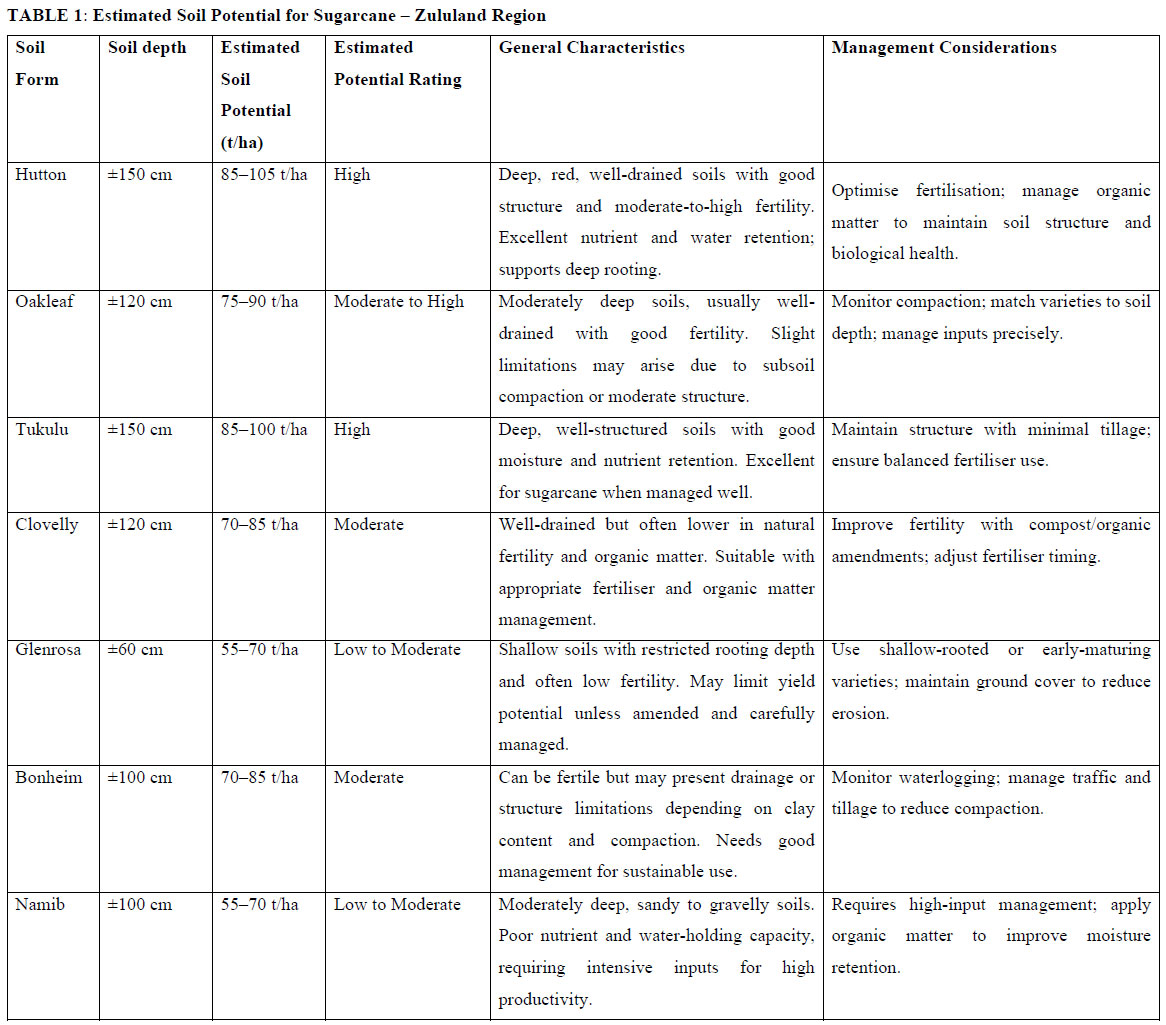
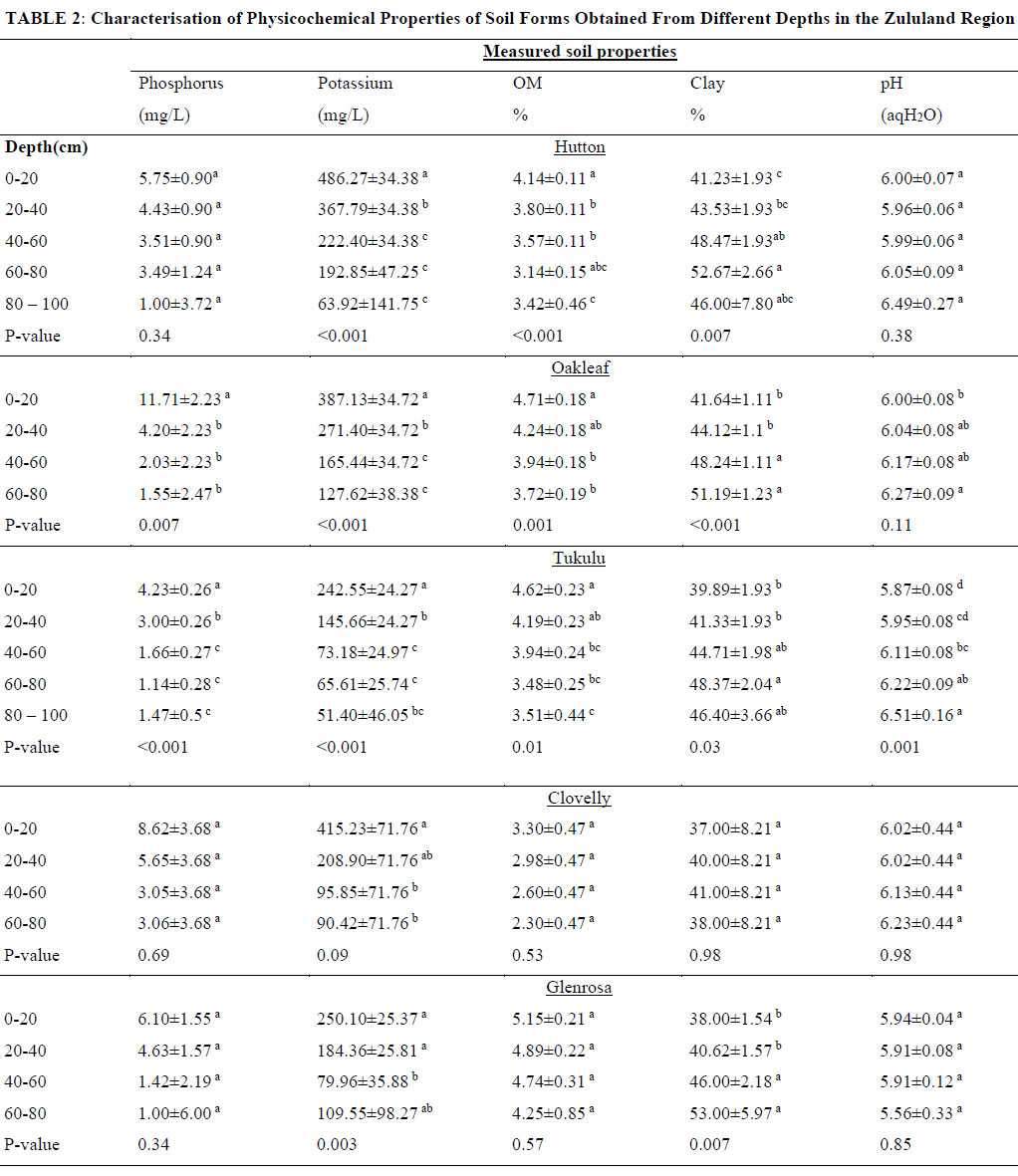
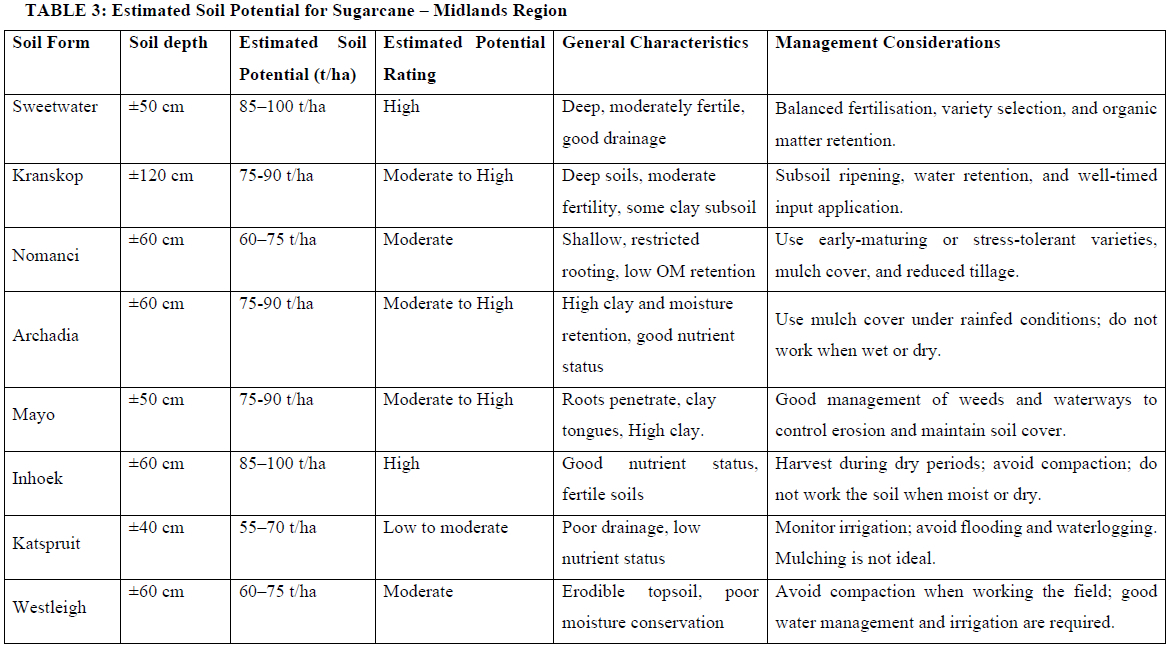
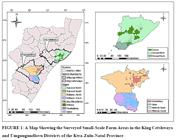
Small-scale agriculture advisors play a crucial role in supporting farmers, yet gaps often hinder their effectiveness in soil knowledge and interpretation. To address this challenge, a research project was initiated by the South African Sugarcane Research Institute (SASRI) in two rural districts of KwaZulu-Natal, the Midlands and Zululand, home to several struggling small-scale farming communities. The study aimed to equip small-scale agriculture advisors with essential skills to interpret and apply soil information, ultimately improving farm productivity and sustainability. The study used soil classification as the foundation for determining soil potential, guiding key production decisions such as variety selection, seed-cane production, farmer training, and income enhancement. The study followed a structured 9-point methodology focused on stakeholder engagement, capacity building, practical soil sampling and analysis, and the sustainable application of soil information through training, mapping, and the development of regional soil databases to support informed decision-making in small-scale grower (SSG) regions. The initiative began with a baseline assessment to identify knowledge gaps among small-scale agricultural advisors, followed by soil classification and soil mapping to determine soil potential and guide production decisions. Training workshops, field demonstrations, and digital tools were introduced to enhance advisors' ability to interpret and apply soil data in real farming scenarios. The study emphasised knowledge sharing, documentation of best management practices, and strategies for scaling up to other districts. This holistic approach ensured that advisors were well equipped to support SSGs in making informed, soil-based decisions to improve farm productivity and sustainability. Overall, the findings indicate that enhancing agricultural advisors' soil knowledge significantly improves farm management decisions, leading to improved productivity and sustainability for SSGs. While challenges such as access to technology and ongoing support remain, the positive impact on advisory services and grower outcomes underscores the importance of investing in knowledge-based agricultural extension. Continued mentorship and collaboration with the private organisation is key to sustaining these gains and expanding the initiative to other farming communities.
Management Practices; Small-Scale Farming; Soil Classification; Soil Potential
 Thumbnail