Extension Service Needs in Mixed Farming Systems Based on Elements of Agroecology in Karatu District, Arusha Region, Tanzania
Abstract
This study investigated the extension services needed to transition mixed farming systems towards agroecological practices grounded in agroecological principles in Karatu District, Arusha Region, Northern Tanzania. As agroecology gains traction globally to combat climate change, biodiversity loss, and food insecurity, its uptake in sub-Saharan Africa, including Tanzania and the Karatu district, remains limited due to extension models that favour high-input, monocultural systems. A cross-sectional research design was used, involving 94 smallholder farmers across seven purposively selected villages. Data were collected using structured questionnaires guided by the modified FAO's Tool for Agroecology Performance Evaluation (TAPE) and the Borich Needs Assessment model. Results, which on this part are based on the most needed, show that farmers need financial support such as incentives (98.9%) for diversity, improved infrastructure (98.9%), access to cover crops (98.9%), trees, and better space management (100%) for synergies, organic materials (98.9%) and biological inputs (100%) for efficiency, renewable energy technologies (100%) and water-saving equipment (98.9%) for recycling. Others include market access (98.9%) and climate adaptation tools (100%) to build resilience, access to diverse and nutritious foods (98.9%) to preserve culture and food traditions, improved resources for animal welfare (98.9%) to ensure human and social values; support for increased local production; support for increased local production (98.9%) for a circular and solidarity economy. The study concludes that effective extension services should integrate training, input access, market linkages, and policy support to facilitate the gradual transition and promotion of mixed farming systems towards agroecology. The study recommends integrated support, access to inputs, training, market linkages, and supportive agroecological policies.
Agroecology; Mixed Farming Systems; Extension Services; Farmer Needs Assessment; Sustainable Agriculture
1. INTRODUCTION
Globally, agricultural systems are undergoing a revolution in response to challenges such as climate change, land degradation, biodiversity loss, and food insecurity (Wezel et al., 2020). Mixed farming systems, which integrate crops, livestock, trees, and sometimes aquaculture, appear to be an ecologically sound and economically viable pathway toward sustainable agriculture (FAO, 2018). Agroecology is a science and practice grounded in ecological principles, which are tantamount to the elements. has been increasingly encouraged and promoted as a transformative approach to improving agriculture in mixed farming systems (HLPE, 2019). Countries such as Brazil, India, and France have shown that successful adoption of agroecology depends heavily on context-specific, participatory extension services (Altieri & Nicholls, 2020).
Agroecology is a holistic, integrative approach that applies ecological and social principles to the design and management of sustainable agricultural and farming systems (FAO, 2018). The approach evolved from ecological science in the early 20th century and later developed into a movement advocating sustainable and socially just agriculture. According to Altieri et al. (2020), agroecology operates through 13 principles developed by a high-level panel of experts, which corresponds to and is tantamount to the 10 elements developed by FAO in 2019 that consider agroecological practices. The FAO's 10 Elements of Agroecology include diversity, synergies, efficiency, resilience, recycling, co-creation and sharing of knowledge, human and social values, culture and food traditions, responsible governance, and circular and solidarity economy serving as guiding pillars for building sustainable systems (FAO, 2019). These elements promote local innovation, social inclusion, environmental conservation, and economic viability. Agroecological practices include intercropping, agroforestry, crop rotation, composting, biological pest control, and the use of indigenous seeds, which strengthen ecosystem services while reducing reliance on external inputs (Vikas & Ranjan, 2024). Agroecology not only improves food security and livelihoods but also empowers communities to manage resources sustainably and equitably (Altieri & Nicholls, 2020).
In sub-Saharan Africa, and predominantly in Tanzania, mixed farming systems dominate rural livelihoods and contribute to food and income security. However, the transition toward agroecology is constrained by weak extension services, limited policy focus, and inadequate farmer support systems (Mdee et al., 2021; Oduor et al., 2021). Extension services in Tanzania remain predominantly conventional, using a top-down approach and high-input technologies, often without regard for the integrated, knowledge-intensive nature of agroecological practices. Studies in the Mbeya, Arusha, and Morogoro regions of Tanzania show that, while smallholder farmers are open to adopting sustainable practices, they face barriers such as insufficient training, limited access to resources, and poor technical guidance (Mdee et al., 2021). Moreover, national policy frameworks, including the National Agricultural Policy of 2013 (URT, 2013), provide limited operational attention to agroecology and often neglect the holistic service needs of mixed farming systems.
Despite growing recognition of agroecology's potential, extension systems have not evolved to meet the complex, integrated needs of mixed-farming households. The existing extension services continue to provide fragmented, crop- or livestock-specific advice, which is poorly suited to farmers practising agroecologically diverse systems (Mdee et al., 2021). These are the gaps in Karatu District, Northern Arusha, Tanzania, which is characterised by high agroecological potential and dynamic mixed farming practices. Farmers often lack access to tailored knowledge, relevant inputs, and the infrastructure needed to implement agroecological practices, such as co-creating knowledge, recycling biomass, and building soil health. This misalignment contributes to low adoption rates, environmental stress, and stagnated productivity.
The extension service needs of farmers need to be identified to promote agroecology within mixed farming systems. This study aims to identify extension service needs of farmers related to each element of agroecology in mixed farming systems. The findings will provide insights for reforming agricultural extension to empower farmers, strengthen agroecological transitions, and enhance the resilience and sustainability of farming systems in Tanzania.
2. RESEARCH METHODOLOGY
The current study was conducted in Karatu District, Arusha Region, Tanzania. The district was chosen due to the presence of Agroecology projects conducted by Iles de Paix for over 4 years, which aimed to offer the best perspective on extension needs based on agroecological principles. The area predominantly practices mixed farming, with smallholder farmers cultivating crops such as maize and raising livestock, including cattle, pigs, goats, and chickens. Agriculture and livestock keeping account for more than 85% of Karatu's economic activities. The district's total arable land area is 1,025.75 square kilometres, accounting for 31.1% of the entire area. According to the 2022 census, the population of Karatu Rural District was 280,454, comprising 51.6% males and 48.4% females.
A cross-sectional research design was adopted in the study due to its suitability for gathering data from a selected sample at a given point in time and for providing information on needs related to each element of agroecology (Spector, 2019). Smallholder farmers engaged in mixed farming and with experience in agroecology in Karatu District formed the study population. A sample of seven villages was selected; they were purposively chosen from 20 villages based on their active engagement in the project. The villages included in this study were Bassodawish, Gyekrum Lambo, Kambi ya Simba, Endabash, Qaru, Qurus, and Rhotia Kainam. The researcher, in collaboration with the Agricultural Officer, also obtained a population size of 1567 farmers in the study area from the seven villages. This was done after a preliminary visit.
Yamane's (1967) formula was used to calculate the sample size from a population of 1567 farmers across seven villages following a reconnaissance visit. A 10% margin of error was used to ensure a specified level of precision.
Yamane's (1967) formula:
n= N/ (1+N (e2))
Where:
n is the sample size,
N is the population size,
e is the margin of error (expressed as a decimal).
Based on the estimated population of 1567 farmers and using a 10% margin of error, the sample size was calculated as follows:
n = 1567/ (1+1567(0.1)2) = 1567/ (1+ 15.67) = 1567/16.67 =94
Farmers were obtained using systematic random sampling with the help of a random generator to avoid bias. Quantitative data were collected using a questionnaire adapted and modified from the Tool for Agroecology Performance Evaluation (TAPE). FAO developed TAPE in collaboration with numerous partners to evaluate the multidimensional performance of agroecological systems and support the transition towards agroecology; TAPE was first pretested in 2019 (Bicksler et al., 2023). In this study, TAPE was modified to align with the local context and research objective, focusing on identifying rather than evaluating extension service needs. The questionnaire comprised closed-ended questions and was pretested before the actual data collection.
Data were collected through face-to-face interviews to ensure clarity and accuracy. The KoboToolbox platform was used to facilitate digital data collection and management during fieldwork. As elaborated by Das et al. (2024), KoboToolbox is an open-source platform for creating forms and collecting data via the web, mobile devices, or tablets, including offline data collection in remote areas.
Data were processed and analysed using the Statistical Package for the Social Sciences (SPSS) Version 26, in which descriptive statistics, such as frequencies and percentages, were used to summarise respondents' characteristics and identify agricultural extension service needs in relation to the agroecology. The findings were presented in tables and in narrative form.
3. RESULTS AND DISCUSSION
3.1. Demographic Information
Results in Table 1 show that most respondents were mature adults, with 24.5% aged 31-40 and 45.7% aged 41 or older. This age distribution suggests that most farmers are experienced and are likely to have developed farming knowledge and decision-making skills over time. According to Berhanu et al. (2024), farmers aged 30 and above tend to have greater exposure to agricultural practices and are more consistent in their farming activities, thereby demonstrating greater adaptability to agricultural innovations due to accumulated experience. The sample was male-dominated (84%), highlighting gender disparities in rural agricultural participation and access to extension services. The results align with those of a study by Mwongera et al. (2021), who noted that in many rural African contexts, men tend to dominate land ownership and decision-making while women face constraints in accessing resources and services. Respondents' education levels were moderate, with 56.4% having completed secondary education. This indicates a relatively literate farming population, which can significantly influence the uptake of improved agricultural practices. Education enhances farmers' ability to understand extension information, interpret agroecological factors, and make recommendations accordingly. According to Berhanu et al. (2024), educated farmers are more likely to adopt innovation and know what they want.
As for marital status, most respondents were married (83%), indicating the stability of household structures, which is important for joint decision-making in farm management. Stability of family units is important for farming decisions. The majority (74.5%) of farmers operated on small plots ranging from 1 to 5 acres, underscoring the smallholder nature of agricultural practices in the study area. This is consistent with the results of a study by Nhamo et al. (2022), which found that small-scale farming is a dominant livelihood source in sub-Saharan Africa.
Farming experience varied among respondents, with 37.2% having 6-10 years and 30.9% having 1-5 years. This shows a blend of early-stage and relatively experienced farmers, which may influence farming needs depending on exposure, risk tolerance, and openness to change. Primary knowledge sources include training programs (59.6%), family tradition (25.5%), and extension services (14.9%), indicating a strong need for formal extension and NGO interventions, though reliance on primary knowledge sources and family traditions for extension underscores the continued relevance of indigenous knowledge. This resonates with what Berhanu et al. (2024) reported, who highlighted the complementary nature of formal and informal knowledge systems in driving agricultural innovation.
Most households (69.1%) had 4-6 members, implying reliance on family labour for farm activities. Results also show that 74.5 % depended on farming as their main source of income, affirming the sector's centrality to rural livelihoods, consistent with a study by Mazac et al. (2022), which stressed that, in many African settings, agriculture remains the backbone of the economy.
3.2. Agricultural Extension Service Needs for Promoting Element 1: Diversity
Table 2 shows that most farmers need access to diverse seed varieties (83%) and training on multi-cropping (91.5%), highlighting the need for knowledge and inputs to support crop diversification. According to HLPE (2019), fostering biodiversity through diversified cropping systems is essential for improving resilience and reducing dependence on external inputs. Similarly, FAO (2021) emphasised that supporting farmers with seeds and knowledge about species interactions enhances agroecosystem functionality and sustainability. Among livestock farmers, nearly all (98.9%) sought financial infrastructure support, along with training in managing multiple species (86.2%) and veterinary services (78.7%), underscoring the need for integrated technical and financial support (Mwongera et al., 2021; FAO, 2019). In agroforestry, key needs included financial incentives (98.9%), access to diverse tree species (93.6%), and training (86.2%), while pest management was less emphasised (Berhanu et al., 2024). Market development and access (97.9%) emerged as essential for diversified products, followed by training (57.4%) and financial support (50%), indicating that market and policy support are vital (Adamtey et al., 2021; Tittonell, 2020).
3.3. Agricultural Extension Service Needs for Promoting Element 2: Synergies
Results in Table 3 show that, for crop-livestock-aquaculture integration, 98.9% of farmers need improved infrastructure, 90.4% need access to quality feed and seeds, 36.2% need training, and 38.3% need financial assistance, which is seen as secondary but still important. These results are supported by the HLPE (2019) philosophy, which emphasises that functional integration depends on both resources and knowledge systems. For soil-plant management, demand was high for access to cover crops and residues (98.9%), while training was needed by 96.8 % of the respondents. These results align with FAO's (2021) report, which highlights that synergies in soil systems promote nutrient cycling, soil structure, and resilience but need appropriate extension support.
As for the integration with trees, results show a high demand for access to seedlings (98.9%) and a need to improve space and resources (89.4%). This suggests that material constraints remain pronounced, consistent with a study by Berhanu et al. (2024), which found that limited access to inputs and land restricts tree integration despite farmers' interest. Needs for connectivity across agroecosystems and landscapes were indicated by 100% reporting improved space management was needed, while 89.4% reported needing access to plants and infrastructure. Training and capacity building (23.4%) and financial assistance (2.1%) were less emphasised, indicating the importance of tailoring extension services to support beyond traditional training. The large proportion of "Other" responses (71.3%) suggests diverse local needs such as fencing, water access and storage, or cooperative structures, which current extension services may not adequately address.
3.4. Agricultural Extension Service Needs for Promoting Agroecology: Element 3: Efficiency
Results in Table 4 reveal that, for the external inputs subcategory, most farmers (91.5%) need financial assistance, while 90.4% of respondents need access to resources for producing inputs such as compost and botanical pesticides to reduce reliance on external inputs. Training and capacity building were also an extension service needed by 78.7%, highlighting the need for practical support, funding, and knowledge to enhance agroecological transition. This aligns with FAO's (2018) report, which emphasises that agroecological intensification requires accessible local inputs and institutional support.
For the management of soil fertility, nearly all farmers (98.9%) stressed the need for accessing organic materials such as compost and manure, with 79.8% citing the need for improved infrastructure, 22.3% training and capacity building and 8.5% finance, which was considered less critical, indicating that access to physical resource remains the primary need, as also noted by HLPE (2019), who revealed that effective recycling of nutrients is constrained by input availability more than knowledge gaps. In pest and disease management, all farmers (100%) cited the need to access biological substances, with 60.6% also needing infrastructure. Needs for training (24.5%) and for finance assistance (1.1%) were minimally emphasised. These results are consistent with those of Altieri and Nicholls (2020), who stress the importance of bio-inputs and structural tools, such as habitat diversification, over formal instruction in traditional pest control.
For productivity and household needs, most farmers (89.4%) need access to agricultural resources, while 79.8% need improved infrastructure. Training and capacity-building programs were needed by 31.9% of respondents, while financial assistance was needed by 35.1%. As underscored by Adamtey et al. (2021), extension services should provide and give access to agroecological inputs and infrastructure while maintaining complementary support through training and targeted financing mechanisms.
3.5. Agricultural Extension Service Needs for Promoting Agroecology Element 4: Recycling
Results in Table 5 show that the majority (97.9%) need access to composting materials and improved infrastructure, and 95.7% indicate recycling biomass and nutrients as their critical needs, aligning with results in a study by Tittonell (2020), which emphasise the critical role of physical resources in agroecological transitions. Training and capacity building (31.9%) and financial assistance (45.7%) were also identified as critical needs, indicating that knowledge alone is insufficient without tangible support.
In the water-saving subcategory, access to equipment (98.9%) and infrastructure (90.4%) were identified as needs, consistent with Altieri et al. (2020), who noted that agroecological water management requires basic infrastructure to be scaled up effectively. Minimal demand for training (1.1%) suggests that knowledge exists, but resource constraints hamper its implementation.
In the management of seeds and breeds, financial support (94.7%) and access to diverse genetic resources (83.0%) were critical needs, confirming findings from a study by Bicksler (2023), who argued that biodiversity maintenance in farming hinges on access to localised, adaptive genetic materials. Training and capacity-building needs (60.6%) underscore their relevance in complementing financial interventions (Berhanu, 2024). Similarly, all farmers (100%) emphasised the need to access renewable energy technologies, supported by infrastructure (92.6%) and financial assistance (67.0%). In comparison, training and capacity building (6.4%) were the least mentioned needs. These results resonate with those reported by Mazac et al. (2022), who identified infrastructure and investment as key enablers for integrating energy sustainability into agroecological systems.
3.6. Agricultural Extension Service Needs for Promoting Agroecology Element 5: Resilience
Results in Table 6 show that, for stability of income and production, most respondents (98.9%) need better market access, and improved pest and disease management (93.6%), supporting results in a study by Tambo and Wünscher (2022), who emphasised that market integration and pest control are essential for increasing resilience and income stability of smallholder farmers. In mechanisms for reducing vulnerability, 88.3% of respondents need access to credit and insurance services, and 66.0% need financial assistance, reflecting FAO's (2021) report, which highlights the importance of accessible financial services in enhancing farmers' adoption of agroecological practices.
In the environmental resilience and climate adaptation subcategory, 100% need access to climate adaptation tools and technologies, and 93.6% highlighted infrastructure improvements, aligning with Nhamo et al. (2022), who stress the role of adaptive technologies and infrastructure in building resilience.
3.7. Agricultural Extension Service Needs for Promoting Agroecology Element 6: Culture and Food Tradition
Results in Table 7 reveal that, for appropriate diet and nutrition awareness, farmers need access to diverse and nutritious food (98.9%), nutrition education (74.5%), and support from Community Health Workers (70.2%) to improve dietary outcomes. This highlights the need to combine food availability with localised knowledge systems, aligning with FAO's (2021) report, which emphasises nutrition education and community support in enhancing food security.
For local or traditional identity and awareness, farmers need community gatherings (81.9%), supporting participatory approaches over institutionalised ones, as noted by Mwangi et al. (2023). To use local varieties and traditional knowledge for food preparation, Farmers need access to local seeds and breeds (92.6%) and training in traditional practices (75.5%), which are essential for sustaining indigenous food systems, as reported by the FAO (2019). As underscored by Mwongera et al. (2021), moderate financial support (55.3%) is still needed to complement these efforts.
3.8. Agricultural Extension Service Needs for Promoting Agroecology Element 7: Co-Creation and Sharing of Knowledge
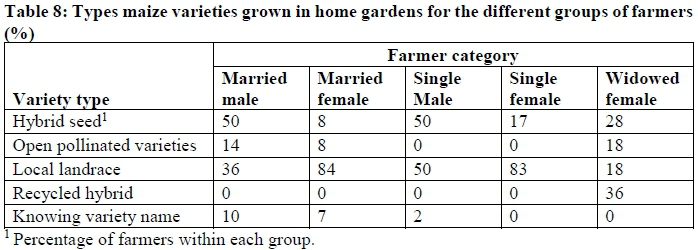
Table 8 shows that, for the knowledge-sharing platforms subcategory, farmers need improved platform functionality (93.6%), signalling the need for accessible, user-friendly knowledge-sharing systems. Needs in awareness campaigns (64.9%) and other specified needs (62.8%) highlight the importance of context-specific outreach, aligning with results from a study by Pérez-Soba et al. (2020), who stress the need for localised, inclusive communication tools. Agroecology-specific content (28.7%) and gender-inclusive approaches (3.2%) were less needed to promote access to agroecological knowledge. The strong need for extension support (97.9%) and structured training (79.8%) reaffirms the role of Extension Agents, as noted by Mwongera et al. (2021), who emphasise the importance of context-specific advisory services. Participation in networks requires financial and logistical support (96.8%), while a high rate of "other" responses (67.0%) reveals diverse local needs, as supported by FAO's (2021) reporting, which indicates that financial needs often limit engagement.
3.9. Agricultural Extension Service Needs for Promoting Agroecology Element 8: Human and Social Values
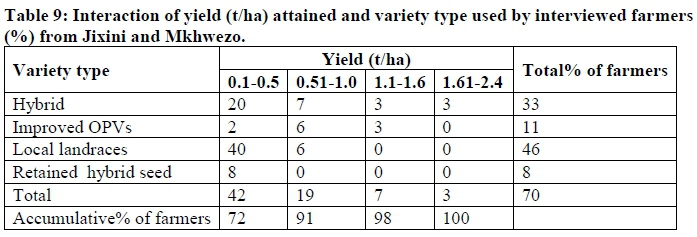
Table 9 shows that, for women's empowerment, 64.9% of respondents need functional women's organisations that aim to empower women, underscoring collective agency, while "others" (53.2%) point to localised barriers beyond standard categories. Gender-inclusive policies (48.9%) and community leader support (47.9%) are important needs. Labour concerns focus on the need to access capital (89.4%), with less on improved wages and conditions and risk mitigation, reflecting the primacy of economic empowerment (FAO, 2021; ILO, 2023).
For youth, access to opportunities (77.7%) and improved working conditions (76.6%) need extension support, while low interest in gender-inclusive policies (5.3%) and leader support (24.5%) indicate a desire for tangible outcomes. Farmers also emphasised animal welfare needs: infrastructure (98.9%), financial support (89.4%), and knowledge (67.0%), consistent with what was reported by Kinyua et al. (2022), who emphasised that smallholder livestock farmers have significant needs related to animal welfare due to infrastructure, limited financial resources, and insufficient knowledge.
3.10. Agricultural Extension Service Needs for Promoting Agroecology Element 9: Circular and Solidarity Economy
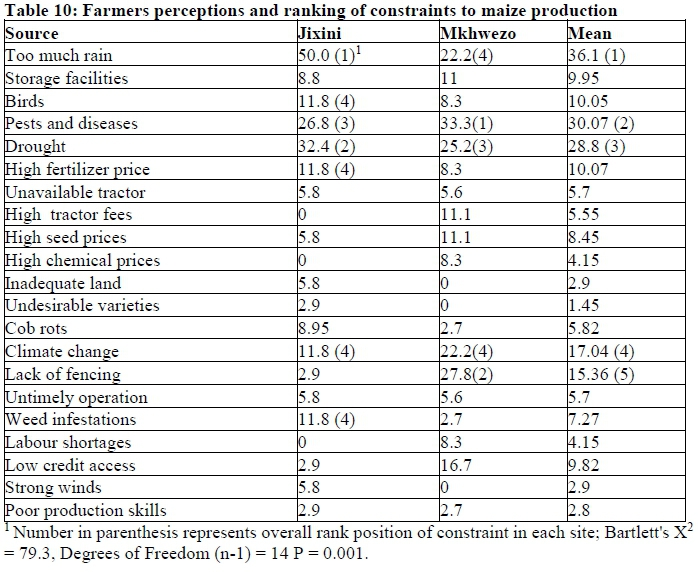
Table 10 shows that most respondents (96.8%) need the development of local markets, while 56.4% need to increase production surplus to engage markets. Consumer education (41.5%) and marketing support (31.9%) were also important needs. About 77.7% of respondents support the formation of producer networks, and 72.3% support reduced intermediaries, reflecting farmers' desire for autonomy and bargaining power.
Nearly all respondents (98.9%) need support to increase local production, and 84.0% need strengthened markets, affirming the centrality of resilience in production and distribution. These results call for locally grounded strategies that enhance access, infrastructure, and organisational capacity (Njenga et al., 2021).
3.11. Agricultural Extension Service Needs for Promoting Agroecology Element 10: Inclusive and Effective Governance
Table 11 shows that the majority (83.0%) of respondents need awareness programs on producers' rights and strengthened bargaining power, stressing knowledge and agency as foundations for producers' empowerment (Kinyua et al., 2022). Over half (54.3%) need support for livelihood improvement, while fewer (28.7%) emphasised skills development. Strengthening producers' organisations (69.1%) and support for transparency and anti-corruption (62.8%) were also indicated needs, while market access (18.1%) and gender equity (6.4%) received less emphasis, possibly due to cultural or awareness barriers (Mdee et al., 2021). Regarding the governance of land and resources, 77.7% of farmers support participation, with 46.8 favouring operational mechanisms and 36.2%. Gender equity was selected by a few respondents (2.1%), reflecting a persistent structural need (FAO, 2021).
4. CONCLUSION AND RECOMMENDATIONS
Farmers in mixed farming systems are not yet operating under agroecological principles but demonstrate strong interest and readiness to adopt them if adequately supported. The high level of expressed needs across various agroecological elements reflects existing gaps in knowledge, resources, and extension support. Extension services need to go beyond knowledge delivery to address material, financial, and infrastructural needs that favour agroecological transitions. Therefore, this study recommends that extension programs provide farmers in Karatu District and other agroecological areas with access to essential inputs such as organic fertilisers, seeds, and tools. The government should ensure financial access through agroecology-targeted credit schemes coupled with financial literacy training. To enhance market participation, Extension Officers should facilitate farmers' linkages to cooperatives, buyers, and certification platforms of their products while supporting the development of local agroecology fairs and aggregation centres. Extension services should provide training through demonstration plots and farmer field schools to facilitate knowledge sharing among farmers and extension agents. These trainings should focus on practices such as biodiversity enhancement, soil health, and recycling. Finally, the government should integrate agroecological aspects into national agricultural policy frameworks, with budgetary backing and inter-ministerial coordination to sustain and promote agroecology.
REFERENCES
- ADAMTEY, N., MUSYOKA, M. W., ZUNDEL, C. & MURIUKI, A., 2021. Market access and economic performance of diversified agroecological farms in Sub-Saharan Africa. Agron. Sustain. Dev., 41(1): 3.
- ALTIERI, M.A. & NICHOLLS, C.I., 2020. Agroecology and the emergence of a post-COVID-19 agriculture. Agric. Hum. Values., 37: 525-526.
- BERHANU, A.A., AYELE, Z.B., DAGNEW, D.C., MELESE, T., FENTA, A. B. & KASSIE, K.E., 2024. Smallholder farmers' vulnerability to climate change and variability: Evidence from three agroecologies in the Upper Blue Nile, Ethiopia. Heliyon., 10(7).
- BICKSLER, A.J., MOTTET, A., LUCANTONI, D., SY, M.R. & BARRIOS, E., 2023. The 10 Elements of Agroecology interconnected: Making them operational in FAO's work on agroecology. Elem Sci Anth., 11(1): 00041.
- DAS, A.S., 2024. Kobotoolbox. In A. Pundhir, A.K. Mehto & A. Jaiswal (eds.), Open electronic data capture tools for medical and biomedical research and medical allied professionals. Academic Press, pp. 241-329.
- FAO., 2018. The 10 Elements of Agroecology: Guiding the Transition to Sustainable Food and Agricultural Systems. Rome: Food and Agriculture Organisation.
- FAO., 2019. TAPE Tool for Agroecology Performance Evaluation: Process of Development and Guidelines for Application. Rome: Food and Agriculture Organisation.
- FAO., 2021. Agroecological and other innovative approaches for sustainable agriculture and food systems that enhance food security and nutrition. Rome: Food and Agriculture Organisation.
- HLPE., 2019. Agroecological and other innovative approaches for sustainable agriculture and food systems that enhance food security and nutrition. A report by the High-Level Panel of Experts on Food Security and Nutrition.
- INTERNATIONAL LABOUR ORGANIZATION (ILO)., 2023. Labour market inequalities and financial inclusion: Challenges and policy responses. Geneva: ILO Publications.
- KINYUA, M.N., MUGO, J. & KIBET, C., 2022. Empowering Farmers Through Rights-Based Extension: Lessons from East Africa. J. Agric. Ext., 30(2): 101-115.
- MAZAC, R., HASLMAYR, H.P., WENZ, K. & PENKER, M., 2022. Scaling agroecological energy transitions: Drivers, barriers, and key leverage points. Renew. Agric. Food Syst., 37(3): 234-248.
- MBOW, C., VAN NOORDWIJK, M., PRABHU, R. & SIMONS, A., 2019. Agroforestry in the Global South: Enhancing livelihoods and ecosystem services in multifunctional landscapes. Curr. Opin. Environ. Sustain., 38: 53-58.
- MDEE, A., SULLE, E. & LOKINA, R., 2021. Participatory extension for agroecological transitions in Tanzania. J. Rural Stud., 86: 398-407.
- MWANGI, P., MUTUA, M. & WANJOHI, C., 2023. Cultural identity and community participation in rural Kenyan farming systems. Cult. Agric., 45(1): 123-139.
- MWONGERA, C., SHIKUKU, K.M., TWYMAN, J. & WINOWIECKI, L.A., 2021. Barriers and enablers for diversification in smallholder farming systems in East Africa. Agric. Syst., 190: 103105.
- NHAMO, G., NDLELA, B. & MPANDELI, S., 2022. Climate adaptation infrastructure investment in Sub-Saharan Africa: Key considerations. Environ. Sci. Policy., 132: 15-24.
- NJENGA, M., OUMA, E. & WAMBUA, M., 2021. Collective Action and Market Access in Smallholder Farming. J. Rural Dev., 40(2): 115-130.
- ODUOR, N.O., NAMBIRO, E. & AMWATA, D.A., 2021. Agroecology as a response to climate change: A review of evidence from East Africa. Int. J. Agric. Sustain., 19(2): 123-135.
- PÉREZ-SOBA, M., MORAN, D., HILLIER, J. & PRIMMER, E., 2020. Integrating Knowledge Platforms for Sustainable Agricultural Transitions. Environ. Sci. Policy., 108: 107-117.
- SPECTOR, P.E., 2019. Do not cross me: Optimizing the use of cross-sectional designs. J. Bus. Psychol., 34(2): 125-137.
- TAMBO, J.A. & WÜNSCHER, T., 2022. Building resilience to climate shocks through farmer innovation: Evidence from northern Ghana. Clim. Dev., 10(3): 193-204.
- TITTONELL, P., 2020. Assessing resilience and adaptability in agroecological transitions. Agric. Syst., 184: 102862.
- URT., 2013. National Agriculture Policy. Dar es Salaam: Ministry of Agriculture, Food Security and Cooperatives, United Republic of Tanzania.
- VIKAS, & RANJAN, R., 2024. Agroecological approaches to sustainable development. Front. Sustain. Food Syst., 8: 1405409.
- WEZEL, A., HERREN, B.G., KERR, R.B., BARRIOS, E., GONÇALVES, A.L.R. & SINCLAIR, F., 2020. Agroecological principles and elements and their implications for transitioning to sustainable food systems. Agron. Sustain. Dev., 40(6): 40.