The role of private agronomists towards the sustainability of commercial crop farmers in the eastern highveld of Mpumalanga, South Africa
Abstract
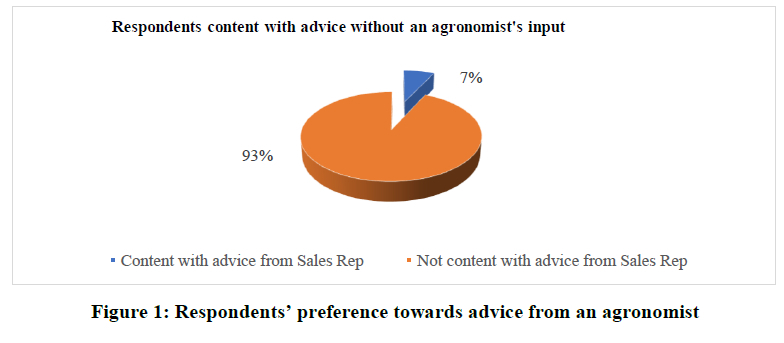
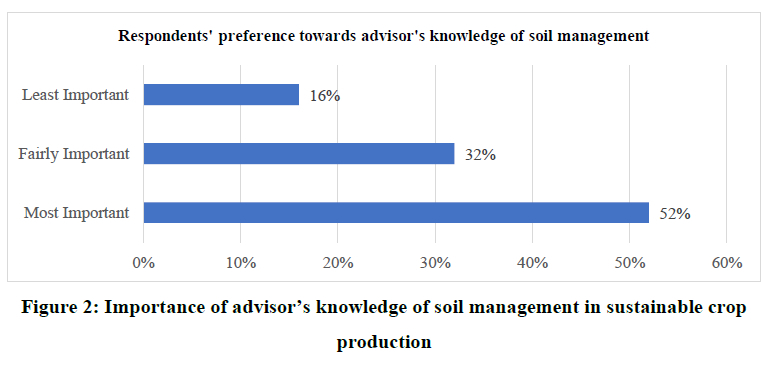
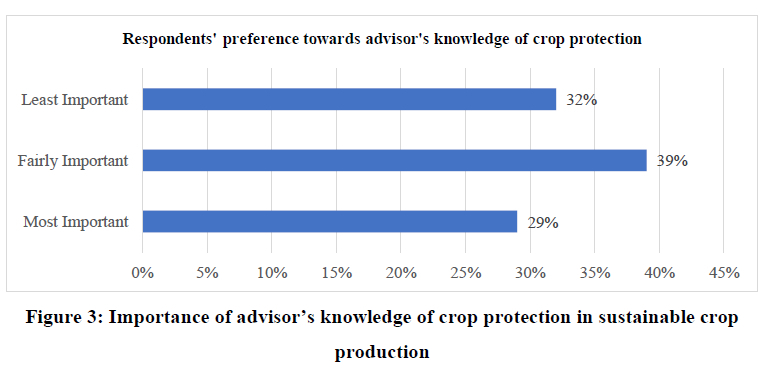
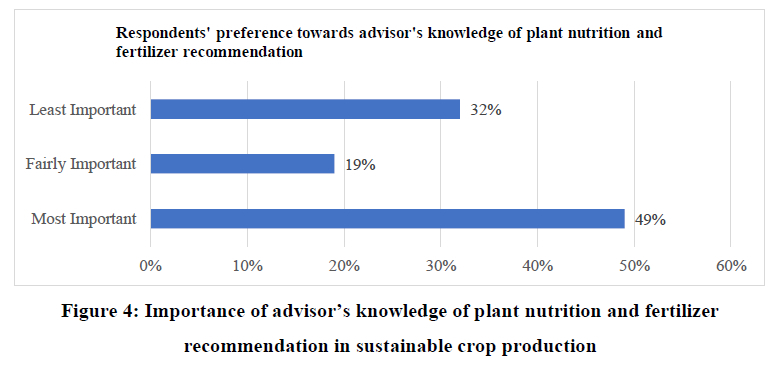
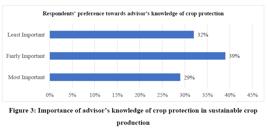
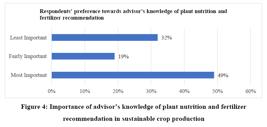
The face of extension and advisory services for agriculture in South Africa has changed significantly in recent years. The focus of government extension services has shifted to emerging farmers, impacting the quality of extension available to commercial farmers. This paper explores the effect of this shift on the sustainability of commercial crop farming in the Eastern Highveld. Three areas of advice and the impact on sustainability were researched, namely soil management, plant nutrition, and crop protection. Crop farmers regard all three as crucial for sustainability and prefer advisors to be knowledgeable in the following order of preference: plant nutrition, soil management, and crop protection. Most farmers are aware of their advisors' qualifications and accreditations and discount advice by non-accredited and inexperienced advisors. Sustainable advice followed by responsible application is more effective in crop protection than soil management and plant nutrition. Over the past decade, the contribution of qualified advisors through improved decision-making increased yields by upwards of 40%. To maintain a high level of scientific and ethical advice, supply companies should employ qualified agronomists and promote the importance of qualified advice among stakeholders. Advisors should promote an ethical and professional relationship and regularly offer mentor ship to qualified but inexperienced advisors.
Agronomist; Advisor; Qualified advice; Sustainable crop production
 Thumbnail
 Thumbnail
 Thumbnail
 Thumbnail
 Thumbnail