Recognising indigenous vegetables as potential contributors to livelihoods development: a case of two district municipalities in northern KwaZulu-Natal
Abstract
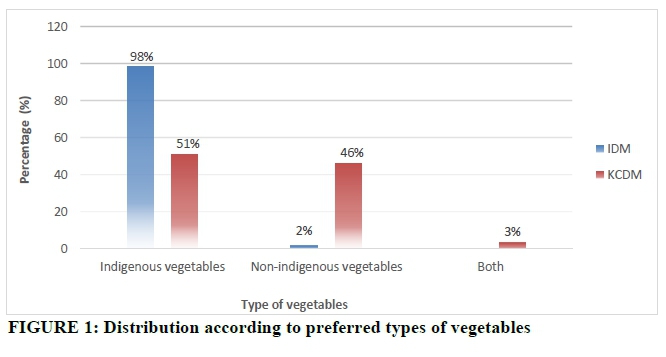
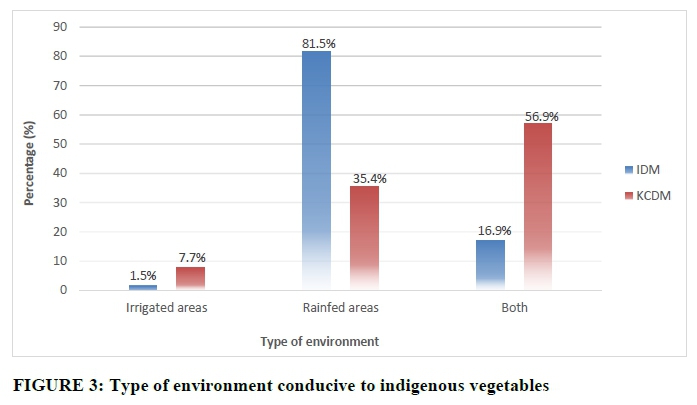
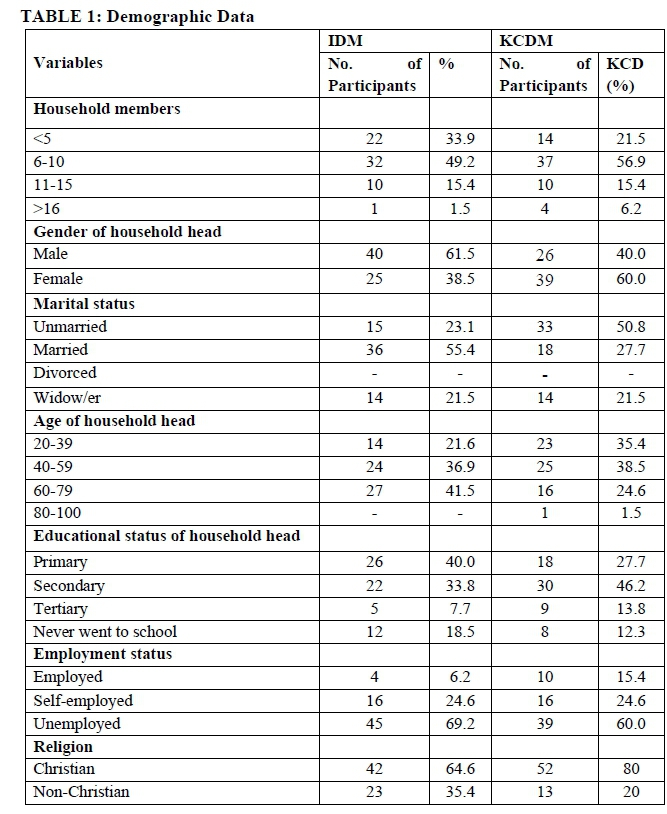
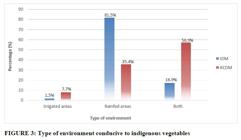
South Africa is a food sufficient country. Native South Africans, however, continue to suffer from food insecurity at a household level, even under contemporary democratic leadership. Influenced by the COVID-19 pandemic, the study was conducted to determine the role of indigenous vegetables in rural livelihoods in the two selected district municipalities of northern KwaZulu-Natal, namely iLembe District Municipality (IDM) and the King Cetshwayo District Municipality (KCDM). A purposive sample which consisted of 130 participants (n=130) was drawn, and data were analysed descriptively using Microsoft Excel Software. Our findings point in the direction that indigenous vegetables have the potential to contribute to livelihoods development. It was also found that these vegetables can thrive under diverse climatic conditions, including both irrigated and rainfed areas. This is especially important in a country like South Africa which faces major challenges of water scarcity and household food insecurity. Most household heads in the study were unemployed and relied on government monetary incentives for survival. It is concluded that there is a need to include these indigenous crops as part of the main discussions in the food discourse and to recognise them as a tool to enhance livelihood development.
Indigenous vegetables; livelihoods; rural communities; socioeconomic status
 Thumbnail
 Thumbnail
 Thumbnail