How Sensitive Are South African Postgraduate Research to Pandemic Lockdowns? A Case of Agricultural Economics and Extension Dissertations
Abstract
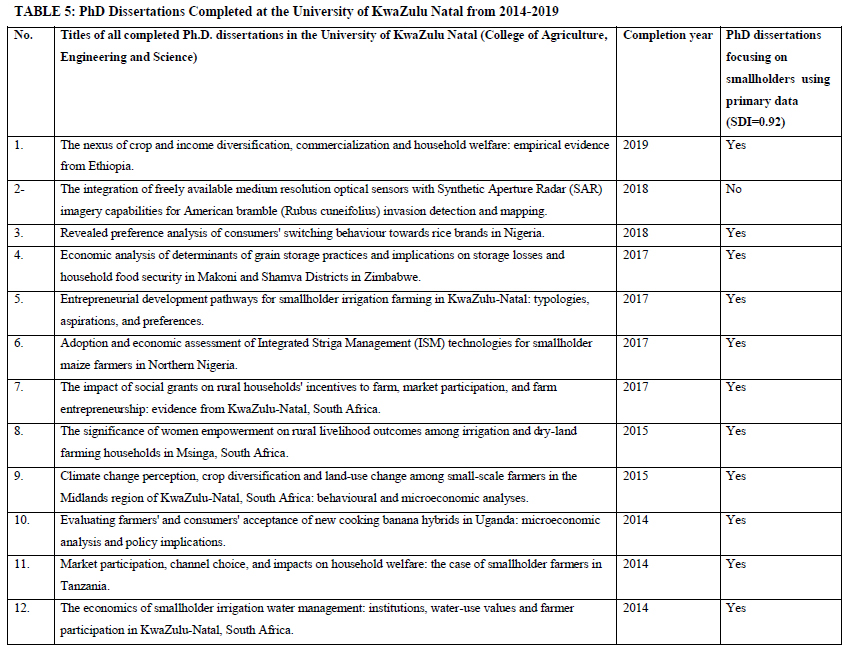
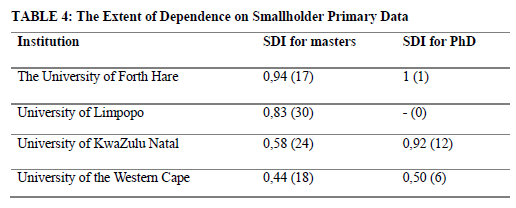
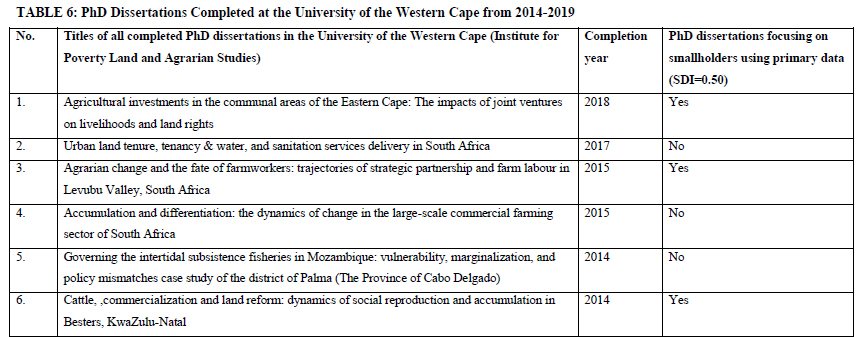
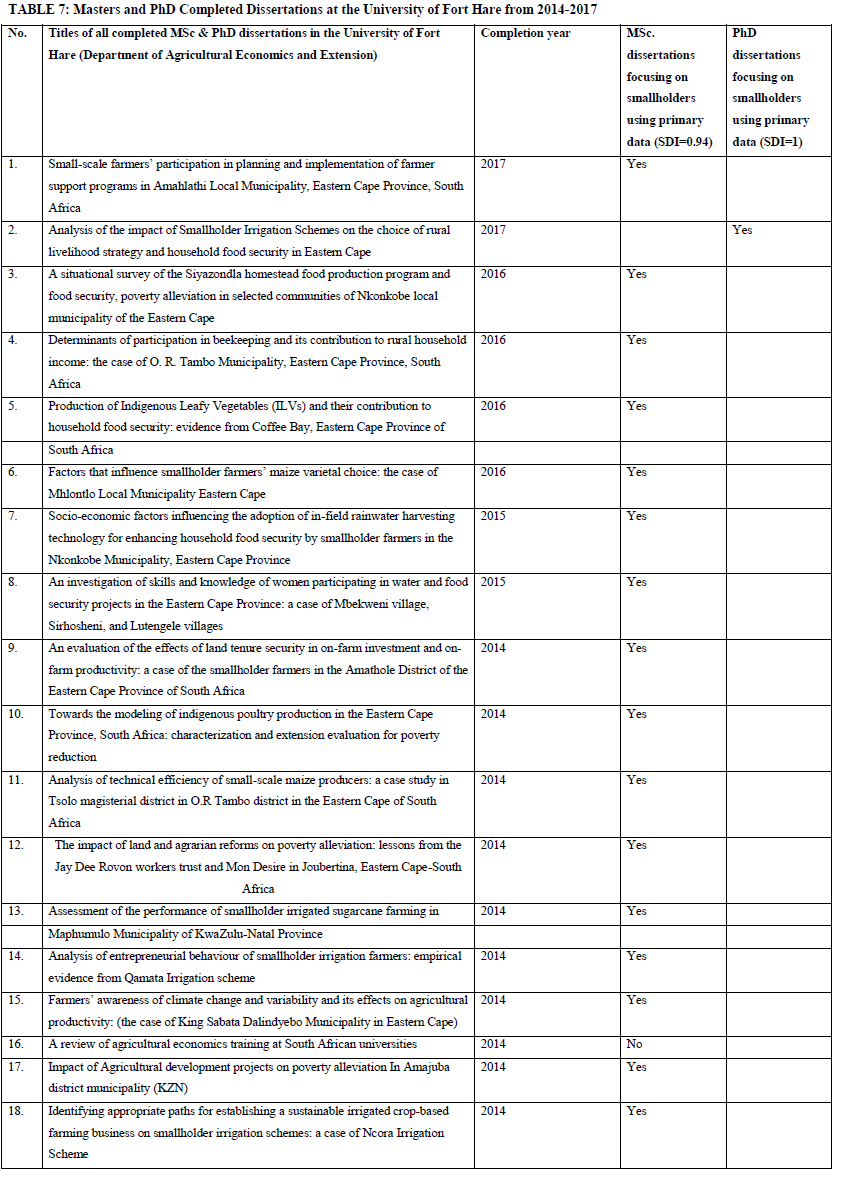
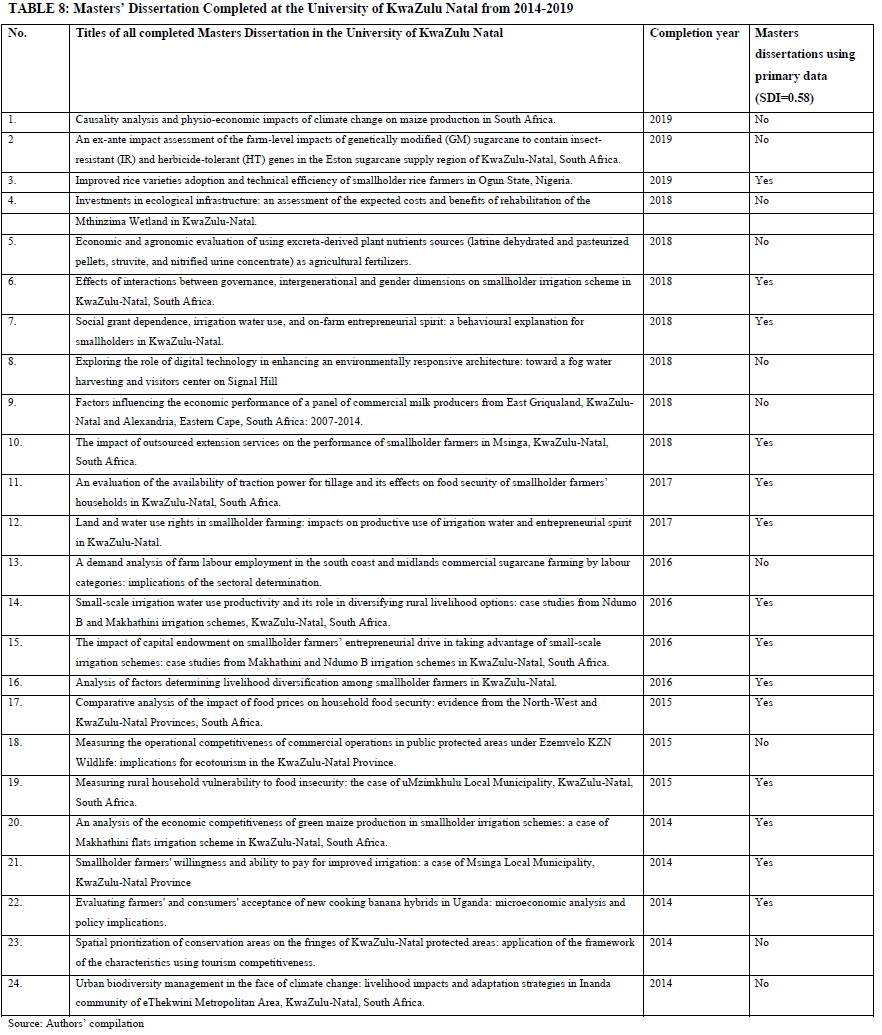
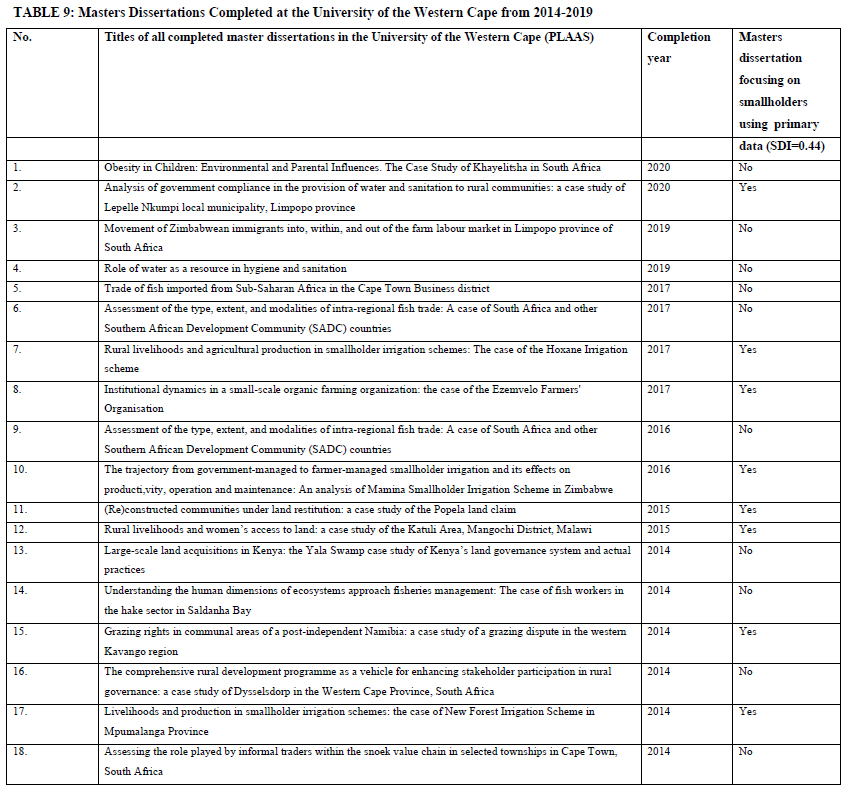
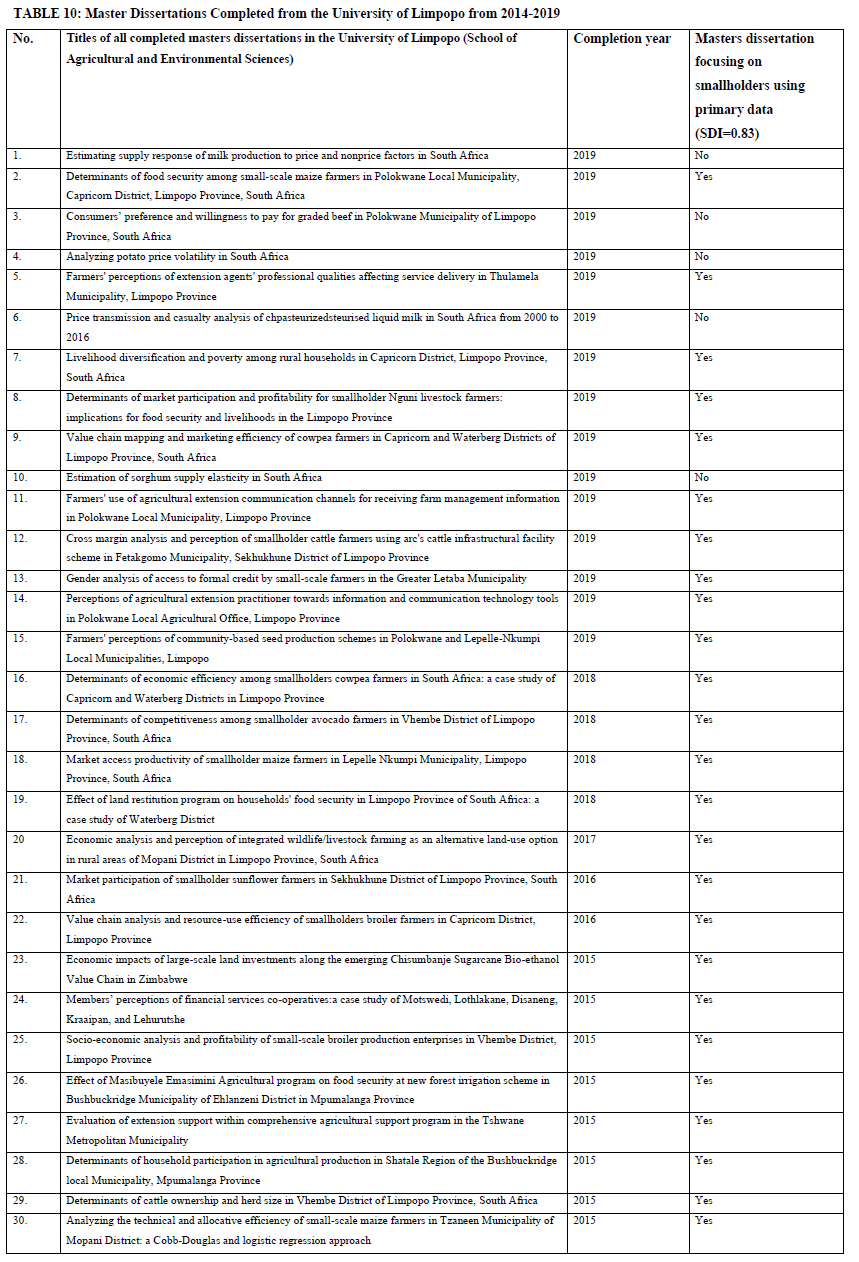
The key to avoiding the next pandemic catastrophe is to be prepared. This research represents an attempt to understand the potential effects of lockdowns on completing Masters and PhD dissertations that focus on smallholder farmer's primary data, taking the example of COVID-19. A sample of four South African universities (Fort Hare, Limpopo, KwaZulu Natal, and Western Cape), which mainly research smallholder farmers using primary data, addresses the study objective. Dissertations completed in 2014-2019 (pre-pandemic) were retrieved from the respective universities' repositories. An abstract appraisal was done to identify dissertations that focused on smallholders and used smallholder primary data. Hence, a smallholder dissertation index (SDI) was computed to measure the susceptibility of each university to lockdown interruptions. The results indicated that the master's and PhD research in the selected universities rely heavily on smallholder primary data (shown by >0.50 SDI), with varying proportions between the universities. Dissertations that used smallholder primary data obtained the data using face-to-face field interviews. This implies that in these institutions, the lockdowns could have negatively affected the writing of master's and PhD dissertations. Consequently, the study concluded that adopting online survey methods might help minimise the impact of lockdowns.
Research and Development; Smallholder Farming; Agricultural Economics
 Thumbnail