An Analysis of the Maize Marketing Structure and Its Effects on the Marketing Performance in Zimbabwe: A Case of the Mazowe District
Abstract
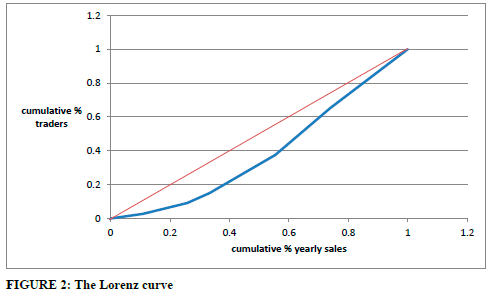
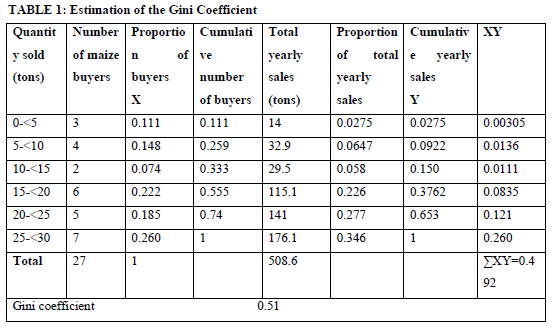
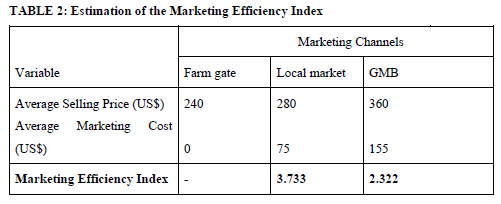
The study ascertains the maize marketing structure and its effects on the marketing performance in Zimbabwe. The Structure Conduct Performance model was used as the primary tool of analysis. The results indicated that there were too few buyers in the maize grain market to attain a competitive market. The maize grain trade is concentrated, and a few traders control it. The Herfindahl-Hirschman Index was 0.203, implying a concentrated maize market. The local market channel had a Marketing Efficiency Index of 3.733, compared to 2.322 for the GMB. While both indices were low, the GMB channel was the least efficient compared to the literature standard. The late payment by the GMB has short-circuited the ability of smallholder farmers to generate a cash flow with which to fund their farming and other non-farming activities. The study recommends reducing the number of intermediaries to lessen their influence in the marketing channels and provide more shares to farmers. There is a need to optimise GMB's logistical operations and ensure timely payments to significantly contribute to improving market efficiency, reducing losses, and strengthening the resilience of Zimbabwe's food systems.
Herfindahl-Hirschman Index; Gini Coefficient; Marketing; Efficiency
 Thumbnail
 Thumbnail
 Thumbnail