Wool Sheep Farming in the Communal Areas of the Eastern Cape Province: A Summative Technical Overview of Four Research Projects
Abstract
Wool sheep farming dominates the agricultural sector in South Africa's Eastern Cape Province, with a significant proportion of these sheep being managed by communal farmers. Despite suboptimal management practices, the contribution of sheep to rural income and broader socio-economic circumstances is substantial. A thorough understanding of communal wool sheep production systems is essential for developing effective improvement strategies. Accessible, concise, and practical empirical information remains incomplete and undocumented. To address this, 4 research projects, spanning 12 years, were reviewed in the Eastern Cape Province. Results presented are based on data collected from 5839 sheep owned by 140 farmers in 13 communal communities representing various agro-ecological regions. The research addresses key aspects of wool sheep production, including ownership patterns, flock composition, seasonal trends, reproductive practices, general husbandry and the impact of technology transfer. While not exhaustive, it provides relevant information on key factors influencing wool sheep farming. The aim is to serve as a foundation for informed recommendations that benefit farmers, extension personnel, and academic stakeholders, ultimately contributing to enhanced productivity and sustainability in the communal wool sheep sector.
Fibres; Livestock Production; Rural Farming; Small Stock; Subsistence Agriculture
1. INTRODUCTION
Agriculture stands as the cornerstone of economic stability across numerous African nations, employing a substantial majority of the workforce and contributing significantly to domestic production (Hussein et al., 2008; Akpensuen & Rivero, 2025). Particularly in Sub-Saharan Africa, smallholder farms, constituting around 80% of all farms, play a pivotal role, directly engaging approximately 175 million individuals (Alliance for a Green Revolution in Africa, 2014). As women constitute at least half of the agricultural labour force in many countries (FAO, 2015; FAO, 2023), the importance of agriculture as a socio-economic factor in communities and families cannot be ignored.
In South Africa, agriculture is a critical component, with 2.3 million households involved in agricultural activities as of 2016 (STATS SA, 2016). Notably, the Eastern Cape, which accounts for 32.7% of the country's livestock-farming households, is a significant contributor to agricultural endeavours (STATS SA, 2016). The province, boasting the highest livestock numbers in the Republic of South Africa, emphasises the importance of prioritising animal production, given its distribution of over 6.5 million sheep, 3 million cattle, and 2 million goats (National Department of Agriculture, 2019).
The Eastern Cape's agricultural landscape, dominated by wool sheep farming, especially in communal farming areas, underscores the need to prioritise sheep production and its promotion (DAFF, 2018; National Livestock Statistics, 2006). Predominantly characterised by rangeland covering 90% of the province due to climatic, topographic, and geological constraints on crop production, the region practices communal grazing, commercial livestock activities, nature conservation, and game ranching (Scholtz et al., 2008; De Wet & Van Averbeke, 1995; CSIR, 2004).
Despite its potential, the agricultural sector faces challenges including inadequate resources, inefficient production systems, and limited market access (Bembridge & Tapson, 1993; FAO, 2001; FAO, 2002; Stroebe et al., 2011). The growing agricultural livestock sector faces severe limitations, including inadequate resources, inefficient production systems, and limited market access. The efficiency of meat, wool, and milk production from communal livestock, estimated at only a quarter of that in commercial farming, reflects these challenges (Bembridge & Tapson, 1993; Stroebel et al., 2011). Around 100 000 small-scale wool producers in the Eastern Cape face vulnerability to climate variability and extremes, compounded by high lamb mortality rates attributed to malnutrition and harsh environmental conditions (CAPEWOOLS SA, 2007).
Sustainable development, defined as meeting current needs without compromising the ability of future generations to meet their own needs, becomes paramount in the development of rural communities. Recognising agriculture as a crucial element in addressing social issues, particularly among previously disadvantaged communities, requires a comprehensive understanding of its potential to improve living standards. Livestock farming, acting as a potential catalyst for livelihoods, emerges as a pivotal tool for rural and economic development (Pasha, 2000; Misra, 2005). The significance of small ruminants, which contribute to livelihood security and serve as insurance, is evident on communal lands, where families rear 1-3 sheep with minimal economic inputs and marginal outputs (Chauhan & Moorti, 1999).
Due to very limited empirical data collection in the communal livestock environments in the past, information remains incomplete and undocumented. This systematic overview positions sheep-owning households as the focal point within a web of interconnected influences that shape their livelihoods, providing accessible, concise, and practical information. The overview seeks to provide benchmark information, grounded in real-time, measurable data that serve as factual, verifiable evidence essential for analysing and tracking changes over time. By delving into the dynamics of communal sheep farming in the Eastern Cape, it aspires to identify areas of improvement and implement principles that bridge the gap between aspirations and realities (Jack & Boone, 2012). Through this lens, the paper aims to contribute informed insights to propel sustainable development and resilience in the Eastern Cape's sheep production landscape.
2. OBJECTIVES OF THIS OVERVIEW
The objectives of the systematic overview were designed to provide a comprehensive understanding of the intricate dynamics within communal livestock farming systems, with a focus on key aspects such as livestock ownership, reproductive patterns, reproductive health, animal weights, genetic influences, and the impact of interventions on wool production and market outcomes. The findings from these objectives will provide valuable insights to inform future strategies to enhance the sustainability and livelihoods of sheep farmers in communal environments. The following were the specific objectives:
1. Analyse patterns of sheep ownership and investigate subsistence-level farming practices within communal systems.
2. Examine the age structure and sex distribution of communal sheep flocks.
3. Explore seasonal variations in the weights of ewes and rams. Assess the impact of age and season on animal weights.
4. Evaluate the seasonal variations in Average Daily Gain (ADG) for communal sheep.
5. Assess pregnancy percentages, expected lambing percentages and observed lamb mortality rates.
6. Examine milk quality during critical post-lambing periods.
7. Investigate the timing of the lambing season and analyse patterns. Assess the occurrence of causative abortion pathogens.
8. Evaluate the influence of introducing genetically superior rams on various traits, as well as the protocol followed when introducing superior genetic animals.
9. Assess the market impact of wool produced by communal farmers. Investigate the impact of targeted interventions, including training and technology transfer.
3. MATERIAL AND METHODS
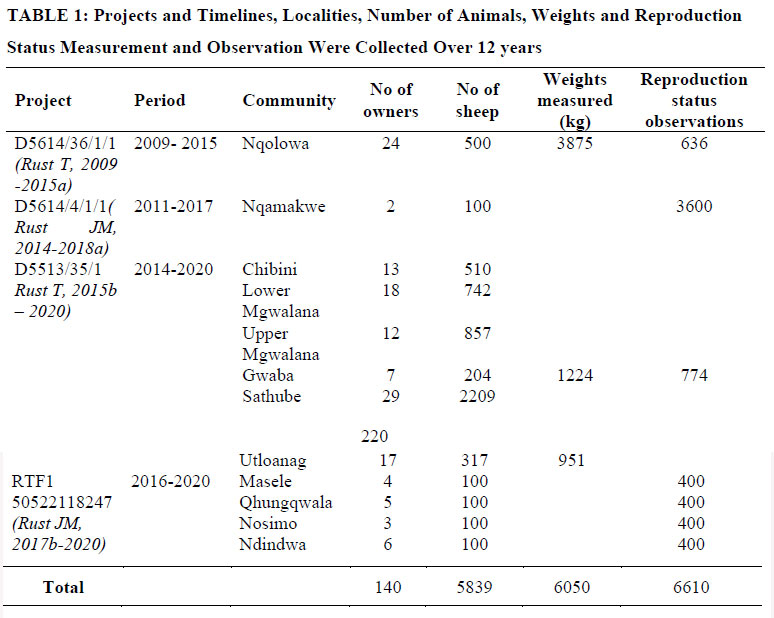
The study traversed diverse agro-ecological regions within the Eastern Cape Province. This technical overview is a summary of the results of four research projectsconducted between 2009 and 2022 (Table 1), including the following: D5614/36/1/1: Evaluation of aspects of the National Wool Growers Association (NWGA) ram project; D5614/4/1/1: The development and evaluation of an exogenous hormonal control regime for the medium- to long term regulation of the reproductive cycle of communal sheep; D5513/35/1: Benchmarking communal livestock productivity and RTF150522118247: The use of molecular genetics techniques to quantify offspring production from genetically superior males introduced into uncontrolled communal breeding systems (Table 1). The projects were approved by the Dohne Research Committee, and ethical certificates 05/2009, 04/2011, 03/2014, and 08/2017 were granted, respectively.
Project period and location, as well as the data recorded for each project, are summarised in Table 1.
Locations were selected based on accessibility, farmers' willingness to participate, the presence of an organisational structure/committee amongst the farmers, sheep-handling facilities, and the number of sheep and sheep owners. A thorough assessment, facilitated by a structured agricultural livelihood questionnaire administered during an initial consultation visit with each community, was conducted to ensure suitability, facilitate collaboration, and gather information on flock structure and ownership. Thereafter, each communal flock was evaluated by observing identification details, such as the owner's name, animal gender, and estimated age based on incisor teeth. Using incisor teeth to estimate sheep age, due to a lack of birthing records, is well documented in the Merck Veterinary Manual (Khan & Line, 2010). All participating farmers willingly provided all their sheep for individual weight recording and determination of reproduction status using ultrasound scanning (Sonoscape AV5 with a 4-6 MHz curved-array abdominal probe) and assessment of udder physiology. The studies incorporated weight measurements for all animals, as well as recordings of the reproductive statuses of all females during subsequent biannual visits over the project's duration. During lambing, weekly visits focused on recording new births, capturing weights of newborn lambs, and collecting blood samples. Most of the communities were members of the NWGA, and continuous training by stakeholders and scientists during visits covered aspects such as animal handling, animal health, shearing and wool classing.
Shearing in the province's communal flocks occurred between September and November each year (CAPEWOOLS, 2007). Wool quality and quantity information of each community was obtained from annual broker wool sales accounts, providing insights into the communal shearing sheds' production status.
Twenty-six milk samples were collected by milking lactating ewes with lambs of varying ages by hand from three randomly selected farmers in the Gwaba community during June and July of 2016. The samples were analysed for milk solid composition (fat, protein, and lactose). Milk samples were analysed after heating to 40⁰C using the Milko Scan 104 (Foss Electric) to determine the milk solid composition. The Milko Scan 104 was calibrated using store-bought full-cream UHT dairy milk.
In various communities (Nqolowa, Masele, Qhungqwala, Nosimo and Ndindwe), genetically superior Dohne Merino rams were introduced using two protocols. The protocols were, first, to introduce the rams with no prior action taken, and second, to introduce the rams after the removal or castration of all flock rams. Five rams were introduced and mated to 200 ewes in each community. Blood was collected via venepuncture from the jugular vein using EDTA tubes for DNA profiling. Samples were collected from all introduced breeding rams prior to introduction, as well as from all lambs born after the subsequent mating season. Further blood samples (serum tubes) were randomly collected from 40 mature ewes in the above-mentioned communities for ELISA screening tests to assess reproductive disease antibody prevalence.
The statistical analyses involved calculating weight and age frequencies and conducting regression analyses to determine the effects of age, season, and year on weight and reproduction status using Statistica (StatSoft, Inc., 2013). Phenotypic correlations between traits, weight, age, season (summer vs winter) and year were determined, with significance set at P<0.05 (StatSoft, Inc., 2013).
4. RESULTS AND DISCUSSION
The results were derived from an extensive analysis of various research projects conducted across the Eastern Cape Province (Table 1). Data were meticulously collected through empirical studies, direct observations, physical measurements, and sample collection and analysis, spanning 12 years from 2009 to 2020. It is significant to note that all studies involving livestock in which measurements and observations were conducted were carried out in a communal environment, with farmers retaining complete autonomy over their preferred management systems without imposed prescriptions.
The pooled data on sheep ownership revealed that the communal farmer with the most sheep often owns between 15-17% of the sheep. Approximately 50% of communal farmers owned less than 5% of the sheep (Rust, 2009; 2010; 2011; 2012; 2015a, b; 2016; 2017; 2018; 2019; 2020; Rust et al., 2012b; Rust et al., 2015a, b; Rust et al., 2020). This represents ownership of fewer than 20 sheep, with 24% of communal farmers owning fewer than 10 sheep. These findings are consistent with Bembridge's (1984) observations that, in communal farming systems, 76% of farmers own fewer than 20 sheep, and 50% own fewer than 10 sheep. This highlights that the majority of communal farmers in the study are subsistence-level, using farming to meet their households' needs.
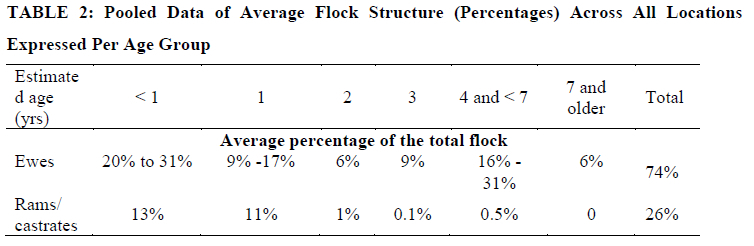
The average pooled age structure of communal sheep, across all projects, as a percentage of the total flock, was derived from data collected on sheep ownership, sheep gender and sheep age (Table 2) (Rust, 2009; 2010; 2011; 2012; 2015a, b; 2016; 2017; 2018; 2019; 2020; Rust et al., 2012b; 2015a, b, 2020).
Examining the age distribution of several communal sheep flocks reveals a decline in younger ewe numbers (Table 2) from 1 to 2 to 3-year age group numbers, particularly in the 2-year and 3-year age groups. In a flock, where no selection takes place, the expectation is that the number of ewes in the 1-year, 2-year and 3-year age groups should be similar. The decrease in numbers is likely due to the challenge young ewes face in recovering after their first lambing and lactation cycle.
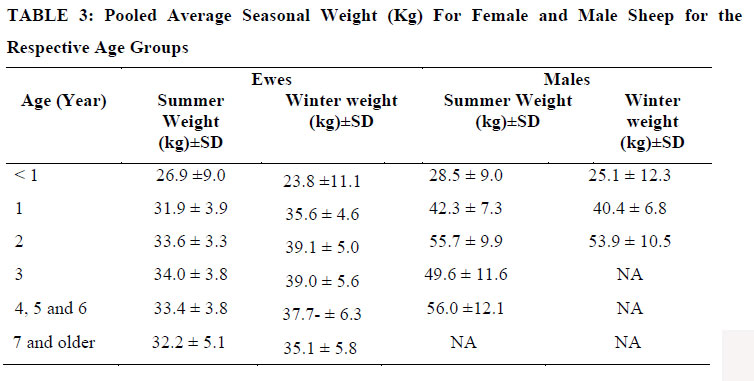
Significant seasonal variations (summer and winter) were observed in the weights of ewes and rams (Rust, 2009; 2010; 2011; 2012; 2014; 2015a, b; 2019; Rust et al., 2012b; 2015b). Pooled average weights of all participating sheep in all projects are presented in Table 3. Summer measurements were mainly collected between October and December, and winter measurements were collected during May and June in all years from 2009 to 2022.
During early winter, when most ewes were observed to be pregnant, their weights were higher, and they were in a better body condition after the improved grazing conditions during the summer months.
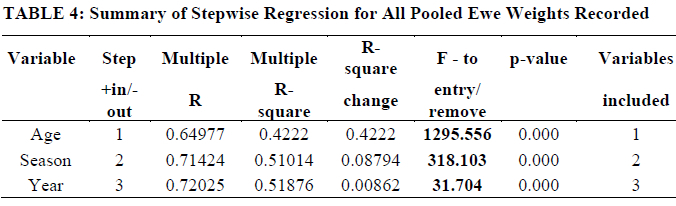
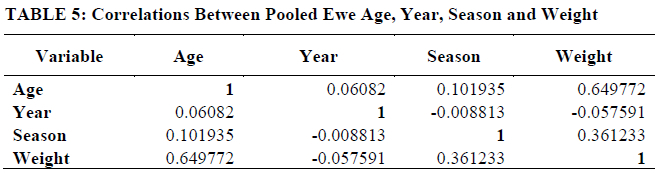
A stepwise regression (Table 4) (Rust, 2013; Rust et al., 2015b) and a correlation matrix (Table 5) (Rust et al., 2020) performed on all pooled data indicated that, within an age group, the season and age had a more significant effect on the weight of the animal (P<0.05) than the year of measurement.
As a group, full-mouthed and 4-year-old ewes' weights differed significantly from the 2-year and 3-year old ewes during the winter recordings, but this trend was not observed during the summer recording. This supports the hypothesis that 1-year-old and 2-year-old ewes struggle to recover after the first lambing and lactation cycle. Except for the birth to 3-month-old lamb group, other lamb age groups did not differ significantly (P<0.05) in weight between summer and winter recordings.
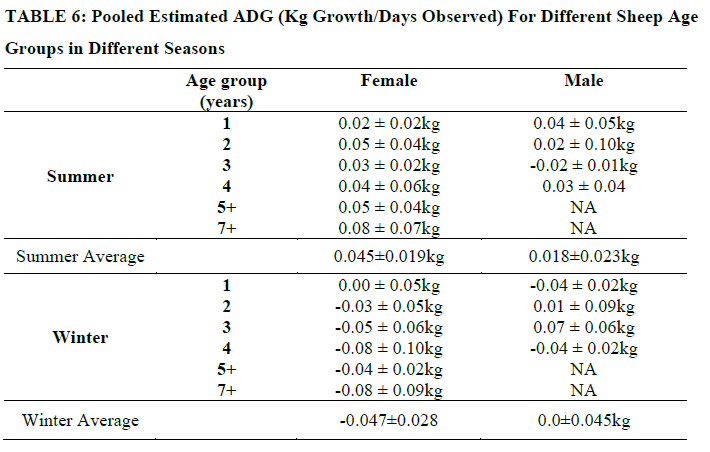
The pooled average daily gain (ADG) (Table 6) for adult sheep exhibited seasonal variations, with most animals losing weight during winter, underscoring the influence of environmental factors and reproductive stress on the growth patterns of communal sheep (Rust, 2015a; Rust et al., 2020).
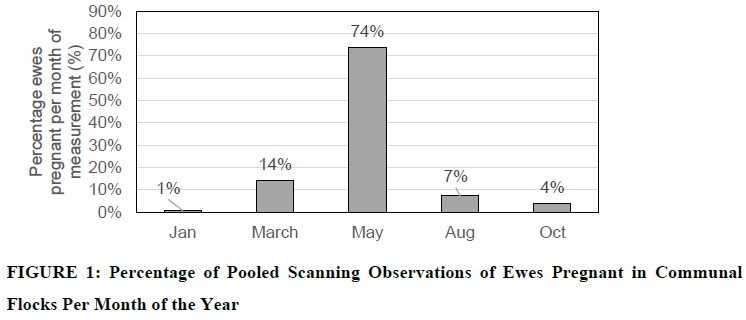
Results from the 4 research projects (Table 1) found that pooled reproduction status data (ultrasound scanning and udder assessment) indicated that the lambing season in the province occurs from late April to the end of July annually, with most births recorded in June. Pooled real-time ultrasound scanning technology, measured in randomly selected months in all communities, indicate that most ewes (74%) were on average between 2.83 and 3.17 months pregnant during May (Figure 1) each year (Rust, 2014; 2015; Rust et al., 2014; Rust, 2014; 2015a, b; 2019; 2020; Rust & Rust, 2016; Rust et al., 2019b; Rust et al., 2015a, 2015b; 2020).
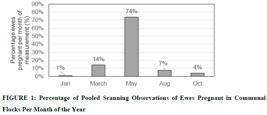
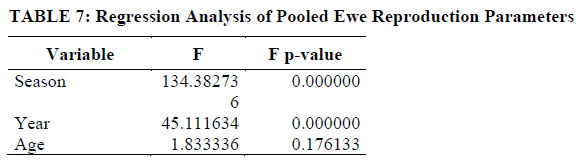
Pooled annual pregnancy percentages varied between 70% to 86% per year (Rust, 2014; 2015; Rust et al., 2014; Rust, 2014; 2015a, b; 2016; 2019; Rust & Rust, 2016; Rust et al., 2015a; 2019b; 2020). A regression analysis (Table 7) indicates that the fixed effect of season had the largest significant effect (P<0.05) on pregnancy status, followed by year of observation and age of animal (P<0.05) (Rust, 2013; Rust et al., 2015a; 2020).
A variance component analysis of pooled data from all communities indicated a significant interaction (P<0.05) between fixed-effects weight and year of observation (Rust, 2013; Rust et al., 2020). The month of the real-time ultrasound scan had a significant effect (P<0.05) on the gestational stage. When considering data recorded only during May, year of observation and ewe weight significantly (P<0.05) explained the variation in gestation stage. Two- and 3-year-old age groups both differed significantly (P<0.05) from the 5-year-and-older age group in gestation stage (median 3.0±0.09 vs 3.5±0.12), and greater variance was observed in the young ewe group (σ2 = 0.93 vs 0.87) (Rust et al., 2020). The strain on the young ewes lambing for the first time during the winter months is catastrophic and often resultsin death during the subsequent winter season. It is only when the grazing has recovered after the first spring rains that all ewes can recover to such an extent that they will conceive. The resulting consequence is the continuation of a winter lambing cycle. Most of the ewes (88.5%) observed across all projects conceived the subsequent year, indicating good repeatability of the fertility rate (Rust et al., 2019b).
Due to the high pregnancy percentages recorded, high lambing and weaning percentages are expected. However, recorded lamb numbers were much lower across all projects and years (Rust, 2014; Rust et al., 2014; Rust, 2014; 2015b; 2016; 2019; Rust et al., 2015b; 2020), suggesting a lamb mortality rate of 35%-40%. This closely corresponds to the findings of Bembridge (1984) and Steyn (1982), who reported high lamb mortalities (30.2% and 33.9%, respectively) in communal farming systems.
The average milk solid composition of ewes with one-month-old lambs was 9.74% fat, 4.36% protein and 5.09% lactose during the June sampling. Similarly, the milk solid composition in June for two and three-month-old lambs were 8.30% and 9.23% fat, 4.67% and 4.51% protein and 4.99% and 4.90% lactose, respectively (Rust, 2017; Rust et al., 2019a; Rust et al., 2020). During the July sampling, there were no one-month-old lambs, and the milk solids measured for ewes with 2 and 3-month-old lambs were 7.13% and 9.49% fat, 4.16% and 4.40% protein and 5.06% and 4 (Rust, 2017; Rust et al., 2019a; 2020). From the results, it seems that the quality of milk immediately after, and up to three months after, lambing is adequate and agrees with what is reported in the literature (Torres-Hernandez & Hohenboken, 1979; Wohlt, 1981). The variation in both protein and lactose percentages was small. Fat percentage ranged from a high of 14.5% to a low of 3.6%. Most of the variation (3.6% vs. 11.1%) was observed for ewes suckling two-month-old lambs. However, there was no significant difference (P<0.05) in fat percentages across different age groups or months. It was not possible to measure milk quantity due to the communal environment in which the study was conducted. It is hypothesised that the high mortality rates observed in communal flocks are not necessarily due to the quality of the milk produced by the ewes, and that investigations should extend to the quantity of milk produced.
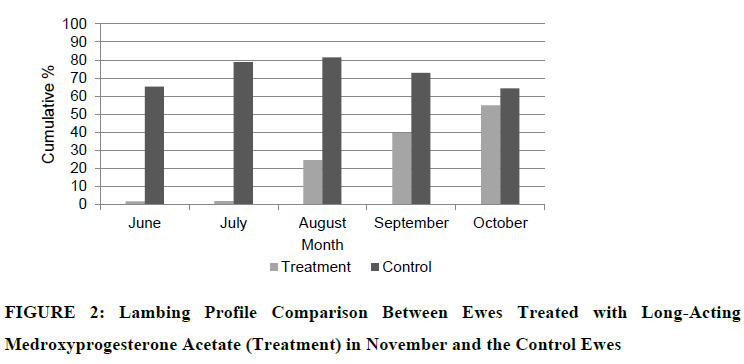
The seasonal pattern in gestational status and lambing seems to be a constant in most communal sheep flocks. Some slight shifts can occur, largely controlled by rainfall and the availability of grazing early in the growing season. An attempt was made to manipulate this pattern in 200 ewes from the Nqamakwe region using cyclicity/ovulation-controlling drugs (Rust, 2014; 2015; 2016; 2017a; 2018a; Rust et al., 2015; 2016; 2017; 2020). This was done in an attempt to shift the lambing season to a more favourable part of the year, i.e. spring to early summer. Furthermore, this was done to determine whether a permanent shift can be achieved after an initial hormonal intervention. Figure 2 depicts the change in lambing pattern in a group of ewes after the administration of long-acting medroxyprogesterone acetate, as compared to a control group where no treatment was administered. For both groups, no other management inputs was altered. The results indicate a clear shift in the lambing pattern of the treated ewes. It resulted in a ±3-month delay in the onset of lambing (Rust, 2014; 2015; 2016; 2017a; 2018a; Rust et al., 2015, 2016, 2017, 2020).
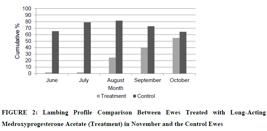
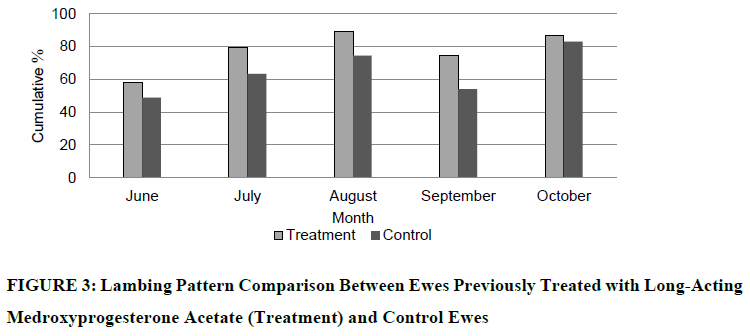
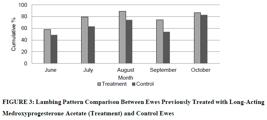
Figure 3 depicts the lambing pattern in ewes in which the administration of cyclicity-controlling drugs was discontinued, compared with ewes that had never previously received treatment. From the recorded results, it was evident that the previously treated ewes reverted to the "normal" lambing pattern after manipulation ceased. The once-off intervention did not affect a long-term shift in lambing pattern and again emphasises the strong influence of feed availability and body condition on the cyclicity and breeding readiness of communal ewes (Rust, 2014; 2015; 2016; 2017a; 2018a; Rust et al., 2015, 2016, 2017, 2020).
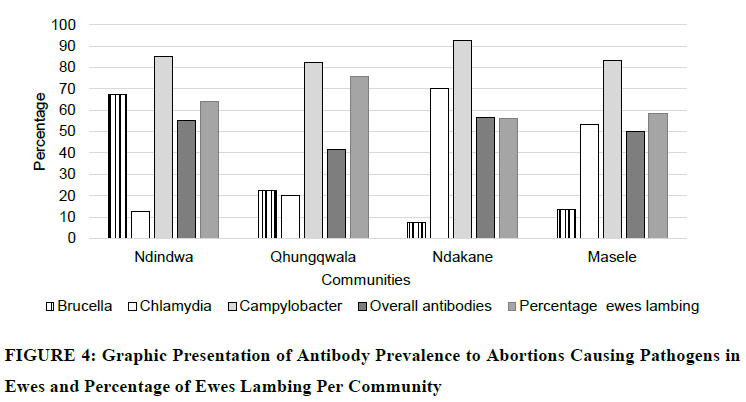
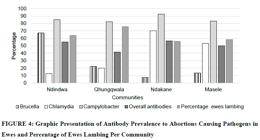
Abortion causing agents have a negative effect on lambing rates, and it is suspected that the South African communal flocks might also be exposed to these pathogens. In a point-in-time study by Rust et al. (2025), 4 communal flocks (Masele, Nosimo, Qhungqwala, and Ndindwe) were assessed for their exposure to abortion-causing antigens (antibody prevalence in ewes) and correlated with the percentage of ewes lambing per community. Figure 4 depicts the correlation between antigen exposure (antibody prevalence) in the four communities compared to the percentage of ewes lambing. It was evident that the exposure to abortion causing agents was relatively high, and it correlates with the percentage of ewes lambing. In the flock with the lowest exposure, the highest percentage of ewes lambed. This is a serious concern and a confounding factor that results in fewer offspring and subsequent negative impacts on the flocks (Rust et al., 2025).
The introduction of genetically superior rams positively influenced various traits (Rust et al., 2015b; 2020). The average weight of the lambs recorded over the trial period in the Nqolowa community increased by 1.6 kg per annum (Rust et al., 2015a, b). The net mass wool produced in the Nqolowa community increased (b = 79.95), and the clean yield percentage of the wool improved (b = 0.026) after the introduction of genetically superior rams (Rustet. al., 2015a). Rust (2025) found that a protocol of removing rams before the introduction of genetically superior rams yielded better results as far as the number of offspring produced compared to a protocol where genetically superior rams are simply introduced in the current flock (Rust, 2017b; 2018b; 2019; 2020; Rust et al., 2017; 2020; 2025).
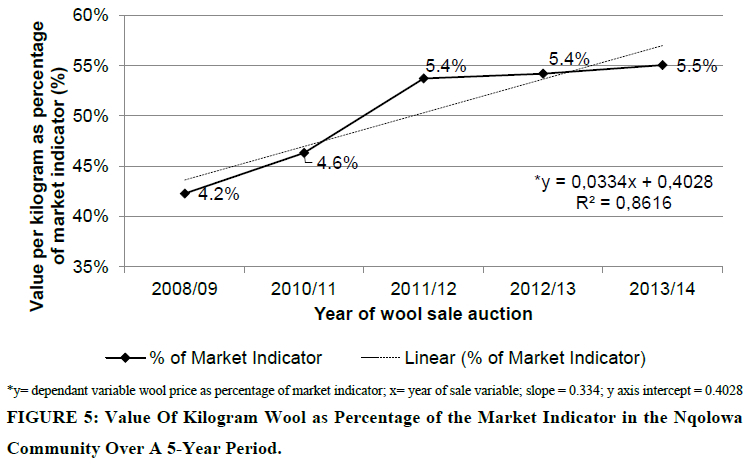
Most livestock owners (88%) market wool through the formal wool market and meat in the informal market (Rust, 2012; Rust et al., 2011; 2012a; Rust et al., 2015b). Training by industry experts led to a significant increase in wool income and wool classing effectiveness, indicating sustained improvement (CAPEWOOLS, 2007; Rust, 2014; Rust et al., 2015a, b). The value per kilogram (R/kg) increased across seasons, indicating that communal farmers received higher income per kg of wool produced. The value (Rand) per shearing shed was expressed as a ratio of the market indicator per auction, showing a significant difference (P< 0.05) between the Value: Market Indicator across seasons (Figure 5). Figure 5 represents a strong favourable trend (R2=0.86) in the market value of nett mass wool presented by the Nqolowa community at auction, increasing from 694.7 kg in season 2008/09 to 1104 kg in the 2012/13 season.
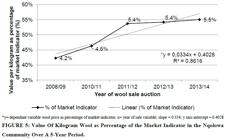
The results suggest that targeted interventions, including training, technology transfer, and access to formal markets, have led to tangible improvements in the quality and value of wool produced by communal farmers.
5. CONCLUSION
The comprehensive assessment of diverse livestock projects conducted across the province has yielded invaluable insights into the intricate dynamics of communal sheep farming systems. The thorough data collection through empirical studies and extended direct observations has allowed for a nuanced understanding of the challenges and successes inherent in these communal environments. It is crucial to recognise that the autonomy retained by communal farmers in their livestock management practices underscores the need to study these systems under semi-controlled conditions.
The findings emphasise the predominant subsistence-level nature of communal farming, particularly evident in the ownership and structure of sheep flocks. The analysis reveals that a significant majority of communal farmers own relatively few sheep, underscoring the vital role of farming in sustaining households in these communities.
The study sheds light on seasonal variations in the weights of ewes and rams, emphasising the impact of environmental factors on their body condition. An alarming trend emerges in the age distribution of communal sheep flocks, indicating challenges faced by younger ewes after their initial lambing and lactation. The decline in numbers, particularly in the 2-year and 3-year age groups, underscores the need for targeted interventions to support the recovery and well-being of these young ewes, potentially preventing catastrophic outcomes during the winter months. Reproductive patterns, highlighted by a winter lambing season, show high pregnancy rates, but there are serious concerns about a high mortality rate among lambs and young ewes. The observed variations in gestation stages, influenced by factors such as season, age, and weight, further underscore the intricate balance required for successful reproduction within communal farming systems. These findings advocate for tailored strategies to enhance lamb and young ewe survival rates by addressing the seasonal and environmental challenges faced by the ewes.
The analysis of milk composition in ewes provides a glimpse into the nutritional aspects of communal livestock, suggesting that milk quality during the critical post-lambing period is generally adequate. However, the observed variations, particularly in fat percentage, prompt further investigation into milk production, as it may help address the high lamb mortality rates observed.
Although the timing of the lambing season can be artificially manipulated by administering exogenous hormones, this approach is not considered sustainable. This technique should, at most, be employed as a research tool to facilitate investigations of associated effects. In the long term, the adjustment of the lambing season must be achieved through on-farm husbandry practices. The observation of elevated abortion causing antibody titres, accompanied by correspondingly low lambing rates in some communities, is cause for concern. This warrants close surveillance by extension and veterinary services, as well as further detailed studies investigating the influence of these diseases on ewe reproductive performance.
Notably, the introduction of genetically superior rams has had a positive effect, leading to increased lamb weights and improved wool production. This underscores the potential benefits of incorporating quality genetic material into communal farming practices.
Additionally, the positive impact of training initiatives, technology transfer, and access to formal markets on wool production and market outcomes is evident. The significant increase in wool income, the rise in wool's value, and improved market indicators underscore the measurable benefits of targeted interventions in enhancing the quality and value of wool produced by communal farmers.
In summary, the findings presented in this study highlight the multifaceted nature of communal farming systems, providing a foundation for informed, targeted strategies. These strategies should encompass interventions addressing reproductive health, nutrition, and genetic improvements, with a focus on sustaining livelihoods and fostering resilience within these communities. It is imperative to continue monitoring and assessing the long-term impacts of such interventions to ensure the ongoing improvement and sustainability of communal farming systems in the province.
6. RECOMMENDATIONS
It is recommended that tailored livestock husbandry programmes and government policies be developed to address the specific challenges of communal farmers. These programmes should be delivered through workshops, extension services, and information campaigns. It is recommended that targeted reproductive husbandry management interventions should be introduced to support ewes during critical periods, particularly in alleviating the strain on young ewes during the winter months. These interventions could include providing supplementary nutrition, veterinary care, and the implementation of alternative management practices to improve their health and reduce the risk of complications, such as abortion-causing diseases. Adjusting the lambing season from winter to summer, with a planned mating season, would optimise conditions for lamb survival and reduce the strain on ewes. In-depth research into milk production, focusing on both the quantity and quality of milk, is crucial, as it could help reduce lamb mortality by ensuring adequate nutrition for young lambs. The introduction of genetically superior breeding animals should be widely promoted, with farmers given access to high-quality genetic material, ensuring production improvements that are accompanied by the implementation of effective protocols to ensure the success of the genetic improvement. Furthermore, sustainable wool production practices should be prioritised, including training in proper shearing techniques and wool classing, as well as improved market access to enhance the economic prospects of communal farmers. These recommendations focus on improving livestock health, reproductive outcomes, and productivity, thereby supporting the long-term sustainability and resilience of communal farming systems.
TR writing the manuscript; JMR for editing the manuscript; TR and JMR for collecting the data; TR and JMR for analysing the data.
7. ACKNOWLEDGEMENTS
AM Ras for milk analysis; NS Nongausa and extension officers of the Eastern Cape Department of Agriculture; WJ Goosen and personnel of the National Wool Growers Association (NWGA); Disease Control Africa for performing ELISA tests for antibody quantification; Unistel Medical Laboratories (University of Stellenbosch) for performing all DNA profiling.
REFERENCES
- AKPENSUEN, T.T. & RIVERO, M.J., 2025. Achieving net-zero agriculture in Africa: perspective on policies, challenges, and opportunities. Sustain Sci., 20: 1117-1137.
-
ALLIANCE FOR A GREEN REVOLUTION IN AFRICA (AGRA)., 2014. Africa Agriculture Status Report 2014: Climate Change and Smallholder Agriculture in Sub-Saharan Africa. Available from http://hdl.handle.net/10568/42343.
» http://hdl.handle.net/10568/42343 - BEMBRIDGE, T. & TAPSON, D., 1993. Communal livestock systems. In C. Maree & N.H. Casey (eds.), Livestock Production Systems - principles and practice. Pretoria: Agri-Development Foundation, pp. 361-373.
- BEMBRIDGE, T.J., 1984. A systems approach study of agricultural development problems in Transkei. Doctoral dissertation, University of Stellenbosch, South Africa.
- CAPEWOOLS SA., 2007. Regional Analysis of Wool Production in Southern Africa 1999/00. Port Elizabeth, South Africa: CAPE WOOLS SA.
- CHAUHAN, S.K. & MOORTHI, T.V., 1999. Income and employment pattern. New Delhi, India: Mittal Publication.
-
CSIR., 2004. 2004 Eastern Cape State of the Environment Report. Durban, South Africa: CSIR, Division of Water, Environment And Forestry Technology. Available from http://www.environment.gov.za/soer/ecpae/Download_report.htm.
» http://www.environment.gov.za/soer/ecpae/Download_report.htm - DE WET, C. & VAN AVERBEKE, W., 1995. Regional overview of land reform related issues in the Eastern Cape province. ARDRI/BRC/ISER, University of Fort Hare, Alice and Rhodes University, Grahamstown.
-
DEPARTMENT OF AGRICULTURE, FORESTRY AND FISHERIES (DAFF)., 2018. Livestock statistics: Cattle. Available from https://www.daff.gov.za/daffweb3/Home/Crop-Estimates/Statistical-Information/Livestock.
» https://www.daff.gov.za/daffweb3/Home/Crop-Estimates/Statistical-Information/Livestock - FAO, IFAD & WFP., 2015. The state of food insecurity in the world 2015. Meeting the 2015 international hunger targets: Taking stock of uneven progress. Rome: Food and Agriculture Organisation Publications.
- FAO., 2001. The role of agriculture in the development of LDCs and their integration into the world economy. Rome.
- FAO., 2002. The role of agriculture in the development of least-developed countries and their integration into the world economy. Rome.
-
FAO., 2023. The status of women in agrifood systems - Overview. Rome. Available from https://doi.org/10.4060/cc5060en.
» https://doi.org/10.4060/cc5060en - HILL, T. & LEWICKI, P., 2007. Statistics: Methods and Applications. Tulsa, OK: StatSoft.
- HUSSEIN, K., CALVOSA, C. & ROY, R., 2008. The Effects of Climate Change on Small-Holder Farmers in West and Central Africa. Published for the 10th Meeting of the Africa Partnership Forum, April 2008, Tokyo, Japan.
- JACK, L. & BOONE, J., 2012. Chapter 1: Sustainable Change and Benchmarking in the Food Supply Chain. In L. Jack (ed.), Benchmarking in Food and Farming. Creating Sustainable Change. Gower Publishing.
- KAHN, C.M. & LINE, S., 2010. The Merck veterinary manual. 10th edn. Merck & Co.
- MISRA, A.K., 2005, Contingency planning for feeding and management of livestock during drought. In K.D. Sharma & K.S. Ramasastri (eds.), Drought Management. New Delhi: Allied Publishers.
- NATIONAL DEPARTMENT OF AGRICULTURE., 2019. Directorate Agricultural Statistics. Provincial livestock numbers, Magisterial Districts, Pretoria, South Africa.
- NATIONAL LIVESTOCK STATISTICS (NLS)., 2006. National Department of Agriculture. Pretoria, South Africa.
- PASHA, S.M., 2000. Economy and Ecological Dimensions of Livestock Economy. New Delhi: Commonwealth Publishers.
- RUST J.M., MTHI, S., RUST, T., GOOSEN, W.J., MBATSHA, Z. & MZAYIFANI, K., 2025. A case study: Assessing ram introduction protocols and reproductive disease prevalence in selected communal sheep flocks of the Eastern Cape Province. Appl. Anim. Husb. Rural Develop., 18: 33-40.
- RUST, J.M., 2014. Animal Science Research Report 2013/2014: D5614/4/1/1 The development and evaluation of an exogenous hormonal control regime for the medium- to long-term regulation of the reproductive cycle of communal sheep. Stutterheim: Dohne Agricultural Development Institute.
- RUST, J.M., 2015. Animal Science Research Report 2014/2015: D5614/4/1/1 The development and evaluation of an exogenous hormonal control regime for the medium- to long-term regulation of the reproductive cycle of communal sheep. Stutterheim: Dohne Agricultural Development Institute.
- RUST, J.M., 2016. Animal Science Research Report 2015/2016: D5614/4/1/1 The development and evaluation of an exogenous hormonal control regime for the medium- to long term regulation of the reproductive cycle of communal sheep. Stutterheim: Dohne Agricultural Development Institute.
- RUST, J.M., 2017a. Animal Science Research Report 2016/2017: D5614/4/1/1 The development and evaluation of an exogenous hormonal control regime for the medium- to long-term regulation of the reproductive cycle of communal sheep. Stutterheim: Dohne Agricultural Development Institute.
- RUST, J.M., 2017b. Animal Science Research Report 2016/2017: RTF150522118247. The use of molecular genetics techniques to quantify offspring production from genetically superior males introduced into uncontrolled communal breeding systems. Stutterheim: Dohne Agricultural Development Institute.
- RUST, J.M., 2018a. Animal Science Research Report 2017/2018: D5614/4/1/1 The development and evaluation of an exogenous hormonal control regime for the medium- to long-term regulation of the reproductive cycle of communal sheep. Stutterheim: Dohne Agricultural Development Institute.
- RUST, J.M., 2018b. Animal Science Research Report 2017/2018: RTF150522118247. The use of molecular genetics techniques to quantify offspring production from genetically superior males introduced into uncontrolled communal breeding systems. Stutterheim: Dohne Agricultural Development Institute.
- RUST, J.M., 2019. Animal Science Research Report 2018/2019: RTF150522118247. The use of molecular genetics techniques to quantify offspring production from genetically superior males introduced into uncontrolled communal breeding systems. Stutterheim: Dohne Agricultural Development Institute.
- RUST, J.M., 2020. Animal Science Research Report 2019/2020: RTF150522118247. The use of molecular genetics techniques to quantify offspring production from genetically superior males introduced into uncontrolled communal breeding systems. Stutterheim: Dohne Agricultural Development Institute.
- RUST, J.M., MTHI, S. & RUST, T., 2014. Reproduction profile of the wool sheep at two selected communal areas in the Eastern Cape Province. In Proceedings of 47th SASAS congress, 6 - 8 July, Pretoria, p. 161.
- RUST, J.M., MTHI, S. & RUST, T., 2015. The use of Medroxyprogesterone acetate in an attempt to delay lambing season in communal wool sheep. In Proceedings of the 48th Society for Animal Science Congress, 21-23 September, Empangeni, South Africa, p. 135.
- RUST, J.M., MTHI, S. & RUST, T., 2016. The timing of Medroxyprogesterone acetate treatment to affect lambing patterns in communal sheep. In Proceeding of the 49th Society of Animal Science Congress, 3-6 July, Stellenbosch, South Africa, p. 200.
- RUST, J.M., MTHI, S. & RUST, T., 2017. The timing of Medroxyprogesterone acetate treatment to affect lambing patterns in communal sheep. In Proceeding of the 50th Society of Animal Science Congress, 19-21 September, Port Elizabeth, South Africa, p. 407.
- RUST, J.M., MTHI, S. & RUST, T., 2020. Manipulating the onset of lambing season in communal ewes through hormonal intervention. SA J Anim. Sci., 2(50): 207-214.
- RUST, T. & RUST, J.M., 2016. Reproductive status of communal ewes observed over a two-year period. In Proceedings of the 49th congress of SASAS, 3 - 6 July, Stellenbosch, p. 81.
- RUST, T., 2009. Animal Science Research Report 2008/2009: D5614/36/1/1 Evaluation of aspects related to the national woolgrowers' association of SA (NWGA) ram project. Stutterheim: Dohne Agricultural Development Institute.
- RUST, T., 2010. Animal Science Research Report 2009/2010: D5614/36/1/1 Evaluation of aspects related to the National Woolgrowers' Association of SA (NWGA) ram project. Stutterheim: Dohne Agricultural Development Institute.
- RUST, T., 2011. Animal Science Research Report 2010/2011: D5614/36/1/1 Evaluation of aspects related to the national woolgrowers' association of SA (NWGA) ram project. Stutterheim: Dohne Agricultural Development Institute.
- RUST, T., 2012. Animal Science Research Report 2011/2012: D5614/36/1/1 Evaluation of aspects related to the National Woolgrowers' Association of SA (NWGA) ram project. Stutterheim: Dohne Agricultural Development Institute.
- RUST, T., 2013. Animal Science Research Report 2012/2013: D5614/36/1/1 Evaluation of aspects related to the National Woolgrowers' Association of SA (NWGA) ram project. Stutterheim: Dohne Agricultural Development Institute.
- RUST, T., 2014. Animal Science Research Report 2013/2014: D5614/36/1/1 Evaluation of aspects related to the National Woolgrowers' Association of SA (NWGA) ram project. Stutterheim: Dohne Agricultural Development Institute.
- RUST, T., 2015a. Animal Science Research Report 2014/2015: D5614/36/1/1 Evaluation of aspects related to the National Woolgrowers' Association of SA (NWGA) ram project. Stutterheim: Dohne Agricultural Development Institute.
- RUST, T., 2015b. Animal Science Research Report 2014/2015: D5513/35/1 Benchmarking communal livestock productivity. Stutterheim: Dohne Agricultural Development Institute.
- RUST, T., 2016. Animal Science Research Report 2015/2016: D5513/35/1 Benchmarking communal livestock productivity. Stutterheim: Dohne Agricultural Development Institute.
- RUST, T., 2017. Animal Science Research Report 2016/2017: D5513/35/1 Benchmarking communal livestock productivity. Stutterheim: Dohne Agricultural Development Institute.
- RUST, T., 2018. Animal Science Research Report 2017/2018: D5513/35/1 Benchmarking communal livestock productivity. Stutterheim: Dohne Agricultural Development Institute.
- RUST, T., 2019. Animal Science Research Report 2018/2019: D5513/35/1 Benchmarking communal livestock productivity. Stutterheim: Dohne Agricultural Development Institute.
- RUST, T., 2020. Animal Science Research Report 2019/2020: D5513/35/1 Benchmarking communal livestock productivity. Stutterheim: Dohne Agricultural Development Institute.
- RUST, T., AUCAMP, A.J. & GOOSEN, W.J., 2011. The current status of wool production in the communal areas of the Eastern Cape. Ikhala., 6(2): 51-58.
- RUST, T., AUCAMP, A.J. & GOOSEN, W.J., 2012a. The current status of wool production in the communal areas of the Eastern Cape. In Proceedings of the 45th congress of SASAS, 9 - 12 July, East London, p. 196.
- RUST, T., GOOSEN, W.J. & MBATHSA, Z., 2015a. Characterization of ewe flock structure and production outputs of wool sheep in the Ngqolowa community, Eastern Cape. In Proceedings of the 48th congress of SASAS, 21 - 23 September, Zululand, p. 59.
- RUST, T., GOOSEN, W.J. & MBATHSA, Z., 2015b. Characterisation of flock structure and production outputs of wool sheep in the Ngqolowa community of the Eastern Cape. Appl. Anim. Husb. Rural Develop., 8: 6-18.
- RUST, T., GOOSEN, W.J., MBATHSA, Z. & MORGENTHAL, T. L., 2012b. Production parameters of woolled sheep of the Ngqolowa community in the Eastern Cape: Benchmark study. In Proceedings of the 45th congress of SASAS, 9 - 12 July, East London, p. 195.
- RUST, T., RAS, A.M., RUST, J.M. & NONGAUZA, N.S., 2019a. Milk solid composition of lactating ewes in a communal environment of the Eastern Cape Province. In Proceedings 51th SASAS congress, 10 - 13 June, Bloemfontein, p. 168.
- RUST, T., RUST, J.M., NONGAUZA, N.S., DE RIDDER, C.H., FAKU, N.A., RAS, A.M. & MOSS, S., 2020. Sheep production and reproduction in a communal environment of the Eastern Cape Province. Appl. Anim. Husb. Rural Develop., 13: 23-34.
- RUST, T., RUST, J.M., NONGAUZA, N.S., FAKU, N.A. & MOSS, S., 2019b. Ewe reproduction performance in a communal environment of the Eastern Cape Province. In Proceedings 51th SASAS congress, 10 - 13 June, Bloemfontein, p. 167.
- SCHOLTZ, M.M., BESTER, J., MAMABOLO, J.M. & RAMSAY, K.A., 2008. Results of the national cattle survey undertaken in South Africa, with emphasis on beef. Appl. Anim. Husb. Rural Develop., 1: 1-9.
- STATS SA., 2016. Community Survey 2016 Agricultural households. Statistics South Africa.
- STEYN, G.J., 1982. Livestock production in the Amatola basin. Masters dissertation, University of Fort Hare.
- STROEBEL, A., SWANEPOEL, F.J.C. & PELL A.N., 2011. Sustainable smallholder livestock systems: A case study of Limpopo Province, South Africa. Livest. Sci., 139(2011): 186-190.
- TORRES-HERNANDEZ, G. & HOHENBOKEN, W., 1979. Environmental effects on milk production, milk composition and mastitis incidence in crossbred ewes. J Anim Sci., 49(2).
- WOHLT, J.E., KLEYN, D.H., VANDERNOOT, G.W., SELFRIDGE, D.J. & NOVOTNEY, C.A., 1981. Effect of stage of lactation, age of ewe, sibling status, and sex of lamb on gross and minor constituents of dorset ewe milk. J Dairy Sci., 64: 2175-2184.