The viability of the socio-economic sustainability of underdeveloped farmers in the Driefontein erea, North West Province
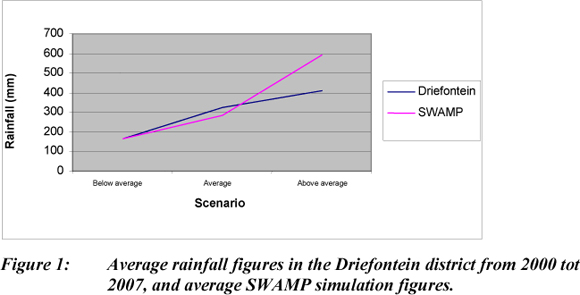
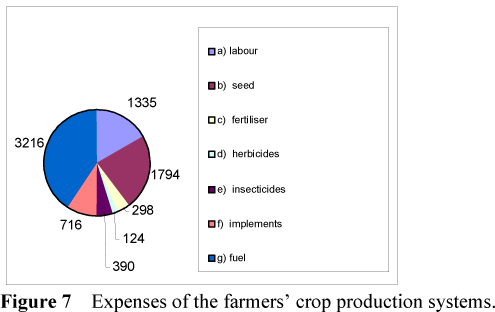
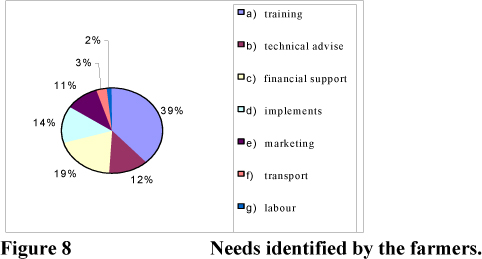
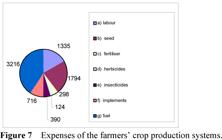
Different arguments about the viability of underdeveloped farmers are going around. Many researchers and stakeholders were involved in projects aimed at improving the underdeveloped farmers' enterprises. Very few of the private or Government initiated projects paid any dividends to those involved. It appears that farmers lack the capability to incorporate the five components (biological viability, resources availability and viability, economic viability, social / community orientated viability and risk factors) necessary to manage a sustainable agribusiness. This study looks at present agricultural enterprises, the socio-economic components needed for a sustainable enterprise and how a sustainable enterprise should be managed by underdeveloped farmers. The study area was Driefontein which is situated in the north eastern part of the North West Province (25°55' E: 25° 45' S). The average yearly rainfall over the period 2000 to 2007 was 325 mm. Of the 218 respondents 27% is involved in animal husbandry and 42% is involved in crop production. The remaining 31% is subsistence farmers and/or are involved within the farming community. The 218 farmers produce a total of 18 t of maize, 20 t sorghum and 7 t sunflower on a total of ± 660ha, which proves the situation to be unsustainable according to the five pillars criteria for sustainable agriculture. The three input parameters representing the highest expenditure levels are fuel (R3 216), seed (R1 794) and labour (R1 335). Given the income they obtained from their crop production it is evident that the profit (per farmer) was R63 (maize), R235 (sorghum) and R64 (sunflower) per production season, respectively. The farmers indicated that the main reason for crop losses is drought, and to a minor extent damage caused by birds, stray animals, theft, diseases and pests. Damage caused by incompetency and monoculture practises are not considered a risk. However, if the potential farmers (semi-commercial and share croppers) receive training regarding sustainable agriculture, they will become accustomed to the complicacy regarding managing a sustainable agribusiness and can develop the needed skills necessary to manage a sustainable agribusiness.
Sustainable; subsistence; small scale; underdeveloped; commercial
 Thumbnail
 Thumbnail
 Thumbnail
 Thumbnail
 Thumbnail
 Thumbnail
 Thumbnail
 Thumbnail
 Thumbnail