Effectiveness of Extension Services in Addressing Climate Change Production Challenges of Crop Farmers in Southeast Nigeria
Abstract
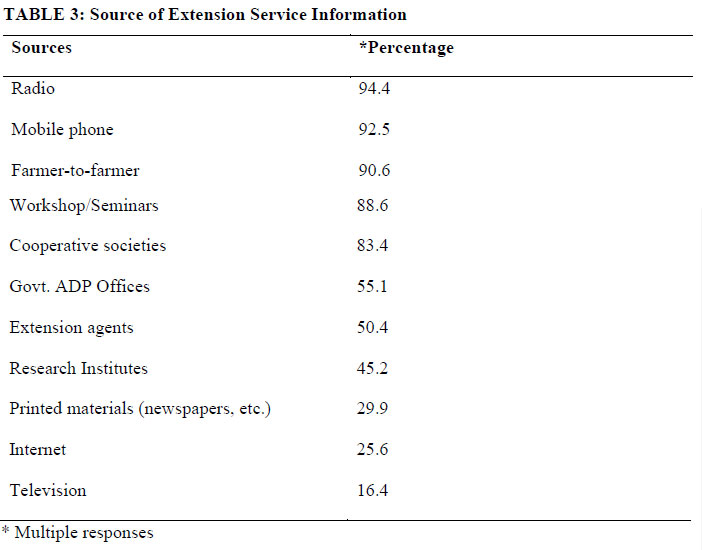
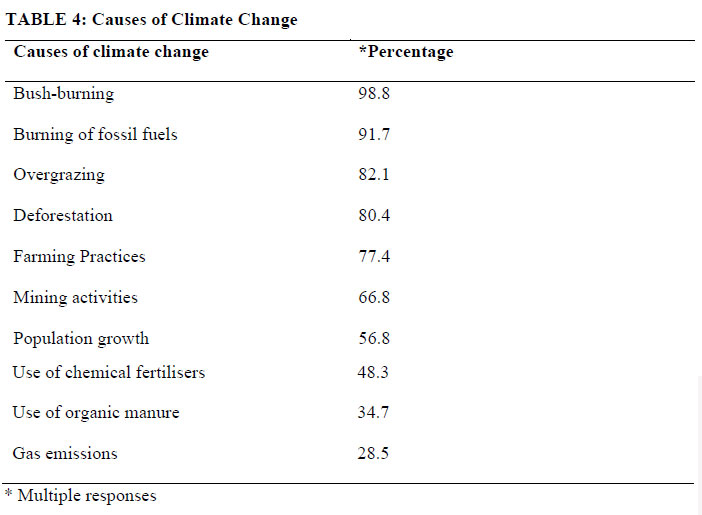
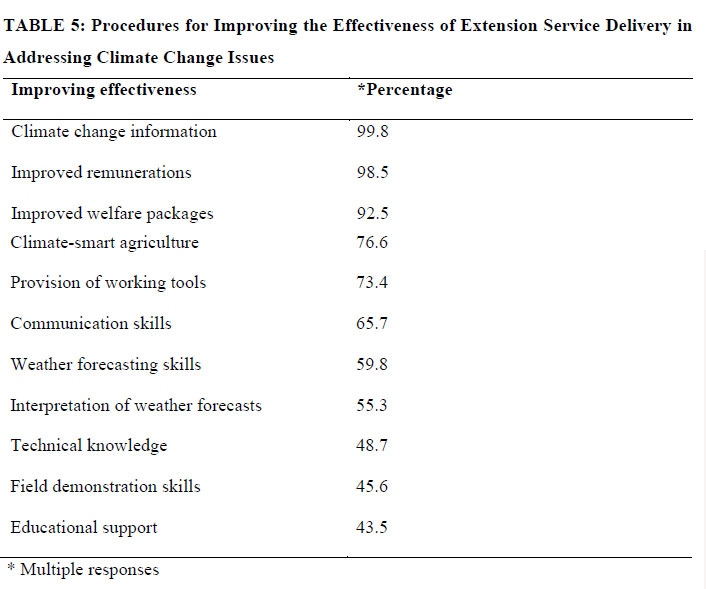
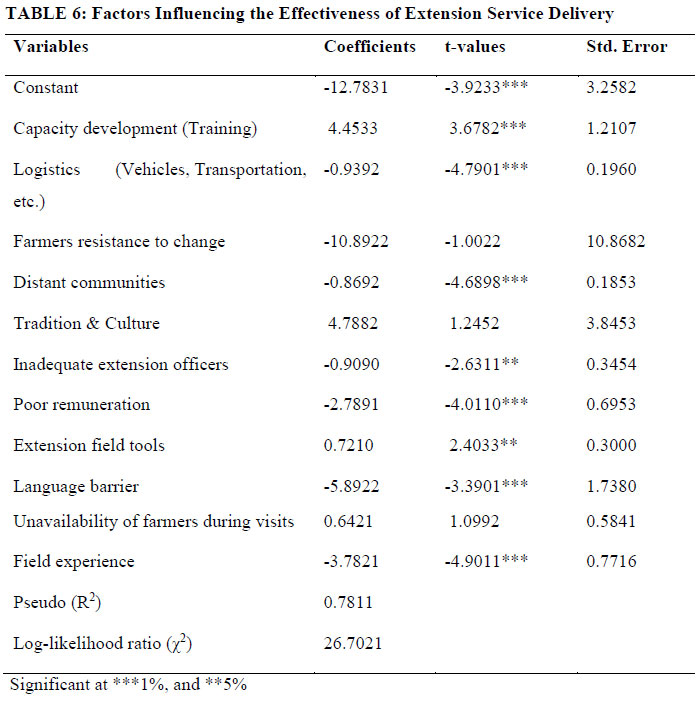
Existing studies in Southeast Nigeria have documented the effects of climate change on crop production and farmers' adaptation strategies; however, there is limited empirical evidence on the effectiveness of extension services in mitigating climate-induced production challenges among crop farmers. This research gap necessitated evaluating the effectiveness of extension services in addressing climate-related production challenges of crop farmers in Southeast Nigeria. A cross-sectional sample of 301 crop farmers was selected using a multistage sampling procedure. Data collected using a structured questionnaire were analysed using descriptive statistics and a probit regression model. The results show that the farmers sourced extension service information via radio (94.4%), mobile phones (92.5%), farmer-to-farmer (90.6%), and workshops/seminars (88.6%). Respondents attributed climate change primarily to bush burning (98.8%), fossil fuel use (91.7%), overgrazing (82.1%), and deforestation (80.4%). Training on climate change information (99.8%), improved remuneration (98.5%), and welfare packages (92.5%) were identified as medium-level interventions to improve the effectiveness of extension service delivery in mitigating climate change. Capacity development (P<0.01), logistics (P<0.01), distant communities (P<0.01), and inadequate extension officers (P<0.05) were significant factors influencing the efficiency of extension service delivery. In conclusion, capacity-building for extension agents is imperative. The study calls on the government and relevant stakeholders to reinforce extension service delivery in the region by investing in capacity-building, providing sustainable funding, and leveraging modern technology to fulfil their mandates.
Effectiveness; Extension Service; Climate Change; Production Challenges