The Role of Associative Mechanisms in Increasing Farmer Resilience to Natural Hazards
Abstract
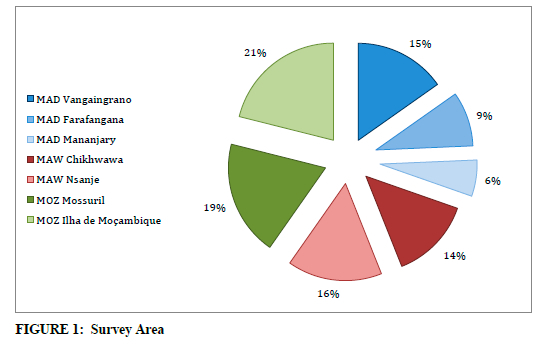
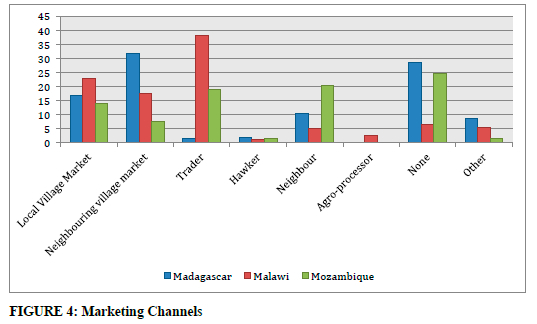
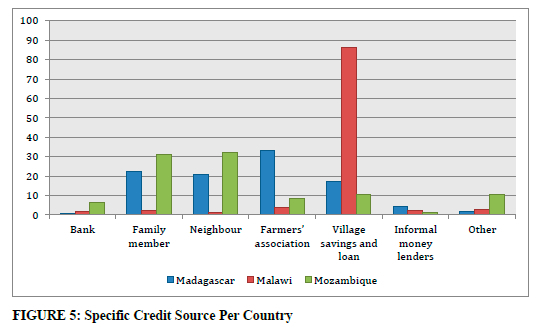
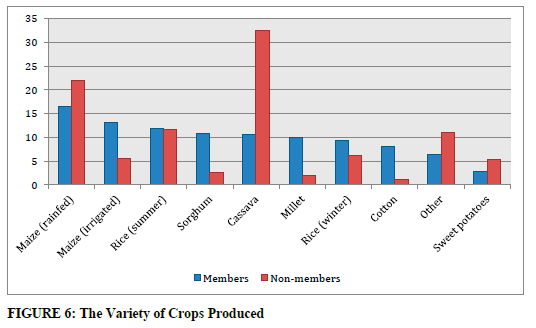
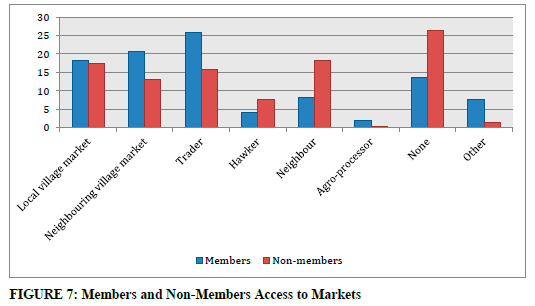
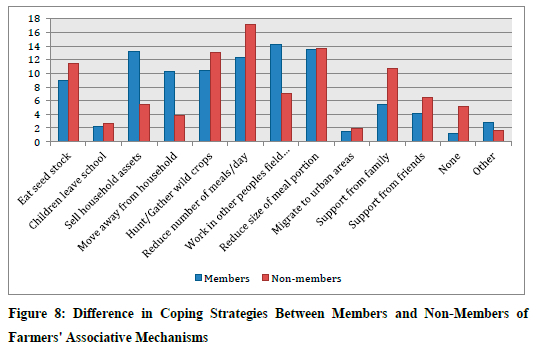
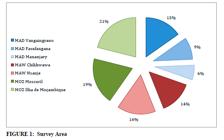
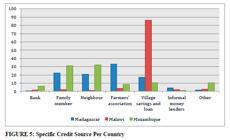
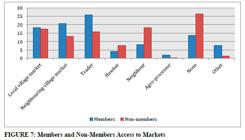
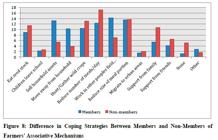
Associative mechanisms (such as cooperatives) offer various benefits to their members regarding financial advantages and risk management, providing access to skills and knowledge, strengthening communication and relationships, and offering members stronger negotiation and bargaining power. However, how membership to associative mechanisms contributes to small-scale farmers' resilience is not well documented. This article explores how associative mechanisms contribute to small-scale farmers' ability to absorb shocks, remain productive, and maintain their system's equilibrium. In total, 1110 respondents from seven Mozambique, Malawi and Madagascar districts were interviewed using a mixed assessment method. The data was analysed using a participant perspective. Various findings in the data showed that associative mechanisms benefit their members, including increased access to credit and more diverse market access, and enable members to employ less drastic coping strategies than non-members. The main recommendation is that farmers' associative mechanisms should be supported and guided to be internally driven and motivated mechanisms.
Resilience; Associative Mechanisms; Disaster Risk Reduction; Natural Hazards
 Thumbnail
 Thumbnail
 Thumbnail
 Thumbnail
 Thumbnail
 Thumbnail
 Thumbnail
 Thumbnail