Welfare Implications of Home Gardens Among Rural Households: Evidence from Ingquza Hill Local Municipality, South Africa
Abstract
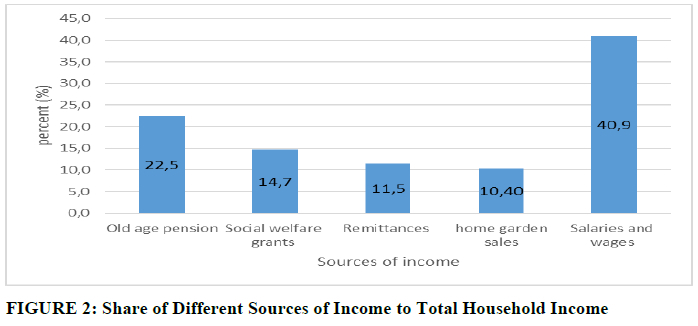
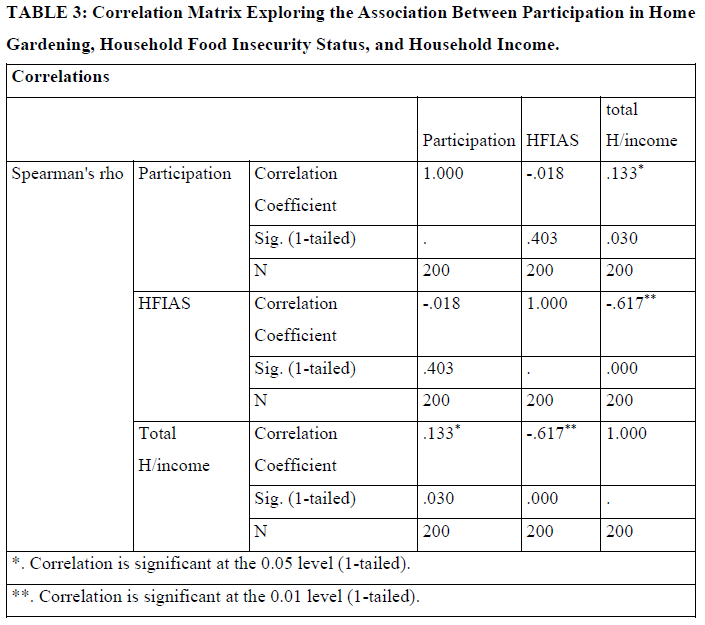
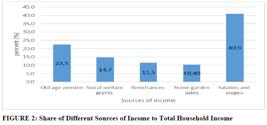
Food insecurity is widely recognised as a global issue that requires immediate attention using multifaceted approaches. There is a generalised consensus about the positive role of home gardens in improving household income and food security. However, there is limited empirical evidence to support the above nexus worth exploring to enhance evidence of based programming. Therefore, this study used cross-sectional survey data from Ingquza Hill local municipality in the Eastern Cape Province of South Africa (n = 200) to estimate the correlation between participation in home gardening, household food security, and household income. Results revealed that income from home garden sales was the least source of income for most households in the study area, contributing an average of 10.4% to total household income. An insignificant negative correlation was confirmed between home gardens and household food insecurity access score, suggesting that home gardens fall short of addressing household food security. A positive linear significant correlation was also confirmed between home garden participation and household income. The study concludes that home gardens designed for cash crop production may have a better food security premise than those intended for home food consumption and the sale of surplus.
Food security; Spearman's rho correlation; Household Food Insecurity Score; Income
 Thumbnail