Critical natural resources factors that promote the adoption of new In-Field Rainwater Harvesting (IRWH) by extensionist in Lambani, Limpopo Province
Abstract
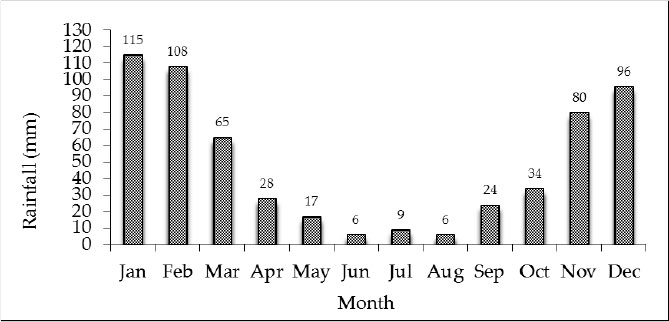
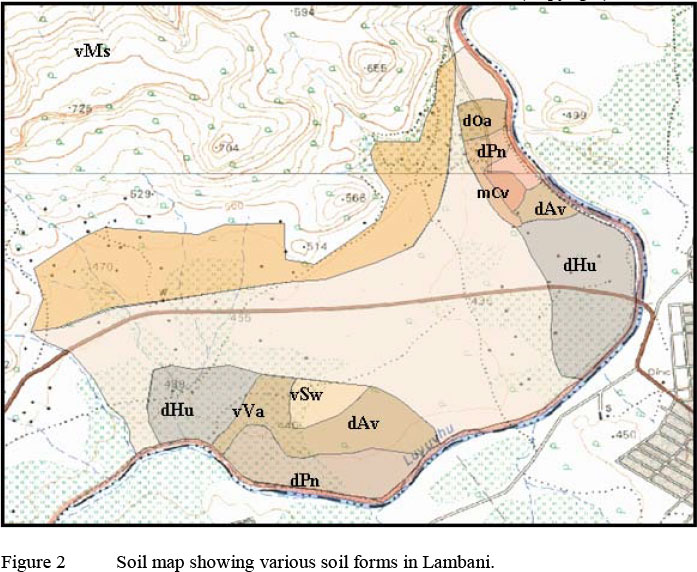
This paper describes natural resource factors in order to assist extension service with decision making and planning purposes in Lambani, a rural farming community in the Limpopo Province. The natural resource factors (soil, climate and rangeland) were described for implementation of Rainwater Harvesting and Conservation (RWH&C) techniques in Lambani. The long-term climate data was used to characterize the climate in the study area. An intensive-grid soil survey was conducted and the soils were described and classified according to South African Classification System. Climate results indicate that the low rainfall should be utilized effectively by making use of RWH&C techniques. The soil survey results showed that the area comprise of eight different (8) soil forms of which three (3) are not recommended for crop production. A soil map showing soils in this community was created and it is recommended that it should be used for land-use planning.
rainwater harvesting and conservation; climate description; soil description; rangeland description; extension
 Thumbnail
 Thumbnail