Socio-economic indicators influencing the adoption of hybrid Sorghum: The Sekhukhune District perspective
Abstract
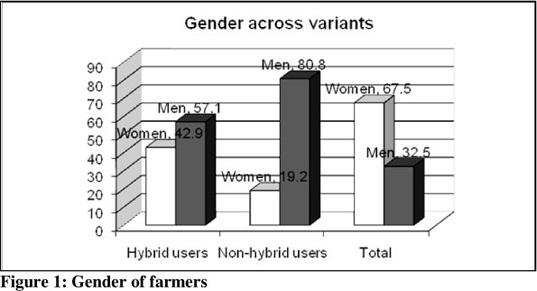
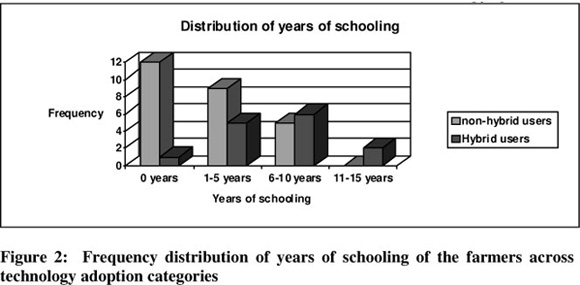
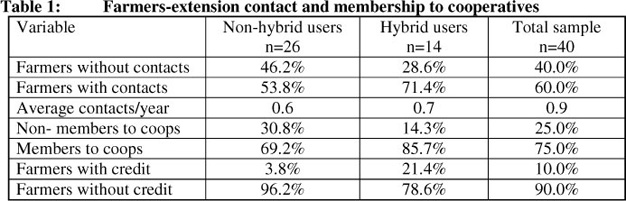
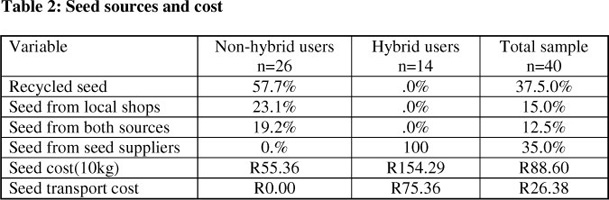
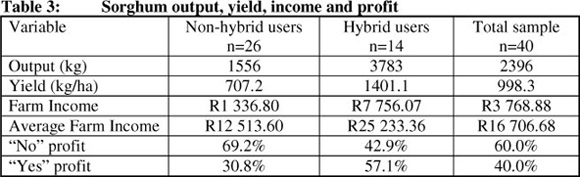
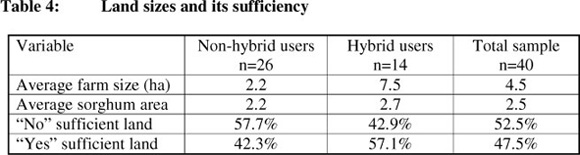
The study observed the poor use of hybrid sorghum cultivars by subsistence farmers. The project sought to establish which, if any, socio-economic factors influence the adoption of hybrid sorghum cultivars by this sector of the farming community. The focus was on Makhuduthamaga Municipality in Sekhukhune District of Limpopo Province in South Africa, and was confined to the sorghum belt situated around Lepellane catchments in Schoonoord area. The population of the study consisted of farmers that planted sorghum using either hybrid or non-hybrid sorghum cultivars. Non-probability quota sampling method was used with field interviews through structured questionnaire, to collect quantitative sets of data. The study found that there were socio-economic differences between the hybrid user and non-hybrid users. These factors included farmers' gender, level of literacy, access to extension service, membership to agricultural co-operatives, access to credit and inputs, sorghum output, farm income, access to farm land, and cultural influences.
Socio-economic indicators; Adoption; Hybrid; Sorghum; Sekhukhune District
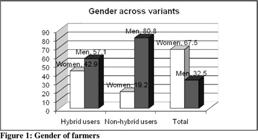 Thumbnail
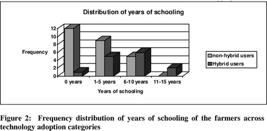 Thumbnail