Empowering Smallholder Farmers: Unveiling the Key Drivers of Climate Smart Agriculture Adoption Across Africa: A Systematic Review
Abstract
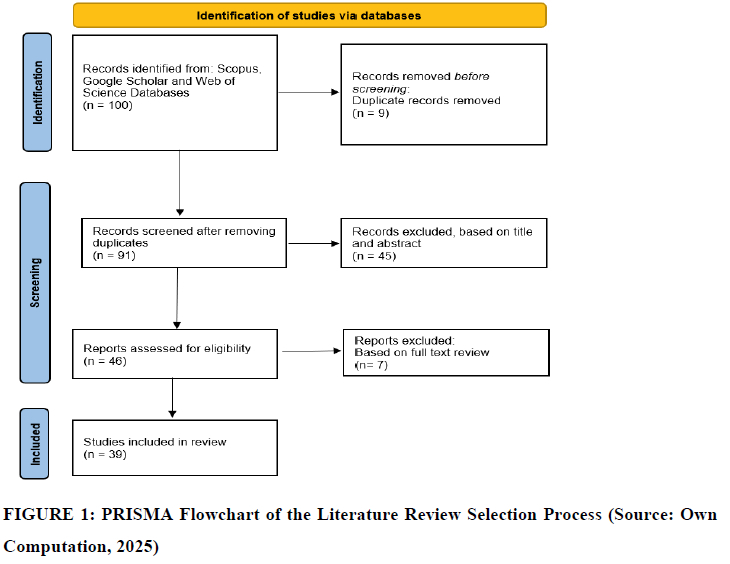
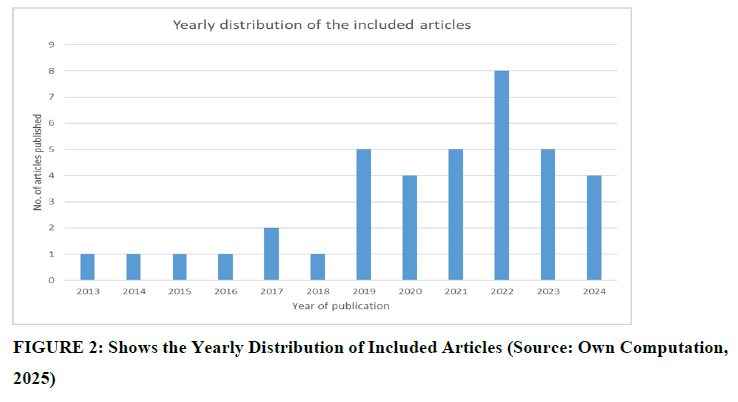
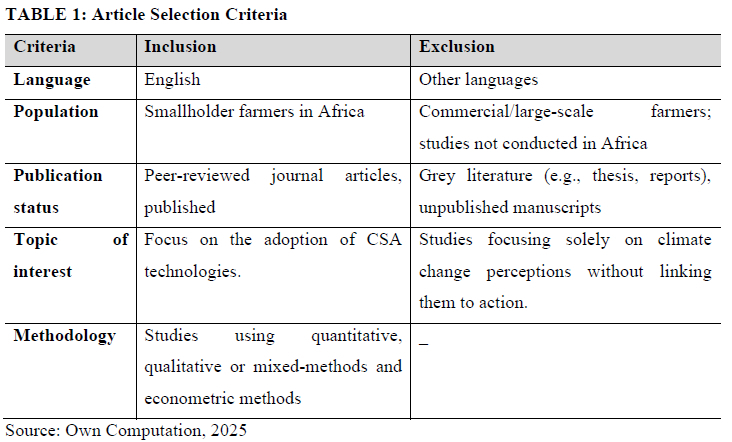
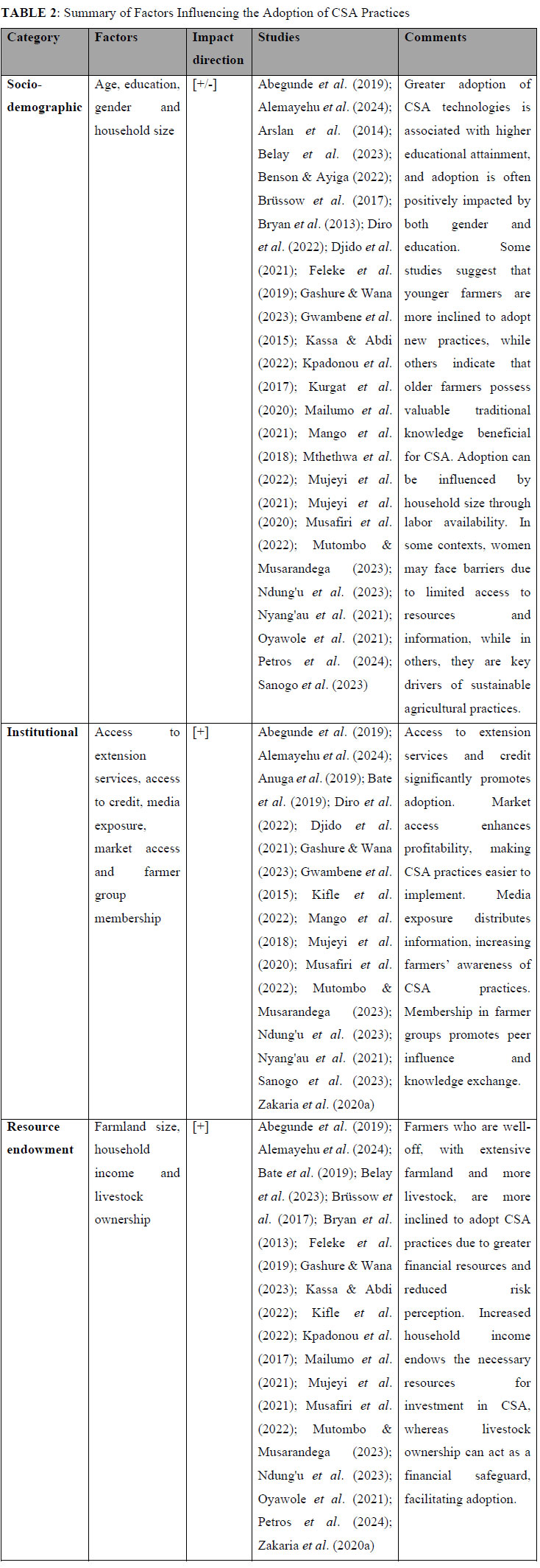
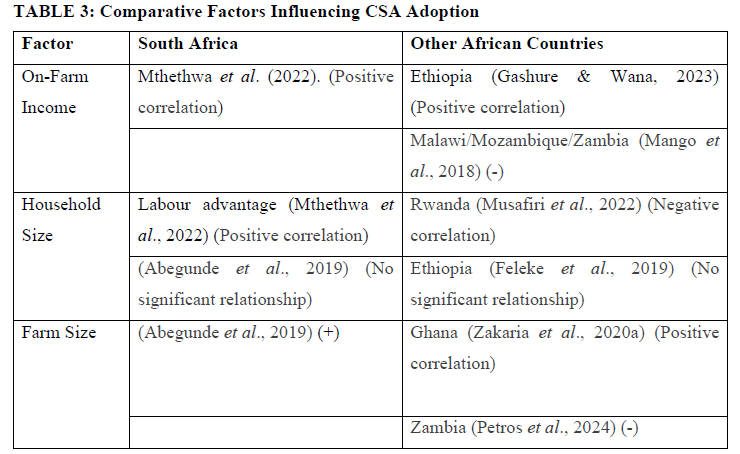
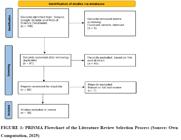
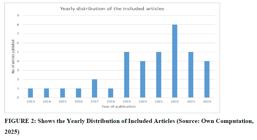
Climate change poses a serious threat to African agriculture, leading to food shortages; thus, the adoption of climate-smart agricultural (CSA) practices is crucial to ensuring food security and sustainability. However, smallholder farmers, particularly in Africa, have low adoption rates despite the potential benefits, such as higher yields, increased resilience and reduced input costs. This review aims to synthesise existing literature to identify key factors influencing CSA adoption among smallholder farmers, with an emphasis on gender disparities. This study conducted a systematic literature review following PRISMA guidelines, focusing only on peer-reviewed English-language articles and using keywords related to "climate-smart agriculture" (with/without hyphen) or "CSA" AND "smallholder farming/agriculture" OR "small-scale farmers" in titles, keywords, and abstracts. After screening and selection, 39 relevant studies published between 2013 and 2024 were included in the analysis. The review identified over 30 CSA practices, grouped into soil-based (e.g., zero/minimum tillage), crop-based (e.g., crop rotation), and water-based (e.g., irrigation), alongside adoption factors categorised as socio-demographic, institutional, and resource endowment. The findings indicate that factors such as age, gender, education, household size, farm size, income, access to credit, and livestock ownership have mixed effects on CSA adoption, reflecting geographic, practice-specific and cultural variations. In contrast, access to extension services, media exposure, market access, and membership in farmer groups consistently enhance adoption. Notably, many studies report lower adoption rates among female farmers, often linked to structural barriers such as limited land rights and access to inputs. These insights highlight key patterns in CSA adoption and provide a basis for gender-sensitive policy approaches. By providing evidence-based insights, this review can inform targeted extension programs, enabling interventions to promote CSA adoption and address gender disparities among African smallholder farmers.
Adoption; Agricultural Policies; Climate Change; Empowering Farmers; Extension Services; Gender-Sensitive Approaches
 Thumbnail
 Thumbnail