Wool Versus Mutton: Enterprise Budgets from Survey Data for the Karoo and the Effects of Drought on Profitability
Abstract
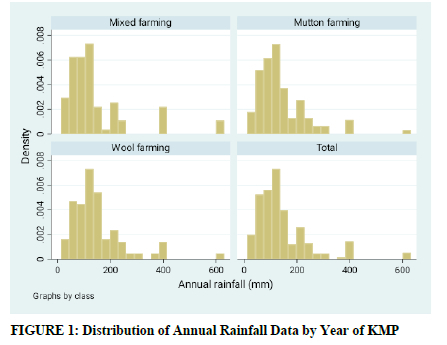
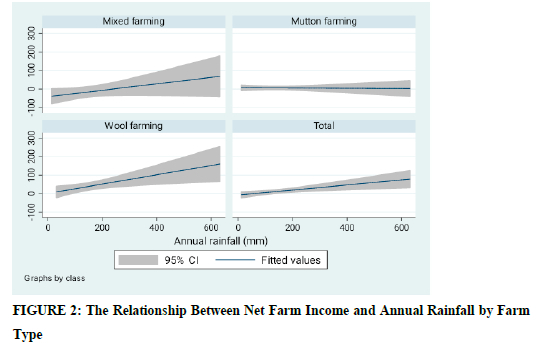
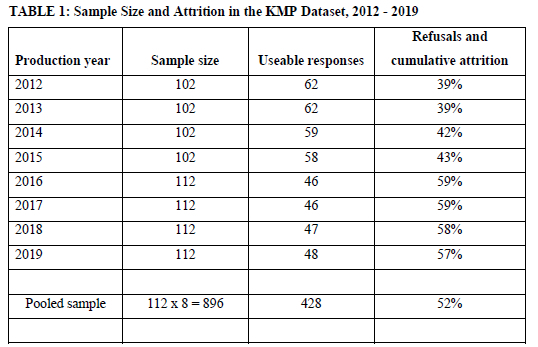
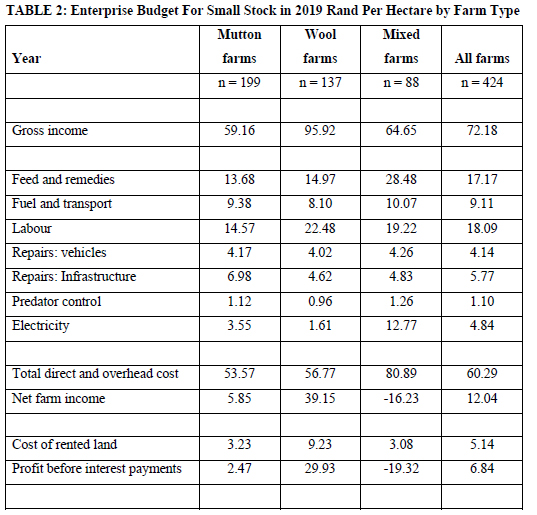
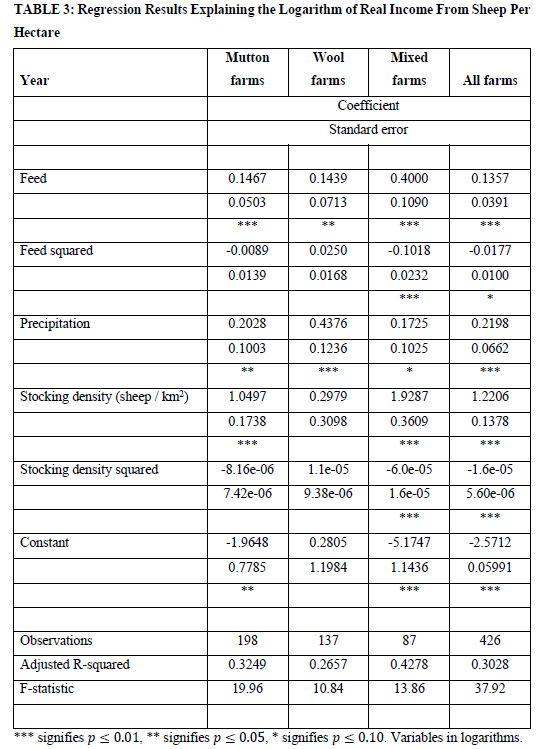
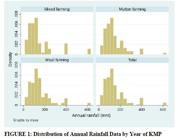
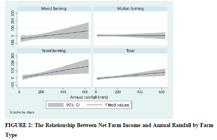
The study assesses the profitability of Karoo farms. It develops an enterprise wool and mutton production budgetfrom eight years of survey data collectedfrom 73 farms. Costs are presented in constant 2019 Rand so that data from various years can be pooled. According to income composition, farms were classified into mutton, wool or mixed mutton-wool operations. Mutton and mixed farms run similar-sized flocks on similar-sizedproperties, while wool farms operate larger flocks on more land. Mutton producers stock their land 15% less densely than wool or mixed farms, which use the same stocking density. At R80.89 per hectare, the small stock enterprise on mixedfarms is approximately 40% more expensive to operate than the unit cost of production on mutton or wool farms, which are similar. Wool farms generate the best per-hectare incomes, 48% higher than the unit income of livestock on mixedfarms and 62% higher than the per-hectare income on mutton farms. Netfarm income is presented and discussed, and profitability is related to rainfall.
Enterprise Budgets; Net Farm Income; Small Stock Production; Karoo Food Systems
 Thumbnail
 Thumbnail
 Thumbnail