Cardiopulmonary resuscitation training, knowledge and basic life support practice among church laypersons in Johannesburg, South Africa
Abstract
BACKGROUND: Out-of-hospital cardiac arrest (OHCA) is the most common cause of death globally, and therefore it is a serious public health issue. The chance of survival is increased when bystander cardiopulmonary resuscitation (CPR) is incorporated into the OHCA chain of survival. The aim is to determine if there is an association between exposure to CPR training and basic life support (BLS) practice among laypersons in a church community. METHODS: At a church community in Braamfontein, South Africa, a quantitative analytical cross-sectional study of the congregation was carried out using convenience sampling. Data were collected using a structured questionnaire, and descriptive and bivariate analyses were conducted. RESULTS: Only 14.6% of respondents had received CPR training. Cardiopulmonary resuscitation training was significantly associated with the ability to effectively open the airway (p = 0.001), perform mouth-to-mouth respiration (p = 0.001), perform chest compression (p = 0.013), perform both mouth-to-mouth ventilation and chest compression (p = 0.001), perform CPR effectively (p = 0.003) and willingness to learn CPR (p = 0.029). CONCLUSION: Although the church laypersons' knowledge of CPR was poor, participants with prior CPR training reported being better at performing a variety of CPR techniques. With about one-fourth of respondents reporting having witnessed a cardiac arrest, it is important to proactively investigate and put into practice various forms of layperson CPR training as a strategy to ensure the laypeople are equipped to help increase the survival rates of OHCA. CONTRIBUTION: The study enhances our understanding of how CPR training among laypersons in the church can increase their willingness to administer BLS and identifies churches as key locations for community CPR capacity building.
basic life support; cardiac arrest; cardiopulmonary resuscitation; church attendees; CPR knowledge; out-of-hospital cardiac arrest; resuscitation training; South Africa
Introduction
Sudden unexpected cardiac arrest (CA) is a medical emergency that needs to be recognised and managed quickly to increase the chances of survival.12,32,45678,9
After an OHCA, bystanders significantly improve both survival and neurological outcomes. The metaphorical 'chain of survival' connects a number of basic life support (BLS) procedures that, when carried out quickly after a cardiac arrest (CA), may have the most impact on mortality reduction. The first link in the chain of survival is 'prearrival care', which is defined as basic first responder interventions carried out by onlookers prior to the arrival of qualified emergency medical personnel.1011,121314
The rate of bystander CPR application is still low, despite the overwhelming data supporting its critical necessity.1516,17618
Life-threatening emergencies can occur anywhere, at any moment. Lack of confidence and expertise could lead to inaction, which could have disastrous effects and possibly even legal ramifications.19117,20,21,22,23,244,10,23,2510,19,26,2724
Some researchers have investigated how the general public views and practices BLS. According to a Jordanian study, most participants were eager to do CPR on family members, but their main worry was that they might make a mistake.109,14
A variety of tactics, including mass training, media use and video self-instruction, have been used as educational methods to reach a large number of laypeople and enhance their psychomotor abilities and understanding of BLS.810
Research methods and design
Study design
This study adopted a quantitative analytical cross-sectional survey design and was carried out over a 4-month period, from 06 December 2020 to 28 March 2021. Data were collected from each respondent at one point in time. The use of this design is appropriate for this study as it allowed the researchers to test hypotheses and establish relationships between variables.
Setting
The study was carried out at a church community in Braamfontein, Johannesburg, South Africa. The site was chosen as it consists of worshippers from various locations in Johannesburg as well as people from diverse backgrounds, including the universities in Johannesburg. This diversity made the church community an ideal place to assess the association between exposure to CPR training and the practice of BLS among laypersons.
Sample size
The minimum sample size was determined using the Kish Leslie (1965) formula, with a standard normal deviate of 1.96 at the 95% confidence level, an estimated adequate knowledge of 20%,28p = 0.20, q = 0.80 and a margin of error of 0.05. The calculated sample size was 246. After adjusting for a 10% non-response rate, the sample size was increased to 270. However, 300 respondents were approached.
Study population and sampling strategy
Eligible respondents were adult worshippers aged 18 years old and older who were present and approachable immediately after Sunday Mass services at 07:30, 09:30 and 18:00. Exclusion criteria included medical or paramedical personnel and health sciences students to focus on lay members without professional BLS training. Convenience sampling was used as it prioritised feasibility in a church setting where random sampling frames (e.g. parish registers) were unavailable and rapid post-mass dispersal limited structured approaches. Researchers stationed at the church exit approached every eligible worshipper who was willing to participate during the data collection period until the target was met. Of the 300 worshippers approached, 220 (73.3%) consented and completed questionnaires (response rate: 73.3%), with non-respondents primarily citing time constraints and lack of interest. Although convenience sampling limits generalisation beyond the church population, the high response rate, consistent recruitment across multiple mass services and a focused setting enhance internal validity for context-specific insights.
Data collection
Data were collected through self-administered, closed-ended paper questionnaires distributed immediately after Mass in a quiet area adjacent to the church exit. The pastor informed the church members about the study, and then eligible worshippers were approached at the church premises and were given an informed consent form and a detailed explanation about the nature of the study. Researchers provided brief instructions, answered questions and retrieved completed questionnaires on-site to minimise loss. The questionnaire assessed demographic information, respondents' knowledge, attitude and practice of BLS. Some questions were adapted from two previously validated questionnaires,29,3021
Measurement of variables
Knowledge of CPR was assessed using two items that measured respondents' understanding of the meaning of CPR and when CPR should be administered. Training on CPR was measured using a dichotomous item by asking respondents whether they had received CPR training. Responses were coded as 'Yes' or 'No' and were used in the analysis to classify respondents as CPR trained and CPR untrained, respectively.
Data analysis
Completed questionnaires were manually entered into Microsoft Excel and imported into Stata Version 18 (Stata Corp LLC, College Station, Texas, United States). Descriptive and bivariate analyses were conducted. The sociodemographic variables were described using percentages for categorical variables and mean ± standard deviation (s.d.) for continuous variables. Bar graphs and pie charts were used to illustrate categorical variables. The participants were characterised and compared according to the detection of CA, their comprehension of practical CPR techniques and their BLS skills, stratified by prior CPR training using Pearson's chi-squared and Fisher's exact tests when applicable. A two-sided p-value of less than 0.05 was considered statistically significant.
Ethical considerations
An application for full ethical approval was made to theHuman Research Ethics Committee (Medical), University of the Witwatersrand and ethics consent was received on 05 June 2020. The ethics approval number is M200538 MED-20-04-118. Prior to the distribution of the questionnaire, written informed consent was obtained. Those involved were assured of anonymity, voluntary withdrawal at any time and data confidentiality. No incentives were offered.
Results
The data from 205 participants were analysed, excluding 15 incomplete questionnaires. The participants' average age was 36.6 ± 12.6, with most being below 40 years old − 128 (62.4%). Half of the participants were female (n = 104; 50.7%), making the cohort equally divided between the sexes. Of the participants, 101 (49.3%) were single, and 181 (88.3%) of the participants had completed education higher than primary school (Table 1).
Knowledge of CPR and AED among participants with and without previous CPR training
Table 2 highlights the participants' knowledge of CPR and AED based on previous CPR training. Among respondents who had received CPR training, approximately eight in 10 (80.9%) did not know the meaning of the term CPR. Among respondents who had received CPR training, knowledge of when to administer CPR was as follows: Loss of consciousness (61.5%), gasping and not breathing (55.1%), not moving (17.6%), no response to a call (63.9%) and no response to touch (66.3%). Knowledge of AEDs was low, with only 26.8% of participants having heard of an AED. Similarly, only 11.7% reported having heard of it but not having seen it, and thought it was a device to support breathing, while only 11.2% correctly identified it as a device used to restore a normal heart rhythm during CA. Cardiopulmonary resuscitation-trained respondents were slightly more knowledgeable about the assessment of an AED. Previous training on CPR was significantly associated with knowing when to give someone CPR when there is no movement (p = 0.014) and no response to a call (p = 0.005). No significant associations were observed between previous CPR training and other CPR and AED knowledge variables.
CPR ability
Table 3 displays the participants' responses about their perceived capacity to administer CPR. Most participants said they were capable of performing chest compressions (80% of those trained in CPR versus 56% of those untrained). Also, 56.7% of the CPR-trained participants and 10.9% of the CPR-untrained participants reported that they could effectively open the airways. Furthermore, 76.7% of CPR-trained respondents and 25.1% of CPR-untrained respondents indicated that they could perform mouth-to-mouth ventilation. Eighty per cent of CPR-trained participants and 26.3% of CPR-untrained participants stated that they could perform both mouth-to-mouth ventilation and chest compression. Additionally, 50% of CPR-trained respondents were confident in their ability to perform CPR effectively. Many of the participants said they would be willing to learn CPR. Ability to effectively open the airway (p = 0.001), perform ventilation from mouth to mouth (p = 0.001), perform chest compression (p = 0.013), do both chest compression and ventilation from mouth to mouth (p = 0.001), perform CPR effectively (p = 0.003), and willingness to learn CPR (p = 0.029) were significantly associated with CPR training.
CPR training status
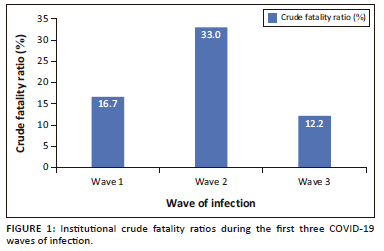
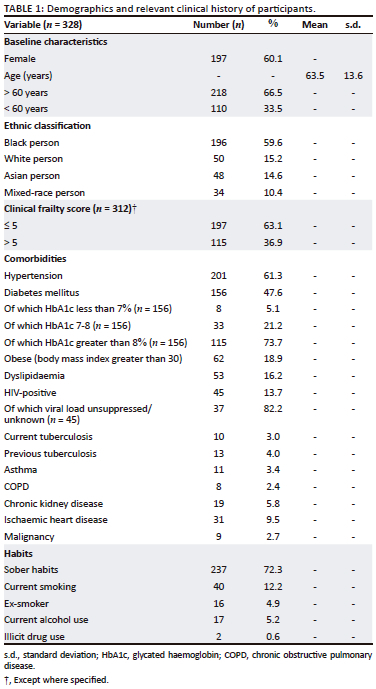
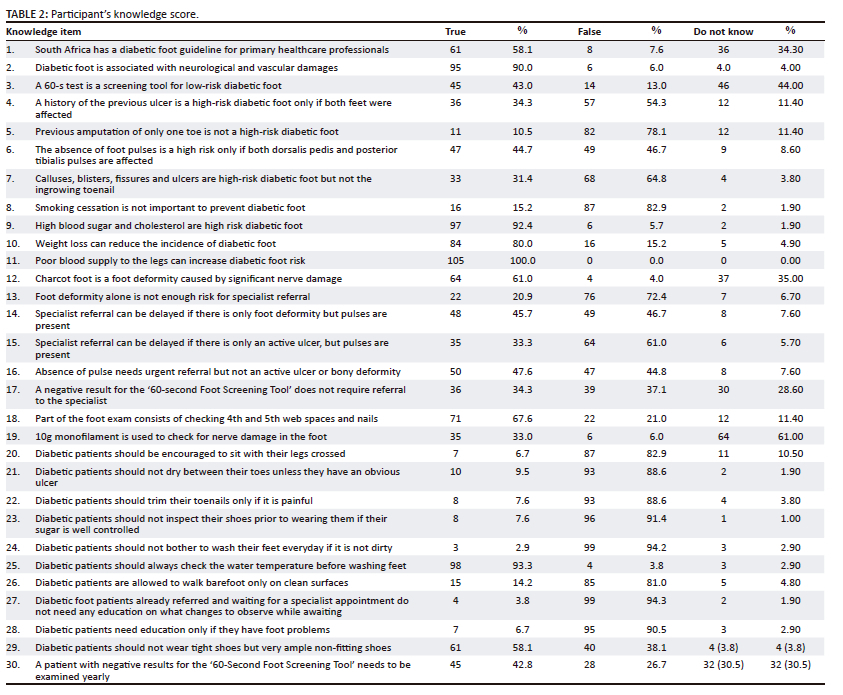
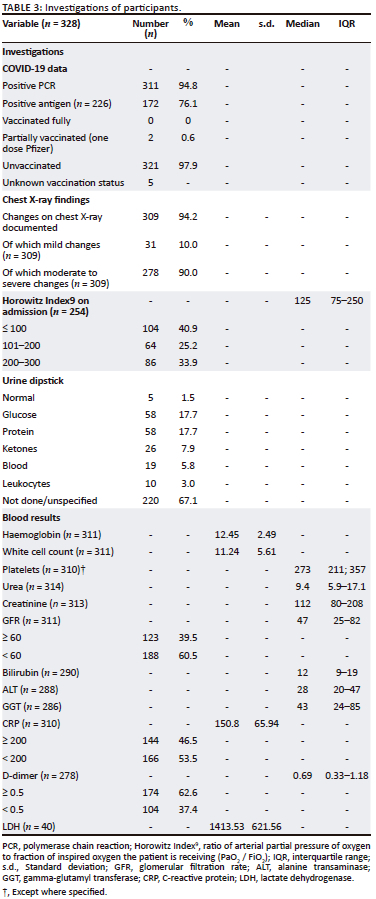
The percentage of participants who had received CPR training is displayed in Figure 1. Of the participants, about 30 (14.6%) had received prior CPR training.
CPR training and having witnessed a cardiac arrest
Figure 2 displays the proportion of respondents who had been present at a CA. Thirteen (43.3%) of those trained and 80 (45.7%) of the CPR-untrained participants reported having witnessed a CA.
Participants' concerns regarding CPR
Fear of committing an error, contracting a communicable disease, and harming organs were the top three fears when conducting CPR on strangers and family members or relatives, in that order (Figure 3).
Discussion
There is a significant chance of saving lives if a greater percentage of the community has adequate CPR knowledge, skills, and training because OHCA is primarily witnessed by bystanders. The study assessed the effect of participants' previous CPR training on knowledge of CPR and AED, perceived ability to perform CPR, attitudes towards CPR and the reasons behind not performing it.
Less than a quarter (14.6%) of individuals had received prior CPR training, according to the study; Ojifinni et al. reported a lower proportion (8.9%) in a study conducted among student-teachers in a tertiary institution in South Africa.241720212227
Laypeople must be able to do efficient, rapid CPR after successfully identifying a person in CA. Despite the fact that over half (59.5%) of the participants claimed to be capable of doing chest compressions appropriately, less than a quarter of the respondents reported being able to perform CPR effectively. Practical CPR skills understanding was really low in this study. Nonetheless, those who had received CPR training were noticeably more informed than those who had not, a result consistent with previous research.21,273132
Creating a care system that could reduce mortality and enhance OHCA outcomes requires knowledge of the attitudes and barriers to performing rapid CPR, given the crucial role bystander CPR plays in OHCA survival. Compared to another study, a significant proportion of respondents (four in every ten) reported having seen abrupt CA. There is a strong need to enhance laypeople's CPR knowledge and abilities through high-quality training so they can respond to OHCA in light of this finding and another Johannesburg study that also found a high rate of observed OHCA.1820,21,24,3320,21,342413,1724
Almost three-quarters of the respondents had never heard of an AED, and a minimal number had seen it and also knew what it is used for. Nevertheless, the results of this investigation do not support a previous study which found that 97% of participants correctly identified the defibrillator as a device that is able to save the patient's life using an electric shock.3535
Implications of the study
The study shows that lay churchgoers have substantial gaps in their BLS knowledge, attitudes and practices, with untrained lay believers having poorer competence. These results suggest that, given high church attendance, BLS education should focus on faith-based communities. Church programmes that incorporate BLS training could improve community readiness for cardiac emergencies, decreasing bystander hesitancy and increasing survival rates.
Strengths and limitations
Limitations of this study include the use of a cross-sectional design, a single-site setting, convenience sampling, self-reporting data collection and response bias. Given that the study was only done in one location, the results of the study can only be used with caution when generalising. Also, while the questionnaires used in this research were based on two previously validated instruments, the reliability of the test was never established. The number of participants in the study was lower than the intended number of 270, with only 220 people consenting to participate. This may have reduced statistical power to detect some association, and the findings should be interpreted with this consideration. One of the strengths of the study is that there was involvement of a heterogeneous church group consisting of individuals from different backgrounds within Johannesburg. The study offers valuable data at the community level regarding CPR training and BLS practice by laypersons.
Conclusion
Given that one-fourth of the respondents had witnessed a CA and considering the significance of CPR in OHCA, the study participants' limited knowledge is concerning. However, compared to individuals without prior CPR training, participants who had received such training reported being better at performing different CPR techniques. The results indicate that there is a need for increasing CPR training and education among laypersons in church communities, as previous CPR training was associated with better self-reported BLS practice. It is encouraging that participants were willing to be trained, which provides an opportunity to explore the most effective and efficient modes of training for layperson CPR in South Africa. Further research is needed to identify the best strategy to ensure the lay populace is equipped to help increase the survival rates of OHCA and ensure more AEDs are placed in public places.
Competing interests
The authors, Michael Ibanbeteliehe Ihwo, Martin Botha, Veronica Akwenabuaye Undelikwo and Sunday Oladapo Sofola-Orukota, declare that they have no financial or personal relationships that may have inappropriately influenced them in writing this article.
CRediT authorship contribution
Michael Ibanbeteliehe Ihwo: Conceptualisation, Data curation, Investigation, Methodology, Project administration, Resources, Validation, Visualisation, Writing - original draft, Writing - review & editing. Martin Botha: Supervision, Writing - review & editing. Veronica Akwenabuaye Undelikwo: Formal analysis, Validation, Visualisation, Writing - original draft, Writing - review & editing. Sunday Oladapo Sofola-Orukotan: Supervision, Writing - review & editing. All authors reviewed the article, contributed to the discussion of results, approved the final version for submission and publication, and take responsibility for the integrity of its findings.
Funding information
The authors received no financial support for the research, authorship and/or publication of this article.
Data availability
The data that support the findings of this study are not openly available and are available from the corresponding author, Veronica A. Undelikwo, upon reasonable request.
Disclaimer
The views and opinions expressed in this article are those of the authors and are the product of professional research. They do not necessarily reflect the official policy or position of any affiliated institution, funder, agency or that of the publisher. The authors are responsible for this article's results, findings and content.
Acknowledgements
This article is based on research originally conducted as part of Michael Ibanbeteliehe Ihwo's master's dissertation titled 'Evaluation of knowledge, attitudes and practice of BLS among laypersons', submitted to the Faculty of Health Sciences, Division of Emergency Medicine, University of the Witwatersrand in 2022. The dissertation was supervised by Martin Botha and Sunday Oladapo Sofola-Orukotan. The dissertation was reworked, revised and adapted into a journal article for publication. The original dissertation is available at https://www.proquest.com/openview/1b8a808a54abe021061adb6e1f7c19dd/1?pq-origsite=gscholar&cbl=2026366&diss=y.
References
-
1.Arjyal B, Rajbanshi LK, Khanal K, Bajracharya A. Knowledge and awareness of basic life support among medical staffs of Birat Medical College and Teaching Hospital. Birat J Health Sci. 2019;4(1):666-670. https://doi.org/10.3126/bjhs.v4i1.23949
» https://doi.org/10.3126/bjhs.v4i1.23949 -
2.Gräsner J-T, Herlitz J, Tjelmeland IBM, et al. European resuscitation council guidelines 2021: Epidemiology of cardiac arrest in Europe. Resuscitation. 2021;161:61-79. https://doi.org/10.1016/j.resuscitation.2021.02.007
» https://doi.org/10.1016/j.resuscitation.2021.02.007 -
3.Benjamin EJ, Muntner P, Alonso A, et al. Heart disease and stroke statistics - 2019 update: A report from the American Heart Association. Circulation. 2019;139(10):e56-e528. https://doi.org/10.1161/CIR.0000000000000659
» https://doi.org/10.1161/CIR.0000000000000659 -
4.Yu Y, Meng Q, Munot S, et al. Assessment of community interventions for bystander cardiopulmonary resuscitation in out-of-hospital cardiac arrest: A systematic review and meta-analysis. JAMA Netw Open. 2020;3(7):e209256. https://doi.org/10.1001/jamanetworkopen.2020.9256
» https://doi.org/10.1001/jamanetworkopen.2020.9256 -
5.Yuyun MF, Sliwa K, Kengne AP, Mocumbi AO, Bukhman G. Cardiovascular diseases in sub-Saharan Africa compared to high-income countries: An epidemiological perspective. Glob Heart. 2020;15(1):15. https://doi.org/10.5334/gh.403
» https://doi.org/10.5334/gh.403 -
6.Bonny A, Ngantcha M, Saka C, Pouth CN, Amougou SN. 0235: Incidence of sudden cardiac death in sub-Saharan Africa: The DoualaSCD registry. Arch Cardiovasc Dis Suppl. 2016;8(1):95-98. https://doi.org/10.1016/S1878-6480(16)30280-4
» https://doi.org/10.1016/S1878-6480(16)30280-4 - 7.Statistics South Africa. Mortality and causes of death in South Africa, 2016: Findings from death notification. Statistical release P0309.3. Pretoria: Statistics Africa; 2018
-
8.Prakaschandra DR, Esterhuizen TM, Motala AA, Gathiram P, Naidoo DP. High prevalence of cardiovascular risk factors in Durban South African Indians: The Phoenix lifestyle project. S Afr Med J. 2016;106(3):284-289. https://doi.org/10.7196/SAMJ.2016.v106i3.9837
» https://doi.org/10.7196/SAMJ.2016.v106i3.9837 - 9.Gradidge PJ, Constantinou DE, Fiddes JU, Hoosain MU, Williams ME. Sudden cardiac arrest risk profiling of urban Johannesburg footballers. S Afr J Phys Health Edu Recreat Dance. (Supplement 2) 2012:247-254.
-
10.Brady WJ, Mattu A, Slovis CM. Lay responder care for an adult with out-of-hospital cardiac arrest. N Engl J Med. 2019;381(23):2242-2251. https://doi.org/10.1056/NEJMra1802529
» https://doi.org/10.1056/NEJMra1802529 -
11.Rajan S, Wissenberg M, Folke F, et al. Association of bystander cardiopulmonary resuscitation and survival according to ambulance response times after out-of-hospital cardiac arrest. Circulation. 2016;134(25):2095-2104. https://doi.org/10.1161/CIRCULATIONAHA.116.024400
» https://doi.org/10.1161/CIRCULATIONAHA.116.024400 -
12.Sondergaard KB, Wissenberg M, Gerds TA, et al. Bystander cardiopulmonary resuscitation and long-term outcomes in out-of-hospital cardiac arrest according to location of arrest. Eur Heart J. 2019;40(3):309-318. https://doi.org/10.1093/eurheartj/ehy687
» https://doi.org/10.1093/eurheartj/ehy687 -
13.Pivac S, Gradisek P, Skela-Savic B. The impact of cardiopulmonary resuscitation (CPR) training on schoolchildren and their CPR knowledge, attitudes toward CPR, and willingness to help others and to perform CPR: Mixed methods research design. BMC Public Health. 2020:20(1):915. https://doi.org/10.1186/s12889-020-09072-y
» https://doi.org/10.1186/s12889-020-09072-y - 14.Khan JA, Shafquat A, Kundi A. Basic life support skills: Assessment and education of spouse and first degree relatives of patients with coronary disease. J Coll Physicians Surg Pak. 2010;20(5):299-302.
-
15.Merchant RM, Topjian AA, Panchal AR, et al. Part 1: Executive summary: 2020 American heart association guidelines for cardiopulmonary resuscitation and emergency cardiovascular care. Circulation. 2020;142(16_suppl_2):S337-S357. https://doi.org/10.1161/CIR.0000000000000918
» https://doi.org/10.1161/CIR.0000000000000918 -
16.Nielsen AM, Isbye DL, Lippert FK, Rasmussen LS. Can mass education and a television campaign change the attitudes towards cardiopulmonary resuscitation in a rural community? Scand J Trauma Resusc Emerg Med. 2013;21(1):39. https://doi.org/10.1186/1757-7241-21-39
» https://doi.org/10.1186/1757-7241-21-39 -
17.Jiang Y, Wu B, Long L, Li J, Jin X. Attitudes and willingness toward out-of-hospital cardiopulmonary resuscitation: A questionnaire study among the public trained online in China. BMJ Open. 2020;10(10):e038712. https://doi.org/10.1136/bmjopen-2020-038712
» https://doi.org/10.1136/bmjopen-2020-038712 -
18.Stein C. Out-of-hospital cardiac arrest cases in Johannesburg, South Africa: A first glimpse of short-term outcomes from a paramedic clinical learning database. Emerg Med J. 2009;26(9):670-674. https://doi.org/10.1136/emj.2008.066084
» https://doi.org/10.1136/emj.2008.066084 -
19.Subki AH, Mortada HH, Alsallum MS, et al. Basic life support knowledge among a nonmedical population in Jeddah, Saudi Arabia: Cross-sectional study. Interact J Med Res. 2018;7(2):e10428. https://doi.org/10.2196/10428
» https://doi.org/10.2196/10428 -
20.Birkun A, Kosova Y. Social attitude and willingness to attend cardiopulmonary resuscitation training and perform resuscitation in the Crimea. World J Emerg Med. 2018;9(4):237-248. https://doi.org/10.5847/wjem.j.1920-8642.2018.04.001
» https://doi.org/10.5847/wjem.j.1920-8642.2018.04.001 -
21.Jarrah S, Judeh M, AbuRuz ME. Evaluation of public awareness, knowledge and attitudes towards basic life support: A cross-sectional study. BMC Emerg Med. 2018;18(1):37. https://doi.org/10.1186/s12873-018-0190-5
» https://doi.org/10.1186/s12873-018-0190-5 - 22.Larsen P, Pearson J, Galletly D. Knowledge and attitudes towards cardiopulmonary resuscitation in the community. N Z Med J. 2004;117(1193):U870.
-
23.Ma A, Wong K, Tou A, Vyas L, Wilks J. CPR knowledge and attitudes among high school students aged 15-16 in Hong Kong. Hong Kong J Emerg Med. 2015;22(1):3-13. https://doi.org/10.1177/102490791502200101
» https://doi.org/10.1177/102490791502200101 -
24.Ojifinni K, Motara F, Laher AE. Knowledge, attitudes and perceptions regarding basic life support among teachers in training. Cureus. 2019;11(12):e6302. https://doi.org/10.7759/cureus.6302
» https://doi.org/10.7759/cureus.6302 -
25.Atkins DL. Bystander CPR: How to best increase the numbers. Resuscitation. 2012;83(9):1049-1050. https://doi.org/10.1016/j.resuscitation.2012.06.005
» https://doi.org/10.1016/j.resuscitation.2012.06.005 - 26.Go AS, Mozaffarian D, Roger VL, et al. Heart disease and stroke statistics - 2013 update: A report from the American Heart Association. Circulation. 2013:127(1):e6-e245.
-
27.Rajapakse R, Noc M, Kersnik J. Public knowledge of cardiopulmonary resuscitation in Republic of Slovenia. Wien Klin Wochenschr. 2010;122(23-24):667-672. https://doi.org/10.1007/s00508-010-1489-8
» https://doi.org/10.1007/s00508-010-1489-8 - 28.Zaayman H. A description of the knowledge and attitude towards bystanders CPR amongst participants in a community outreach initiative in Cape Town [Doctoral Dissertation]. Stellenbosch: Stellenbosch University; 2020.
-
29.Aaberg AMR, Larsen CEB, Rasmussen BS, Hansen CM, Larsen JM. Basic life support knowledge, self-reported skills and fears in Danish High School students and effect of a single 45-min training session run by junior doctors; a prospective cohort study. Scand J Trauma Resusc Emerg Med. 2014;22(1):24. https://doi.org/10.1186/1757-7241-22-24
» https://doi.org/10.1186/1757-7241-22-24 -
30.Pergola AM, Araujo IEM. Laypeople and basic life support. Rev Esc Enferm USP. 2009;43(2):334-341. https://doi.org/10.1590/S0080-62342009000200012
» https://doi.org/10.1590/S0080-62342009000200012 -
31.Lund-Kordahl I, Mathiassen M, Melau J, Olasveengen TM, Sunde K, Fredriksen K. Relationship between level of CPR training, self-reported skills, and actual manikin test performance - An observational study. Int J Emerg Med. 2019;12(1):2. https://doi.org/10.1186/s12245-018-0220-9
» https://doi.org/10.1186/s12245-018-0220-9 -
32.Meissner TM, Kloppe C, Hanefeld C. Basic life support skills of high school students before and after cardiopulmonary resuscitation training: A longitudinal investigation. Scand J Trauma Resusc Emerg Med. 2012;20(1):31. https://doi.org/10.1186/1757-7241-20-31
» https://doi.org/10.1186/1757-7241-20-31 -
33.Chung S, Chung H, Lee H. Selection of target age for school education in cardiopulmonary resuscitation. Ann Emerg Med. 2007;50(3):S16. https://doi.org/10.1016/j.annemergmed.2007.06.079
» https://doi.org/10.1016/j.annemergmed.2007.06.079 -
34.Ricco M, Berrone M, Vezzosi L, et al. Factors influencing the willingness to perform bystander cardiopulmonary resuscitation on the workplace: A study from North-Eastern Italy. Acta Biomed. 2020;91(4):e2020180. https://doi.org/10.23750/abm.v91i4.8593
» https://doi.org/10.23750/abm.v91i4.8593 -
35.Krammel M, Schnaubelt S, Weidenauer D, et al. Gender and age-specific aspects of awareness and knowledge in basic life support. PLoS One. 2018;13(6):e0198918. https://doi.org/10.1371/journal.pone.0198918
» https://doi.org/10.1371/journal.pone.0198918

Accepted: 11 Aug. 2026
Published: 06 Oct. 2026