Examining the effect of exposure time on the erosive potential of sour candy
Abstract
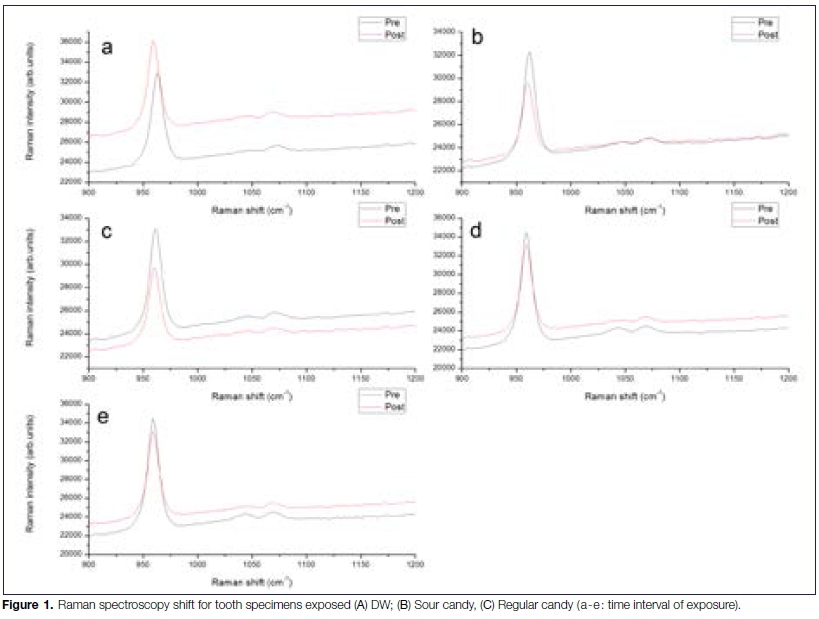
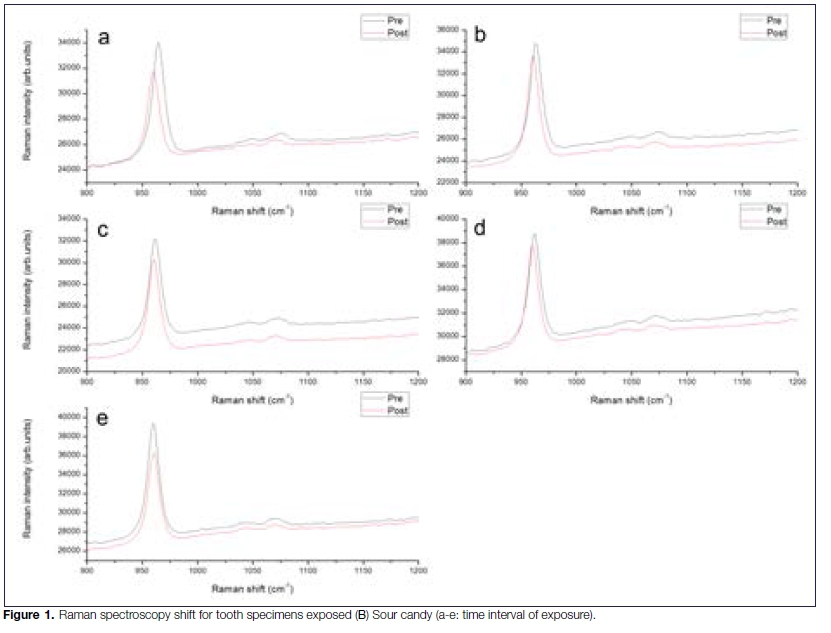
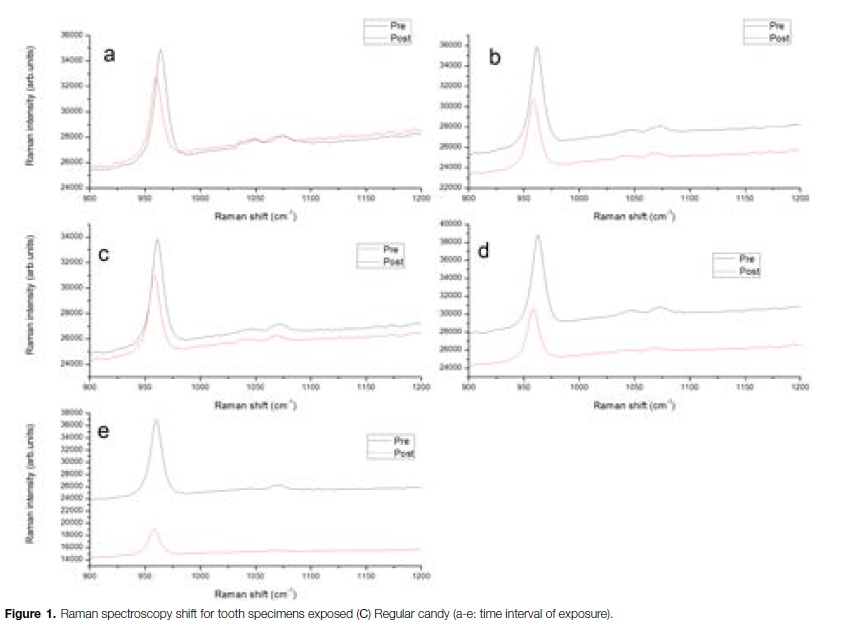
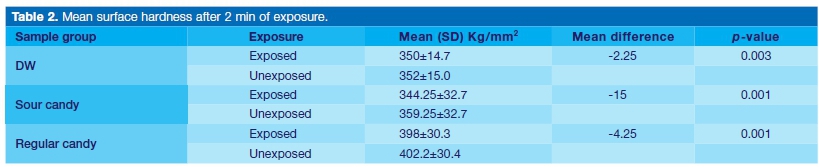
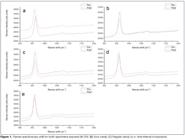
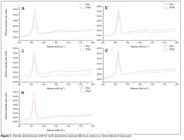
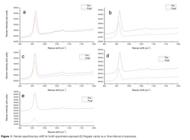
AIM: This study aimed to evaluate the erosive potential of sour candy at a different time of exposure within a laboratory-based setting. MATERIALS AND METHODS: Fifty human anterior tooth samples were randomly assigned into three groups, namely: sour candy, regular candy A, and deionized water (n=15). Each tooth samples was exposed to a solution containing the sample groups at different time intervals. Vickers hardness tester was used to measure the surface hardness pre- and postexposure. The mean surface hardness value measured was compared using a paired sample test (α = .05). Raman spec-troscopy was used to study the change in the enamel structure in all sample groups. RESULTS: A significant difference in the surface hardness value was measured pre and post-exposure in all the sample groups (P<0.01). The samples exposed to sour candy had the highest tooth surface loss. In terms of the time of exposure, it was found that prolonged exposure had a significant effect on the surface hardness (P<0.01). The Raman intensity change confirmed that samples exposed to sour candy, after 2hrs of exposure, had the highest loss of structural integrity. CONCLUSION: The study conclude that sour candies are very erosive and its impact enhances with time.
Acids; erosion; tooth enamel; sour candy
 Thumbnail
 Thumbnail
 Thumbnail