Evaluation of Canine retraction rate in adult orthodontic patients using miniscrew-facilitated micro-osteoperforation: A split-mouth randomized clinical study
Abstract
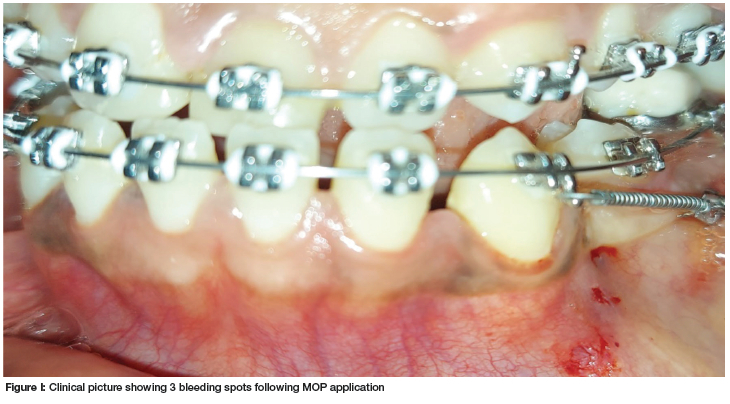
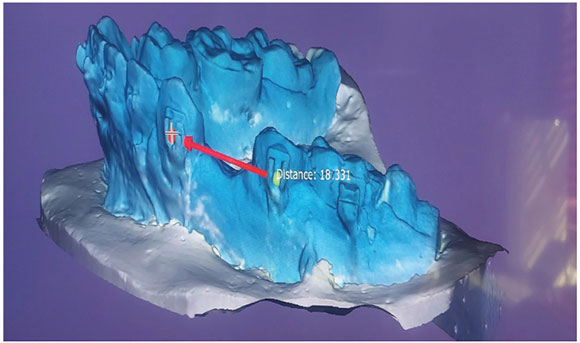
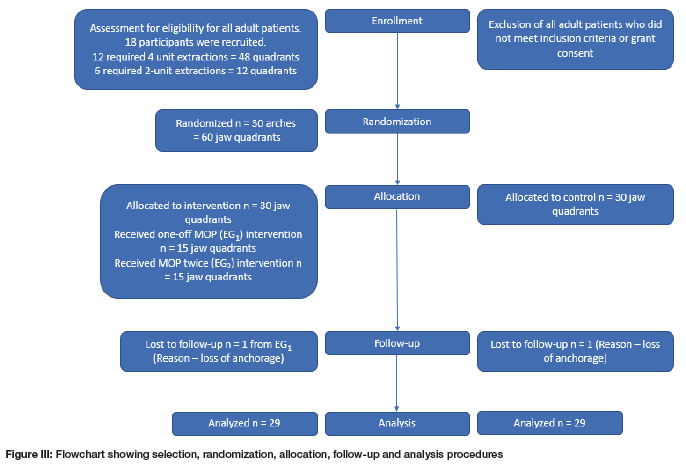
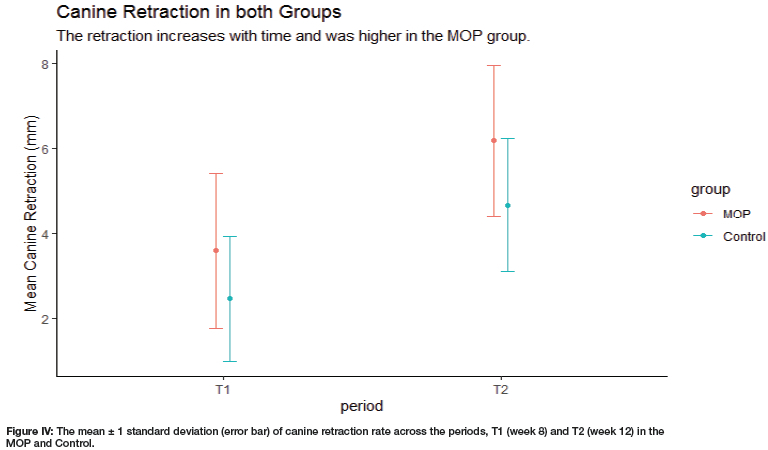
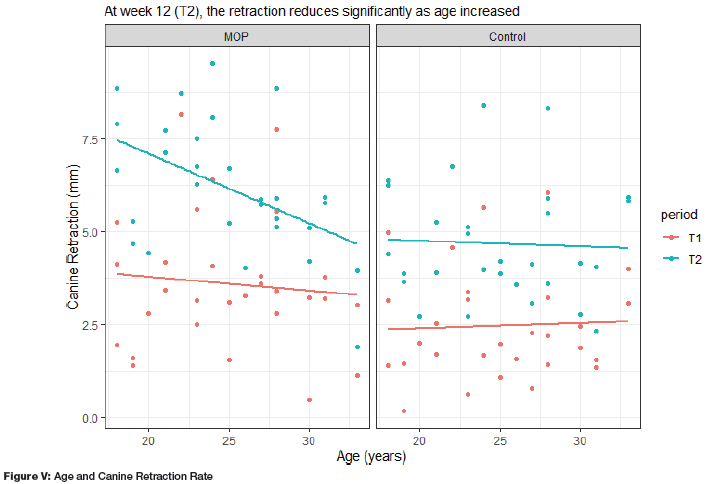
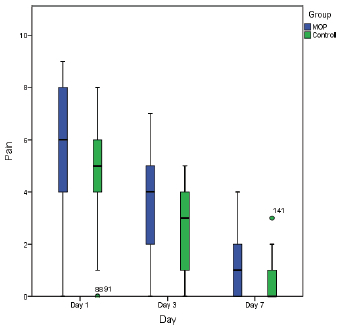
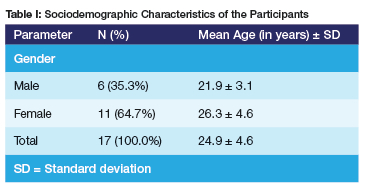
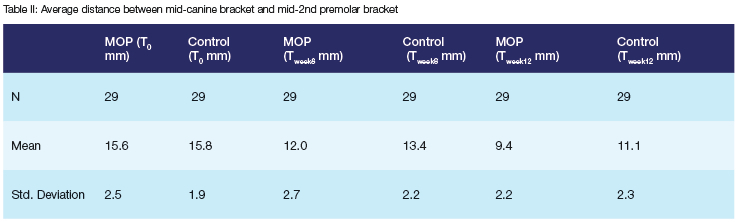
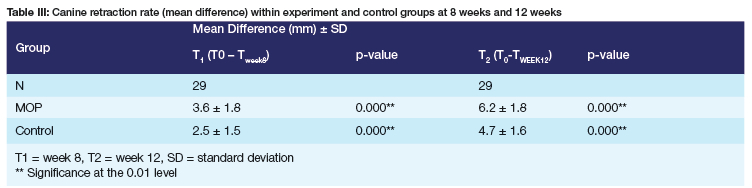
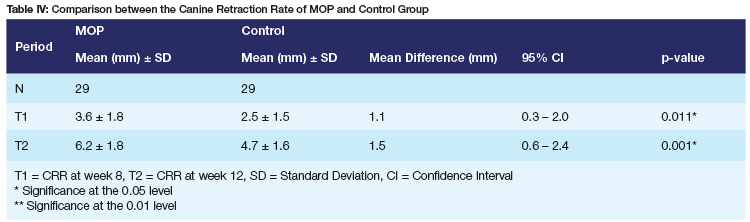
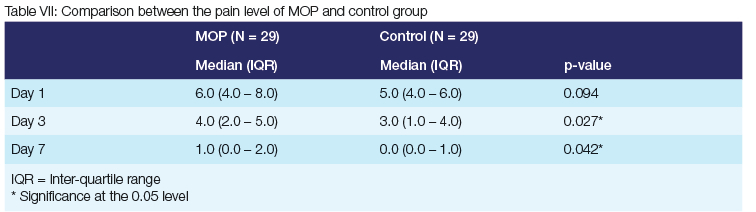
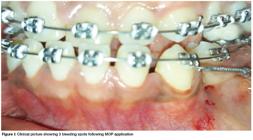
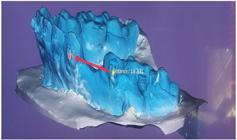
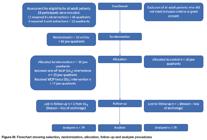
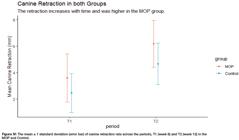
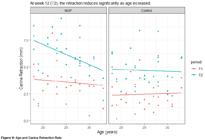
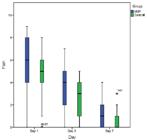
INTRODUCTION: Canine Retraction Rate (CRR) using NiTi closed coil springs may be enhanced by miniscrew-facilitated osteoperforation (MOP). AIMS AND OBJECTIVES: To determine whether MOP significantly accelerates CRR in adults undergoing bilateral first premolar extraction and to evaluate short-term pain levels post-procedure. STUDY DESIGN: A split-mouth randomised controlled trial with 17 participants (Mean age: 24.9 ± 4.6 years; 64.7% females). Randomisation was performed per arch with concealed allocation. METHODS: On the experimental side, three vertical perforations were created on the buccal cortical plate using a 6 mm × 1.5 mm miniscrew. A 9 mm NiTi closed coil spring delivering 150 g of force facilitated canine retraction. CRR was measured at weeks 1, 8, and 12, and pain levels were assessed at 24 hours, 3-, and 7-days post-MOP using the Wong-Baker FACES Pain Scale. RESULTS: The MOP group showed higher mean CRRs (3.6 ± 1.8 mm at week 8, 6.2 ± 1.8 mm at week 12) compared to the control group (2.5 ± 1.5 mm at week 8, 4.7 ± 1.6 mm at week 12). Pain levels at days 3 and 7 post-MOP were significantly higher in the MOP group (p = 0.027 and p = 0.042). CONCLUSION: MOP significantly accelerates canine retraction but increases short-term pain levels.
Canine Retraction Rate; Miniscrew-facilitated Micro-osteoperforation; Split-mouth Study; Orthodontic Tooth Movement; Accelerated Orthodontics
 Thumbnail
 Thumbnail
 Thumbnail
 Thumbnail
 Thumbnail
 Thumbnail