Accuracy of acetate overlays in bite mark comparison: How accurate is an ideal bite pattern?
Abstract
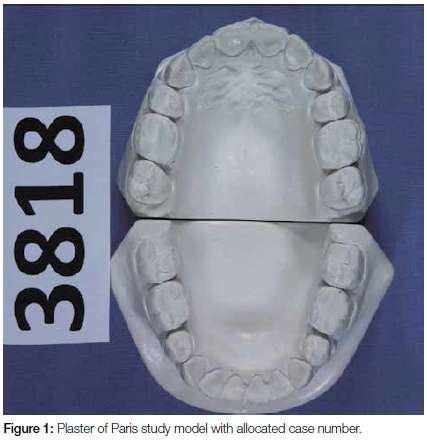
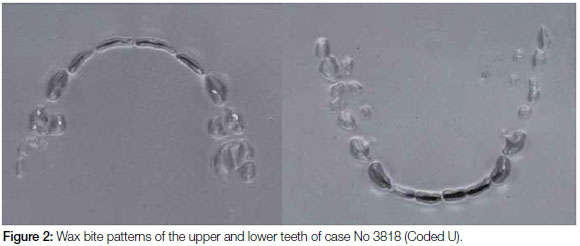
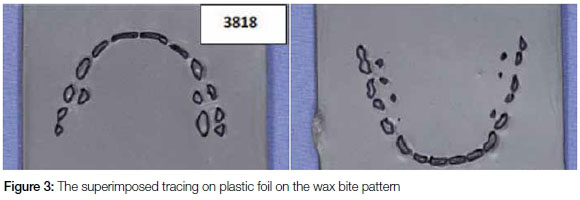
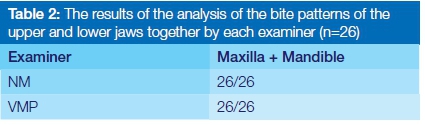
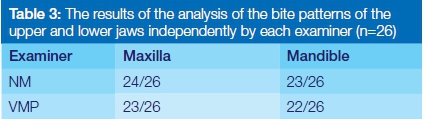
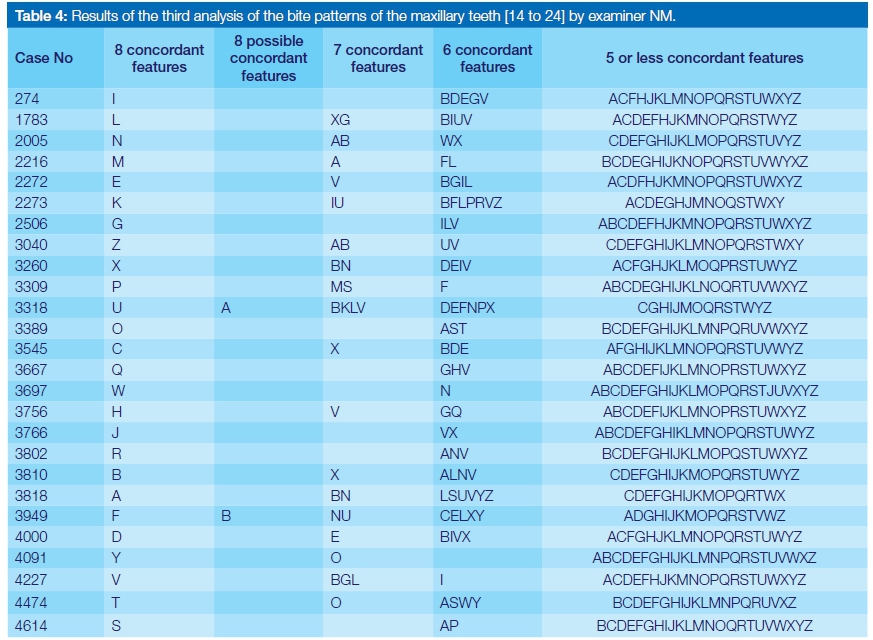
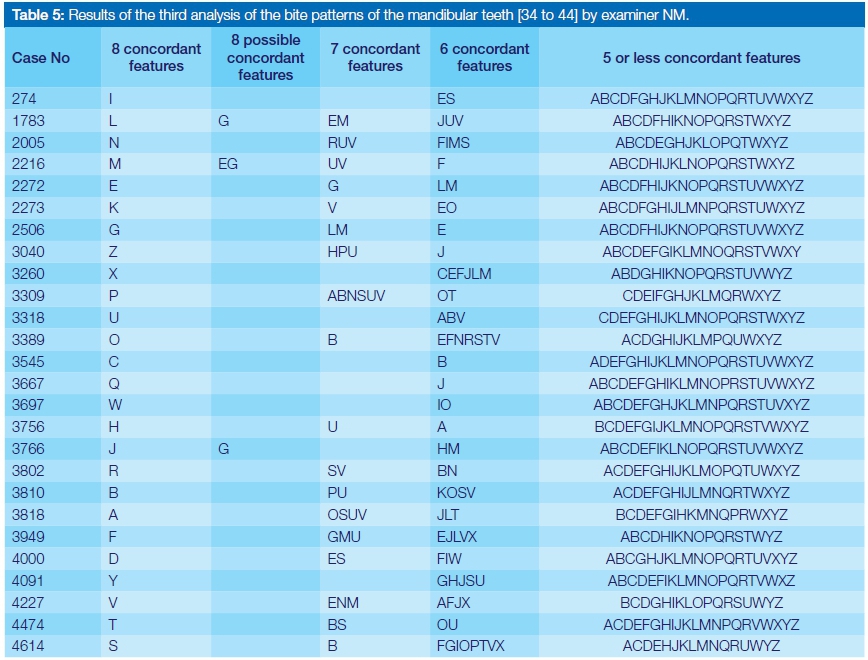
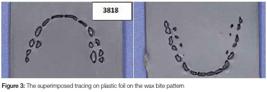
Forensically, a bite mark on human skin is reliant on the matching of the alignment and position of the dentition of the perpetrator with the bruise pattern inflicted by the bite. If there is more than one suspect, the bite pattern of each suspect needs to be analysed. At least hypothetically, a bite delivered by a person who has had orthodontic treatment will result in a bruise pattern of an ideal arrangement of the teeth. If there are two suspects, both of whom have had orthodontic treatment, could that "ideal" alignment compromise identification of the perpetrator of the bite mark? AIM: To determine the accuracy of an ideal bite pattern and whether an exact match could be obtained when comparing acetate overlays with bite patterns registered in wax of treated orthodontic cases. METHOD: The biting patterns of upper and lower teeth of each of the study models were recorded in grey bite registration wax (Alminax®). Two examiners viewed the bite mark patterns and correlated them with the study models. RESULT: In some cases an exact match between the teeth of the plaster model and the bite mark was not possible.
 Thumbnail
 Thumbnail
 Thumbnail