Oral diseases associated with human herpes viruses: Aetiology, clinical features, diagnosis and management
Abstract
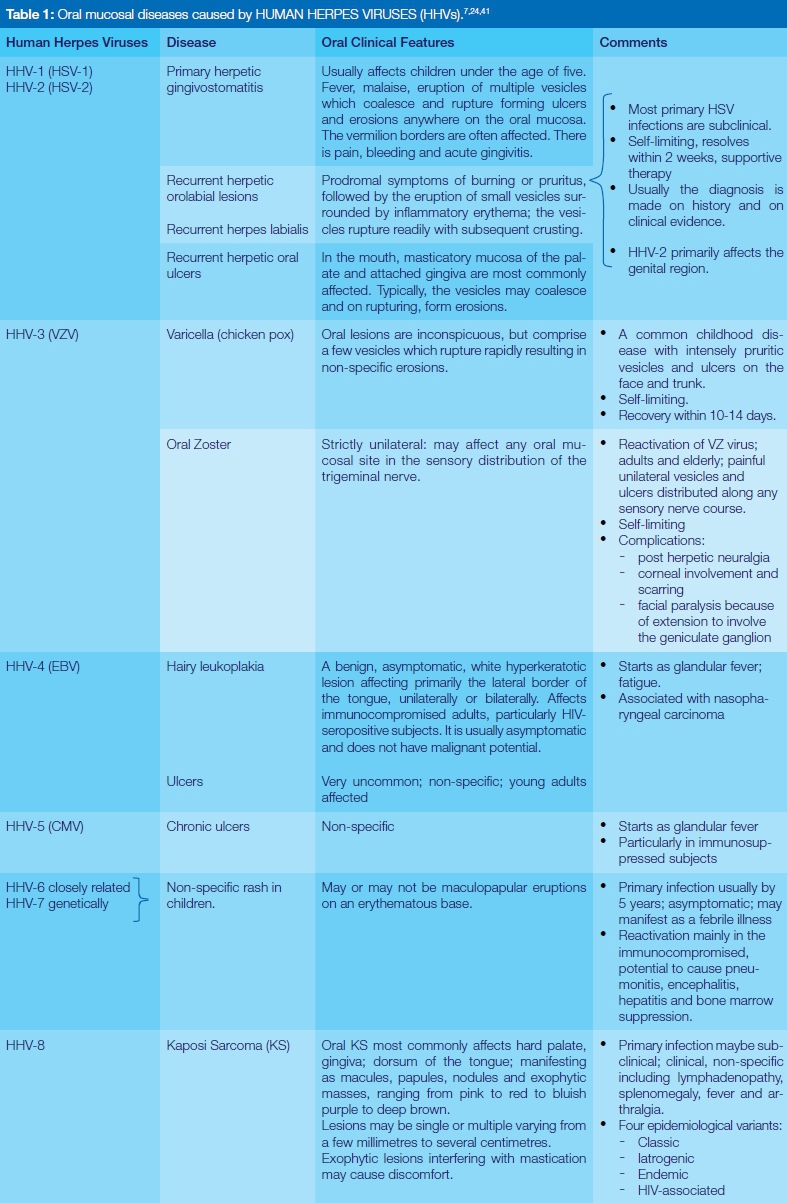
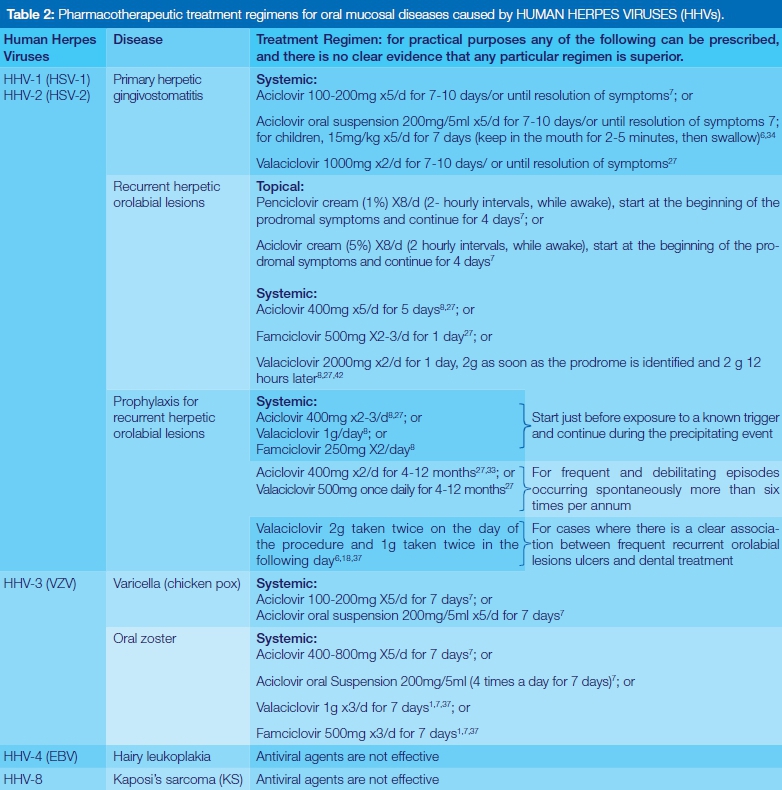
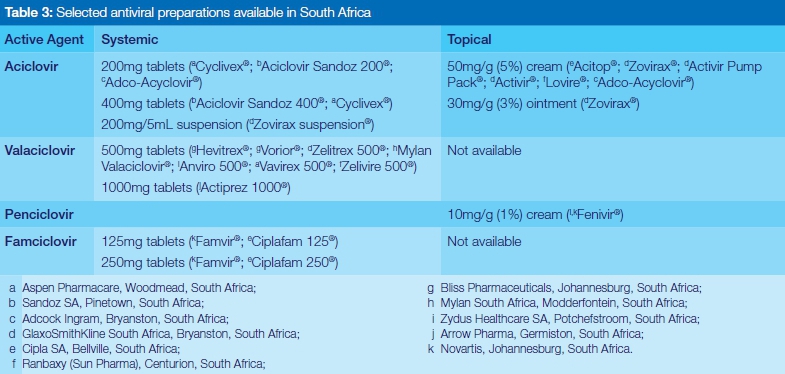
Human herpesviruses (HHVs) are very prevalent DNA viruses that can cause a variety of orofacial diseases. Typically they are highly infectious, are contracted early in life, and following primary infection, usually persist in a latent form. Primary oral infections are often subclinical, but may be symptomatic as in the case of herpes simplex virus-induced primary herpetic gingivostomatitis. Reactivation of the latent forms may result in various conditions: herpes simplex virus (HSV) can cause recurrent herpetic orolabial lesions; varicella zoster virus (VZV) can cause herpes zoster; Epstein-Barr virus (EBV) can cause oral hairy leukoplakia; and reactivation of HHV-8 can cause Kaposi sarcoma. In immunocompromised subjects, infections with human herpesviruses are more extensive and severe than in immunocompetent subjects. HSV and VZV infections are treated with nucleoside analogues aciclovir, valaciclovir, famciclovir and penciclovir. These agents have few side effects and are effective when started early in the course of the disease. This article highlights the diagnosis, clinical features and management of HHV-associated oral diseases, particularly of those most likely to be encountered by the general dental practitioner.
herpes simplex virus; human herpes virus-8; varicella zoster virus; Epstein-Barr virus; recurrent herpes labialis; recurrent intraoral herpetic ulcers; treatment; val-aciclovir; aciclovir; famcicylovir