Outcomes of mandibular Kennedy Class I and II prosthetic rehabilitation - An observational study
Abstract
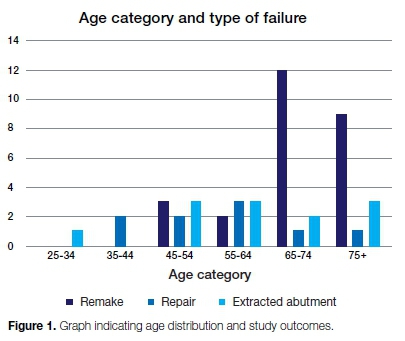
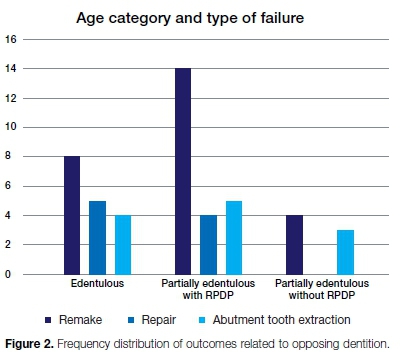
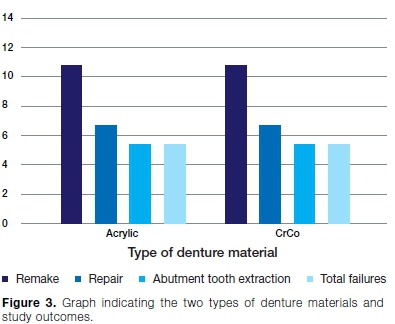
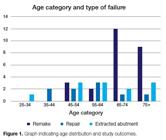
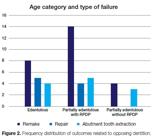
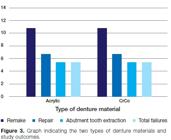
Loss of teeth may have a negative impact on appearance, nutrition and function. Removable prostheses for mandibular distal extension areas have been associated with more negative outcomes than with tooth-bounded saddles. AIM: To describe the outcomes of rehabilitation with Kennedy Class I and II dentures five years after insertion. METHODS: Dental laboratory and patient records were accessed to identify patients fitted with mandibular distal extension dentures between January 2011 and June 2017 by the Oral Health Centre of the University of the Western Cape. Information on the prosthesis, oral health status and study outcomes was recorded and augmented by telephonically interviewing 30 patients, randomly selected from the initial sample. RESULTS: Observed outcomes included 'low frequency of use' and 'high patient dissatisfaction.' Most common were: remakes (n=26), abutment tooth extractions (n=12) and repairs (n=9). A large proportion (n=105) of the sample received no follow-up treatment. No statistically significant associations existed between the outcomes and the variables of age, gender, type of opposing dentition, number of recalls and denture base material used. CONCLUSION: Most commonly reported oral health problem associated with wearing Kennedy Class I and II dentures was abutment tooth loss. Remakes and repairs were frequent outcomes.
Clinical Outcomes; Mandibular distal extension dentures; Abutment tooth loss; Denture replacement; Repair; Patient opinion
 Thumbnail
 Thumbnail
 Thumbnail