Efficacy of GapSeal® in Preventing Microleakage at the Dental Implant Abutment Interface
Abstract
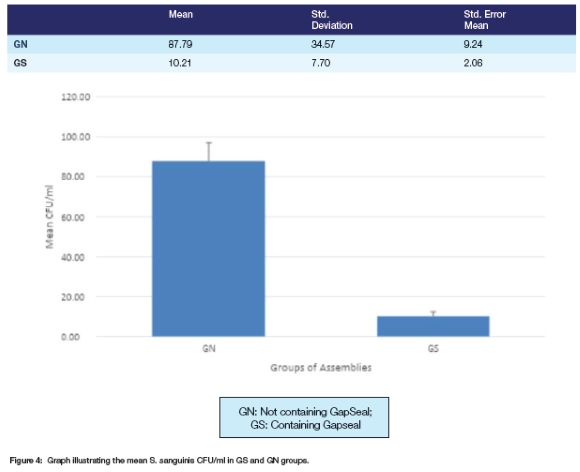
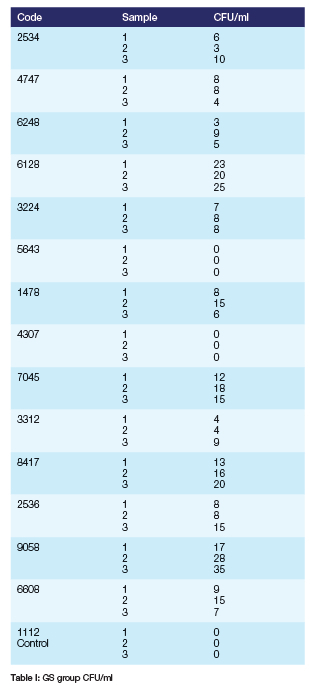
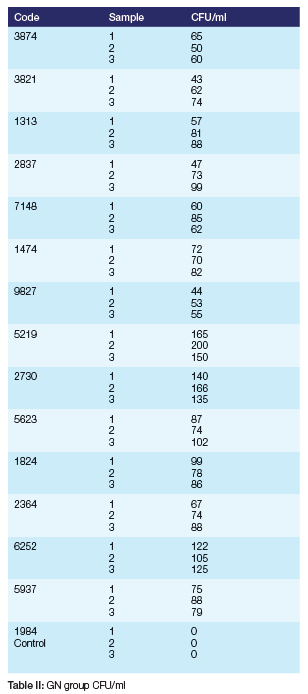
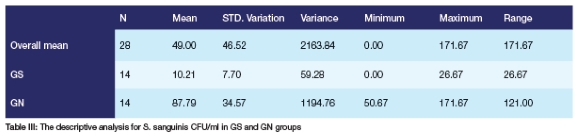
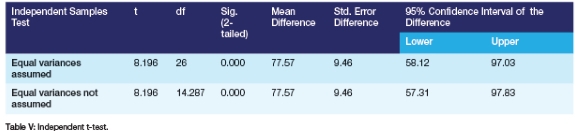
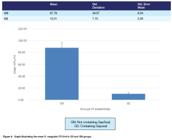
INTRODUCTION: Dental implants have proven to be a success, however the microleakage at the implant-abutment interface is still a major concern. Suggested measures to decrease microleakage include the application of silicone sealing gels, such as GapSeal®. AIMS AND OBJECTIVES: To test the ability of GapSeal, in preventing microleakage at the implant-abutment interface of internal hexagon design dental implants, under dynamic loading. DESIGN: In-vitro experimental study. METHODS: 30 dental implants were equally divided into 2 groups: one group had GapSeal (GS) added and the other group had none (GN). The implants were connected to their adjacent abutments and microbiological analysis was done by immersing the implant assembly in Streptococcus sanguinis inoculated BHI suspension. The implants were subjected to dynamic forces of 80 N at 1 Hz for 200,000 cycles in a chewing simulator. They were then dismantled and samples from the implants' interiors were obtained and cultured on agar plates incubated for 24 hours. Finally, colony forming units were recorded. RESULTS: Significant difference (Levene's test of variances p=0.006) in the number of CFU/ml in GS group compared to GN group, with the mean CFU/ml of GS group (10.21) being less than the GN group (87.79). CONCLUSIONS: Application of GapSeal to the implants interiors was effective in reducing microleakage at the implant abutment interface, under dynamic loading. However, it did not completely prevent it.
GapSeal; Implant Abutment Interface; Microleakage; Dynamic Loading; Chewing Simulator
 Thumbnail