Phenotypes and Clinical Genotypes of Bruxism Patients: A Systematic Review
Abstract
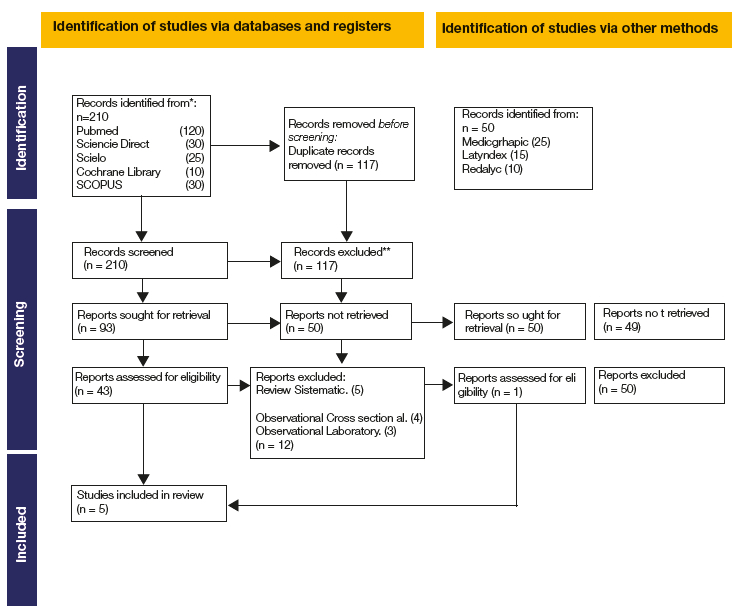
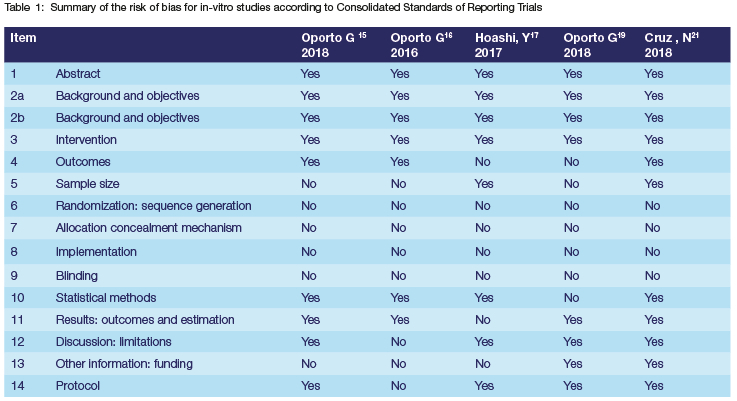
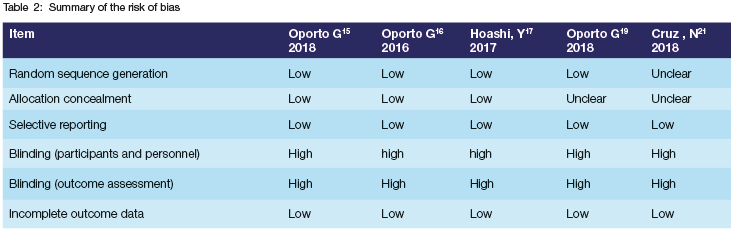
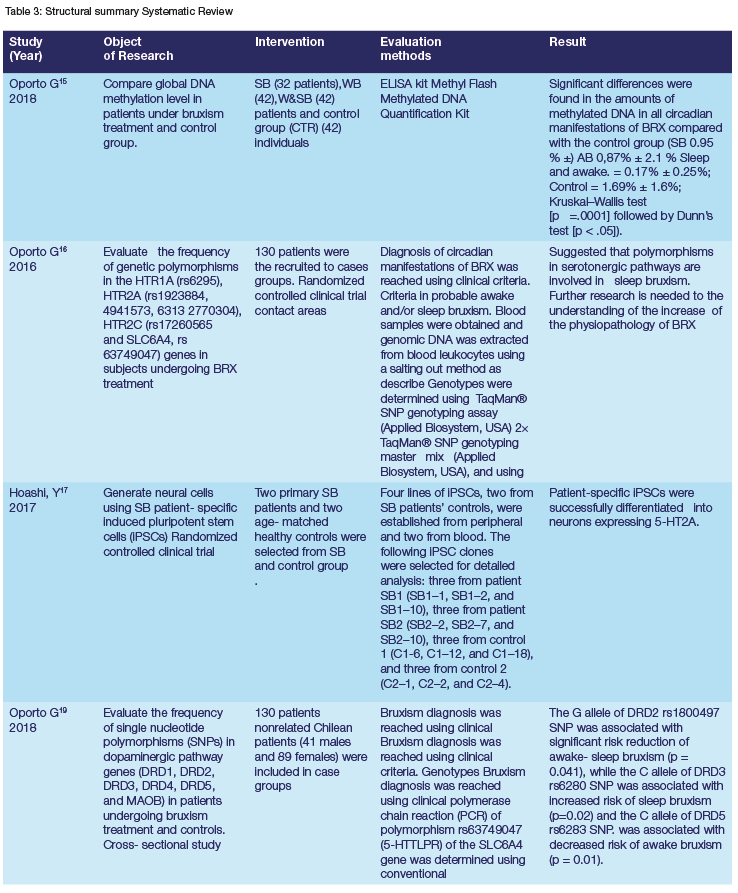
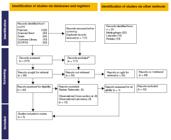
BACKGROUND: Bruxism is a phenomenon where psychological and exogenous biological factors act in greater percentage. Several genetic polymorphisms have been described in GABAA receptors, and some have been associated with motor limitations, such as the rs1805057 polymorphism of the GABRB1 gene (GABAA), which found a haplotype associated with a lower limitation in movement in acute pain processes. The aim to identify the clinical phenotypes in bruxism patients METHODS: Eligibility criteria were as follows: observational studies, case control studies, odds ratios, bruxism, patients, and a keyword search that included [[bruxism]], OR [[temporomandibular joint disorders]] OR [[sleep bruxism]], OR [[awake bruxism]], OR [[polymorphism]] or [[GABAA]], or [[serotonin]] , using the Boolean operators AND, OR and NOT RESULTS: Were included 210 identified records in databases; 50 records from other sources; 117 records were deleted after determining they were duplicates; 42 studies were included in qualitative synthesis ; finally, who met inclusion requirements 5 studies were included in synthesis. The comparison of global DNA methylation profiles in patients with bruxism shows a possible genetic influence on their etiology, indicating that patients with HTR2A rs2770304 alleles are at increased risk CONCLUSION: the HTR2A rs2770304 allele leads to an increased risk of bruxism
bruxism; temporomandibular joint disorders; phenotype; genotype; methylation
 Thumbnail