The effect of storage conditions on the deformation patterns of acrylic partial denture bases
Abstract
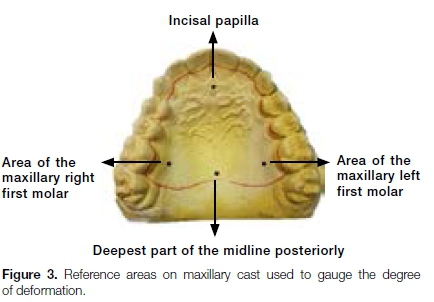
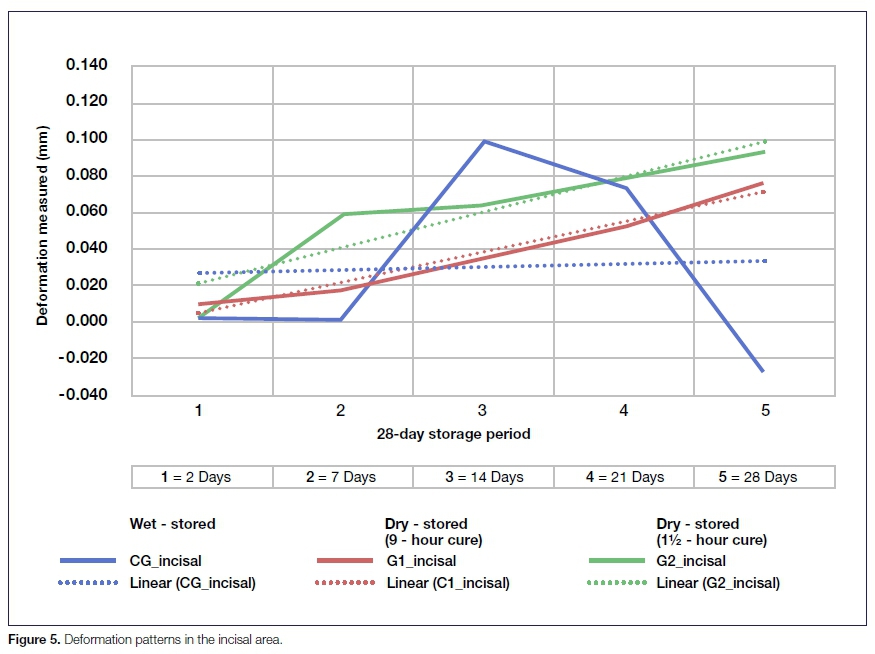
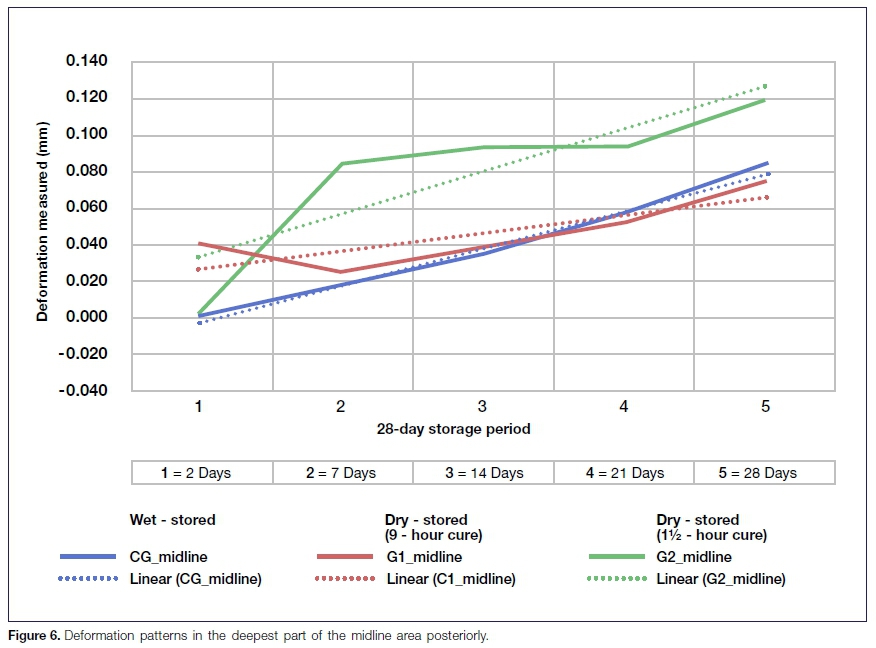
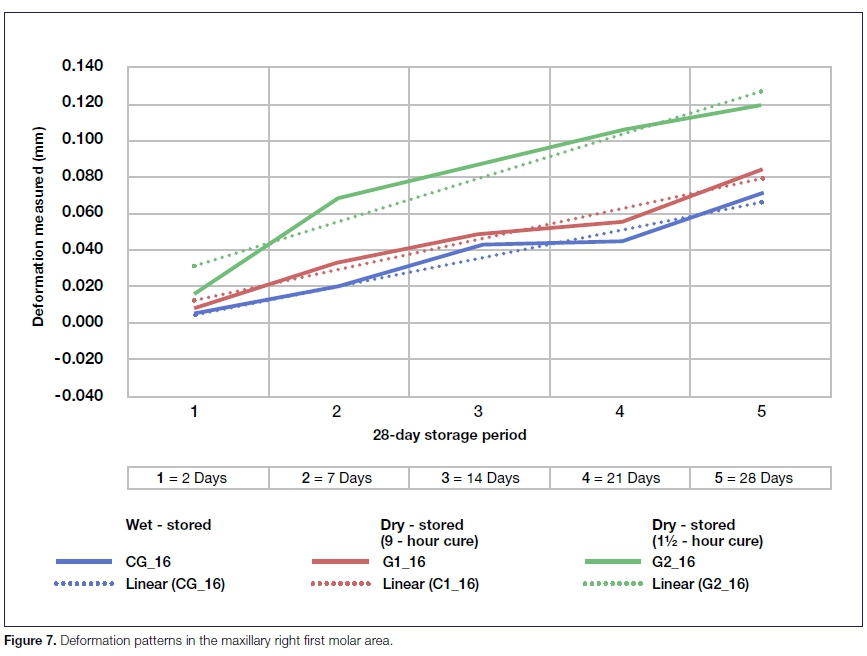
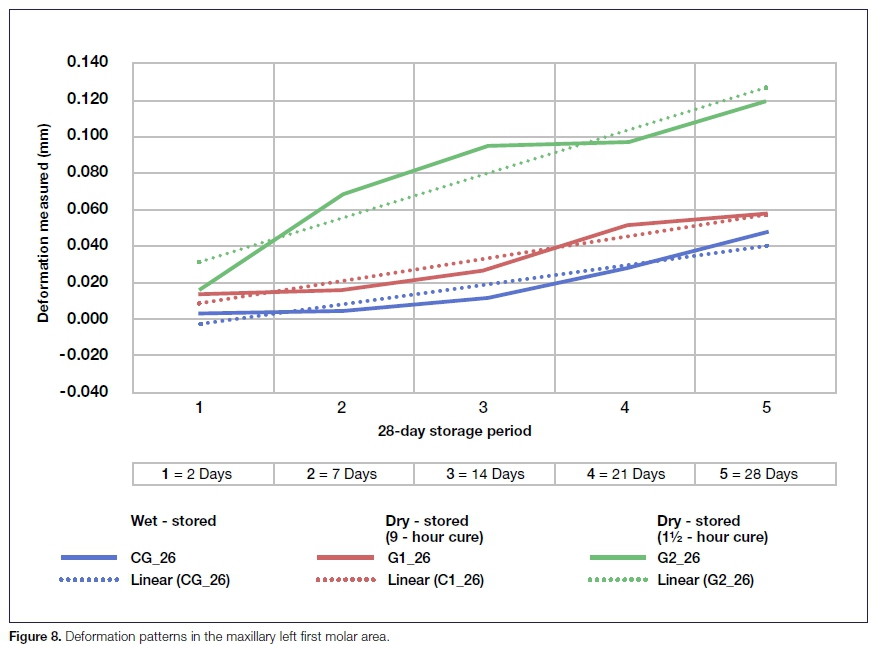
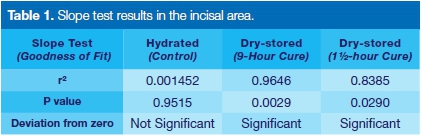
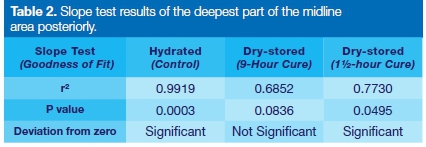
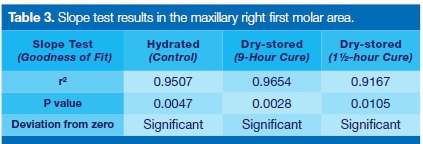
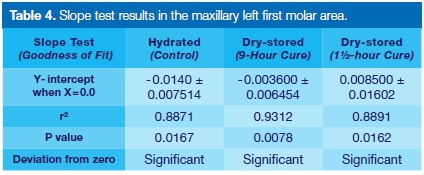
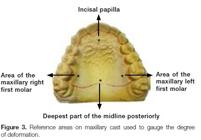
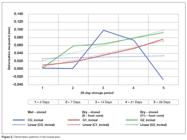
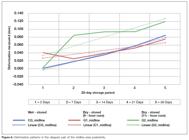
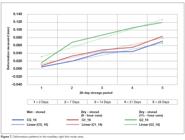
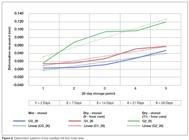
INTRODUCTION: Incorrect impression-taking techniques and processing errors are known factors contributing to ill-fitting acrylic partial dentures (APDs). Environmental factors such as high temperature and humidity levels can further contribute to the misfits of APDs In South Africa, the average summer temperature and humidity level is 21°C and 50%, respectively, which may adversely affect APDs during storage post-manufacture. AIM: To investigate the effect of storage conditions on the deformation patterns of acrylic partial denture bases. METHODS: Thirty maxillary APD bases were fabricated, and divided into three sample groups, namely: the wet-stored 9-hour cure, dry-stored 9-hour cure, and dry-stored 1//-hour cure. The dimensional fit in the areas of the incisive papilla, maxillary first molars, and the deepest part of the midline posteriorly were measured using a Mitutoyo™ micro-meter RESULTS: There were no significant differences in the deformation patterns in the incisal area (p>0.42). Significant differences in the deformation patterns in the maxillary first molar areas (p<0.04) were recorded. The deformation of fit increased as storage time increased. CONCLUSION: This study confirms that the deformation patterns of APDs are reduced if kept hydrated on storage.
 Thumbnail
 Thumbnail
 Thumbnail
 Thumbnail
 Thumbnail
 Thumbnail
 Thumbnail
 Thumbnail