A Review of Chemical Approaches Inherent to Endodontic Disinfection Protocols: Part 1
Abstract
OBJECTIVES: Endodontic treatment is a common dental procedure. This review paper discusses chemical endodontic disinfection protocols, including types of irrigation solutions, solution activation techniques, and intracanal medicaments. This comprehensive review is structured in two parts: Part one will examine the various types of endodontic irrigation solutions, while Part two will focus on adjunctive strategies to optimise irrigation efficacy, review the use of intracanal medicaments, and provide perspectives on future directions in endodontic therapy MATERIALS AND METHODS: Scientific platforms such as Pubmed and Google Scholar were (re)searched using the keywords: endodontics, endodontic disinfection, root canal disinfection, endodontic chemical debridement, endodontic irrigation, endodontic solutions, endodontic irrigant activation, and intracanal medicaments. Relevant articles were identified, screened, reviewed, and discussed RESULTS: Sodium hypochlorite irrigation supplemented with EDTA remains the most popular, effective and economical protocol for endodontic disinfection CONCLUSIONS: Despite advancements in the field, no single ideal irrigant is available and sodium hypochlorite in combination with EDTA, is the gold standard for endodontic irrigation. Lately, there has been a shift toward developing biocompatible disinfection protocols. Materials such as ozonated oils, morinda citrifolia juice, photo-activated disinfection, nitric oxide-releasing nano matrix, and nanoparticles have been suggested, but further research on their effectiveness is still required RUNNING TITLE: Chemical Approaches for Endodontic Disinfection Protocols
Endodontics; chemical disinfection; endodontic irrigation
INTRODUCTION
Caries is a common disease and, when left untreated, spreads through enamel into dentine and the underlying delicate pulpal tissue, eliciting an inflammatory response. In addition, pulpal insults from trauma and periodontal infections make pulpal inflammation common, and when left untreated, pulpal tissues become necrotic, leading to apical periodontitis, which requires endodontic treatment to prevent tooth loss. Endodontic treatment is a fairly common and routine dental procedure whereby 10% of all teeth will require such treatment.1et al. found that half the adult population worldwide would have at least one tooth displaying signs and symptoms of disease requiring endodontic treatment.2
The main goal of endodontic treatment is debridement and disinfection of the root canal system. In 1992, Chong and Pitt Ford emphasised the importance of controlled asepsis in infected root canals and the primary role of canal debridement and adequate canal preparation in successful outcomes.3et al., also supports this concept: what is removed from the root canal is of greater signiflcance with regard to success than what is used to seal the root canal system.4
Endodontic treatment is a complex multi-step procedure that aims to disinfect the root canal system to allow for the resolution of inflammation, infection and apical periodontitis. Complete disinfection is achieved with a combination of mechanical debridement, chemical irrigation and application of intracanal medicaments.566,7 This paper will focus on chemical disinfection protocols including irrigation solutions, its activation methods, and intracanal medicaments.
The first step to effective disinfection is understanding the pathosis of pulp infection. Microorganisms and their endotoxins are responsible for the initiation of root canal infections and persistent endodontic-induced apical periodontitis.8, 91011122, 11, 13-17
To further complicate disinfection, these endodontic pathogens are in a coagulated mass or a polymicrobial biofilm.18192021
The variegated anatomy of the root canal system adds further complexity to endodontic treatment. Complex and intricate anatomical variations such as isthmuses and ramiflcations often make mechanical irrigation impossible in these spaces. Chemical irrigation solutions are able to flow into these spaces, augmenting mechanical debridement for more thorough disinfection.7
Therefore, in addition to its bactericidal effects, chemical irrigation should eliminate the smear layer, organic and inorganic components, and necrotic debris and disinfect the difficult-to-reach anatomy within the root canal system. 7, 22
IRRIGATION SOLUTIONSAn essential part of endodontic therapy is the chemical disinfection protocol. Chemical solutions augment mechanical debridement by removing or inactivating microbes, removing the smear layer, and disinfecting the hard-to-reach anatomical spaces within the root system. Many different chemical irrigants can be used to this end.
Each provides different beneflts, but none provide complete disinfection with a one-step solution. Combination irrigant protocols are standard to overcome the individual limitations of each irrigant. An ideal irrigant should fulfll the following requirements: 21, 23-26
1. Have broad-spectrum antimicrobial properties with rapid antimicrobial action
2. Have the ability to penetrate biofllms and dentine tubules
3. Dissolve organic, inorganic, necrotic tissue and smear layer
4. Inactivate endotoxin and lipoteichoic acid
5. Low surface tension for optimal irrigant penetration
6. Should not weaken or stain tooth structure
7. Easy to use and easy to remove from the root canal
8. Should be innocuous to dental materials
9. Be biocompatible with the adjacent oral tissues
10. Be non-toxic to local and systemic tissues
11. Have minimal ability to evoke an anaphylactic reaction
12. Low cost and easy to store
A practical way to classify these solutions is by their mechanism of action, which enables the clinician to choose an irrigant based on their usefulness and appropriate clinical application (see Figure 1):
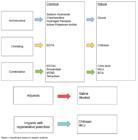
• Antibacterial agents
• Chelating agents
• Combination of antibacterial and chelating agents
• Adjunct solutions
• A new subclass of natural irrigants with regenerative potentials
Some irrigants have a dual purpose and may not strictly fall into the sub-classiflcation but cross over into other categories. We have used their most common purpose for classiflcation purposes.
Antimicrobial Irrigants
Microorganisms and their endotoxins are responsible for the initiation of root canal infections and persistent endodontic-induced apical periodontitis.8-9 Mechanical debridement alone is not sufficient to eradicate these microorganisms. A two-prong approach is standard, whereby mechanical instrumentation disrupts the microbial biofllm, enabling chemical biocides to attack the microbes. Furthermore, complex root anatomies make it impossible for mechanical instruments to navigate into all areas of the root system. Antimicrobial irrigant solutions can reach these complex areas, augmenting disinfection for improved results.
Sodium Hypochlorite
Sodium hypochlorite (NaOCI) has an extensive history in endodontic therapy and is still the most widely used irrigant today.27-30 NaOCI is a proteolytic agent that works as an oxidiser and hydrolysing agent and is effective against bacterial biofllms, removal of organic tissue remnants and necrotic debris.27, 31
NaOCI is a strong bactericidal base commoniy used in concentrations of 0.5% to 6%. NaOCI ionises in water into sodium (Na+) and hypochlorite ions, OCl-, and establishes a dynamic balance with hypochlorous acid (HOCl) as depicted in the equation below.32
NaOCI + H2O ↔ NaOH + HOCI ↔ Na+ + OH- + H+ + OCI-
NaOCI has multiple modes of action. Firstly, the high pH of the hydroxyl ion groups compromises the integrity of cytoplasmic membranes and irreversibly inhibits enzymatic functions. Secondly, NaOCI dissolves organic tissue through saponification reactions where NaOCI dissolves fatty acids, converting them into fatty acid salts (soap) and glycerol (alcohol). Thirdly, NaOCI neutralises amino acids forming water and salt, removing the hydroxyl group and lowering the pH. Lastly, when HOCI comes into contact with organic tissue, it acts as a solvent, releasing chlorine.3227
NaOCI toxicity can induce severe adverse reactions if the irrigant accidentally extrudes into the surrounding tissues. At high concentrations, NaOCI damages vital tissues making it extremely cytotoxic, while at lower concentrations, it induces an inflammatory reaction in vital tissues.7730, 33
Chlorhexidine
Chlorhexidine (CHX) is an antimicrobial agent with many uses in dentistry. It was first used as a general antiseptic. It is effective against a wide variety of micro-organisms, making it effective as a periodontal and endodontic irrigant, typically in a 2% solution.34
CHX is a cationic bis-biguanide antiseptic with broad spectrum qualities. CHX is bacteriostatic at low concentrations and bactericidal at high concentrations.35 36-38 This results in adsorption to the phosphate-containing components of the cell, allowing CHX to passively diffuse into the cell towards the cytoplasmic membrane. The CHX molecule attaches to the inner cell membrane changing the membrane's osmotic equilibrium increasing its permeability.39, 40373635, 36, 38, 41
Multiple studies have shown that CHX exhibits antimicrobial action dependent on the solution's type, concentration and presentation.39, 41-44 CHX is also an effective anti-fungal agent, particularly against Candida Albicans, and is clinically relevant as secondary endodontic infections tend to have increased levels of fungi within their biofllm.
CHX has been shown to have a sustained antimicrobial effect - a phenomenon known as substantivity.4541, 44, 4641
To further support this idea of CHX as a supplementary final irrigant, studies have shown that dentine, dead microorganisms and inflammatory products from the apical exudate exhibit some buffering effect on CHX and can decrease or inhibit its antibacterial effects.39, 47, 48 Using CHX in cleaned, debrided and disinfected root canals will improve its efficacy.
CHX demonstrates low toxicity. The worst reported adverse effects are contact dermatitis and dysgeusia. When used for prolonged periods, it causes brown staining of teeth, but this is usually reversible upon cessation. Its genotoxicity has been shown to be irrelevant on its own,49 4545
The main disadvantage of CHX is its inability to dissolve tissue. In an attempt to overcome this drawback, Kuruvilla and Kamath combined 0.2% CHX with 2.5% NaOCI and found this combination to be effective in reducing microbial load.49 4951-53 and care must be taken when this protocol is used.
Hydrogen peroxide
Hydrogen peroxide (H2O2) is an active biocide against viruses, bacteria, fungi and spores.502O2 is routinely used for sterilisation and disinfection. In dentistry, it is used in concentrations of between 1 and 30%. According to McDonnell and Russell, H2O2 is most effective at higher concentrations (10%-30%) and when used over longer periods of time.5152 532O2 is bactericidal as it causes damage to the microbial cell wall, resulting in loss of intracellular material and cell death.54, 55
H2O2 dissolves organic tissue, which may allow for deeper dentine penetration of the irrigants that follow, and is often used in combination with other irrigant solutions, thereby increasing the overall effectiveness of these irrigants. When 3% H2O2 was combined with CHX, the efficacy of each irrigant improved and in lower concentrations.562O2 is able to penetrate more easily and cause irreversible damage.52
In the medical concentrations where H2O2 is used, it is non-toxic and safe as H2O2 degrades to water and oxygen, making it biocompatible. However, H2O2 has effervescent properties and there is a risk of air emphysema if seepage occurs into the surrounding tissue. Case reports have shown that extrusions of H2O2 into the periapical tissues cause intense pain, erythema and oedema, and treatment involves antibiotic cover with symptomatic relief.52
Ozone
Ozone is a natural gas in the stratosphere consisting of three oxygen atoms. Ozone has high oxidant properties and is a strong bacteriocide.245, 5757
In endodontics, ozonated water has been used as an irrigant while ozonised oil has been used an intracanal dressing. In a study by Nagayoshi et al., the effects of ozonated water against and Streptococcus infections in vitro in bovine dentin were evaluated. They found that the viability of both bacteria was significantly decreased in the dentine tubules. The authors also compared the cytotoxicity between ozonated water and NaOCl against L-929 mouse fibroblasts. They found that the metabolic activity of fibroblasts was high when the cells were treated with ozonated water. In contrast, when the cells were treated with 2.5% NaOCI, fibroblast activity was significantly decreased. The authors suggest that ozonated water can be useful in endodontic therapy.5859et al., it was found that in concentrations of 0.5-4 mg/L, ozonated water killed pure cultures of Porphyromonas endodontics and Porphyromonas gingivalis effectively.60
Despite this promising potential, Hems et al; discovered that ozone was only effective on planktonic bacteria and not on bacterial biofilms, which is the predominant state of bacteria within the root canal system.61et al., studied the antimicrobial efficacy of ozonated water, gaseous ozone, sodium hypochlorite and chlorhexidine against Enterococcus faecalis in human root canals. The authors found that after twenty minutes of exposure, none of the irrigants were effective against Enterococcus faecalis.62
Iodine potassium iodide
Iodine potassium iodide (IKI) is a combination of potassium iodide and iodine dissolved in distilled water. IKI is a potent antimicrobial agent with quick antiseptic action against microorganisms while displaying low toxicity. It is used in various concentrations ranging from 1% to 5%.63,64 It has shown excellent elimination of bacteria, especially Enterococcus faecalis, within a short time. Iodine is an oxidising agent that reacts with free sulfhydryl groups of bacterial enzymes. This causes disulphide linkages and destroys bacterial cell walls. Vapour evaporation and sublimation expands the reach of its antibacterial effects. As a 2% root canal irrigant, IKI has sufficient antimicrobial effects, a more pleasant odour and taste with lower toxicity compared to NaOCI and can penetrate deep into the dentine walls.65
However, IKI does not exert any effects on organic and necrotic tissue. Despite IKI demonstrating promising antimicrobial effects, it is less effective against bacterial biofilms. Biofilms are inherently more complicated in structure and more resistant to attack than planktonic bacteria. Abbaszadegan et al. state that to improve the antimicrobial effects of IKI, exposure time needs to increase. The authors state that a five-minute final rinse with IKI may be insufficient to kill the microorganisms in the extensive biofilms of necrotic pulps. They recommend using it as part of the irrigation protocol from the beginning or increasing the exposure time at the end.6667, 68
In an attempt to improve microbial elimination, IKI has been added to conventional disinfection protocols.67,69
Studies have shown that if IKI is used as a final rinse after mechanical instrumentation and NaOCI irrigation, it can produce negative culture tests. Peciuliene et al. reported a 95% culture-negative test in retreatment cases.69et al. reported that a 15-minute rinse with 2% IKI after instrumentation and NaOCI irrigation produced 95% negative cultures.67et al. found no added antimicrobial benefit when IKI was used as an intracanal medicament for 3-7 days. The authors postulated that the organic tissue and fluids within the root canal inactivate the medicament.70et al. stated that a final rinse with IKI had the same antibacterial effects as calcium hydroxide and found no added benefit.71
Enzymatic Irrigation
Niazi and co-workers proposed using enzymatic irrigation to kill and disrupt the biofilm. They developed a nutrient-stressed multispecies biofilm model from refractory endodontic infections to test the effectiveness of trypsin and proteinase K against 0.2% CHX and 1% NAOCI with or without ultrasonic activation.7272
Chelating agents
During mechanical instrumentation, a smear layer is formed on the walls of the root canal, occluding dentine tubules. The smear layer comprises dentine, remnants of pulp tissue, odontoblastic processes and bacteria. This smear layer can prevent effective irrigation penetration into dentine and the biofilm and interfere with the adhesion and penetration of sealing materials.73
EDTA
Ethylenediaminetetraacetic acid, or EDTA, is a polyaminocarboxylic acid. It is a biocompatible chelating agent that binds to minerals and metals. It is commonly used to dissolve lime scale and, systemically to treat heavy metal toxicity. EDTA reacts with calcium ions forming soluble calcium chelates.7424, 752121
EDTA has been used in varying concentrations; the most used concentration in dentistry is 17%. EDTA is known to cause dentine demineralisation by liberating phosphorus from dentine. A study by Serper and Calt demonstrated that EDTA used at higher concentrations with increased exposure time caused increased amounts of phosphorus to be released, increasing the rate of dentine demineralisation7677 76, 77 Nakashima and Terata tested 3% and 15% EDTA concentrations. They observed that both concentrations were effective in smear layer removal allowing for irrigant permeability, and concluded that 3% EDTA is sufficient for clinical application.78
Citric Acid
Citric acid (CA) is a weak acid with antibacterial and chelating properties and has demonstrated effective smear layer removal. As an antibacterial agent, Yamaguchi et al. showed that CA is able to neutralise twelve different types of root canal bacteria.79et al. showed that a combination of 10% citric acid and 1% CHX has promising antibacterial effects in root canal irrigation.80
As a chelating agent, CA is reported to be slightly more potent than EDTA at a similar concentration.74, 79, 81 A study by Prado et al. showed that CA can be more effective than EDTA in short durations of 30 seconds 82). It provides the same benefits as a chelator, where it may detach biofilm from root canal walls, allowing for improved irrigant penetration. CA can also be useful to remove NaOCI/CHX precipitate should it form during irrigation.8380, 82, 84 Machado and co-workers have shown that the effectiveness of CA is comparable to EDTA while being less toxic and may retain the highest rate of cell viability, and CA appears to offer more advantages than EDTA85
CA has also been used in combination with other irrigants.
Scleza et al, tested 10% CA combined with 1% CHX (CACHX). This combination was tested against 2.5% NaOCI, 1% CHX, 10% CA and sterile water. They found that CACHX was the only irrigant to sustain a total absence of E. faecalis for a longer time after treatment. The authors concluded that this CACHX combination contributes to biofilm-free root walls. They postulate that the reason for this total elimination is the combination of chelating and antimicrobial action. With continuous irrigation, there is less possibility of smear layer and dentine debris formation, allowing for CHX substantivity.80 et al.'s study support these findings where they found that the CA/CHX combination is more effective at removing the smear layer than CHX or 17% EDTA.86
CA is biocompatible and the least toxic of root canal irrigants, with the highest rate of cell viability.82, 87 Scelza and co-workers tested the biocompatibility of CA/CHX on Human Periodontal Ligament Fibroblasts (HPdLF). HPdLF are used to test irrigant toxicity as root canal irrigants should be harmless to peri radicular tissues. To stimulate the clinical scenario, HPdLF were exposed to a 0.1% solution for 15 minutes, and no significant toxicity was observed when compared to unexposed cells in either cell metabolism, membrane integrity or cell proliferation.80
Combination solutions
Chelating solutions with additives for antimicrobial effects
EDTA has limited antibacterial properties, and in the quest to simplify disinfection, antimicrobial substances have been added to EDTA to create a new class of EDTA-combination alternatives (75). Antiseptics such as quaternary ammonium compounds, usually cetrimide, have been added to EDTA, forming EDTAC to improve its bactericidal effects and clinical performance.8874 et al., demonstrated that there was no significant difference in smear layer removal between Smearclear, 17% EDTA and 10% CA.89et al. and Wu et al., on the other hand, found that traditional irrigation solutions of 1 and 6% NaOCI and 17 % EDTA, respectively outperformed Smearclear in removing root canal biofilms.90, 91
EDTA is also available in paste form, usually in combination with urea peroxide. Urea peroxide allows debris to float out of the root canal, but a residue may be left behind, which can compromise the flnal seal.9274, 93, 9495
Antibiotics have also been added to EDTA solutions to improve their antibacterial properties, and examples of these types of EDTA-antibacterial solutions are MTAD and Tetraclean. Both these irrigants have similar ingredients: an antibiotic, an acid and a detergent. In 2004, Torabinejad et al. developed MTAD containing doxycycline (a tetracycline isomer), CA and Tween 80 detergent.24
The tetracycline family of antibiotics is a broad-spectrum antibiotic effective against a wide variety of infections. It works by inhibiting protein synthesis and interferes with normal cell functions, exerting bacteriostatic effects. It has a low pH and acts as a calcium chelator, causing enamel and dentine demineralisation. Tetracyclines have a strong affinity to dentine and are able to bind quickly to dentine, prolonging its effects and demonstrating substantivity properties.24, 967997
MTAD effectively dissolves organic and inorganic debris.98, 99 It is less cytotoxic than other irrigants and medicaments such as EDTA, hydrogen peroxide and CaOH paste.100, 101 102
Another advantage of these chelating solutions is their substantivity effects. Neglia et al. tested Tetraclean effectiveness and demonstrated no negative effect on bacteria immediately after application, but its action progressively increases for 72 hours until the bacterial load is wholly eliminated.10310396 7
Electrochemically Activated Solutions
Electrochemically Activated (ECA) Solutions are produced by tap water and low-concentration salt solutions.575
As a root canal irrigant, ECA solutions have shown to have broad-spectrum antimicrobial activity and can be effective against 99.999% of microorganisms making it potentially bactericidal.24104-106 A study by Jaju and Jaju, 2011 has shown that ECA solutions can also be effective at removing the smear layer.2424, 107 and this characteristic makes ECA solutions a potentially biocompatible irrigant in a step towards dental pulp regeneration.
Etidronic acid/NaOCI combination
Etidronic acid is a weak chelator that can be combined with NaOCI, simplifying irrigation with a single solution, delivering a novel concept: continuous chelation.108, 109et al. proposed its use as a root canal irrigant. This combination solution allows for continuous chelation throughout instrumentation instead of using a chelator as a post-instrumentation rinse. Continuous chelation allows continuous removal of tissue debris and smear layer (or prevention of its formation), thus enhancing NaOCI's penetration and improving antimicrobial effects.110, 111
Adjunct solutions
Adjunct solutions are mentioned as supplement irrigants and not as antimicrobial irrigants. Its purpose is usually as a flnal rinse to remove residual chemicals before obturation. The use of these flnal rinses is debatable without any clear evidence of its beneflts. These solutions are mentioned here for the sake of completeness.
Alcohol
Alcohol irrigation is mainly intended as a flnal rinse to remove irrigants and medicaments. As mentioned, the combination of CHX and NaOCI results in the formation of a brown precipitate112-114 and can cause tooth discolouration and prevent adequate sealing of the root canal.115-117 It is thought that rinsing intermittently with alcohol or as a flnal rinse will remove this precipitate.83114et al. found no signiflcant difference in debris removal and precipitate formation between isopropyl alcohol, distilled water and saline.83
If intracanal dressings are not completely removed, it can compromise the flnal obturation seal. Over time, root canal medicaments can be dimensionally unstable and soluble, allowing bacteria to infiltrate from the coronal, lateral or apical environments.118, 119119,120 Studies have shown that when alcohol is used as a flnal rinse, the wettability of dentine improves,122 121119122
An added advantage of an alcohol irrigation protocol is its fast-acting antimicrobial action. In concentrations of between 60-90%, ethyl alcohol and isopropyl alcohol have broad-spectrum activity against bacteria, viruses and fungi.51 114
Saline
Saline is another adjunct endodontic irrigant and helps with lubrication and flushing of the canals. It does not exert significant antimicrobial effects and is usually the final rinse after chemical disinfection to remove any residual chemicals to allow for optimal canal sealing. In experiments, saline is often used as the negative control in bacterial elimination and smear removal (8).
Natural irrigants
The modern world is moving towards natural organic solutions that not only mimic nature but also preserve that which is natural. From the destruction of our natural world to the increase in antibiotic-resistant infections, there is the constant search for natural alternatives. Modern medicine follows suit by looking at these natural alternatives for contemporary solutions. The field of endodontics is no different. natural irrigants are being tested, and some of these solutions have the added potential for tissue regeneration.
Morinda Citrifolia
Morinda citrifolia juice (MCJ) is derived from the Morinda citrifolia or noni plant native to Southeast Asia. It has been used as an herbal remedy for centuries and all parts of the plant from the roots, bark, stems, leaves, fruit, juice and seeds are used. The Morinda citrifolia fruit has gained interest in recent years in the medical world for its diverse range of medicinal properties, some of which are immunostimulatory, antiviral, antifungal, antibacterial, anti-inflammatory, antiseptic, analgesic, antitumor and periodontal regeneration. 8, 123-125 Morinda citrifolia has been effective against several microorganisms, some of which are Salmonella typhimurium, Escherichia coli, Staphylococcus aureus and Candida Albicans.126-129
With these promising properties, it is no surprise that MCJ has been suggested as a root canal irrigant. In 2008, Murray et al. designed the first study to compare the effectiveness of MCJ against NaOCI and CHX in smear layer removal. The authors determined that the minimum inhibitory concentration of MCJ was 6%. They tested combinations of MCJ with EDTA flushing, MCJ/CHX combination with EDTA flushing, and MCJ with saline flushing; the positive control groups were NaOCI with EDTA flushing and 2% CHX, and the negative control was plain saline rinsing. The most effective smear layer removal occurred with MCJ and NaOCI, both with EDTA flushing. The effectiveness of MCJ and NaOCI was comparable, with both irrigants removing up to 80% of the smear layer. MCJ was more effective than CHX. The authors concluded that these results were revolutionary because they suggest that root canal irrigants and disinfectant solutions can be formulated from fruit juice. Using MCJ as a root canal irrigant might be advantageous because in vitro observations are promising and are not likely to cause adverse reactions unlike NaOCI.8
Morinda citrifolia leaf extract has been shown to have regenerative properties. Boonanantanasarn and co-workers evaluated the potential of Morinda citrifolia on cell proliferation, mineralisation and protein synthesis in the periodontal ligament of premolars and molars. Their results show that the Morinda citrifolia extract was effective at inducing cellular proliferation, protein synthesis, alkaline phosphatase activity and in vitro matrix mineralisation, thus having osteoinductive effects on periodontal regeneration.130131
Chitosan
Chitosan is an abundant natural polysaccharide obtained by the deacetylation of chitin from crab and shrimp shells. It is an attractive biomaterial as it fulfils many of the prerequisites of a biomaterial: biocompatibility, biodegradability, bioadhesiveness, non-toxic, relatively low cost, good adsorption, and demonstrates tissue regenerative properties.132, 133134-138
Chitosan is polycationic and can attach to the negatively charged components of bacterial cell walls, causing their disruption and loss of intracellular components and ultimately cell death. Chitosan is also capable of disrupting the extracellular matrix of biofilms, increasing the vulnerability of bacteria within the biofilm complex.139140-142 Chitosan can also enhance photodynamic therapy by attaching to photosensitisers.143
Silva et al. compared the efficacy of 0.2% chitosan against more common root canal irrigants; 15% EDTA, 10% CA, and 1% acetic acid. They observed that smear layer removal of 0.2% chitosan was comparable to 15% EDTA and 10% CA. In addition, 0.2% chitosan and 15% EDTA demonstrated the greatest effect on root dentine demineralisation.134136 et al. undertook investigated of the effect of chitosan nanoparticles as a final irrigation solution on smear layer removal, micro-hardness, and surface roughness of root canal dentin. It was shown that 0.2% chitosan nanoparticles and 17% EDTA were similarly effective in smear layer removal and better than 2.5% NaOCI. Further, 0.2% chitosan produced higher micro-hardness and lower surface roughness of root canal dentin than 17% EDTA but the same as 2.5% NaOCI.135 et al. compared smear layer removal of 17% EDTA, 10% CA, MTAD and 0.2% chitosan as the flnal irrigant. All tested irrigants were effective at smear layer removal, but more so in the coronal two-thirds than the apical third of the root canal. However, 0.2% chitosan demonstrated increased efficiency at removing the smear layer than the other three test irrigants.137
These studies demonstrate that chitosan is an effective chelating agent. This establishes chitosan as a potential root canal irrigant, but further studies are needed to investigate all its benefits, particularly in regenerative endodontics. With its biocompatible, biodegradable, antimicrobial, and tissue regeneration properties, chitosan may provide a biocompatible disinfection protocol.
Berberine
Berberine is an antimicrobial plant alkaloid, and in combination with other substances, it has shown antibacterial activity. In combination with 1% CHX, the antibacterial activity of berberine is comparable to 5.25% NaOCI and 2% CHX.144 145
Despite the variety of endodontic irrigant solutions, NaOCI combined with EDTA still remains the gold standard for chemical disinfection. This combination fulfils many requirements for an ideal solution: high efficacy against most endodontic pathogens, good penetrability and dissolvability against organic, inorganic and necrotic tissue, cost efficiency and long shelf life. Other solutions tend to be used as an adjunct to the gold standard. With medicine evolving into preservation and tissue regeneration, there has been a shift to discover more natural and biocompatible disinfection protocols. Morinda Citrifolia, chitosan and berberine are just some chemicals that have been suggested, but further research is still required in this field.
Data availability statement
No datasets were generated or analysed during the current study.
Competing Interests
The Authors declare no Competing Financial or Non-Financial Interests.
ACKNOWLEDGEMENTS
This work was supported by the National Research Foundation (NRF) of South Africa (Grant UIDs 64814 and 138006), and the South African Medical Research Council (SAMRC).
REFERENCES
- 1. Pak JG, Fayazi S, White SN. Prevalence of periapical radiolucency and root canal treatment: a systematic review of cross-sectional studies. Journal of endodontics. 2012;38(9):1170-6.
- 2. Tibúrcio-Machado C, Michelon C, Zanatta F, Gomes MS, Marin JA, Bier CA. The global prevalence of apical periodontitis: a systematic review and meta-analysis. International endodontic journal. 2021;54(5):712-35.
- 3. Chong B, Ford TP. The role of intracanal medication in root canal treatment. International endodontic journal. 1992;25(2):97-106.
- 4. Ordinola-Zapata R, Noblett WC, Perez-Ron A, Ye Z, Vera J. Present status and future directions of intracanal medicaments. International Endodontic Journal. 2022;55:613-36.
- 5. Mohammadi Z, Jafarzadeh H, Shalavi S, Kinoshita J-I. Unusual Root Canal Irrigation Solutions. The journal of contemporary dental practice. 2017;18(5):415-20.
- 6. BYSTRÖM A, SUNDQVIST G. Bacteriologic evaluation of the efficacy of mechanical root canal instrumentation in endodontic therapy. European Journal of Oral Sciences. 1981;89(4):321-8.
- 7. Kennedy J, Hussey D. The antimicrobial effects of root canal irrigation and medication. Oral Surgery, Oral Medicine, Oral Pathology, Oral Radiology, and Endodontology. 2007;103(4):560-9.
- 8. Murray PE, Farber RM, Namerow KN, Kuttler S, Garcia-Godoy F. Evaluation of Morinda citrifolia as an endodontic irrigant. Journal of endodontics. 2008;34(1):66-70.
- 9. Sundqvist G. Ecology of the root canal flora. Journal of endodontics. 1992;18(9):427-30.
- 10. Aas JA, Paster BJ, Stokes LN, Olsen I, Dewhirst FE. Defining the normal bacterial flora of the oral cavity. Journal of clinical microbiology. 2005;43(11):5721-32.
- 11. Siqueira Jr JF, Rôças IN. Present status and future directions: Microbiology of endodontic infections. International Endodontic Journal. 2022;55:512-30.
- 12. Seltzer S, Farber PA. Microbiologic factors in endodontology. Oral surgery, oral medicine, oral pathology. 1994;78(5):634-45.
- 13. Baumgartner JC, Watkins BJ, Bae K-S, Xia T. Association of black-pigmented bacteria with endodontic infections. Journal of endodontics. 1999;25(6):413-5.
- 14. Fouad AF, Barry J, Caimano M, Clawson M, Zhu Q, Carver R, et al. PCR-based identification of bacteria associated with endodontic infections. Journal of clinical microbiology. 2002;40(9):3223-31.
- 15. Gomes B, Lilley J, Drucker D. Clinical significance of dental root canal microflora. Journal of dentistry. 1996;24(1-2):47-55.
- 16. Rocas IN, Siqueira Jr JF. Frequency and levels of candidate endodontic pathogens in acute apical abscesses as compared to asymptomatic apical periodontitis. PLoS One. 2018;13(1):e0190469.
- 17. Sakamoto M, Rôças I, Siqueira Jr J, Benno Y. Molecular analysis of bacteria in asymptomatic and symptomatic endodontic infections. Oral microbiology and immunology. 2006;21(2):112-22.
- 18. Costerton JW, Stewart PS, Greenberg EP. Bacterial biofllms: a common cause of persistent infections. Science. 1999;284(5418):1318-22.
- 19. Stewart PS, Costerton JW. Antibiotic resistance of bacteria in biofllms. The lancet. 2001;358(9276):135-8.
- 20. Wu H, Moser C, Wang H-Z, H0iby N, Song Z-J. Strategies for combating bacterial biofllm infections. International journal of oral science. 2015;7(1):1-7.
- 21. Zehnder M. Root canal irrigants. Journal of endodontics. 2006;32(5):389-98.
- 22. Vallabhaneni K, Kakarla P, Avula SSJ, Reddy NVG, Gowd MP, Vardhan KR. Comparative analyses of smear layer removal using four different irrigant solutions in the primary root canals-A scanning electron microscopic study. Journal of clinical and diagnostic research: JCDR. 2017;11(4):ZC64.
- 23. Jain P, Ranjan M. Role of herbs in root canal irrigation-A review. IOSR J Pharm Biol Sci. 2014;9(2):06-10.
- 24. Jaju S, Jaju PP. Newer root canal irrigants in horizon: a review. International journal of dentistry.2011.
- 25. Wright PP, Walsh LJ. Optimising antimicrobial agents in endodontics. Antimicrobial Agents Croatia: InTech. 2017:87-107.
- 26. Boutsioukis C, Arias-Moliz MT. Present status and future directions-irrigants and irrigation methods. International Endodontic Journal. 2022;55:588-612.
- 27. Haapasalo M, Shen Y, Wang Z, Gao Y. Irrigation in endodontics. British dental journal. 2014;216(6):299-303.
- 28. Harrison JW. Irrigation of the root canal system. Dental Clinics of North America. 1984;28(4):797-808.
- 29. Elnaghy AM, Mandorah A, Elsaka SE. Effectiveness of XP-endo Finisher, EndoActivator, and File agitation on debris and smear layer removal in curved root canals: a comparative study. Odontology. 2017;105(2):178-83.
- 30. Fedorowicz Z, Nasser M, Sequeira-Byron P, de Souza RF, Carter B, Heft M. Irrigants for non-surgical root canal treatment in mature permanent teeth. Cochrane database of systematic reviews. 2012(9).
- 31. Yoo Y-J, Perinpanayagam H, Oh S, Kim A-R, Han S-H, Kum K-Y. Endodontic biofllms: contemporary and future treatment options. Restorative dentistry & endodontics. 2019;44(1).
- 32. Estrela C, Estrela CR, Barbin EL, Spanó JCE, Marchesan MA, Pécora JD. Mechanism of action of sodium hypochlorite. Brazilian dental journal. 2002;13:113-7.
- 33. Mohammadi Z. Sodium hypochlorite in endodontics: an update review. International dental journal. 2008;58(6):329-41.
- 34. Balagopal S, Arjunkumar R. Chlorhexidine: the gold standard antiplaque agent. Journal of Pharmaceutical sciences and Research. 2013;5(12):270.
- 35. Mistry KS, Sanghvi Z, Parmar G, Shah S. The Antimicrobial Activity of Azadirachta Indica, Mimusops Elengi, Tinospora Cardifolia, Ocimum Sanctum and 2% Chlorhexidine Gluconate on Common Endodontic Pathogens: An in Vitro Study. European journal of dentistry. 2014;8(2):172-7.
- 36. Solderer A, Kaufmann M, Hofer D, Wiedemeier D, Attin T, Schmidlin PR. Efficacy of chlorhexidine rinses after periodontal or implant surgery: a systematic review. Clinical oral investigations. 2019;23(1):21-32.
- 37. Deus FP, Ouanounou A. Chlorhexidine in Dentistry: Pharmacology, Uses, and Adverse Effects. international dental journal. 2022.
- 38. Zanatta FB, Antoniazzi RP, Rösing CK. The effect of 0.12% chlorhexidine gluconate rinsing on previously plaque-free and plaque-covered surfaces: A randomised, controlled clinical trial. Journal of periodontology. 2007;78(11):2127-34.
- 39. Kanisavaran ZM. Chlorhexidine gluconate in endodontics: an update review. International dental journal. 2008;58(5):247-57.
- 40. tukomska-Szymanska M, Sokotowski J, tapinska B. Chlorhexidine-mechanism of action and its application to dentistry. Journal of Stomatology. 2017;70(4):405-17.
- 41. Mohammadi Z, Abbott P. The properties and applications of chlorhexidine in endodontics. International endodontic journal. 2009;42(4):288-302.
- 42. Siqueira Jr JF, Rôças IN, Paiva SS, Guimarães-Pinto T, Magalhães KM, Lima KC. Bacteriologic investigation of the effects of sodium hypochlorite and chlorhexidine during the endodontic treatment of teeth with apical periodontitis. Oral Surgery, Oral Medicine, Oral Pathology, Oral Radiology, and Endodontology. 2007;104(1):122-30.
- 43. Onçag Ö, Hosgör M, Hilmioglu S, Zekioglu O, Eronat C, Burhanoglu D. Comparison of antibacterial and toxic effects of various root canal irrigants. International endodontic journal. 2003;36(6):423-32.
- 44. Gomes B, Ferraz C, ME V, Berber V, Teixeira F, Souza-Filho F. In vitro antimicrobial activity of several concentrations of sodium hypochlorite and chlorhexidine gluconate in the elimination of Enterococcus faecalis. International endodontic journal. 2001;34(6):424-8.
- 45. Bernardi A, Teixeira CS. The properties of chlorhexidine and undesired effects of its use in endodontics. Quintessence international. 2015;46(7).
- 46. Souza M, Cecchin D, Farina AP, Leite CE, Cruz FF, da Cunha Pereira C, et al. Evaluation of chlorhexidine substantivity on human dentin: a chemical analysis. Journal of endodontics. 2012;38(9):1249-52.
- 47. Portenier I, Waltimo T, 0rstavik D, Haapasalo M. Killing of Enterococcus faecalis by MTAD and chlorhexidine digluconate with or without cetrimide in the presence or absence of dentine powder or BSA. Journal of endodontics. 2006;32(2):138-41.
- 48. Portenier I, Haapasalo H, Rye A, Waltimo T, 0rstavik D, Haapasalo M. Inactivation of root canal medicaments by dentine, hydroxylapatite and bovine serum albumin. International endodontic journal. 2001;34(3):184-8.
- 49. Kuruvilla JR, Kamath MP. Antimicrobial activity of 2.5% sodium hypochlorite and 0.2% chlorhexidine gluconate separately and combined, as endodontic irrigants. Journal of endodontics. 1998;24(7):472-6.
- 50. Malmberg L, Björkner AE, Bergenholtz G. Establishment and maintenance of asepsis in endodontics-a review of the literature. Acta Odontologica Scandinavica. 2016;74(6):431-5.
- 51. McDonnell G, Russell AD. Antiseptics and disinfectants: activity, action, and resistance. Clinical microbiology reviews. 1999;12(1):147-79.
- 52. Mohammadi Z, Shalavi S. HYDROGEN PEROXIDE IN ENDODONTICS: AMINI-REVIEW. International Journal of Clinical Dentistry. 2015;8(2).
- 53. Linley E, Denyer SP, McDonnell G, Simons C, Maillard J-Y. Use of hydrogen peroxide as a biocide: new consideration of its mechanisms of biocidal action. Journal of antimicrobial Chemotherapy. 2012;67(7):1589-96.
- 54. Brandi G, Salvaggio L, Cattabeni F, Cantoni O, Mortelmans K. Cytocidal and filamentous response of Escherichia coli cells exposed to low concentrations of hydrogen peroxide and hydroxyl radical scavengers. Environmental and molecular mutagenesis. 1991;18(1):22-7.
- 55. Peterson HG, Hrudey SE, Cantin IA, Perley TR, Kenefick SL. Physiological toxicity, cell membrane damage and the release of dissolved organic carbon and geosmin by Aphanizomenon flos-aquae after exposure to water treatment chemicals. Water Research. 1995;29(6):1515-23.
- 56. Heling I, Chandler N. Antimicrobial effect of irrigant combinations within dentinal tubules. International endodontic journal. 1998;31(1):8-14.
- 57. Alpan AL, Bakar O. Ozone in dentistry. Ozone in Nature and Practice. 2018:57-76.
- 58. Nagayoshi M, Kitamura C, Fukuizumi T, Nishihara T, Terashita M. Antimicrobial effect of ozonated water on bacteria invading dentinal tubules. Journal of endodontics. 2004;30(11):778-81.
- 59. Reddy S, Reddy N, Dinapadu S, Reddy M, Pasari S. Role of ozone therapy in minimal intervention dentistry and endodontics-a review. Journal of international oral health: JIOH. 2013;5(3):102.
- 60. Nagayoshi M, Fukuizumi T, Kitamura C, Yano J, Terashita M, Nishihara T. Efficacy of ozone on survival and permeability of oral microorganisms. Oral microbiology and immunology. 2004;19(4):240-6.
- 61. Hems R, Gulabivala K, Ng YL, Ready D, Spratt D. An in vitro evaluation of the ability of ozone to kill a strain of Enterococcus faecalis. International endodontic journal. 2005;38(1):22-9.
- 62. Estrela C, Estrela C, Decurcio D, Hollanda A, Silva J. Antimicrobial efficacy of ozonated water, gaseous ozone, sodium hypochlorite and chlorhexidine in infected human root canals. International endodontic journal. 2007;40(2):85-93.
- 63. Lamers A, Van Mullem P, Simon M. Tissue reactions to sodium hypochlorite and iodine potassium iodide under clinical conditions in monkey teeth. Journal of Endodontics. 1980;6(10):788-92.
- 64. Spangberg L, Engström B, Langeland K. Biologic effects of dental materials: 3. Toxicity and antimicrobial effect of endodontic antiseptics in vitro. Oral Surgery, Oral Medicine, Oral Pathology. 1973;36(6):856-71.
- 65. 0rstavik D, Haapasalo M. Disinfection by endodontic irrigants and dressings of experimentally infected dentinal tubules. Dental Traumatology. 1990;6(4):142-9.
- 66. Abbaszadegan A, Khayat A, Motamedifar M. Comparison of antimicrobial efficacy of IKI and NaOCl irrigants in infected root canals: An in vivo study. Iranian endodontic journal. 2010;5(3):101.
- 67. Tello-Barbaran J, Moromi Nakata H, Salcedo-Moncada D, Bramante CM, Ordinola-Zapata R. The antimicrobial effect of iodine-potassium iodide after cleaning and shaping procedures in mesial root canals of mandibular molars. Acta Odontológica Latinoamericana. 2010;23(3):244-7.
- 68. Lin S, Kfir A, Laviv A, Sela G, Fuss Z. The in vitro antibacterial effect of iodine-potassium iodide and calcium hydroxide in infected dentinal tubules at different time intervals. J Contemp Dent Pract. 2009;10(2):59-66.
- 69. Peciuliene V, Reynaud A, Balciuniene I, Haapasalo M. Isolation of yeasts and enteric bacteria in root-filled teeth with chronic apical periodontitis. International endodontic journal. 2001;34(6):429-34.
- 70. Molander A, Reit C, Dahlen G. The antimicrobial effect of calcium hydroxide in root canals pretreated with 5% iodine potassium iodide. Dental Traumatology. 1999;15(5):205-9.
- 71. Kvist T, Molander A, Dahlén G, Reit C. Microbiological evaluation of one-and two-visit endodontic treatment of teeth with apical periodontitis: a randomised, clinical trial. Journal of Endodontics. 2004;30(8):572-6.
- 72. Niazi S, Clark D, Do T, Gilbert S, Foschi F, Mannocci F, et al. The effectiveness of enzymic irrigation in removing a nutrient-stressed endodontic multispecies biofilm. International endodontic journal. 2014;47(8):756-68.
- 73. Sen B, Wesselink P, Türkün M. The smear layer: a phenomenon in root canal therapy. International endodontic journal. 1995;28(3):141-8.
- 74. Violich D, Chandler N. The smear layer in endodontics-a review. International endodontic journal. 2010;43(1):2-15.
- 75. Doumani M, Habib A, Doumani A, Kinan M. A review: the applications of EDTA in endodontics (Part I). IOSR Journal of Dental and Medical Sciences. 2017;16(9):83-5.
- 76. Serper A, Çalt S. The demineralising effects of EDTA at different concentrations and pH. Journal of endodontics. 2002;28(7):501-2.
- 77. Calt S, Serper A. Time-dependent effects of EDTA on dentin structures. Journal of endodontics. 2002;28(1):17-9.
- 78. Nakashima K, Terata R. Effect of pH modified EDTA solution to the properties of dentin. Journal of endodontics. 2005;31(1):47-9.
- 79. Yamaguchi M, Yoshida K, Suzuki R, Nakamura H. Root canal irrigation with citric acid solution. Journal of endodontics. 1996;22(1):27-9.
- 80. Scelza MZ, Iorio NL, Scelza P, Póvoa HC, Adeodato CS, Souza ACN, et al. Cytocompatibility and antimicrobial activity of a novel endodontic irrigant combining citric acid and chlorhexidine. Journal of Dentistry. 2022;125:104278.
- 81. Loel DA. Use of acid cleanser in endodontic therapy. The Journal of the American Dental Association. 1975;90(1):148-51.
- 82. Prado M, Silva EJNLd, Duque TM, Zaia AA, Ferraz CCR, Almeida JFAd, et al. Antimicrobial and cytotoxic effects of phosphoric acid solution compared to other root canal irrigants. Journal of Applied Oral Science. 2015;23:158-63.
- 83. Magro MG, Kuga MC, Aranda-Garcia A, Victorino K, Chávez-Andrade G, Faria G, et al. Effectiveness of several solutions to prevent the formation of precipitate due to the interaction between sodium hypochlorite and chlorhexidine and its effect on bond strength of an epoxy-based sealer. International endodontic journal. 2015;48(5):478-83.
- 84. Scelza MFZ, Daniel RLP, Santos EM, Jaeger MMM. Cytotoxic effects of 10% citric acid and EDTA-T used as root canal irrigants: an in vitro analysis. Journal of endodontics. 2001;27(12):741-3.
- 85. Machado R, Garcia LdFR, da Silva Neto UX, Cruz Filho AdMd, Silva RG, Vansan LP. Evaluation of 17% EDTA and 10% citric acid in smear layer removal and tubular dentin sealer penetration. Microscopy research and technique. 2018;81(3):275-82.
- 86. Dewi A, Upara C, Chaiariyakul D, Louwakul P. Smear Layer Removal from Root Canal Dentine and Antimicrobial Effect of Citric Acid-modified Chlorhexidine. European Endodontic Journal. 2020;5(3):257.
- 87. Scelza MrFZ, Pierro V, Scelza P, Pereira M. Effect of three different time periods of irrigation with EDTA-T, EDTA, and citric acid on smear layer removal. Oral Surgery, Oral Medicine, Oral Pathology, Oral Radiology, and Endodontology. 2004;98(4):499-503.
- 88. De-Deus G, Paciornik S, Mauricio M. Evaluation of the effect of EDTA, EDTAC and citric acid on the microhardness of root dentine. International Endodontic Journal. 2006;39(5):401-7.
- 89. Khedmat S, Shokouhinejad N. Comparison of the efficacy of three chelating agents in smear layer removal. Journal of Endodontics. 2008;34(5):599-602.
- 90. Dunavant TR, Regan JD, Glickman GN, Solomon ES, Honeyman AL. Comparative evaluation of endodontic irrigants against Enterococcus faecalis biofilms. Journal of endodontics. 2006;32(6):527-31.
- 91. Wu L, Mu Y, Deng X, Zhang S, Zhou D. Comparison of the effect of four decalcifying agents combined with 60 C 3% sodium hypochlorite on smear layer removal. Journal of endodontics. 2012;38(3):381-4.
- 92. Biesterfeld RC, Taintor JF. A comparison of periapical seals of root canals with RC-Prep or Salvizol. Oral Surgery, Oral Medicine, Oral Pathology. 1980;49(6):532-7.
- 93. Verdelis K, Ellades G, Ovllr T, Margelos J. Effect of chelating agents on the molecular composition and extent of decalcification at cervical, middle and apical root dentin locations. Dental Traumatology. 1999;15(4):164-70.
- 94. Ahn A, Yu T, editors. Effects or irrigation solutions an smear layer using lightspeed instrumentation. Journal of Dental Research; 2000: AMER ASSOC DENTAL RESEARCH 1619 DUKE ST, ALEXANDRIA, VA 22314 USA.
- 95. Hülsmann M, Heckendorff M, Lennon A. Chelating agents in root canal treatment: mode of action and indications for their use. International endodontic journal. 2003;36(12):810-30.
- 96. Stabholz A, Kettering J, Aprecio R, Zimmerman G, Baker PJ, Wikesjö UM. Retention of antimicrobial activity by human root surfaces after in situ subgingival irrigation with tetracycline HCl or chlorhexidine. Journal of periodontology. 1993;64(2):137-41.
- 97. Mohammadi Z, Giardino L, Palazzi F, Shalavi S, Farahani M. Substantivity of three concentrations of tetraclean in bovine root dentin. Chonnam Medical Journal.48(3):155-8.
- 98. Beltz RE, Torabinejad M, Pouresmail M. Quantitative analysis of the solubilising action of MTAD, sodium hypochlorite, and EDTA on bovine pulp and dentin. Journal of endodontics. 2003;29(5):334-7.
- 99. Torabinejad M, Cho Y, Khademi AA, Bakland LK, Shabahang S. The effect of various concentrations of sodium hypochlorite on the ability of MTAD to remove the smear layer. Journal of endodontics. 2003;29(4):233-9.
- 100. Zhang W, Torabinejad M, Li Y. Evaluation of cytotoxicity of MTAD using the MTT-tetrazolium method. Journal of endodontics. 2003;29(10):654-7.
- 101. Shabahang S, Pouresmail M, Torabinejad M. In vitro antimicrobial efficacy of MTAD and sodium hypochlorite. Journal of endodontics. 2003;29(7):450-2.
- 102. Shabahang S, Torabinejad M. Effect of MTAD on Enterococcus faecalis-contaminated root canals of extracted human teeth. Journal of endodontics. 2003;29(9):576-9.
- 103. Neglia R, Ardizzoni A, Giardino L, Ambu E, Grazi S, Calignano S, et al. Comparative in vitro and ex vivo studies on the bactericidal activity of Tetraclean, a new generation endodontic irrigant, and sodium hypochlorite. Microbiologica-Quarterly Journal of Microbiological Sciences. 2008;31(1):57-66.
- 104. Solovyeva A, Dummer P. Cleaning effectiveness of root canal irrigation with electrochemically activated anolyte and catholyte solutions: a pilot study. International Endodontic Journal. 2000;33(6):494-504.
- 105. Yang Z, Li Y Slavik M. Antibacterial efficacy of electrochemically activated solution for poultry spraying and chilling. Journal of food science. 1999;64(3):469-72.
- 106. Russell S. The effect of electrolysed oxidative water applied using electrostatic spraying on pathogenic and indicator bacteria on the surface of eggs. Poultry Science. 2003;82(1):158-62.
- 107. Horiba N, Hiratsuka K, Onoe T, Yoshida T, Suzuki K, Matsumoto T, et al. Bactericidal effect of electrolysed neutral water on bacteria isolated from infected root canals. Oral Surgery, Oral Medicine, Oral Pathology, Oral Radiology, and Endodontology. 1999;87(1):83-7.
- 108. Zehnder M, Schmidlin P, Sener B, Waltimo T. Chelation in root canal therapy reconsidered. Journal of endodontics. 2005;31(11):817-20.
- 109. Wright PP, Cooper C, Kahler B, Walsh L. From an assessment of multiple chelators, clodronate has potential for use in continuous chelation. International Endodontic Journal. 2020;53(1):122-34.
- 110. Arias-Moliz M, Ordinola-Zapata R, Baca P, Ruiz-Linares M, García García E, Hungaro Duarte M, et al. Antimicrobial activity of chlorhexidine, peracetic acid and sodium hypochlorite/etidronate irrigant solutions against Enterococcus faecalis biofilms. International Endodontic Journal. 2015;48(12):1188-93.
- 111. Neelakantan P, Cheng C, Mohanraj R, Sriraman P, Subbarao C, Sharma S. Antibiofilm activity of three irrigation protocols activated by ultrasonic, diode laser or Er: YAG laser in vitro. International endodontic journal. 2015;48(6):602-10.
- 112. Basrani BR, Manek S, Sodhi RN, Fillery E, Manzur A. Interaction between sodium hypochlorite and chlorhexidine gluconate. Journal of endodontics. 2007;33(8):966-9.
- 113. Homayouni H, Majd NM, Zohrehei H, Mosavari B, Adel M, Dajmar R, et al. The effect of root canal irrigation with combination of sodium hypo-chlorite and chlorhexidine gluconate on the sealing ability of obturation materials. The open dentistry journal. 2014;8:184.
- 114. Krishnamurthy S, Sudhakaran S. Evaluation and prevention of the precipitate formed on interaction between sodium hypochlorite and chlorhexidine. Journal of endodontics. 2010;36(7):1154-7.
- 115. Bui TB, Baumgartner JC, Mitchell JC. Evaluation of the interaction between sodium hypochlorite and chlorhexidine gluconate and its effect on root dentin. Journal of Endodontics. 2008;34(2):181-5.
- 116. Vivacqua-Gomes N, Ferraz C, Gomes B, Zaia A, Teixeira F, Souza-Filho F. Influence of irrigants on the coronal microleakage of laterally condensed gutta-percha root fillings. International Endodontic Journal. 2002;35(9):791-5.
- 117. Graziele Magro M, Carlos Kuga M, Regina Victorino K, Antonio Vázquez-Garcia F, Javier Aranda-Garcia A, Batista Faria-Junior N, et al. Evaluation of the interaction between sodium hypochlorite and several formulations containing chlorhexidine and its effect on the radicular dentin-SEM and push-out bond strength analysis. Microscopy research and technique. 2014;77(1):17-22.
- 118. Kim S, Kim Y. Influence of calcium hydroxide intracanal medication on apical seal. International endodontic journal. 2002;35(7):623-8.
- 119. de Lima Dias-Junior LC, Castro RF, Fernandes AD, Guerreiro MYR, Silva EJ, da Silva Brandão JM. Final endodontic irrigation with 70% ethanol enhanced calcium hydroxide removal from the apical third. Journal of Endodontics. 2021;47(1):105-11.
- 120. Ramírez-Bommer C, Gulabivala K, Ng YL, Young A. Estimated depth of apatite and collagen degradation in human dentine by sequential exposure to sodium hypochlorite and EDTA: a quantitative FTIR study. International Endodontic Journal. 2018;51(4):469-78.
- 121. Stevens RW, Strother JM, McClanahan SB. Leakage and sealer penetration in smear-free dentin after a final rinse with 95% ethanol. Journal of endodontics. 2006;32(8):785-8.
- 122. Dainezi VB, Iwamoto AS, Martin AA, Soares LES, Hosoya Y, Pascon FM, et al. Molecular and morphological surface analysis: effect of filling pastes and cleaning agents on root dentin. Journal of Applied Oral Science. 2017;25:101-11.
- 123. Li RW, Myers SP, Leach DN, Lin GD, Leach G. A cross-cultural study: antiinflammatory activity of Australian and Chinese plants. Journal of ethnopharmacology. 2003;85(1):25-32.
- 124. Wang M-Y, West BJ, Jensen CJ, Nowicki D, Su C, Palu AK, et al. Morinda citrifolia (Noni): a literature review and recent advances in Noni research. Acta Pharmacologica Sinica. 2002;23(12):1127-41.
- 125. Torres MAO, de Fátima Braga Magalhães I, Mondêgo-Oliveira R, de Sá JC, Rocha AL, Abreu-Silva AL. One plant, many uses: A review of the pharmacological applications of Morinda citrifolia. Phytotherapy research. 2017;31(7):971-9.
- 126. Retnani Y, Dan T. Morinda citrifolia L. leaf extract as antibacterial Salmonella typhimurium to increase productivity of quail (Coturnix coturnix japonica). Pakistan Journal of Biological Sciences: PJBS. 2014;17(4):560-4.
- 127. Schäfer M, Sharp P, Brooks V, Xu J, Cai J, Keuler N, et al. Enhanced bactericidal activity against Escherichia coli in calves fed Morinda citrifolia (Noni) puree. Journal of veterinary internal medicine. 2008;22(2):499-502.
- 128. Candida T, França JPd, Chaves ALF, Lopes FAR, Gaiba S, Sacramento CKd, et al. Evaluation of antitumoral and antimicrobial activity of Morinda lcitrifolia L. grown in Southeast Brazil. Acta Cirúrgica Brasileira. 2014;29:10-4.
- 129. Zaidan M, Noor Rain A, Badrul A, Adlin A, Norazah A, Zakiah I. In vitro screening of five local medicinal plants for antibacterial activity using disc diffusion method. Trop biomed. 2005;22(2):165-70.
- 130. Boonanantanasarn K, Janebodin K, Suppakpatana P, Arayapisit T, Rodsutthi J-a, Chunhabundit P, et al. Morinda citrifolia leaves enhance osteogenic differentiation and mineralisation of human periodontal ligament cells. Dental Materials Journal. 2012;31(5):863-71.
- 131. Al Moghazy HH, El Shafei JM, Abulezz EH, El Baz AA. The Effect of Morinda citrifolia in Combination with Chelating Agent EDTA on Isolated and Differentiated Human Dental Pulp Stem Cells Attachment to Root Canal Dentine Walls. 2018.
- 132. Dutta PK, Dutta J, Tripathi V. Chitin and chitosan: Chemistry, properties and applications. Journal of Scientific & Industrial Research. 2004;63:20-31.
- 133. Akincibay H, Senel S, Yetkin Ay Z. Application of chitosan gel in the treatment of chronic periodontitis. Journal of Biomedical Materials Research Part B: Applied Biomaterials: An Official Journal of The Society for Biomaterials, The Japanese Society for Biomaterials, and The Australian Society for Biomaterials and the Korean Society for Biomaterials. 2007;80(2):290-6.
- 134. Silva P, Guedes DFC, Nakadi FV Pécora JD, Cruz-Filho AMd. Chitosan: a new solution for removal of smear layer after root canal instrumentation. International endodontic journal. 2013;46(4):332-8.
- 135. Ratih DN, Enggardipta RA, Kartikaningtyas AT. The effect of chitosan nanoparticle as a final irrigation solution on the smear layer removal, micro-hardness and surface roughness of root canal dentin. The Open Dentistry Journal. 2020;14(1).
- 136. Pimenta JA, Zaparolli D, Pécora JD, Cruz-Filho AM. Chitosan: effect of a new chelating agent on the microhardness of root dentin. Brazilian dental journal. 2012;23:212-7.
- 137. Darrag A. Effectiveness of different final irrigation solutions on smear layer removal in intraradicular dentin. Tanta Dental Journal. 2014;11(2):93-9.
- 138. da Silva SB, de Souza D, Lacerda LD. Food applications of chitosan and its derivatives. Chitin and chitosan: Properties and applications. 2019:315-47.
- 139. Kishen A, Shrestha A. Nanoparticles for endodontic disinfection. Nanotechnology in endodontics: current and potential clinical applications. 2015:97-119.
- 140. DaSilva L, Finer Y, Friedman S, Basrani B, Kishen A. Biofilm formation within the interface of bovine root dentin treated with conjugated chitosan and sealer containing chitosan nanoparticles. Journal of endodontics. 2013;39(2):249-53.
- 141. Kishen A, Shi Z, Shrestha A, Neoh KG. An investigation on the antibacterial and antibiofilm efficacy of cationic nanoparticulates for root canal disinfection. Journal of endodontics. 2008;34(12):1515-20.
- 142. del Carpio-Perochena A, Kishen A, Shrestha A, Bramante CM. Antibacterial Properties Associated with Chitosan Nanoparticle Treatment on Root Dentin and 2 Types of Endodontic Sealers. 2015.
- 143. Severyukhina A, Petrova N, Yashchenok A, Bratashov D, Smuda K, Mamonova I, et al. Light-induced antibacterial activity of electrospun chitosan-based material containing photosensitizer. Materials Science and Engineering: C. 2017;70:311-6.
- 144. Xie Q, Johnson BR, Wenckus CS, Fayad MI, Wu CD. Efficacy of berberine, an antimicrobial plant alkaloid, as an endodontic irrigant against a mixed-culture biofilm in an in vitro tooth model. Journal of endodontics. 2012;38(8):1114-7.
- 145. Wei G-X, Xu X, Wu CD. In vitro synergism between berberine and miconazole against planktonic and biofilm Candida cultures. Archives of oral biology. 2011;56(6):565-72.

Author Contributions
Fatima Peer: Conceptualisation, Methodology, Writing - original draft. Contribution = 50%
Pradeep Kumar: Writing - review & editing, Methodology, Conceptualisation. Contribution = 25%
Yahya E. Choonara: Writing - review & editing, Methodology, Funding acquisition, Conceptualisation. Contribution = 25%