Heavy, phone, and light gamers: Adolescent gaming profiles in South Africa and their academic and psychosocial correlates
Abstract
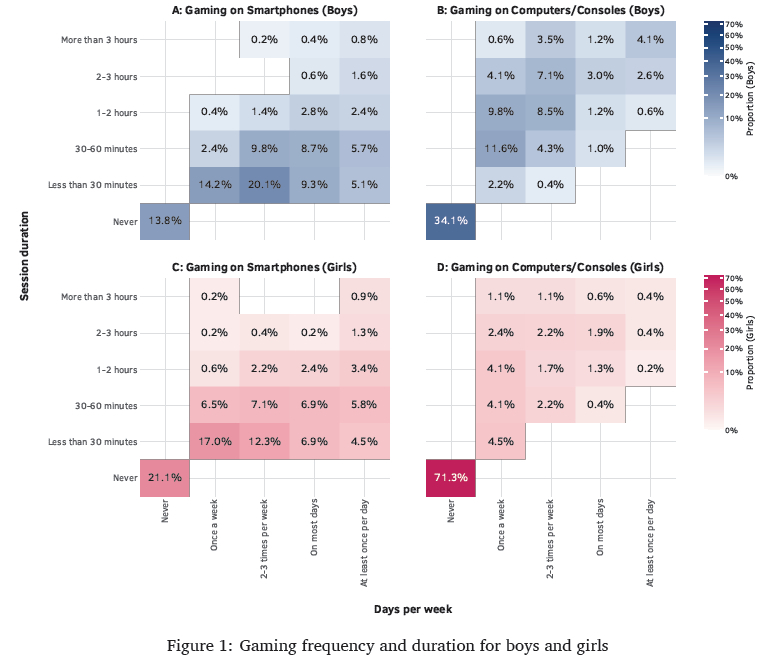
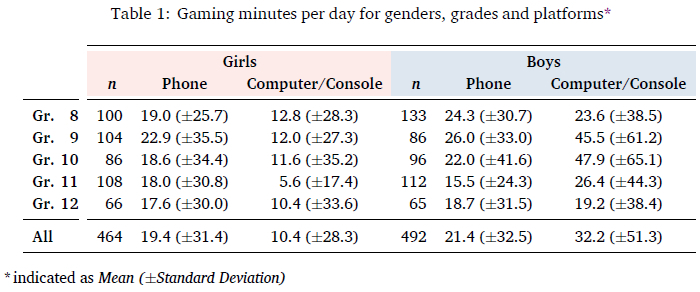
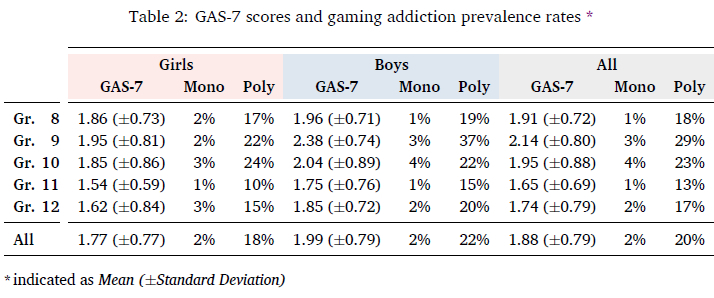
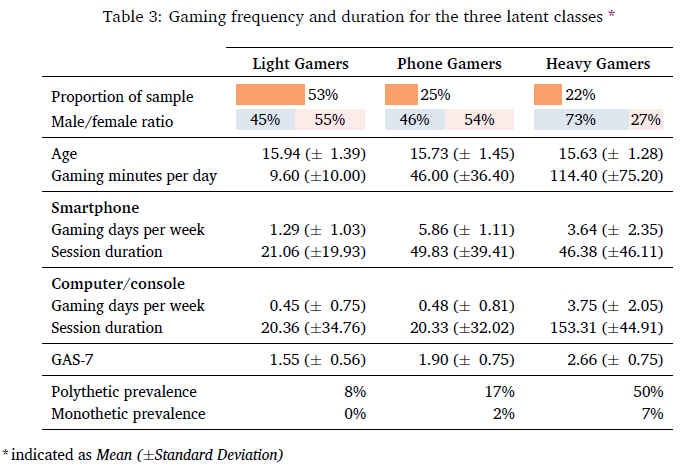
The amount of time adolescents spend on video games has steadily increased over the past five decades. Recently, the role of gaming in adolescent wellbeing has received growing scholarly attention, particularly following the inclusion of Internet Gaming Disorder as a condition for further study in the fifth edition of the Diagnostic and Statistical Manual of Mental Disorders (DSM-5). However, data from African contexts remain extremely limited, and little is known about South African adolescents' gaming behaviours and their effects. This study provides an important first step toward addressing this gap. Drawing on survey data from 960 high-school learners, we examine patterns of gaming behaviour, symptoms and prevalence of gaming addiction, and the interplay between gaming behaviours, academic performance and psychosocial outcomes. Our findings indicate that although South African adolescents tend to spend fewer minutes per day gaming than peers in North America and Europe, they report comparatively high levels of problematic gaming symptoms and prevalence. We identify three distinct gamer profiles: Heavy gamers, Phone gamers and Light gamers. Heavy gamers perform significantly worse academically than Light gamers. In terms of psychosocial wellbeing, Heavy gamers show higher levels of engagement than Light gamers but lower feelings of connectedness than Phone gamers. Categories • Applied computing → Law, social and behavioral science → Psychology • Applied computing → Education • Social and Professional Topics → User characteristics → Age → Adolescents
Video gaming; adolescents; addiction; academic performance; wellbeing
 Thumbnail