Exploring Salient Creditor Perspectives on Support for Business Rescue Plans for Decision-Making
Abstract
BACKGROUND: Creditors, especially banks, play a significant role during business rescue (BR) proceedings and in the sustainability of business operations after substantial implementation. The expectations by banks as influential secured creditors on the BR plans are still not refined and establishing the banks' benchmark on the plans and what drives their decisions is essential. PURPOSE/OBJECTIVE: This study investigates what banks regard as good or bad plans and what critical information drives their decision to support or reject the plans. DESIGN/METHODOLOGY: Data were collected through semi-structured interviews with ten individuals within the banking industry who are within business support, workout, or a turnaround department. FINDINGS: The findings reveal the key information that banks, as salient stakeholders, consider critical in BR plans for decision-making. This information relies heavily on deal-breaker factors, clear prospects, the proposed strategy, and financier caveats. Furthermore, the findings show that there is a need for the framework of BR plans to be revisited. RESEARCH LIMITATIONS: Based on voting powers, creditors included secured creditors only excluding trade creditors and suppliers. Furthermore, literature on BR plans in South Africa was found to be limited. ORIGINALITY/VALUE: The study highlights the need for improved knowledge and upskilling business rescue practitioners (BRPs) as well as for accredited professional bodies to relook at minimum requirements for awarding BRP licenses. BRPs can use this information to understand what creditors are looking for and engage with creditors for pre-packaged plans. BRPs can understand the criteria that creditors consider in a BR plan for it to be a good BR plan, and what information they need to persuade them to vote for BR plans.
business rescue plans; cause of distress; creditor; decision-making; financial distress; post-commencement finance; turnaround strategy
Introduction
Since its implementation in 2011, business rescue (BR) has struggled with questions of efficacy and overall success, particularly from the perspective of key creditors, whose support is essential for the success of BR plans (Ramnanun et al. 2020). The success rate was calculated at 18% in 2022 by the Companies and Intellectual Property Commission (CIPC) and has reduced even further to 11.5%, as published by the CIPC in 2024. This article aims to explore the critical perspectives of these influential creditors, emphasising the significance of including essential information in BR plans. Understanding the creditors' perspectives is crucial, as the exclusion of vital information can significantly impair decision-making by creditors who hold substantial voting interests, as corroborated by Kekana et al. (2024). This study seeks to bridge the gap in knowledge by examining the factors that creditors deem important when supporting BR plans, thereby ultimately contributing to more effective and successful BR outcomes.
Observations from various engagements in BR cases reveal that when a financially distressed business venture enters BR, creditors often experience a sense of uncertainty (Du Toit and Pretorius 2023, 1). For example, the South African Revenue Service (SARS) worries about its ranking as a creditor, while customers are concerned about the continuity of trade with the financially distressed business. This research further delves into these concerns and uncertainties, providing insights into how they influence the support for BR plans.
A study by Pretorius and Rosslyn-Smith (2014, 129) proposes that the BR plan needs to provide creditors and lenders with an opportunity to assess the risk and make informed decisions regarding potential investments and secure post-commencement financing (PCF). The BR plan needs to state the cause of the distress, whether there are opportunities for the distressed business, the appropriate turnaround strategies to be implemented, and the benefits or advantages for both creditors and the distressed business (Lusinga and Fairhurst 2020, 1). A well-articulated BR plan helps secure critical resources that would lead to opportunities; this point was also accentuated by Balgonbin and Pandit (2001, 301).
Pretorius and Rosslyn-Smith (2014, 127) advocate that BR plan should serve to enhance communication, enable transparency, showcase feasibility, honour contractual obligations, and source or secure PCF. Pretorius and Holtzhauzen (2008, 103) further argued that data integrity, distress severity, leadership capacity, resources, and strategy options are the most relevant elements to assess the question of whether there are distressed venture opportunities (reasonable prospect) and whether the BR process would result in better returns than the liquidation process as per Section 150 of Chapter 6 of the Companies Act No. 71 of 2008 (hereafter referred to as "the Act").
During BR proceedings, conflict between banks (as main creditors) and business rescue practitioners (BRPs) is commonplace. Once a business has entered BR, the respective banks often suspend facilities and place holds on the business operating accounts (Ramnanun et al. 2020), which frustrates the turnaround process, thereby leaving the BRP stranded with no operational cash flow. The tension between these two stakeholders is further fuelled by the need to raise PCF. Securing PCF to finance future business operations during BR is a priority and one of the crucial elements to continue business operations. In South Africa, PCF is still largely sourced from traditional financiers (banks, suppliers, or trade creditors and shareholders) as the market for distressed lending continues to be a challenge (De Abreu 2018, 87).
This article explores the creditor's perspective on the crucial information that should be included in the BR plan, with a particular focus on the banks' views regarding the presented information and how it influences decision-making. The study responds to the call by Pretorius and Rosslyn-Smith (2014, 32) to expand on research into expectations of BR plans, as BR proceedings are an ongoing process and the Act only gives guidance on the framework of BR plans. Furthermore, low success rates for BR also serve as a motivation for the research (Kekana and Pretorius 2024, 376). To achieve this, the study is based on (1) key information to assess the distressed venture opportunity to be rescued, (2) which information is crucial for decision-making, (3) the integrity of the information, and (4) how its absence influences decisions to be made.
BRPs may also benefit from the results of the research in (1) understanding the essential information to consider prior to and during the process of crafting BR plans, (2) ensuring they have the right teams, capabilities, and resources to investigate the business affairs, thereby enabling creditors to weigh the costs against potential opportunities and attract possible investors, and (3) assisting stakeholders, particularly creditors with limited knowledge of BR plans.
The Act stipulates that for a BR plan to be adopted, it must receive the favourable votes of at least 75% of creditors. Creditors hold significant influence as they are the primary stakeholders with the authority to vote on the business recovery plan. They are followed in importance by PCF investors and employees, all of whom play a crucial role in ensuring business continuity (Lusinga and Fairhurst 2020, 1-8). Creditors' understanding and comprehensive analysis of the BR plan play a crucial role in the business rescue process. Therefore, information asymmetry and lack of clarity in the BR plan can significantly impact creditors' understanding, potentially influencing their voting otherwise, as well as affecting investors' willingness to inject working capital (Wan and Watters 2021, 116-117).
The remainder of the paper reviews the relevant literature, followed by a discussion of the research methodology, findings, and their implications. The article concludes with a summary and suggestions for future research.
Business rescue proceedings offer distressed ventures an opportunity to pursue either a turnaround strategy or offer creditors a better return than in liquidation (BRIL). Restructuring the business can help it remain viable, thus contributing to economic growth, preserving jobs, and saving the business itself (Loubser 2013, 450). Section 128 (1)(b) of the Companies Act outlines three distinct forms of relief: (1) the supervision and management of business affairs; (2) a moratorium on all legal proceedings; and (3) the requirement for the BRP to publish a BR plan within 25 business days after their appointment. Creditors' decisions to accept or reject the BR plan largely depend on a comparison of the proposed liquidation value with the BR value specified in the plan (Bradstreet et al. 2015, 26). As such, abuse of the BR process may be prejudicial to the creditors' rights.
This research is grounded in existing literature that explains the core framework of BR plans and creditors' expectations of information in the BR plans that supports them in making informed decisions. The studies by Rosslyn-Smith and Pretorius (2015, 1-35) on BR plan expectations and by Pretorius (2018b, 317) on stakeholder dynamics serve as a foundation for this study as they provide insights into stakeholder dynamics, which are largely driven by salience of stakeholder powers (voting powers).
Creditors, particularly banks, tend to support specific BRPs based on their reputation. In order to protect their reputations and success rate, BRPs may opt for better returns than liquidation instead of pursuing reorganisation, even though this alternative is permitted and viewed as a success of BR by the Sec 128(1)(b) of the Act. However, due to the lack of clear BR success measures, banks often view the process negatively if there are no turnaround prospects.
Creditors Salience and Decision-Making
BRPs need to understand the role of each stakeholder and identify influential ones, especially creditors, to ensure collaboration and the success of the turnaround process. Decker (2016, 3) highlights the benefits of involving influential stakeholders early on. Miles (2017, 438) classifies stakeholders based on the stakeholder theory into influencers, claimants, recipients, and collaborators. According to the resource dependence theory by Jawahar and McLaughlin (2001, 397), in distress situations, stakeholders with resources are the influential party and hold the power, which becomes the deciding factor for decision-makers. According to Pretorius (2016, 484), the directors of the company sometimes file for BR unaware that they will lose all decision-making powers and financial control to the BRP which results in conflict. This conflict results in the BRP facing challenges, such as asymmetry of information from managers or the reluctance to cooperate (Wan and Watters 2021, 111).
Within the group of creditors, banks are the most influential key stakeholders as they have the power to vote for or reject the BR plan (Le Roux and Duncan 2013, 71). They have resources to support the success of the BR process and often hold security interests (Decker 2016, 1). In addition to evaluating the BR plan, another key factor influencing creditor decision-making is the security for their respective exposures. This gives banks power during BR proceedings, often leading BRPs to favour banks or be influenced by the bank's decisions. The treatment of sureties or guarantors in BR also plays a crucial role in the bank's decision-making as these are forms of security banks pursue when they cannot fully recover their debt in BR. In Investec Bank Ltd v Bruyns, the court ruled that the moratorium only protects the company that is in BR, not its sureties or guarantors, meaning the surety's liability remains intact. However, this judgment was challenged in the case of Tuning Fork (Pty) Ltd t/a Balanced Audio v Jonker and Another, where the court held that since the principal debtor's debt was compromised in the BR plan and the plan did not reserve creditor's right against the sureties, the sureties were released from their obligations (Swart and Lombard 2015, 522). This ruling may influence decisions regarding security holders as it impacts the creditor's security.
The Act is, however, silent on this matter and the court has ambiguous views. This gap in legislation and case law affects creditors' decisions especially if there are ambiguities in the BR plan. The paradox from the courts can lead to directors abusing the process, filing for BR so they can be released from suretyship obligations. However, creditors may not support the BR plan and vote against it to protect their rights and or security.
Further to the issue of security, the ranking of claims of creditors both pre- and post-commencement of BR proceedings has been a complex issue, significantly influencing creditors' decisions (Eliott 2012). The question of whether the ranking of claims can be altered was addressed in the case of the Airline Pilots Association (ALP-SA) as represented by South African Pilot's Association (SAAPA) v South African Airways SOC Ltd (SAA) during SAA's BR proceedings. The court ruled that the plan could not override the statutory preference and that employee claims must be handled in accordance with the Companies Act. Essentially, assets secured prior to the commencement of BR proceedings cannot be used to satisfy the claims of PCF creditors unless the creditors whose interests the assets serve have been paid in full. The ranking of secured creditors, particularly post-commencement secured creditors, is important to prospective PCF investors (Le Roux and Duncan 2013, 61).
Creditors are unlikely to support reorganisation if the information in the BR plan does not align with their interim perspective, thereby resulting in further value degradation. Therefore, a framework for assessing the realistic possibility of effective reasonable prospect is required before commencing with the BR proceedings, otherwise the BRPs need to demonstrate how the business will retain value if assets are liquidated while it is still a going concern. Accordingly, showing how the estimated size of the pie is to be divided between the creditors will be better than in liquidation (Altman and Hotchkiss 2006, 103).
Business Sustainability Opportunities
Ensuring the business remains viable and sustainable, a going concern creates more opportunities for ongoing trade with creditors and helps increase the overall value of the business (Pretorius and Du Preez 2013, 170). This section explores (1) reasonable prospect, (2) what informs business viability, and (3) factors influencing reasonable prospect and opportunities. The requirement for BR is that there must be a reasonable prospect for the business to be rescued (Conradie and Lamprecht 2015, 2).
The absence of clear guidance in the Act regarding the definition and criteria for assessing a "reasonable prospect" may have contributed to the ongoing ambiguity surrounding its interpretation. The first case requesting the court to intervene was the Southern Palace Investments 265 (Pty) Ltd v Midnight Storm Investments 386 (Pty) Ltd case, further mirrored by similar cases where the court ordered terminating BR because there was no reasonable prospect. Joubert (2013, 562) stated that a gap remains in the legal framework, as the court did not provide specific measures or prescribe a clear process for determining the existence of a reasonable prospect.
However, banks have internal systems that allow them to monitor risk, compliance, and covenant management. Their systems extend to a point where they can identify unpaid debit orders as well as observe deterioration in security values, particularly when the business debtors' book erodes or is diverted from the operating accounts to other financial institutions or when business creditors are stretched in terms of an agreed repayment plan (Rajan et al. 2015, 238). Hence, by the time the business goes into BR, the banks should know whether there is financial distress. Once the bank identifies a loan as distressed or non-performing, they make provision for impairment based on the doubtful portion of the loan aligned with International Financial Reporting Standard (IFRS) requirements 2018. It is imperative to identify how this position can be rectified during the BR process, based on the opportunities available.
The reasonable prospect of a distressed venture aligns with business viability, which is determined by the sustainability of business operations. However, business viability is also shaped by how the business distress is categorised: underperformance, decline, distress, or crisis (Pretorius 2004, 90). The characteristics of the business in distress are defined by causality, including the cause and severity of the distress, the availability of resources to address it, and the existence of opportunities that can be pursued.
Distressed Venture Opportunity Assessment for a Reasonable Prospect
The developing stigma associated with distress may spoil the organisation's image (Sutton and Callahan 1987, 405). Creditors are therefore indirectly exposed to factors such as declining demand and sales, as customers may seek alternative suppliers- especially for specialised services-while the suppliers may change trading terms and financiers may cancel facilities or reprice facilities (Rosslyn-Smith et al. 2020, 3). The BRP needs to confirm appropriation capacity, whether the business assets are used to optimal capacity or not. This evaluation is useful in several ways: firstly, in identifying assets that are not generating income that can be sold; secondly, in informing what assets can be used to attract PCF; thirdly, in evaluating value and profit to understand the pricing on the products and what affect margins; and fourthly, in assessing the company's liquidity and cash. The reasonable prospect question needs to be raised each time a distress situation arises: "Can the situation afford a turnaround to be executed?" Additionally, can the perceived demand, appropriation capacity, value and profit model, projected liquidity, cash, and rectifiable caveats-along with proper management- provide an opportunity to pursue turnaround and perhaps save the business? Or should alternative strategies be pursued instead?
Another useful approach, as put forth by Choi and Shepherd (2004, 385) and asserted by Shepherd (1999, 628), is the use of an opportunity scorecard in the analysis of the various elements of a distressed venture. This method entails examining the value proposition, business support, demand for goods or services, and the competitiveness of the economic environment in which the venture operates.
Pretorius and Holtzhauzen (2013, 479) propose the verifier determinants approach, which identifies the management, financial, strategic, operational and marketing, and, especially relevant for this study, the banking determinants. These determinants can assist BRPs in making informed decisions by providing a quick overview of early warning signs, ultimately saving time and guiding the development of effective BR plans. Verifier determinants are generally interconnected and readily observable, as many issues within a business are visible just beneath the surface. The study by Pretorius (2017, 65) also developed a reasonable prospect assessment which can assist BRPs to assess a business prior to accepting an appointment and can assess the distressed arena in terms of whether the business is performing, underperforming, in strategic distress or in crisis.
The literature emphasises that the experience and expertise of BRPs are the key drivers for BRPs to explore numerous analyses to determine reasonable prospects during investigations to determine opportunities for the distressed venture and should inform the BR plan to assist decision-makers.
Turnaround Strategies
BR plans are typically guided by the proposed strategies in response to financial distress. Maheshwari (2000, 47) notes that from a loss situation, a corporate turnaround is achieved when the business at least reaches break-even. This understanding builds on Hofer's (1980, 19) broader definition of a turnaround strategy as the actions taken to prevent the decline of an organisation. Strategies should therefore address various issues of importance to decision-makers.
For creditors, key decision-making factors include assessing the turnaround strategy to determine the risks associated with the long-term sustainability of dividend payouts. As a result, the need for a turnaround can be categorised into internal and external factors. The internal factors normally emanate from the mismanagement of resources in the functional areas of a business. Schendel et al. (1976, 3) assert that it is possible to control these causes if they are detected early and corrected immediately since they are due to poor performance of one or more resources.
Schendel et al. (1976) suggested that the internal causes identified above can negatively affect a business but are concurrent with external factors. Non-performance in the functional areas will likely lead to failure in being competitive in the operating economy. In their study, Panicker and Manimala (2015, 26) noted that asset and cost reduction outcomes may be influenced by industry trends. Therefore, turnarounds must be carefully analysed, with financial obligations considered. Hofer (1980, 20) fundamentally argued that for companies in severe financial distress to survive, they must aggressively reduce costs and assets.
As previously mentioned, the four quadrants for the turnaround situation based on the severity of distress are performing, underperformance, strategic distress, and crisis. To assess in which quadrant the business in distress falls, the factors that need to be considered are resource munificence and causality which are succinctly described below.
Resource munificence determines the scarcity or abundance of critical resources required for business operations (Castrogiovanni 1991, 542), which is referred to as organisational capital (Levinthal 1991, 397) and known as the "level of free assets" (Smith and Graves 2005, 304). Turnaround situations are largely determined by resource munificence and the origin of the distress. Causality, or the origin of distress, refers to the underlying cause of the problem, which can either be operational or strategic. Operational causes are typically internal issues, often easily rectified, such as incompetent management. Pursuing rescuing a business without sufficient resources is futile, akin to "flogging a dead horse." Understanding when to exit is crucial, especially when resources are already depleted (Y amakawa and Cardon 2017, 2).
Do We Have a Business? Assessment and Methodology
The reasonable prospect for a distressed venture depends on whether the business can be salvaged. To determine whether rescuing the distressed business is feasible, the BRP must assess whether the company has all the necessary components to become profitable once the rescue proceedings are completed (Du Toit et al. 2019, 6).
Timmons and Spinelli (2007, 111) stated that to identify opportunities in a distressed venture and conduct an opportunity analysis, the key factor in measuring opportunity is market demand, which is defined by market structure and informed by margin analysis. Other important elements include consumer behaviour and available resources. Du Toit et al. (2019, 6) further support these findings, arguing that the foundation of the "do we have a business test" lies in the feasibility principle and opportunity analysis. The study defines a feasibility study as the process of examining the viability of a proposal from inception to execution. Pretorius (2018a, 10) supports this by outline key measurement tools: (1) demand; (2) capacity; (3) profitability model; (4) liquidity; and (5) caveats.
Du Toit et al. (2019, 6) developed the "do we have a business" test using these principles, integrating it with a sense-making canvas that visualises the elements as balloons. The test evaluates five key constructs of whether there is: demand; capacity; profitability; a positive cash flow; and the presence of either fatal or rectifiable caveats. These elements would need to be managed properly to operate the business profitably. The balloon assessment, along with a fire assessment, can help answer the "do we have a business" question, which in turn informs the determination of reasonable prospects and the appropriate turnaround strategy. However, it is important to note that BRPs often have their own methods for evaluating reasonable prospects.
Effects of the Business Rescue Plan on Decision-Making
The formulation of the BR plan is one of the most significant and urgent duties of the practitioner. Section 150 of the Act provides for the BR plan framework and the minimum information required.
Pretorius and Rosslyn-Smith (2014, 126) found that the objectives of a reorganisation plan are consistent across four regimes-USA, UK, Canada, and Australia-aiming to achieve better return for creditors. In contrast, Museta (2011, 30) views the BR plan as a tool to avoid liquidation. Further, Pretorius and Rosslyn-Smith (2014, 127) found that the expectations placed on the BR plan are the same in all four regimes, guided by factors such as feasibility, information, transparency, contractual, and the attraction of investors in terms of PCF. Gribnitz et al. (2025) suggest that the threat of capital loss is an important factor to consider in turnaround situations.
The paper confirms that there is a gap between South African BR plans and international reorganisation plans. The study's findings were based on published BR plans and argue for a need to expand research to include the views of creditors regarding BR plans
The likely dividend that creditors, in their respective classes, would receive if the company was to be liquidated is an important determinant. The purpose of a proper BR plan is to demonstrate whether there is a chance of better returns for creditors, and the business's ability to return to sustainable profitability is also important to future investors. Accordingly, Han et al. (2007, 7) concur that stakeholders, including future investors, are unlikely to support a BR plan that is ill-defined and incomplete. Therefore, the literature supports the view that the approval or rejection of a BR plan depends primarily on the turnaround strategy, further emphasising the need for collaboration between the BRP with the banks to improve the likelihood of rehabilitation and address information asymmetry.
Research Design
As part of an exploration to enhance understanding, the study employed a generic qualitative research method (Merriam 1998, 22). It involved sampling from four commercial banks and one development finance institution, each with departments specialising in managing portfolios of distressed businesses and participating in BR proceedings, including voting for or rejecting BR plans (Doyle et al. 2020, 446; Neergaard Olesen et al. 2009, 2). The choice of this method was influenced by the aim to maintain a critical view of the banks on the format of BR plans and their perspectives on what is regarded as bad or good BR plans (Sparkes and Smith 2014, 534).
Feedback was collected through online audio-recorded semi-structured interviews using the Microsoft Teams software application. The method used was the preference of all ten participants. Saarijärvi and Bratt (2021, 392-396) mentioned that although face-to-face interviews have been the most used method over the years, the restrictions of the COVID-19 pandemic have forced exploring alternative data collection methods. The study used semi-structured interviews with only banking professionals, relying on purposive sampling. While the study aimed to capture credible perspectives, a sample size of ten may limit the generalisability of findings across all banks, especially given the diversity within the banking industry.
Data Analysis
Thematic analysis was used for analysing interview transcripts to search for repeated patterns of key themes within qualitative data (Braun and Clarke 2012, 57). The coding technique was used to identify topics, issues (constraints, hindrances), and similarities in the data. Coding and grouping of themes were done using Microsoft Excel and Word, and the themes were then linked to the research questions, which lead to the findings and conclusion, discussed below.
Findings
The objective of this study was to gain insights into the banks' perspectives on BR plans and the information necessary for decision-making within those plans. To address the research questions, five main themes were identified to explore the key elements highlighted by this study. Table 1 includes the main themes that are linked to the research questions.
Findings Related to Research Question 1
The first research question addressed the information that is required in BR plans for decision-making as to whether there are opportunities to support the distressed business.
Theme 1: Objective Assessment of the Quality of Plans
This theme unpacks the quality of BR plans based on what the bank perceives as a bad plan and what they perceive as a good plan. Four of the participants, who are senior corporate bankers, expressed that during BR proceedings, corporate businesses are treated differently from small to medium enterprises. The participants stated that, specifically in corporate and investment banking, the BR plans are usually prepared by a credible BRP in conjunction with credible legal firms, so much so that their involvement adds to the quality and the credibility of the plans. This confirms the findings by Lusinga and Fairhurst (2020, 8) that the reputation and business acumen of the BRPs are critical.
One participant noted that banks, particularly lenders and bigger affected parties with a normal carrying or a blocking vote, do not view BR positively. Voting power compels BRPs to engage with banks in the process of drafting the plan. Consequently, the appointment and involvement of credible BRPs and credible legal firms is critical. These findings align with Rajaram et al. (2018, 10), who stated that a pre-assessment depends on the BRP's competency and reputation.
What Banks Consider a Bad BR Plan
All ten participants confirmed that, at the time of the interviews, they had reviewed between 20 and 50 BR plans each, with the number of bad plans outweighing the number of good ones. The research findings revealed that the BR plans considered "bad" by banks often lacked specific information mentioned by three participants, including an incomplete or missing asset register and the absence of timelines for repayments or milestones related to the sale of assets.
The other two participants noted that bad BR plans often lack a reasonable prospect and a clear turnaround strategy, with terms like "pie in the sky," "soft," "glorified," and "disguised" liquidation used to describe them. Additionally, these plans failed to include a creditor's list outlining claims and lacked a dividend schedule to indicate repayment timelines, preventing creditors from making an informed decision between BR and liquidation. One participant emphasised that:
What makes these plans bad is execution risk because of the fact that it's either a business in which there's no prospect of rescue and it should rather be placed into liquidation and the execution risk emanates from some sort of plan which is underpinned by growth in revenue or new markets. Or the fact that no one addresses liquidity and how the liquidity will be sustained. (P9, Male, Credit Executive)
What Banks Consider a Good BR Plan
The findings suggest that all participants assess the BR plans, and for a plan to be considered good, five participants required it to include a clearly defined turnaround strategy. Four participants also emphasised the need for pre-engagement and pre-packaged plans, accurate financials, and confirmation of a potential PCF investor.
The remaining participants stated that they would prefer to see a substantial implementation clause with milestones to measure performance, as well as a clear dividend schedule to assess whether BR offers a better return than in liquidation. This aligns with the study by Rosslyn-Smith and Pretorius (2015, 87), who argued that to quantify substantial implementation, measurable objectives must be set.
Findings Related to Research Question 2
The second research question focused on the specific information required by the bank in a BR plan which is needed for decision-making.
Theme 2.1 : Feasibility Analysis
This theme explores the information required by banks in BR plans. Below are key indicators of the information banks consider essential when deciding whether to support or vote against the plan. This finding aligns with Pretorius and Rosslyn-Smith (2014, 129), that the expectation of the BR plan is that it should propose a strategy for recovery for the affected parties to assess its feasibility.
Cause of Distress
Five participants stated that they require a BR plan to clearly state what went wrong and the reason the business is in distress. Further, one of the participants mentioned that it needs to be clear whether there is still a business to support and what the management capabilities are, as emphasised in the quote below:
A plan needs to be supported by creditors, but if you don't have that detailed plan, you can't even diagnose from the beginning what went wrong and how you're going to resolve it. It's just a waste of time. (P1, Female, Turnaround & BR Specialist)
Turnaround Strategy
Five participants emphasised that it is vital to present a turnaround strategy in the BR plan. Other participants believe that, apart from the turnaround strategy, the opportunity for the distressed venture should make sense in terms of market demand and potential for product diversification. They also question whether the business plans to introduce new product lines that could aid in revenue generation.
Theme 2.2: Quantitative Information
Financial Assessment
The banks have a robust approach regarding financial assessment as it enables them to perform a sensitivity analysis. All ten participants required the BR plan to include accurate financials and cash flow analysis/projections. One participant suggested that the reason banks carefully examine financial information and cash flow projections is that they provide crucial support in determining whether the business remains a going concern. The following quotation articulates this finding:
You want to see their profit margins to make sure that they do things correctly. As banks, we also rely on financial information. So, you want to make sure that those financials are accurate. (P4, Male, Portfolio Executive)
Creditors List and Security Ranking
Four participants mentioned that they want to see the creditors list with the voting percentage and the security ranking. One participant, who is a senior bank member, mentioned that the bank's reputational risk and how the community deems the bank is very important. Therefore, they try to work together with the BRP and the unsecured creditors as much as possible.
List of Assets and Valuation
In many instances, the business's assets are collateral for the bank's exposure. One participant indicated that a valuation or a list of all the assets will support in understanding the business equity and how sustainable the business is. Another participant indicated that the bank must obtain valuations of the business to confirm that the business is still secured or to work out the impairment as they need to make provision for any expected credit loss.
The participants further confirmed that banks rely on the valuations done by the BRP. However, as they are such an important element, they also have their own specialists appointed for valuations to ensure there is no discrepancy.
Findings Related to Research Question 3
The third research question focused on how the required information affects banks' decisions.
Theme 3: Bank Assessment Support
Deal Breaker
There is specific information that banks consider crucial in a BR plan, and if this information is missing, it is seen as a deal breaker. Five participants emphasised that a BR plan containing a clause that protects sureties or guarantors from their obligations is considered unacceptable. Banks still want to protect their own rights regarding the security they hold, which includes the legal pursuit of sureties or guarantors in the event of a shortfall in dividend payments.
Five participants require BR plans to include clear repayment schedules indicating what the creditor's return will be in the BR as well as in liquidation, and, therefore, require both the BR and liquidation value. Four participants mentioned that the deal breakers for banks are inexperienced and uncooperative BRPs, while other participants mentioned that no turnaround plan and loss of market are also deal breakers.
Figure 1 summarises the participants' responses on what banks consider deal breakers when deciding to support a BR plan.
Contributing Factors to BR Failure
CIPC statistics continue to show low success rates in BR matters. The findings of this study suggest that four participants identified several factors contributing to BR failure: BRPs' lack of knowledge and skills; insufficient capacity due to handling numerous cases that lead to inadequate attention and reliance on the same management; and a lack of reasonable prospects and market opportunities. These findings align with Pretorius (2018a, 10), who noted that BRPs' lack of skills and knowledge negatively impacts the success of BR, often leading to failure. The point was emphasised by the quote below:
These BRPs are not always turnaround specialists. There are a few of them you can count on one hand, maybe use one finger or two on the other, but not all of them have the ability to go in and understand the business. (P9, Male, Executive)
Three of the participants also mentioned that the contributing factors to the failure of BR are late filing, uncooperative BRPs, and lack of PCF. However, one participant, who is an executive at a bank, mentioned that "banks are not keen to provide PCF unless it's against fresh security or security which has not been encumbered by other creditors in a business and there is also [a] lack of a distressed funding market." The following quote further expounds on this matter:
What you do find is that sometimes lenders or a contributing factor for the PCF not coming to the floor, is that we've got someone who's willing to provide PCF if they do it at prime plus 10% but want to take other security and the banks are usually not willing to consent to further security being taken. (P9, Male, Executive)
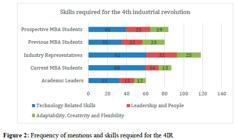
Figure 2 summarises all participants' responses regarding what banks consider as the contributing factors to the failure of BR. It points towards the role of the BRP as a key contributor influencing the creditor decisions.
Findings Related to Research Question 4
The fourth research question addresses the effect of the missing information or information asymmetry.
Theme 4: Information Asymmetry
Obtaining Missing Information
To address information asymmetry, four participants highlighted that they engage with BRPs to obtain information that is not included in the BR plans, however, it is imperative for decision-making on the BR plans. Another three cited that they will engage at the creditors meeting and will continue requesting the postponement of the creditors' meeting until the information required is attained. The following quote supports this finding:
We banks are bullies, you know that. We go and we say we're not going to vote for this plan unless you do that, and then usually that gets done. (P9, Male, Executive)
Effects of Absence of Information
The absence of information presents its own challenges, particularly in delaying BR proceedings, as is often considerable back-and-forth until the information is provided. Three of the participants mentioned that this delay impacts on the voting decision on the plans, while three other participants emphasised that it could potentially lead to litigation to request the removal of the BRP. The following quote emphasises the point regarding the delays in providing information for decision-making:
We have meetings to discuss if there's anything missing [that] we asked for, and then we follow through and then discuss before they actually come up with the final plan. So, there would be extensions of the proper BR time frames. (P7, Female, Manager)
Other participants mentioned that should they not receive the required information at the creditors meeting, they will continue to postpone the creditors meeting for voting on the BR plan until the information required is obtained.
Findings Related to Research Question 5
The fifth question focused on how the bank goes about ensuring the data integrity of information included in the BR plan.
Theme 5: Data Integrity
Banks have access to historical client information as they conduct annual reviews of facilities granted to clients and can utilise Credit Experian for credit checks, as well as review court judgements. During a BR, the quality of information provided is crucial to the decision-making process. This theme explores how banks verify the integrity of data received from the BRP to inform their decisions on the plan.
Half of the participants stated that they have credit relationships with the BRPs and confirm the integrity of the information through constant engagement. Four other participants mentioned ongoing communication between the banks and the BRPs, while other participants noted that they rely on the integrity of the BRP, emphasising the importance of the BRPs' reputation and ethical behaviour.
Discussion of Findings
The study was conducted to better understand and investigate banks' perspectives on the information required for decision-making in BR plans. As key stakeholders, banks play a crucial role as creditors, often holding a significant voting percentage as a secured creditor. The findings indicate that there are several gaps in the quality of BR plans, leading to their classification as bad plans. However, improvements have been observed since the inception of BR in 2011.
The key findings of this study are summarised in five main elements. Theme 1 reveals that banks still perceive the quality of most BR plans as poor, primarily due to their incompleteness and the lack of essential information needed for decision-making. The plans considered good are typically those involving pre-engagements, where there is clear understanding of the information required by the banks.
Findings from theme 2 suggest that banks view the ability to determine the cause of distress and identify what went wrong as critical information in BR. Banks want to see a clear turnaround strategy outlining how the business plans to recover. Furthermore, confirmation of PCF is necessary to support the cash flows required for business operations.
An important insight from theme 3 is that BRP skills, knowledge, reputation, and cooperation are crucial to the banks and can act as deal breakers. A lack of PCF is perceived as both a deal breaker for voting in favour of the BR plan and a contributing factor to BR failures.
Themes 4 and 5 revealed that the turnaround strategy and reasonable prospect should be supported by accurate cash flows and financial information, confirmation of resources, including the market demand, and a substantial implementation clause to outline measurable indicators for the successful execution of the plan. There should not be information asymmetry, as banks rely on the BRPs' reputation and ethics to provide accurate information. A lack or absence of information delays voting on the plan, which can prolong the BR process or lead to the rejection of the plan.
An unforeseen finding of this study is that banks treat small- and medium-sized enterprises in BR differently to commercial and corporate companies in BR. This presents an area for further research. Based on the findings, banks want to know whether there is a reasonable prospect for the business. However, there is a gap in the Act as it does not provide specific measures or a prescribed process for assessing reasonable prospects. Even with court decisions, ambiguity remains, which also presents an area for further research.
Theoretical Implications
Section 150 of the Act provides the BR plan framework outlining a list of elements that are that must be included in the plan. The findings by Pretorius and Rosslyn-Smith (2014, 134) suggest that the decision-making process is hindered by the absence of sufficient information in these elements. However, they note that these elements represented a standard set of data that should be present in any substantial BR plan. There is a gap in BR plans as previous literature has indicated that they are not useful for decision-making. Creditors are often dissatisfied with the quality of these plans, viewing them more as legal documents than decision-making tools. This aligns with the prior literature, which has focused on the expectations outlined in the Act but overlooked the need for a comprehensive, prescribed format for plans.
This study was able to show clearly what banks use for decision-making, how they support a BR plan, what they consider to be a bad or good BR plan, and what the key elements are that they are looking for in a BR plan that will help them to decide whether to support or vote against the plan. Pretorius and Rosslyn-Smith (2014, 129) argue that the BR plan needs to enable creditors and lenders an opportunity to assess the risk and make informed decisions regarding potential investments and secure PCF.
Managerial Recommendations
The information in the BR plan should outline the risks associated with pursuing the plan and compare them to a liquidation scenario. It should also consider the information provided to creditors as this can be considered a deal breaker (Rosslyn-Smith and De Abreu 2022, 4).
The study emphasises the importance of the BR plan including the cause of distress and the strategy to be followed for turning around the business. It should also consider the protection of the interests of all parties, including unsecured creditors, employees, and other stakeholders, to ensure fairness and a successful outcome for all involved (Gant 2022, 3-7). Additionally, the study highlights the importance of appointing trustworthy, cooperative, and experienced BRPs who are capable of conducting pre-assessments, engaging with creditors, and obtaining PCF prior to developing a plan for successful outcomes.
The present study underscores the need for improved knowledge and upskilling of BRPs, as well as for the CIPC to reconsider the minimum requirements for awarding BRP licences. BRPs can use these insights to better understand what creditors are looking for, engage with them before finalising the plans, and incorporate this feedback into the development of BR plans. BRPs now have a clearer understanding of the elements that make a good BR plan, what creditors consider when voting, and the information they rely on during the decision-making process.
The information can also be used to update Chapter 6 of the Act. Besides BRPs, other creditors, such as SARS and suppliers, can use this information in viewing fundamental information in BR plans. Academic institutions and professional bodies, such as South African Restructuring and Insolvency Practitioners Association (SARIPA) and Turnaround Management Association of South Africa (TMA-SA), can also use this information to train BRPs on how to develop successful or high-quality BR plans to the extent of academic institutions to focus on both practical and legal theory.
Limitations and Directions for Future Research
A limitation of the present study is that it focused solely on banks, excluding other creditors, such as SARS, trade creditors, and suppliers. Additionally, literature on BR plans in South Africa was also found to be limited. Future research could explore the perspective of other creditors, other than banks, and what they look for in BR plans. Another potential avenue for research is examining the viability of distressed funding, particularly in terms of PCF, especially from DFIs and private equity funding companies. Based on the findings of this study, banks perceive the lack of PCF as a deal breaker; however, they are often reluctant to grant additional funding to these businesses.
Expanding the sample to include representatives from a wider range of financial institutions, such as smaller banks or alternative financiers, could offer potentially more balanced insights. Additionally, incorporating other key creditors (e.g., trade creditors) could diversify perspectives on BR plans.
References
Literature Review
-
Airline Pilots Association of South Africa (ALPA-SA), as represented by the South African Airways Pilots Association (SAAPA), a branch of ALPA-SA obo Members v South African Airways (SOC) Ltd and Others (J398/21) [2021] ZALCJHB 57, (2021) 42 ILJ 1087 (LC) (May 23, 2021). https://www.saflii.org/za/cases/ZALCJHB/2021/57.html.
» https://www.saflii.org/za/cases/ZALCJHB/2021/57.html -
Altman, E. I., and E. S. Hotchkiss. 2006. Corporate Financial Distress and Bankruptcy: Predict and Avoid Bankruptcy, Analyze and Invest in Distressed Debt. 3rd ed. John Wiley. https://doi.org/10.1002/9781118267806.
» https://doi.org/10.1002/9781118267806 -
Balgobin, R., and N. Pandit. 2001. "Stages in the Turnaround Process: The Case of IBM UK." European Management Journal 19 (3): 301. https://doi.org/10.1016/S0263-2373(01)00027-5.
» https://doi.org/10.1016/S0263-2373(01)00027-5 - Bradstreet, R. S., M. Pretorius, and P. Mindlin. 2015. "The Wolf in Sheep's Clothing-When Debtor-Friendly Is Creditor-Friendly: South Africa's Business Rescue and Alternatives Learned from the United States." Journal of Corporate and Commercial Law and Practice 1 (2): 1-41.
- Braun, V., and V. Clarke. 2012. "Thematic Analysis." In APA Handbook of Research Methods in Psychology, edited by H. M. Cooper and the American Psychological Association. American Psychological Association.
-
Caelli, K., L. Ray, and J. Mill. 2003. "'Clear as Mud': Toward Greater Clarity in Generic Qualitative Research." International Journal of Qualitative Methods 2 (2): 1-13. https://doi.org/10.1177/160940690300200201.
» https://doi.org/10.1177/160940690300200201 -
Castrogiovanni, G. J. 1991. "Environmental Munificence: A Theoretical Assessment." Academy of Management Review 16 (3): 542-65. https://doi.org/10.5465/amr.1991.4279475.
» https://doi.org/10.5465/amr.1991.4279475 - Charmaz, K. 2014. Constructing Grounded Theory. SAGE.
-
Choi, Y. R., and D. A. Shepherd. 2004. "Entrepreneurs' Decisions to Exploit Opportunities." Journal of Management 30 (3): 377-95. https://doi.org/10.1016/j.jm.2003.04.002.
» https://doi.org/10.1016/j.jm.2003.04.002 - Commissioner for the South African Revenue Service v Louis Pasteur Investments (Pty) Ltd and Others (12194/17) [2021] ZAGPPHC 89 (March 4, 2021).
-
Companies and Intellectual Property Commission (CIPC). 2022. "Status of Business Rescue Proceedings in South Africa." Accessed March 3, 2023. https://www.cipc.co.za/wp-content/uploads/2020/10/Status_of_Business_Rescue_in_South_Africa_September_2015_version1_0.pdf.
» https://www.cipc.co.za/wp-content/uploads/2020/10/Status_of_Business_Rescue_in_South_Africa_September_2015_version1_0.pdf -
Companies and Intellectual Property Commission (CIPC). 2024. "Termination-and-Sub-Implemention-for-Publication-Sep-2024." Accessed October 10, 2024. https://www.cipc.co.za/wp-content/uploads/2024/09/Copy-of-Termination-and-Sub-Implemention-for-Publication-Aug-2024-002.xlsx.
» https://www.cipc.co.za/wp-content/uploads/2024/09/Copy-of-Termination-and-Sub-Implemention-for-Publication-Aug-2024-002.xlsx - Conradie, S., and C. Lamprecht. 2015. "Business Rescue: How Can Its Success Be Evaluated at Company Level." Southern African Business Review 19 (3): 1-29.
-
Cope, D. G. 2014. "Methods and Meanings: Credibility and Trustworthiness of Qualitative Research." Oncology Nursing Forum 41 (1): 89-91. https://doi.org/10.1188/14.ONF.89-91.
» https://doi.org/10.1188/14.ONF.89-91 -
De Abreu, N. V. A. 2018. "An Exploration of the Costs Associated with Business Rescue in South Africa." MCom diss., University of Pretoria. https://repository.up.ac.za/bitstream/handle/2263/70066/DeAbreu_Exploration_2018.pdf?sequence=1 & isAllowed=y.
» https://repository.up.ac.za/bitstream/handle/2263/70066/DeAbreu_Exploration_2018.pdf?sequence=1 & isAllowed=y -
Decker, C. 2016. "Stakeholders' Impact on Turnaround Performance: The Case of German Savings Banks." Journal of Small Business Management 56 (4): 534-54. https://doi.org/10.1111/jsbm.12274.
» https://doi.org/10.1111/jsbm.12274 -
Doyle, L., C. McCabe, B. Keogh, A. Brady, and M. McCann. 2020. "An Overview of the Qualitative Descriptive Design Within Nursing Research." Journal of Research in Nursing 25 (5): 443-55. https://doi.org/10.1177/1744987119880234.
» https://doi.org/10.1177/1744987119880234 -
Du Toit, A. C., M. Pretorius, and W. Rosslyn-Smith. 2019. "Small, Medium and Micro-Enterprises: Distress and Factual Evaluation of Rescue Feasibility." Southern African Journal of Entrepreneurship and Small Business Management 11 (1): 149. https://doi.org/10.4102/sajesbm.v11i1.149.
» https://doi.org/10.4102/sajesbm.v11i1.149 -
Du Toit, A. C., and M. Pretorius. 2023. "Investigating Tensions Experienced by Decision-Makers During a Business Rescue Event." Southern African Journal of Entrepreneurship and Small Business Management 15 (1): 1-13. https://doi.org/10.4102/sajesbm.vl5il.714.
» https://doi.org/10.4102/sajesbm.vl5il.714 -
Eliott, A. 2012. "Ranking of Administration Costs of and Claims Against a Company in Liquidation Post Business Rescue." Insolvency and Business Rescue News. Accessed March 8, 2023. https://www.mondaq.com/southafrica/insolvencybankruptcy/163454/ranking-of-administration-costs-of-and-claims-against-a-company-in-liquidation-post-business-rescue.
» https://www.mondaq.com/southafrica/insolvencybankruptcy/163454/ranking-of-administration-costs-of-and-claims-against-a-company-in-liquidation-post-business-rescue -
Gant, J. L. 2022. "Optimising Fairness in Insolvency and Restructuring: A Spotlight on Vulnerable Stakeholders." International Insolvency Review 31 (1): 3-7. https://doi.org/10.1002/iir.1448.
» https://doi.org/10.1002/iir.1448 - Gribnitz, K. J., M. Pretorius, and S. Le Roux. 2025 "Exploring the Salience of Fundamental Moments in Turnaround Research." Forthcoming, Journal of Contemporary Management.
-
Guest, G., A. Bunce, and L. Johnson. 2006. "How Many Interviews Are Enough? An Experiment with Data Saturation and Variability." Field Methods 18 (1): 59-82. https://doi.org/10.1177/1525822X05279903.
» https://doi.org/10.1177/1525822X05279903 - Han, C., A. Huml, A. Kagalkar, L. Saito, and K. Sundjaja. 2007. "The City Revival Plan: Circuit City Analysis and Restructuring." Research Paper, Turnaround Management Association. Columbia Business School.
-
Hennink, M., and B. N. Kaiser. 2022. "Sample Sizes for Saturation in Qualitative Research: A Systematic Review of Empirical Tests." Social Science and Medicine 292: 114523. https://doi.org/10.1016/j.socscimed.2021.114523.
» https://doi.org/10.1016/j.socscimed.2021.114523 -
Hofer, C. W. 1980. "Turnaround Strategies." Journal of Business Strategy 1 (1): 19-31. https://doi.org/10.1108/eb038886.
» https://doi.org/10.1108/eb038886 -
Investec Bank Ltd v Bruyns (19449/11) [2011] ZAWCHC 423; 2012 (5) SA 430 (WCC). https://www.saflii.org/za/cases/ZAWCHC/2011/423.html.
» https://www.saflii.org/za/cases/ZAWCHC/2011/423.html -
International Accounting Standards Board. 2018. "Conceptual Framework for Financial Reporting 2018." London: IFRS Foundation. Accessed May 21, 2023. https://www.ifrs.org/issued-standards/list-of-standards/conceptual_framework/.
» https://www.ifrs.org/issued-standards/list-of-standards/conceptual_framework/ -
Jawahar, I. M., and G. L. McLaughlin. 2001. "Toward a Descriptive Stakeholder Theory: An Organizational Life Cycle Approach." The Academy of Management Review 26 (3): 397-414. https://doi.org/10.2307/259184.
» https://doi.org/10.2307/259184 - Joubert, E. P. 2013. "Reasonable Possibility Versus Reasonable Prospect: Did Business Rescue Succeed in Creating a Better Test Than Judicial Management." THRHR 76: 550.
-
Kekana, M. K., and M. Pretorius. 2024. "Investigating Management-Led Corporate Turnaround Strategies Compared to the Application of Business Rescue Proceedings: A Case Study of Rebosis Property Fund." In AfRES Conference Proceedings, September 10-13, Livingstone, Zambia. https://doi.org/10.2139/ssrn.4997945.
» https://doi.org/10.2139/ssrn.4997945 -
Kekana, M. K., M. Pretorius, and N. V. A. De Abreu. 2023. "Enhancing Creditor Decision-Making in South African Business Rescue Proceedings: A Comprehensive Analysis of Information Requirements in Business Rescue Plans." International Journal of Law and Management 66 (5): 555-77. https://doi.org/10.1108/IJLMA-10-2023-0234.
» https://doi.org/10.1108/IJLMA-10-2023-0234 -
Korstjens, I., and A. Moser. 2018. "Series: Practical Guidance to Qualitative Research. Part 4: Trustworthiness and Publishing." The European Journal of General Practice 24 (1): 120-24. https://doi.org/10.1080/13814788.2017.1375092.
» https://doi.org/10.1080/13814788.2017.1375092 -
Le Roux, I., and K. Duncan. 2013. "The Naked Truth: Creditor Understanding of Business Rescue: A Small Business Perspective." South African Journal of Entrepreneurship and Small Business Management 6 (1): 57-74. https://doi.org/10.4102/sajesbm.v6i1.33.
» https://doi.org/10.4102/sajesbm.v6i1.33 -
Levinthal, D. A. 1991. "Random Walks and Organisation Mortality." Administrative Science Quarterly 36: 397-420. https://doi.org/10.2307/2393202.
» https://doi.org/10.2307/2393202 -
Lietz, C. A., and L. E. Zayas. 2010. "Evaluating Qualitative Research for Social Work Practitioners." Advances in Social Work 11 (2): 188-202. https://doi.org/10.18060/589.
» https://doi.org/10.18060/589 - Loubser, A. 2013. "Tilting at Windmills? The Quest for an Effective Corporate Rescue Procedure in South African Law." South African Mercantile Law Journal 25 (4): 437-57.
-
Lusinga, D. D., and K. J. Fairhurst. 2020. "Role of Stakeholders in Business Rescue." South African Journal ofBusinessManagement 51 (1): 1-11. https://doi.org/10.4102/sajbm.v51i1.1957.
» https://doi.org/10.4102/sajbm.v51i1.1957 -
Maheshwari, S. K. 2000. "Organizational Decline and Turnaround Management: A Contingency Framework." Vikalpa 25 (4): 39-50. https://doi.org/10.1177/0256090920000405.
» https://doi.org/10.1177/0256090920000405 - Merriam, S. B. 1998. Qualitative Research and Case Study Applications in Education. Jossey-Bass.
-
Miles, S. 2017. "Stakeholder Theory Classification: A Theoretical and Empirical Evaluation of Definitions." Journal ofBusiness Ethics 142: 437-59. https://doi.org/10.1007/s10551-015-2741-y.
» https://doi.org/10.1007/s10551-015-2741-y -
Museta, G. M. 2011. "The Development of Business Rescue in South African Law." LLM diss., University of Pretoria. https://www.academia.edu/download/80584968/dissertation.pdf.
» https://www.academia.edu/download/80584968/dissertation.pdf -
National Union of Metalworkers of South Africa and Others v VR Laser Services (Pty) Limited and Others [2020] ZAGPJHC 47; [2020] 2 All SA 536 (GJ) (March 10, 2020). https://www.saflii.org/za/cases/ZAGPJHC/2020/47.html.
» https://www.saflii.org/za/cases/ZAGPJHC/2020/47.html -
Neergaard, M. A., F. Olesen, R. S. Andersen, and J. Sondergaard. 2009. "Qualitative Description-The Poor Cousin of Health Research?" BMC Medical Research Methodology 9 (1): 1-5. https://doi.org/10.1186/1471-2288-9-520.
» https://doi.org/10.1186/1471-2288-9-520 -
Panicker, S., and M. J. Manimala. 2015. "Successful Turnarounds: The Role of Appropriate Entrepreneurial Strategies." Journal of Strategy and Management 8 (1): 21-40. https://doi.org/10.1108/JSMA-06-2014-0050.
» https://doi.org/10.1108/JSMA-06-2014-0050 - Pretorius, M. 2004. "Managing a Troubled Business." In Managing Growth: A Guide for Entrepreneurs, edited by G. H. Nieman, and M. Pretorius. Juta.
-
Pretorius, M. 2016. "The Debtor-Friendly Fallacy in Business Rescue: Agency Theory Moderation and Quasi Relationships." Southern African Journal of Economics and Management Sciences 19 (4): 479-96. https://doi.org/10.4102/sajems.v19i4.1385.
» https://doi.org/10.4102/sajems.v19i4.1385 -
Pretorius, M. 2017. "A Framework for Turnaround Practitioners to Assess Reasonable Prospect for Ventures Operating in the Zone of Insolvency." South African Journal of Business Management 48 (4): 57-70. https://doi.org/10.4102/sajbm.v48i4.43.
» https://doi.org/10.4102/sajbm.v48i4.43 -
Pretorius, M. 2018a. "Business Rescue Decision-Making: Post-Mortem Evaluation of an 'Orgy.'" South African Journal of Economic and Management Sciences 21 (1): 1-14. https://doi.org/10.4102/sajems.v21i1.1622.
» https://doi.org/10.4102/sajems.v21i1.1622 -
Pretorius, M. 2018b. "Stakeholder Dynamics Moderation for Distressed Firms Entering Turnaround and Business Rescue: Who and What Counts." International Journal of Management and Decision Making 17 (3): 299-321. https://doi.org/10.1504/IJMDM.2018.093499.
» https://doi.org/10.1504/IJMDM.2018.093499 -
Pretorius, M., and G. T. D. Holtzhauzen. 2008. "Critical Variables of Venture Turnarounds: A Liabilities Approach." Southern African Business Review 12 (2): 89-107. https://hdl.handle.net/10520/EJC92871.
» https://hdl.handle.net/10520/EJC92871 -
Pretorius, M., and G. T. D. Holtzhauzen. 2013. "Business Rescue Decision Making Through Verifier Determinants: Ask the Specialists." South African Journal of Management Sciences 16 (4): 472-80. https://doi.org/10.4102/sajems.v16i4.450.
» https://doi.org/10.4102/sajems.v16i4.450 -
Pretorius, M., and W. Rosslyn-Smith. 2014. "International Guidelines for Business Rescue Plans." South African Business Review 18 (2): 108-39. https://doi.org/10.25159/1998-8125/5681.
» https://doi.org/10.25159/1998-8125/5681 -
Rajan, U., A. Seru, and V. Vig. 2015. "The Failure of Models That Predict Failure: Distance, Incentives, and Defaults." Journal of Financial Economics 115 (2): 237-60. https://doi.org/10.1016/jjfineco.2014.09.012.
» https://doi.org/10.1016/jjfineco.2014.09.012 -
Rajaram, R., A. M. Singh, and N. S. Sewpersadh. 2018. "Business Rescue: Adapt or Die." South African Journal of Economic and Management Sciences 21 (1): 1-13. https://doi.org/10.4102/sajems.v21i1.2164.
» https://doi.org/10.4102/sajems.v21i1.2164 - Ramnanun, K., S. Pillay, and R. Rajaram. 2020. "Evaluating Sources and Forms of Post-Commencement Business Rescue Finance in KwaZulu-Natal, South Africa." Academy of Accounting and Financial Studies Journal 24 (6): 1-13.
-
Republic of South Africa. 2008. South African Companies Act 71 of2008. Government Gazette 421, no. 32121. http://www.info.gov.za/view/DownloadFileAction?id=98894.
» http://www.info.gov.za/view/DownloadFileAction?id=98894 -
Rosslyn-Smith, W. 2024. "Investigating the Confidence Business Leaders Have in Business Rescue." African Journal of Economics and Management Studies. https://doi.org/10.1108/AJEMS-08-2023-0304.
» https://doi.org/10.1108/AJEMS-08-2023-0304 -
Rosslyn-Smith, W., and N. V. A. De Abreu. 2022. "Informing the Vote: The Business Rescue vs Liquidation Decision." Southern African Business Review 25: 1-22. https://doi.org/10.25159/1998-8125/8564.
» https://doi.org/10.25159/1998-8125/8564 -
Rosslyn-Smith, W., N. V. A. De Abreu, and M. Pretorius. 2020. "Exploring the Indirect Costs of a Firm in Business Rescue." South African Journal of Accounting Research 34 (1): 24-44. https://doi.org/10.1080/10291954.2019.1667647.
» https://doi.org/10.1080/10291954.2019.1667647 -
Rosslyn-Smith, W., and M. Pretorius. 2015. "Stakeholder Expectations of the Business Rescue Plan from a South African Perspective." Southern African Journal of Entrepreneurship and Small Business Management 7 (1): 1-35. https://doi.org/10.4102/sajesbm.v7i1.4.
» https://doi.org/10.4102/sajesbm.v7i1.4 -
Saarijärvi, M., and E. L. Bratt. 2021. "When Face-to-Face Interviews Are Not Possible: Tips and Tricks for Video, Telephone, Online Chat, and Email Interviews in Qualitative Research." European Journal of Cardiovascular Nursing 20 (4): 392-96. https://doi.org/10.1093/eurjcn/zvab038.
» https://doi.org/10.1093/eurjcn/zvab038 -
Saunders, M. N. K., and K. Townsend. 2018. "Choosing Participants." In Sage Handbook of Qualitative Business and Management Research Methods, edited by C. Cassell, A. L. Cunliffe, and G. Grandy. SAGE. https://doi.org/10.4135/9781526430212.n28.
» https://doi.org/10.4135/9781526430212.n28 -
Schendel, D., G. R. Patton, and J. Riggs. 1976. "Corporate Turnaround Strategies: A Study of Profit Decline and Recovery." Journal of General Management 3 (3): 3-11. https://doi.org/10.1177/030630707600300301.
» https://doi.org/10.1177/030630707600300301 -
Shepherd, D. A. 1999. "Venture Capitalists' Assessment of New Venture Survival." Management Science 45 (5): 621-32. https://doi.org/10.1287/mnsc.45.5.621.
» https://doi.org/10.1287/mnsc.45.5.621 -
Smith, M., and C. Graves. 2005. "Corporate Turnaround and Financial Distress." Managerial Auditing Journal 20 (3): 304-20. https://doi.org/10.1108/02686900510585627.
» https://doi.org/10.1108/02686900510585627 - Southern Palace Investments 265 (Pty) Ltd v Midnight Storm Investments 386 (Pty) Ltd [2021] ZAWCHC 442; 2022 (2) SA 423 (WCC).
-
Sparkes, A. C., and B. Smith. 2014. Qualitative Research Methods in Sport, Exercise and Health: From Process to Product. Routledge. https://doi.org/10.4324/9780203852187.
» https://doi.org/10.4324/9780203852187 -
Sutton, R. I., and A. L. Callahan. 1987. "The Stigma of Bankruptcy: Spoiled Organizational Image and Its Management." Academy of Management Journal 30 (3): 405-36. https://doi.org/10.2307/256007.
» https://doi.org/10.2307/256007 - Swart, C., and M. Lombard. 2015. "Business Rescue: The Uncertainty About Sureties - Tuning Fork (Pty) Ltd T/A Balanced Audio v. Jonker." Journal of Contemporary Roman-Dutch Law 78: 521-33.
- Timmons, J. A., and S. Spinelli. 2007. New Venture Creation: Entrepreneurship for the 21st Century. 8th ed. McGraw-Hill.
-
Tobin, G. A., and C. M. Begley. 2004. "Methodological Rigour Within a Qualitative Framework." Journal of Advanced Nursing 48 (4): 388-96. https://doi.org/10.1111/j.1365-2648.2004.03207.x.
» https://doi.org/10.1111/j.1365-2648.2004.03207.x - Tuning Fork (Pty) Ltd t/a Balanced Audio v Jonker and Another 2014 (4) SA 500 (WCC).
-
Wan, W.Y., and C. Watters. 2021. "Mandatory Disclosure in Corporate Debt Restructuring via Schemes of Arrangement: A Comparative Approach." International Insolvency Review 30 (1): 111-31. https://doi.org/10.1002/iir.1425.
» https://doi.org/10.1002/iir.1425 -
White, M. J. 1989. "The Corporate Bankruptcy Decision." Journal of Economic Perspectives 3 (2): 129-51. https://doi.org/10.1257/jep.3.2.129.
» https://doi.org/10.1257/jep.3.2.129 -
Yamakawa, Y., and M. S. Cardon. 2017. "How Prior Investments of Time, Money, and Employee Hires Influence Time to Exit a Distressed Venture, and the Extent to Which Contingency Planning Helps." Journal of Business Venturing 32 (1): 1-17. https://doi.org/10.1016/jjbusvent.2016.10.002.
» https://doi.org/10.1016/jjbusvent.2016.10.002 - Yin, R. K. 1994. Case Study Research: Design and Methods. 2nd ed. SAGE.