Analysing the Joint Impact of Economic Policy Uncertainty and Growth Opportunities on Corporate Investments in Developed and Developing Economies
Abstract
BACKGROUND: Economic policy uncertainty (EPU) arises from unanticipated changes in economic policies. The changes could affect important trading, financial, regulatory, and monetary policies. Several factors contribute to EPU, such as abrupt adjustments to monetary policy, unstable foreign currency markets, poor GDP growth, elevated prices, and various local and international events. EPU adversely influences national productivity, firm investment, employment creation, consumer spending, and the stock market. AIM: This study aims to explore the effect of EPU on firms' investments in developed and developing economies. It also examines how firm attributes, such as ownership concentration and state ownership, influence this relationship. In addition, the study investigates the conditional impact of EPU and growth opportunities on firms' investments. SETTING: The study focused on a large panel of firms from 27 countries, covering the period 2008 to 2021, with a sample of 11,718 firm-level observations. METHOD: This study employed a two-way fixed effects econometric model for analysis. RESULTS: The findings indicate that EPU adversely impacts the investments of companies operating in developed economies, non-state-owned firms, and firms with dispersed shareholding. Yet, growth opportunities can mitigate the adverse effects of EPU on firm investment. CONCLUSION: The results imply that policymakers should formulate and implement transparent economic policies to ensure stability. From firms' perspective, it is important to develop a contingency plan to counter the adverse effects of EPU on their investments. CONTRIBUTION: The results have important implications for policymakers and firms, as they highlight the significance of stable economic policies for firm investment.
economic policy uncertainty (EPU); corporate investments; growth opportunities; ownership concentration; SOEs and non-SOEs
Introduction
Economic policy uncertainty (EPU) reflects the challenges faced by firms and individuals in anticipating future outcomes related to monetary, regulatory, trade, and fiscal policies. EPU adversely impacts consumer confidence, financial markets, firms' investments, economic development, and job creation. Some of the factors causing EPU include inflationary trends, slow gross domestic product (GDP) growth, unstable foreign exchange rates, and abrupt shifts in government regulations. Several local, regional, and international events have intensified EPU. For instance, the 9/11 attacks on the World Trade Center, the 2008 financial crisis, the Arab Spring uprisings, Russia's invasion and annexation of Crimea, and the United Kingdom's exit from the European Union. More recently, world economies have battled the shocks of the COVID-19 pandemic, the Russia-Ukraine war, the trade dispute between the United States (US) and China, and the Israel-Hamas conflict. Currently, the world continues to grapple with economic disruptions arising from the US-China tariff conflict and the Iran-Israel conflict. Hence, certain events, such as recessions, uprisings, terrorism, epidemics, trade conflicts, and wars, polarise the global economic landscape and increase uncertainty and volatility in the markets.
Empirical studies have highlighted the economy-wide detrimental impact of EPU. Brogaard and Detzel (2015) demonstrate that EPU increases financial market volatility and inflates equity risk premiums. Due to their crucial role in facilitating payments, financial institutions are heavily regulated to preserve financial stability, prevent fraud, and safeguard customers. Therefore, they are more exposed to EPU shocks. Mueller et al. (2017) claim that the impact of EPU on exchange rates in advanced economies is more substantial due to the considerable liquidity of foreign exchange markets. Moreover, EPU has a significant impact on interest rates and inflation, affecting macroeconomic stability (Ramlan 2020). Tabash (2025) demonstrates a strong adverse impact of EPU on foreign direct investment inflows. Caggiano et al. (2014) reveal that uncertainty shocks dampen US GDP growth and increase unemployment, and the effects remain for two to three years. Similarly, empirical findings underline that EPU increases risk premium and inflates borrowing costs for firms (Liu and Wang 2022). Additionally, EPU has an unfavourable effect on business operations (Brunnermeier 2009) as it shrinks their profitability (Balcilar et al. 2016) and reduces investment (Gulen and Ion 2016).
The literature on the relationship between EPU and corporate investment (CI) is currently limited but growing rapidly. In addition, existing studies are mostly conducted at the country or industry level. A few countries that remain a core focus of research in this domain are Australia (Jumah et al. 2023; Trinh 2024), China (Xie et al. 2021; Yan and Shi 2021), India (Anamika and Byomakesh 2024), Indonesia (Aldata and Wijaya 2020), Japan (Hoang et al. 2023), and the US (De la Horra et al. 2022). Researchers' focus has been concentrated on certain industries only, such as energy (Liu et al. 2020), hospitality (Soni et al. 2023), mining (Klayme et al. 2023), and housing (Christidou and Fountas 2018). Furthermore, the research considers various economic and company-specific factors to investigate the conditional influence of EPU on CI. These include political linkages (Makosa et al. 2021), internal control (Dou et al. 2021), information asymmetry (Liu et al. 2021), low-high marketisation (Khan et al. 2020), profitability (Jia and Li 2020), CEO traits (Gupta 2022), and level of economic stability (Drobetz et al. 2018).
Though the relationship between EPU and CI has been extensively studied in the literature, there are still important gaps in four areas that need further attention. First, compared to developing economies, researchers' attention has been overwhelmingly focused on developed economies. Moreover, most of the studies primarily conducted isolated analyses with small sample sizes, lacking a comprehensive cross-country comparison. Additionally, post-2008 financial crisis events have greatly reshaped the global economic landscape and EPU transmission channels. The events include the Arab Spring, the Russian invasion and annexation of the Crimean Peninsula, Brexit, COVID-19, the Russia-Ukraine war, and the recent US-China tariff war. The shift in EPU transmission has a significant impact on firms' strategies for addressing policy shocks (Nguyen et al. 2024). Understanding these adaptations is crucial for assessing firm resilience and navigating the complexities of the post-crisis macroeconomic landscape (Makin 2019). This study offers a thorough examination covering crosscountry analyses and contemporary multipolarity to provide important information for the permacrisis period.
Second, the existing literature does not adequately account for how differences in company ownership structure affect CI decisions under EPU. At the macro level, ownership variations exist between state-owned enterprises (SOEs) and non-state-owned enterprises (non-SOEs), while at the micro level, the distinction is based on the majority of shares held by a corporation or individual. SOEs prioritise political objectives over profitability due to significant government influence (Lopes Júnior et al. 2024). However, non-SOEs face rigorous market discipline that impacts strategic decisions (Liu et al. 2018). Ownership concentration at the firm level enables long-termism in strategic policies whereas dispersed ownership tends to favour short-termism. Pertinently, little research has been conducted to examine how these dual ownership aspects, at both the macro and micro levels, interact with EPU simultaneously. This is a crucial gap, given that most real-world firms fall somewhere in the middle. Therefore, by segregating firms into state-owned and non-state-owned, as well as concentrated and dispersed, we endeavoured to examine the multifaceted effects of EPU on CI.
Third, growth opportunities are a crucial factor that influence CI, and organisations with plentiful opportunities invest more in corporate initiatives (Agiacai 2006; Sanford and Yang 2022). However, EPU can moderate this relationship, leading firms with higher growth opportunities to delay their CI decisions (Im et al. 2021). EPU creates financing constraints and thresholds that distort the causal impact of growth opportunities and CI (Soni et al. 2023). Kong et al. (2022) indicate that, under EPU, the conventional favourable impact of growth opportunities on CI disappears. From another perspective, empirical evidence shows that firms with ample growth opportunities might invest despite high EPU, foreseeing long-term benefits. Whereas firms with limited growth opportunities may delay CI due to risk aversion (Chen et al. 2021; Chen 2024). Existing literature has overlooked how EPU and growth opportunities jointly impact CI decisions; therefore, this study addresses their joint impact to fill the research gap.
Our baseline analysis confirms that EPU significantly represses firm investments. This impact is significant for firms in developed countries, non-SOEs, and those with dispersed ownership structures. Moreover, growth opportunities significantly mitigate the adverse effects on firms in developed economies, firms with dispersed ownership structures, and non-SOEs. The paper proceeds with five sections: section 2 presents the literature review and formulates the hypotheses; section 3 describes the data and methodology; section 4 discusses the empirical results; and section 5 concludes.
Literature Review and Hypotheses Development
The theoretical foundations underpinning the impact of uncertainty on firms are inconclusive. However, the majority of them contend that EPU represses firm investment. Knight (1922) proposed that uncertainty brings unpredictability in the economic environment which impacts strategic decision-making of firms. He emphasised that firms face both risk and uncertainty, but a firm's ability to judge and manage uncertainty determines its success. Hartman (1972) suggested that CI has a positive relationship with uncertain future output prices or wage rates, provided that non-negativity constraints on CI are not binding. This relationship is positive because uncertainty raises the expected return on capital's marginal product, which encourages investment; however, it holds under the assumptions of constant returns to scale and perfect competition. The theoretical underpinnings regarding the negative impact of EPU on CI are further highlighted by prominent researchers. Myers (1977) demonstrated how certain investments respond to uncertainty, particularly those with significant associated sunk costs and high irreversibility. Myers contended that a heavy initial outlay is irrecoverable if a project fails, which explains why CI decreases with increasing uncertainty. In a similar vein, Kelly (1991) presented the "wait and see" strategy, demonstrating that during uncertain times, firms exercise the option to delay their vital CI choices. Abel (1983) articulates that uncertainty has a negative impact on capital costs, which results in a reduction in CI. Additionally, Dixit and Pindyck (1994) emphasise the importance of "waiting to invest" in the face of uncertainty, which could aid firms in enhancing their economic performance.
Numerous empirical studies highlight the negative impact of EPU on CI across various domains. Chen et al. (2020) demonstrated that EPU has an unfavourable impact on Australian firms' investment, which persists for around four years. However, they found that the impact is short-lived for US firms. Generalized method of moments (GMM) results from another study on the US hospitality industry from 2001 to 2018 reveal a strong negative influence of EPU on CI (Akron et al. 2020). Olalere and Mukuddem-Petersen (2023) conducted a study covering the period 2009 to 2020 on BRICs, utilising GMM estimates. They found that EPU adversely affects the CI. Empirical evidence from Spain for the period 1998 to 2014 indicates that CI was depressed during periods of heightened EPU (Dejuan-Bitria and Ghirelli 2021). Global evidence from 1991 to 2017, utilising GLM regression, reveals that firms delay their investments in response to EPU and oil price uncertainty (Ilyas et al. 2021). A study on Chinese listed enterprises operating in the energy and power industries shows that the negative impact of EPU on investment is particularly significant in locations with low degrees of marketisation (Hou et al. 2021). Similarly, research in Brazil shows that the negative impact of EPU on investment is larger for well-governed enterprises, especially under conditions of low investor confidence (Caixe 2022). Additionally, research spanning 28 countries indicates that the negative relationship between EPU and investment is more pronounced in countries with stronger investor protection (Yildiz et al. 2025).
Growth opportunities available to firms also influence corporate investments. Theoretical framework indicates that investment policies in perfect capital markets largely rely on firms' investment opportunities (Modigliani and Miller 1958). This is because companies can raise infinite capital at market rates to fund all positive NPV activities. Myers (1977) refers to growth opportunities as real options, the value of which is determined by a firm's discretionary investment plans. Fazzari et al. (1988) propose that firms with more growth opportunities make greater investments to increase their profits, provided that internal cash resources are sufficient to overcome external financing constraints. Empirical evidence shows that growth opportunities provide options for product line and geographical expansion (Reuer and Tong 2007). Sanford and Yang (2022) underscore that growth opportunities shape firms' resource allocation. According to Oliveira and Kayo (2020), growth opportunities indicate a company's future revenue and earnings potential. These opportunities have a significant impact on CI decisions, as companies deliberately allocate cash to maximise value. Mahmood et al. (2022) found that growth opportunities had a significant impact on CI. They also suggested that growth opportunities influence capital allocation decisions for large-scale projects, which ultimately affect firm value. Liu et al. (2020), using data from traditional energy firms and renewable energy firms in China from 2007 to 2017, outline that growth opportunities alleviate the unfavourable impact of EPU on CI.
Thus, given the insights presented above, it is apparent that the effect of EPU on CI is diverse and involves major factors as follows: First, investor confidence is undermined due to the high level of policy uncertainty. Second, if companies are concerned about the laws, regulations, or activities of the government, they may hesitate to invest in long-term projects. Third, the influence of EPU on CI may vary depending on the heterogeneity of the economies, markets, and industries in which the firms operate. Finally, growth prospects provide autonomy in making valued investment choices, thereby alleviating the negative impact of EPU on CI. The following hypothesis was formulated after an analysis of relevant literature:
H1: The impact of EPU on CI is negative.
H1a: Growth opportunities mitigate the negative effect of EPU on CI.
Previous research has demonstrated that the influence of EPU on CI is negative, supporting our hypothesis. However, we have reiterated the same hypothesis in our work, incorporating the following novelties. First, our study uses firm-level data from a broad range of countries and Baker et al.'s (2016) EPU index.1 Too few studies conduct such research and retesting the hypothesis can lead to a more nuanced analysis. Second, we examined the conditional effect of growth opportunities on the relationship between EPU and CI. This allows us to conclude whether growth opportunities weaken or strengthen the relationship between the two variables.
Empirical research indicates that the relationship between EPU and CI varies significantly between developed and developing economies (Tran 2025). The variation in relationships is due to a number of factors, such as financial development levels (Al-Thaqeb and Algharabali 2019), the quality of governance, and the type of economic ties (Gao et al. 2025). Calomiris et al. (2012) examine the effects of the credit supply and liquidity shocks from the 2008 financial crisis. The findings of the study highlight that while the negative impact was greater for developed nations, it was negligible for developing ones. Conversely, Baek (2022) demonstrates that developed economies' stronger institutional frameworks and greater levels of financial development significantly reduce the negative impact of EPU. Sohail et al. (2022) stress that, in order to lessen the detrimental effects of EPU in both developed and developing countries, strong institutions and economic development are essential. Hence, literature portrays a significant difference between the levels of economic development in countries around the world. Broadly, this dissimilarity can be categorised as either a developed economy or a developing one. Similarly, enterprises in these categories face various levels of EPU, which have varying effects on investment decisions. Based on the existing literature, we formulate the second hypothesis:
H2: EPU has a greater effect on CI for firms operating in developed economies than for those operating in developing ones.
H2a: Growth opportunities alleviate the negative effect of EPU on CI in developed economies.
The literature highlights the significant adverse effects of EPU on non-state-owned firms compared to state-owned firms. In contrast to non-SOEs that prioritise profit maximisation, SOEs frequently strike a balance between social and political objectives and profit, which may result in departures from the most efficient investment strategies (Liu et al. 2023). Governments always intend to accomplish a variety of political objectives, which motivates them to interfere with firms' investment decisions, thereby leading to overinvestment and making it even more severe for SOEs (Chen et al. 2011). Empirical studies show that EPU has a negative impact on job creation, revenue growth, and business investments of non-SOEs; however, the impact is smaller for SOEs (Feng et al. 2021). Gu et al. (2018) outline the amplified influence of EPU on non-SOEs. Similarly, Khan et al. (2019) highlight that leverage has enhanced adverse effects on CI of non-SOE at the firms and markets levels under uncertainty. Yan and Shi (2021) further report that EPU has a significant influence on privately owned businesses. Hence, the third hypothesis of the study is formulated as follows:
H3: EPU has a more pronounced effect on the CI of non-SOEs than on SOEs.
H3a: Growth opportunities mitigate EPU's negative influence of EPU on the CI of non-SOEs.
We distinguish SOEs from non-SOEs as follows. According to Ginting and Naqvi (2020), a state-owned enterprise is any commercial firm whose shares are largely held by the government, either directly or indirectly. Such entities may be wholly, substantially, or partially government-owned, corresponding to equity holdings of 100%, over 50%, and below 50%, respectively. Therefore, this study adopts a threshold of more than 50% government ownership to differentiate SOEs from non-SOEs.
The empirical findings show a significant influence of EPU on firms with different ownership concentrations. For example, increased concentration leads to higher firm profitability (Claessens and Djankov 1999). By contrast, Han and Suk (1998) documented the negative impact of concentrated ownership on profitability. However, Demsetz and Lehn (1985) emphasised that there is no significant link between financial profit levels and concentrated ownership, indicating that dispersed ownership does not necessarily impair company performance. Liu et al. (2020) contend that ownership concentration alleviates the impact of EPU on investments in renewable energy firms.
Alimehmeti and Paletta (2009) posit a positive link between both variables, excluding the period of the 2008 financial crisis, indicating that the financial crisis mitigated the positive impact. Demsetz and Villalonga (2001) argue that ownership structure should be influenced by the goal of maximising shareholder value; as a result, changes in ownership structure should not be consistently associated with shifts in corporate value. Based on our empirical results, we conclude that ownership concentration significantly influences a firm's investment decisions. Therefore, the final hypothesis of this study is formulated as follows:
H4: EPU has asymmetrical impacts on the investments of firms operating under different ownership structures.
H4a: Growth opportunities alleviate the negative impact of EPU on the CI of firms with dispersed ownership structures.
Simply put, concentrated ownership occurs when a small number of individuals hold the majority of shares. A sophisticated approach, used by academics and researchers to identify large shareholders, involves recognising that shares exceeding 5%, 10%, or another specified proportion are held by a family, a group, or an organisation (Lemma and Negash 2016; Wang 2014; Yasser and Al-Mamun 2014). We use a 10% criterion to distinguish between large and concentrated shareholdings.
Data and Methodology
Population, Sample, and Data Description
The current study's sample includes 2,647 companies from 27 countries. These countries were chosen because the EPU index (Baker et al. 2016) was developed exclusively for them by the end of 2022, and data for the 2008-2021 period is readily available. We have incorporated firms that were publicly traded on the major stock exchanges of these nations by the end of 2020. To ensure the authenticity and integrity of the dataset, we thoroughly examined it using a rigorous data filtration process. Initially, we found data on 1,424 firms. Firms with missing values for five or more consecutive years were removed. Consequently, our final dataset comprised 11,738 firm-level observations from a broad group of 837 firms spanning 25 different countries, as presented in Table 1.
Variables of the Study and Data Source
The explanatory variable is EPU, and CI is the dependent variable.
Firm-specific characteristics have a significant impact on CI, including sales revenue, leverage, firm size, cash flow, cash holdings, and growth opportunities. The literature suggests a well-established relationship between CIs and a firm's financial characteristics. Table 2 lists the study's variables along with their measurements.
Data on the variables is collected as follows: corporate investment, cash flow, Tobin's Q, cash holdings, company size, leverage, and sales growth from Thomson Reuters DataStream. Firms are divided into developed and developing economies according to the World Bank's classification of countries. The classification of firms into SOEs and non-SOEs, as well as into dispersed and concentrated ownership, is conducted after reviewing the annual reports of individual firms. Subsequently, dummy variables with values of "1" and "0" are assigned to each individual firm.
Econometric Model
To investigate the impact of EPU on CI, we follow our baseline regression model:

Where i, j, and t denote firm, country, and time respectively. The dependent variable is the investment and EPU variables of interest. We transformed the monthly EPU index into years using the weighted average method because firm-level data are available on a yearly basis. The following control variables are included: Tobin's Q, cash flow, firm size, sales growth, and cash holdings. The annual GDP growth rate was used to capture the macroeconomic effects. Further, fa and ft are the firm and time fixed effects and ϵiıj,t is the error term. Lagged TQ¡ t-1, CFij t-1+ Levıjıt-1 was incorporated into the model to avoid endogeneity. This study used a fixed-effect model to examine the EPU-CI relationship. It is a static model that uses time as a fixed dimension, emphasising intra-entity comparisons rather than explicitly assessing time effects (Baltagi 2005; Wooldridge 2010).
This study examines the joint impact of EPU and growth opportunities. If a firm has good growth prospects, managers may still invest, even in the face of heightened EPU. Consequently, the volume of a firm's investment changes depending on the prevailing regime of investment opportunities. To measure the level of growth opportunities, we follow Liu et al. (2020). We introduced the interaction term EPU*Tobin's Q in our base model (i) above. Tobin's Q values that are greater than or equal to 1 are assigned to a value of 1, whereas Tobin's Q values that are less than 1 are assigned a value of 0.
Values greater than or equal to 1 indicate higher growth opportunities, while values less than 1 suggest low growth opportunities. We then used this value to examine the joint effect of both variables on CI.

To investigate the heterogeneity of impact in the context of the economy and firm-level characteristics, the following dummy variables are included in model (ii). DEVEi,t is a dummy variable representing the firms operating in developed economies, SOEi,j,t denotes state-owned enterprises, and DIVSi,t refers to dispersed ownership.
Results and Discussion
The summary statistics of the variables are shown in Table 3. Panel A presents the descriptive statistics. The mean results highlight the diversity in investment practices, indicating different risk appetites and investment strategies among firms. The standard deviation results indicate that the sample firms have relatively small levels of variation in capital investment. Furthermore, the findings show significant variation in EPU, suggesting that some firms operate under conditions of substantially greater uncertainty than others. Panel B presents a pairwise correlation matrix. EPU displays an insignificant, however, negative correlation with CI, indicating that CI is inhibited by economic policy uncertainty. As the summary statistics are limited to comparing variations in panel data across firms, the impact of EPU on CI must be established through empirical analysis.
Summary Statistics
Impact of EPU on Corporate Investment
Table 4 below presents the findings of our baseline regression estimation of equation (i) in column 2. Column 3 shows the results of equation (ii) to analyse the joint impact of EPU and growth opportunities.
The dependent variable was CI, and the explanatory variable was EPU. The findings indicate that the impact of EPU on CI is negative and statistically significant. Our findings further reveal that the joint effect of EPU and growth opportunities is significantly positive. These results indicate that growth opportunities significantly alleviate the negative effects of EPU on the CI. The stand-alone influence of EPU on CI shows a decline of 29%, taking into account growth opportunities. These results indicate that firms with growth opportunities are highly effective at mitigating the adverse effects of EPU on CI. These findings support hypotheses H1 and H1a.
Our results are consistent with the notable theories of Abel (1983), Knight (1921), and Myers (1977), as well as with previous empirical research (Akron et al. 2020; Chen et al. 2020; Foo et al. 2017). The results of the study demonstrates that EPU compels firms to avoid undertaking investments with unpredictable outcomes, prompting them to adopt and follow a "wait and see" approach. Firms choose real options in response to EPU due to irreversibility of business investments and the associated sunk costs. Therefore, governments should formulate and implement transparent economic policies. Ensuring stability in economic policies and avoiding frequent, unexpected changes will create an environment conducive to profitable CIs.
Finally, our findings are consistent with the empirical studies when the joint effect of EPU*TQ on CI was considered. For instance, Fazzari et al. (1988) propose that firms with growth opportunities invest more to enhance their profits. Liu et al. (2020) outline that growth opportunities minimise the adverse impact of EPU on CI. The results demonstrate that firms prioritising growth opportunities are well equipped to counter the adverse impact of EPU on their investments. Therefore, the regulator's role is pivotal in ensuring policy stability and boosting growth opportunities. The stable policies and strong growth prospects will thereby enable effective risk management associated with EPU and enhance investments.
The impact of our control variables on CI is as follows: Tobin's Q has a positive impact, and the result is aligned with prior empirical findings (Fazzari et al. 1988; Liu et al. 2020). Cash flow impact is positive which supports earlier studies (Gatchev et al. 2011; Martinez-Carrascal and Ferrando 2011). The negative impact of cash holding on CI aligns with empirical research (Almeida et al. 2003; Duchin et al. 2010; Opler et al. 1999). Company size shows a substantial negative impact on the dependent variable, consistent with Fazzari et al. (1988). However, the influences of leverage and cash holding are not statistically significant.
With regard to the macroeconomic impact on corporate investment, our findings underscore that GDP growth positively influences CI, as anticipated by numerous studies highlighting a similar connection between GDP growth and company investment activity (Becker and Mauro 2021; Farooq et al. 2021). The reason is that business activities are interconnected, as GDP increases, so does per capita income, increasing consumer demand. Consequently, firms invest in expanding their operations to meet the rising consumer demand.
Developed and Developing Economies
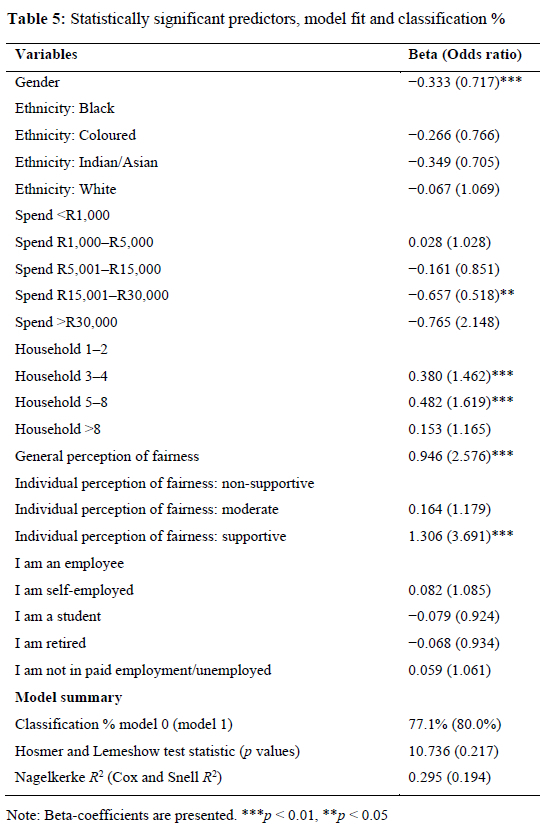
Table 5 reports the regression results for developed and developing economies. The findings indicate that the overall effect of EPU on CI in developed economies is negative; however, it is insignificant for developing economies. Moreover, the negative effect is substantially mitigated by growth opportunities. The coefficient of separate influence of EPU on CI of developed economies decreased by 30% when considering growth opportunities. The findings highlight that firms in developed economies with better growth opportunities are effective at alleviating the adverse impact of EPU on CI. The results support our hypotheses H2 and H2a.
Our study's findings align with the empirical results of Calomiris et al. (2012), Al Farooque et al. (2023), and Pastor and Veronesi (2012), who contend that the impacts of EPU on developed countries are significant compared to those on developing countries. The results are also in line with World Bank (2020) statistics, which indicate that economic activity has decreased by 7% in developed economies compared to 2.5% in developing economies due to the EPU generated by COVID-19. The impact of EPU on developed economies is pronounced due to their higher levels of integration, complex financial systems, and interconnectedness with other nations. Due to their limited financial development and lower global interconnectedness, developing economies are generally less exposed to EPU shocks. The results indicate that developed economies should reduce regulatory uncertainty, increase economic stability, and simplify the financial system to mitigate the detrimental impact of EPU. Furthermore, while the impact of EPU on developing economies is not as substantial as that on developed economies, a negative influence does exist. Therefore, companies in developing countries should also enhance their risk-management capabilities to maximise benefits from growth opportunities.
State-Owned-Enterprises and Non-State-Owned Enterprises
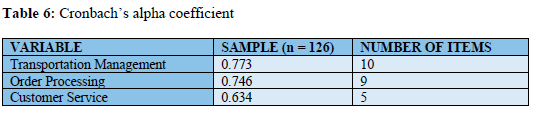
Table 6 reports the findings in the context of state ownership. The results demonstrate that the impact of EPU on non-SOEs is negative and statistically significant; however, the impacts are insignificant for SOEs. Furthermore, the results show that the joint impact of EPU and growth opportunities is both positive and statistically significant for non-SOEs. The separate effect of EPU on the coefficient decreased by 28% when incorporating growth opportunities.
Our findings align with prior empirical analyses and corroborate our hypotheses H3 and H3a. To begin with, Feng et al. (2021) demonstrate that EPU significantly affects the employment, sales growth, and business investment of SOEs. Gu et al. (2018) emphasise the pronounced negative impact of EPU on non-SOEs' investment. Similarly, Khan et al. (2019) highlight the significant negative consequences of EPU on CI. However, growth opportunities can mitigate these negative effects for non-SOEs (Yan and Shi 2021). The findings have significant implications for non-SOEs in our sample, primarily operating in developed economies, such as the US, the UK, Japan, Canada, France, Germany, and Italy. The results imply that, due to their greater risk aversion, limited resource availability, and susceptibility to policy changes, non-SOEs are more influenced by EPU compared to SOEs, which benefit from government support and political linkages. Non-SOEs in our sample primarily operate in countries such as China, Colombia, Chile, Brazil, Pakistan, and India. Because the negative effects are substantial for non-SOEs, they should develop adequate risk control strategies, increase financial buffers, and make diversified investments. Moreover, advocacy campaigns can also be a handy tool for achieving favourable policy changes by interacting with decision makers.
Concentrated and Dispersed Ownership Firms
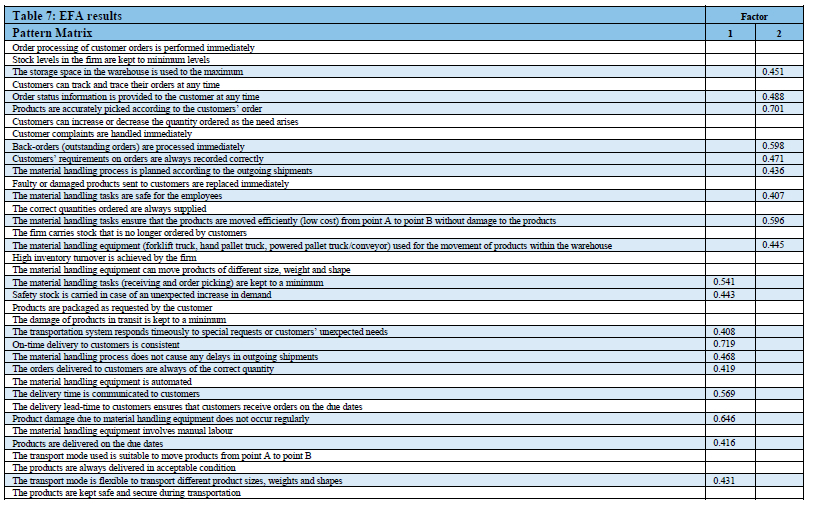
The findings of the EPU-CI relationship in the context of ownership concentration are presented in Table 7. EPU's stand-alone impact is negative and statistically significant for firms with a dispersed ownership arrangement, but it has a negligible effect on businesses with a concentrated type of ownership. Moreover, the joint impact of EPU and growth opportunities are statistically significant and positive for firms with dispersed ownership. This implies that growth opportunities have a mitigating effect on the adverse relationship between EPU and CI for firms with a dispersed ownership structure.
Our findings are consistent with earlier studies and support our hypotheses H4 and H4a. For instance, Claessens and Djankov (1999) and Demsetz and Lehn (1985) have consistently shown that higher concentration levels are associated with greater business profitability. Liu et al. (2020) further underscore that the negative impact of EPU is mitigated for firms with ownership concentration. A positive link between concentrated ownership and corporate profitability is also emphasised by Alimehmeti and Paletta (2009). The findings have significant implications for enterprises with dispersed ownership, which, according to our sample, primarily operate in countries such as the UK, the US, Germany, Canada, and Japan, as well as for those with concentrated ownership, which operate in countries such as Brazil, China, France, India, Korea, Pakistan, and Spain. The results imply that, due to diverse shareholders' risk aversion, cautious management, and inadequate monitoring systems, the effects of EPU are amplified for businesses with dispersed ownership. Conversely, concentrated ownership acts as a buffer against EPU shocks because of the consistency, commitment, and effective management in terms of supervision by dominant shareholders. Therefore, firms with dispersed ownership structures may develop strong risk-management strategies to reduce the risk of EPU. Moreover, improving corporate governance by implementing advanced monitoring tools and fostering effective communication with stakeholders may also help lessen the negative impact of EPU on the CI of companies with large shareholdings.
Conclusion
The existing literature has extensively explored the relationship between EPU and CI at firm, industry, and country levels. It has also examined various moderating factors that either aggravate or mitigate the negative effects of EPU on CI. However, our study goes beyond existing research by investigating how EPU affects CI in a significant sample of firms from both developing and developed countries during the period 2008 to 2021. Additionally, we have considered the impact of ownership concentration, state ownership, and the joint impact of EPU and growth opportunities in our analysis. We utilised a two-way fixed effects econometric model on a sample of 11,718 firmlevel observations from 25 developing and developed countries. The study's baseline results confirm that EPU significantly lowers CI. Our research demonstrates that this impact is significant for firms in developed countries, non-SOEs, and those with dispersed ownership structures. Furthermore, our study reveals that growth opportunities significantly mitigate the adverse effects of EPU on firms in developed economies, those with dispersed ownership structures, and non-SOEs.
This study's findings have significant implications for policymakers, including government ministries, central banks, and regulatory agencies, as well as firms in both developed and developing economies, firms with concentrated and dispersed ownership, and SOEs and non-SOEs. To begin with, our baseline results suggest that policymakers must formulate and implement clear, transparent economic policies to promote stability. These should encompass fiscal reforms, corporate governance standards, and market regulations. In addition, long-term plans spanning five to ten years-characterised by a clear vision, broad strategies, measurable goals, and predictable outcomes-are essential to ensure sustained stability. Equally important is cultivating consensus among key stakeholders so that core policies remain consistent despite changes in government. To this end, policymakers should seek broad input and support from diverse stakeholders, including chambers of commerce, industry associations, and economic experts, when considering crucial policy changes.
Second, the results underscore the varying impact of EPU on the investment of firms, contingent upon different factors including ownership structure, type, and the countries in which the firm operates. Therefore, policymakers should focus on sectors that could potentially be exposed to the impact of EPU. Subsequently, targeted incentives and regulatory flexibility can be offered without compromising the overall business ecosystem. Finally, the study results reveal that growth opportunities significantly mitigate the adverse effects of EPU, particularly for non-SOEs, firms with dispersed ownership, and those operating in developed countries. Therefore, it is imperative that governments promote growth prospects through research and development support, easy access to capital, trade promotion, and the reduction of regulatory burdens.
From the firms' perspective, a contingency plan to counter the adverse effects of EPU on CI must be in place, particularly for developed economies. To achieve this, firms can conduct a comprehensive risk assessment, stress testing, and scenario analysis. Moreover, firms can mitigate the risks of EPU by adopting diversification strategies and hedging options. During periods of uncertainty, maintaining liquidity provides flexibility, so firms should ensure they hold sufficient reserves to meet unforeseen investment costs. Although the impact of EPU on developing economies is generally less pronounced than in developed economies, a negative influence does exist. Therefore, companies in developing countries should strengthen their risk-management capabilities while maximising the benefits of growth opportunities.
Additionally, non-SOEs can engage in advocacy campaigns aimed at influencing positive policy changes that favour their interests. Moreover, cash reserves should be strengthened to safeguard the CI. To lessen the detrimental effects of EPU on investment, companies with large shareholdings may establish sophisticated monitoring systems, improve corporate governance, and create efficient risk-management plans. Finally, to boost growth opportunities, firms should invest in research and development, market expansion, strategic alliances, product quality, and brand building.
References
-
Abel, A. B. 1983. "Optimal Investment Under Uncertainty." American Economic Review 73 (1): 228-33. https://repository.upenn.edu/fnce_papers/220.
» https://repository.upenn.edu/fnce_papers/220 -
Agiacai, P. 2006. "Growth Opportunities and Corporate Policies: The Case of the Airline Industry." SSRN Electronic Journal. https://doi.org/10.2139/ssrn.886764.
» https://doi.org/10.2139/ssrn.886764 -
Akron, S., E. Demir, J. M. Díez-Esteban, and C. D. García-Gómez. 2020. "Economic Policy Uncertainty and Corporate Investment: Evidence from the U.S. Hospitality Industry." Tourism Management 77: 104019. https://doi.org/10.1016/j.tourman.2019.104019.
» https://doi.org/10.1016/j.tourman.2019.104019 -
Al-Thaqeb, S. A., and B. G. Algharabali. 2019. "Economic Policy Uncertainty: A Literature Review." The Journal of Economic Asymmetries 20: e00133. https://doi.org/10.1016/jjeca.2019.e00133.
» https://doi.org/10.1016/jjeca.2019.e00133 -
Al Farooque, O., G. Baghdadi, H. H. Trinh, and S. Khandaker. 2023. "Stock Liquidity During COVID-19 Crisis: A Cross-Country Analysis of Developed and Emerging Economies, and Economic Policy Uncertainty." Emerging Markets Review 55: 101025. https://doi.org/10.1016/j.ememar.2023.101025.
» https://doi.org/10.1016/j.ememar.2023.101025 -
Aldata, M. M. U., and C. Wijaya. 2020. "The Influence of Uncertainties on Leverage and Investment Decisions of Non-Financial Firms in Indonesia." International Journal of Management 11 (5): 702-17. https://doi.org/10.34218/IJM.1L5.2020.063.
» https://doi.org/10.34218/IJM.1L5.2020.063 - Alimehmeti, G., and A. Paletta. 2009. "Ownership Concentration and Effects over Firm Performance: Evidences from Italy." European Scientific Journal 8 (22): 39-49.
- Almeida, H., M. Campello, and M. S. Weisbach. 2003. "The Cash Flow Sensitivity of Cash." SSRNElectronic Journal. https://doi.org/10.2139/ssrn.345840.
-
Anamika, R., and D. Byomakesh. 2024. "Economic Policy Uncertainty and Corporate Investment: Moderating Role of Corporate Governance and Firm Life Cycle." Empirical Economics Letters 23 (12). https://doi.org/10.5281/zenodo.14606374.
» https://doi.org/10.5281/zenodo.14606374 -
Baek, S. 2022. "Information Acquisition and Asset Price Volatility." Finance Research Letters 46. https://doi.org/10.1016/j.frl.2021.102236.
» https://doi.org/10.1016/j.frl.2021.102236 -
Baker, S. R., N. Bloom, and S. J. Davis. 2016. "Measuring Economic Policy Uncertainty." The Quarterly Journal of Economics 131 (4): 1593-1636. https://doi.org/10.1093/QJE/QJW024.
» https://doi.org/10.1093/QJE/QJW024 -
Balcilar, M., R. Gupta, and M. Segnon. 2016. "The Role of Economic Policy Uncertainty in Predicting U.S. Recessions: A Mixed-Frequency Markov-Switching Vector Autoregressive Approach." Economics 10 (1). https://doi.org/10.5018/economics-ejournal.ja.2016-27.
» https://doi.org/10.5018/economics-ejournal.ja.2016-27 - Baltagi, B. 2005. Econometric Analysis of Panel Data. Wiley.
-
Becker, T., and P. Mauro. 2021. "Output Drops and the Shocks That Matter." SSRN Electronic Journal. https://doi.org/10.2139/ssrn.926227.
» https://doi.org/10.2139/ssrn.926227 -
Brogaard, J., and A. Detzel. 2015. "The Asset-Pricing Implications of Government Economic Policy Uncertainty." Management Science 61 (1): 3-18. https://doi.org/10.1287/mnsc.2014.2044.
» https://doi.org/10.1287/mnsc.2014.2044 -
Brunnermeier, M. K. 2009. "Deciphering the Liquidity and Credit Crunch 2007-2008." Journal of Economic Perspectives 23 (1): 77-100. https://doi.org/10.1257/jep.23.1.77.
» https://doi.org/10.1257/jep.23.1.77 -
Caggiano, G., E. Castelnuovo, and N. Groshenny. 2014. "Uncertainty Shocks and Unemployment Dynamics in U.S. Recessions." Journal of Monetary Economics 67: 78-92. https://doi.org/10.1016/j.jmoneco.2014.07.006.
» https://doi.org/10.1016/j.jmoneco.2014.07.006 -
Caixe, D. F. 2022. "Corporate Governance and Investment Sensitivity to Policy Uncertainty in Brazil." Emerging Markets Review 51: 100883. https://doi.org/10.1016/j.ememar.2021.100883.
» https://doi.org/10.1016/j.ememar.2021.100883 -
Calomiris, C. W., I. Love, and M. S. Martínez Pería. 2012. "Stock Returns' Sensitivities to Crisis Shocks: Evidence from Developed and Emerging Markets." Journal of International Money and Finance 31 (4):' 743-65. https://doi.org/10.1016/j.jimonfin.2012.01.002.
» https://doi.org/10.1016/j.jimonfin.2012.01.002 -
CCAF, World Bank, and World Economic Forum. 2020. "COVID-19 to Plunge Global Economy into Worst Recession since World War II." World Bank. https://www.worldbank.org/en/news/press-release/2020/06/08/covid-19-to-plunge-global-economy-into-worst-recession-since-world-war-ii.
» https://www.worldbank.org/en/news/press-release/2020/06/08/covid-19-to-plunge-global-economy-into-worst-recession-since-world-war-ii -
Chang, X., T. J. Tan, G. Wong, and H. Zhang. 2007. "Effects of Financial Constraints on Corporate Policies in Australia." Accounting & Finance 47 (1): 85-108. https://doi.org/10.1111/j.1467-629X.2007.00200.x.
» https://doi.org/10.1111/j.1467-629X.2007.00200.x -
Chava, S., and M. R. Robert. 2008. "How Does Financing Impact Investment? The Role of Debt Covenants." The Journal of Finance 63 (5): 2085-21. https://doi.org/10.1111/j.1540-6261.2008.01391.x.
» https://doi.org/10.1111/j.1540-6261.2008.01391.x -
Chen, B., J. Yang, and C. Zhang. 2021. "Corporate Investment and Financing with Uncertain Growth Opportunities." International Review of Finance 21 (3): 821-42. https://doi.org/10.1111/irfi.12298.
» https://doi.org/10.1111/irfi.12298 -
Chen, P. 2024. "Economic Policy Uncertainty, Ownership Structure, and R&D Investment: Evidence from Japan." International Review of Finance 24 (3): 393-414. https://doi.org/10.1111/irfi.12445.
» https://doi.org/10.1111/irfi.12445 -
Chen, P.-F., C.-C. Lee, and J.-H. Zeng. 2019. "Economic Policy Uncertainty and Firm Investment: Evidence from the U.S. Market." Applied Economics 51 (31): 3423-35. https://doi.org/10.1080/00036846.2019.1581909.
» https://doi.org/10.1080/00036846.2019.1581909 -
Chen, S., Z. Sun, S. Tang, and D. Wu. 2011. "Government Intervention and Investment Efficiency: Evidence from China." Journal of Corporate Finance 17 (2): 259-71. https://doi.org/10.1016/j.jcorpfin.2010.08.004.
» https://doi.org/10.1016/j.jcorpfin.2010.08.004 -
Chen, X., C. H. A. Le, Y. Shan, and S. Taylor. 2020. "Australian Policy Uncertainty and Corporate Investment." Pacific-Basin Finance Journal 61: 101341. https://doi.org/10.1016/j.pacfin.2020.101341.
» https://doi.org/10.1016/j.pacfin.2020.101341 -
Christidou, M., and S. Fountas. 2018. "Uncertainty in the Housing Market: Evidence from US States." Studies in Nonlinear Dynamics & Econometrics 22 (2): 1-17. https://doi.org/10.1515/snde-2016-0064.
» https://doi.org/10.1515/snde-2016-0064 -
Claessens, S., and S. Djankov. 1999. "Ownership Concentration and Corporate Performance in the Czech Republic." Journal of Comparative Economics 27 (3): 498-513. https://doi.org/10.1006/jcec.1999.1598.
» https://doi.org/10.1006/jcec.1999.1598 -
De la Horra, L. P., J. Perote, and G. de la Fuente. 2022. "The Impact of Economic Policy Uncertainty and Monetary Policy on R&D Investment: An Option Pricing Approach." Economics Letters 214: 110413. https://doi.org/10.1016/j.econlet.2022.110413.
» https://doi.org/10.1016/j.econlet.2022.110413 -
Dejuan-Bitria, D., and C. Ghirelli. 2021. "Economic Policy Uncertainty and Investment in Spain." SERIEs 12 (3): 351-88. https://doi.org/10.1007/s13209-021-00237-5.
» https://doi.org/10.1007/s13209-021-00237-5 -
Demsetz, H., and K. Lehn. 1985. "The Structure of Corporate Ownership: Causes and Consequences." Journal of Political Economy 93 (6): 1155-77. https://doi.org/10.1086/261354.
» https://doi.org/10.1086/261354 -
Demsetz, H., and B. Villalonga. 2001. "Ownership Structure and Corporate Performance." Journal of Corporate Finance 7 (3): 209-33. https://doi.org/10.1016/S0929-1199(01)00020-7.
» https://doi.org/10.1016/S0929-1199(01)00020-7 -
Dixit, A. K., and R. S. Pindyck. 1994. Investment Under Uncertainty. Princeton University Press. https://doi.org/10.2307/2329279.
» https://doi.org/10.2307/2329279 -
Dou, Z., L. Wei, and J. Wang. 2021. "Institutional Investor, Economic Policy Uncertainty, and Innovation Investment: Evidence from China." Ekonomie a Management 24 (1): 4-20. https://doi.org/10.15240/tul/001/2021-1-001.
» https://doi.org/10.15240/tul/001/2021-1-001 -
Drobetz, W., S. El Ghoul, O. Guedhami, and M. Janzen. 2018. "Policy Uncertainty, Investment, and the Cost of Capital." Journal of Financial Stability 39: 28-45. https://doi.org/10.1016/jjfs.2018.08.005.
» https://doi.org/10.1016/jjfs.2018.08.005 -
Duchin, R., O. Ozbas, and B. A. Sensoy. 2010. "Costly External Finance, Corporate Investment, and the Subprime Mortgage Credit Crisis." Journal of Financial Economics 97 (3): 418-35. https://doi.org/10.1016/jjfineco.2009.12.008.
» https://doi.org/10.1016/jjfineco.2009.12.008 -
Farooq, U., J. Ahmed, and S. Khan. 2021. "Do the Macroeconomic Factors Influence the Firm's Investment Decisions? A Generalized Method of Moments (GMM) Approach." International Journal of Finance and Economics 26 (1): 790-801. https://doi.org/10.1002/ijfe.1820.
» https://doi.org/10.1002/ijfe.1820 -
Fazzari, S. M., R. G. Hubbard, B. C. Petersen, A. S. Blinder, and J. M. Poterba. 1988. "Financing Constraints and Corporate Investment." Brookings Papers on Economic Activity 1: 141-206. https://doi.org/10.2307/2534426.
» https://doi.org/10.2307/2534426 -
Feng, X., W. Luo, and Y. Wang. 2023. "Economic Policy Uncertainty and Firm Performance: Evidence from China." Journal of the Asia Pacific Economy 28 (4): 1476-93. https://doi.org/10.1080/13547860.2021.1962643.
» https://doi.org/10.1080/13547860.2021.1962643 -
Foo, N., H. Bloch, and R. Salim. 2017. "Assessing the Timing of Mining Investment Under Tax Policy Uncertainty: The Case of the Asia-Pacific Region." Mineral Economics 30 (2): 117-39. https://doi.org/10.1007/s13563-017-0106-y.
» https://doi.org/10.1007/s13563-017-0106-y -
Gao, J., Q. Qin, and S. Zhou. 2025. "Spillover Effects of US Economic Policy Uncertainty on Emerging Markets: Evidence from Transnational Supply Chains." Journal of International Financial Markets, Institutions and Money 100: 102136. https://doi.org/10.1016/j.intfin.2025.102136.
» https://doi.org/10.1016/j.intfin.2025.102136 -
Gatchev, V. A., T. Pulvino, and V. Tarhan. 2011. "The Intertemporal and Interdependent Nature of Financial Decisions: An Application to Cash Flow Sensitivities." Journal of Finance 65 (2): 725-63. https://doi.org/10.2139/ssrn.1344009.
» https://doi.org/10.2139/ssrn.1344009 -
Ginting, E., and K. Naqvi, eds. 2020. Reforms, Opportunities, and Challenges for State-Owned Enterprises. Asian Development Bank. https://doi.org/10.22617/TCS200201-2.
» https://doi.org/10.22617/TCS200201-2 - Gu, W., X. Zheng, L. Pan, and H. Li. 2018. "Economic Policy Uncertainty, Bank Credit, External Demand, and Corporate Investment." Romanian Journal of Economic Forecasting 21 (3): 57-72.
-
Gulen, H., and M. Ion. 2016. "Policy Uncertainty and Corporate Investment." The Review of Financial Studies 29 (3): 523-64. https://doi.org/10.1093/RFS/HHV050.
» https://doi.org/10.1093/RFS/HHV050 -
Gupta, G. 2022. "CEO's Educational Background, Economic Policy Uncertainty and Investment-Cash Flow Sensitivity: Evidence from India." Applied Economics 54 (5): 568-79. https://doi.org/10.1080/00036846.2021.1967279.
» https://doi.org/10.1080/00036846.2021.1967279 -
Han, K. C., and D. Y. Suk. 1998. "The Effect of Ownership Structure on Firm Performance: Additional Evidence." Review of Financial Economics 7 (2): 143-55. https://doi.org/10.1016/S1058-3300(99)80150-5.
» https://doi.org/10.1016/S1058-3300(99)80150-5 -
Hartman, R. 1972. "The Effects of Price and Cost Uncertainty on Investment." Journal of Economic Theory 5 (2): 258-266. https://doi.org/10.1016/0022-0531(72)90105-6.
» https://doi.org/10.1016/0022-0531(72)90105-6 -
Hoang, K., Q. T. T. Nguyen, and C. Nguyen. 2023. "Start-Up Firms' Investments: When Economic Policy Uncertainty Matters?" Management Decision 61 (5): '1065-89. https://doi.org/10.1108/MD-08-2021-1094.
» https://doi.org/10.1108/MD-08-2021-1094 -
Hou, F., W. Tang, H. Wang, and H. Xiong. 2021. "Economic Policy Uncertainty, Marketization Level and Firm-Level Inefficient Investment: Evidence from Chinese Listed Firms in Energy and Power Industries." Energy Economics 100: 105353. https://doi.org/10.1016/j.eneco.2021.105353.
» https://doi.org/10.1016/j.eneco.2021.105353 -
Ilyas, M., A. Khan, M. Nadeem, and M. T. Suleman. 2021. "Economic Policy Uncertainty, Oil Price Shocks and Corporate Investment: Evidence from the Oil Industry." Energy Economics 97: 105193. https://doi.org/10.1016/j.eneco.2021.105193.
» https://doi.org/10.1016/j.eneco.2021.105193 -
Im, H. J., J. Liu, and Y. J. Park. 2021. "Policy Uncertainty and Peer Effects: Evidence from Corporate Investment in China." International Review of Financial Analysis 77: 101834. https://doi.org/10.1016/j.irfa.2021.101834.
» https://doi.org/10.1016/j.irfa.2021.101834 -
Jia, J., and Z. Li. 2020. "Does External Uncertainty Matter in Corporate Sustainability Performance?" Journal of Corporate Finance 65: 101743. https://doi.org/10.1016/j.jcorpfin.2020.101743.
» https://doi.org/10.1016/j.jcorpfin.2020.101743 -
Julio, B., and Y. Yook. 2012. "Political Uncertainty and Corporate Investment Cycles." Journal of Finance 67 (1): 45-83. https://doi.org/10.1111/j.1540-6261.2011.01707.x.
» https://doi.org/10.1111/j.1540-6261.2011.01707.x -
Jumah, Z., Z. I. Younas, and M. A. S. Al-Faryan. 2023. "Economic Policy Uncertainty, Corporate Diversification, and Corporate Investment." Applied Economics Letters 30 (19): 2732-42. https://doi.org/10.1080/13504851.2022.2106028.
» https://doi.org/10.1080/13504851.2022.2106028 -
Kelly, M. 1991. "The Value of the Option to 'Wait and See.'" Economics Letters 36 (2): 147-51. https://doi.org/10.1016/0165-1765(91)90180-S.
» https://doi.org/10.1016/0165-1765(91)90180-S -
Khan, M. A., X. Qin, and K. Jebran. 2019. "Does Uncertainty Influence the Leverage-Investment Association in Chinese Firms?" Research in International Business and Finance 50: 134-52. https://doi.org/10.1016/j.ribaf.2019.04.006.
» https://doi.org/10.1016/j.ribaf.2019.04.006 -
Khan, M. A., X. Qin, K. Jebran, and A. Rashid. 2020. "The Sensitivity of Firms' Investment to Uncertainty and Cash Flow: Evidence from Listed State-Owned Enterprises and Non-State-Owned Enterprises in China." SAGE Open 10 (1). https://doi.org/10.1177/2158244020903433.
» https://doi.org/10.1177/2158244020903433 -
Klayme, T., K. K. Gokmenoglu, and B. Rustamov. 2023. "Economic Policy Uncertainty, COVID-19 and Corporate Investment: Evidence from the Gold Mining Industry." Resources Policy 85: 103787. https://doi.org/10.1016/j.resourpol.2023.103787.
» https://doi.org/10.1016/j.resourpol.2023.103787 -
Knight, F. H. 1922. "Risk, Uncertainty and Profit." The Quarterly Journal of Economics 36 (4): 682-690. https://doi.org/10.2307/1884757.
» https://doi.org/10.2307/1884757 -
Kong, Q., R. Li, Z. Wang, and D. Peng. 2022. "Economic Policy Uncertainty and Firm Investment Decisions: Dilemma or Opportunity?" International Review of Financial Analysis 83: 102301. https://doi.org/10.1016/j.irfa.2022.102301.
» https://doi.org/10.1016/j.irfa.2022.102301 -
Lemma, T. T., and M. Negash. 2016. "Corporate Ownership Patterns in Developing Countries." Corporate Ownership and Control 13 (2): 101-12. https://doi.org/10.22495/cocv13i2p11.
» https://doi.org/10.22495/cocv13i2p11 -
Liu, G., G. Xin, and J. Li. 2021. "Making Political Connections Work Better: Information Asymmetry and the Development of Private Firms in China." Corporate Governance: An International Review 29 (6): 593-611. https://doi.org/10.1111/corg.12390.
» https://doi.org/10.1111/corg.12390 -
Liu, J., and H. Wang. 2022. "Economic Policy Uncertainty and the Cost of Capital." International Review of Financial Analysis 81: 102070. https://doi.org/10.1016/j.irfa.2022.102070.
» https://doi.org/10.1016/j.irfa.2022.102070 -
Liu, K., J. Wang, L. Liu, and Y. Huang. 2023. "Mixed-Ownership Reform of SOEs and ESG Performance: Evidence from China." Economic Analysis and Policy 80: 1618-41. https://doi.org/10.1016/j.eap.2023.10.016.
» https://doi.org/10.1016/j.eap.2023.10.016 -
Liu, Q., X. Pan, and G. G. Tian. 2018. "To What Extent Did the Economic Stimulus Package Influence Bank Lending and Corporate Investment Decisions? Evidence from China." Journal of Banking and Finance 86: 177-93. https://doi.org/10.1016/j.jbankfin.2016.04.022.
» https://doi.org/10.1016/j.jbankfin.2016.04.022 -
Liu, R., L. He, X. Liang, X. Yang, and Y. Xia. 2020. "Is There Any Difference in the Impact of Economic Policy Uncertainty on the Investment of Traditional and Renewable Energy Enterprises? A Comparative Study Based on Regulatory Effects." Journal of Cleaner Production 255: 120102. https://doi.org/10.1016/jjclepro.2020.120102.
» https://doi.org/10.1016/jjclepro.2020.120102 -
Lopes Júnior, E. P., R. Bandeira de Mello, and M. Bucheli. 2024. "Political Influence on the Investment of State-Owned Enterprises." Journal of Economic Policy Reform 27 (4): 452-73. https://doi.org/10.1080/17487870.2024.2353311.
» https://doi.org/10.1080/17487870.2024.2353311 -
Mahmood, Y., A. Rashid, and M. F. Rizwan. 2022. "Do Corporate Financial Flexibility, Financial Sector Development and Regulatory Environment Affect Corporate Investment Decisions?" Journal of Economic and Administrative Sciences 38 (3): 485-508. https://doi.org/10.1108/JEAS-10-2019-0109.
» https://doi.org/10.1108/JEAS-10-2019-0109 -
Makin, A. J. 2019. "Lessons for Macroeconomic Policy from the Global Financial Crisis." Economic Analysis and Policy 64: 13-25. https://doi.org/10.1016/j.eap.2019.07.008.
» https://doi.org/10.1016/j.eap.2019.07.008 -
Makosa, L., S. Jie, W. G. Bonga, M. Jachi, and L. Sitsha. 2021. "Does Economic Policy Uncertainty Aggravate Financial Constraints?" South African Journal of Accounting Research 35 (2): 151-66. https://doi.org/10.1080/10291954.2021.1885233.
» https://doi.org/10.1080/10291954.2021.1885233 -
Martinez-Carrascal, C., and A. Ferrando. 2011. "The Impact of Financial Position on Investment: An Analysis for Non-Financial Corporations in the Euro Area." SSRN Electronic Journal. https://doi.org/10.2139/ssrn.1273546.
» https://doi.org/10.2139/ssrn.1273546 -
Modigliani, F., and M. Miller. 1958. "The Cost of Capital, Corporation Finance and the Theory of Investment." American Economic Review 48 (3): 261-97. https://doi.org/10.4013/base.20082.07.
» https://doi.org/10.4013/base.20082.07 -
Mueller, P., A. Tahbaz-Salehi, and A. Vedolin. 2017. "Exchange Rates and Monetary Policy Uncertainty." Journal of Finance 72 (3): 1213-52. https://doi.org/10.1111/jofi.12499.
» https://doi.org/10.1111/jofi.12499 -
Myers, S. 1977. "Determinants of Corporate Borrowing." Journal of Financial Economics 5 (2): 147-75. https://doi.org/10.1016/0304-405X(77)90015-0.
» https://doi.org/10.1016/0304-405X(77)90015-0 -
Nguyen, T. C., T. V. Hong Nguyen, C. Schinckus, and T. T. Chu. 2024. "Navigating Bank Risk-Taking Under Excess Liquidity: The Moderating Role of Economic Policy Uncertainty and Lessons from the Global Financial Crisis." Cogent Economics & Finance 12 (1). https://doi.org/10.1080/23322039.2024.2422958.
» https://doi.org/10.1080/23322039.2024.2422958 -
Olalere, O. E., and J. Mukuddem-Petersen. 2023. "Product Market Competition, Corporate Investment, and Firm Value: Scrutinizing the Role of Economic Policy Uncertainty." Economies 11 (6): 167. https://doi.org/10.3390/economies11060167.
» https://doi.org/10.3390/economies11060167 -
Oliveira, R. L., and E. K. Kayo. 2020. "Leverage and Investment Opportunities: The Effect on High Growth Firms." Revista Contabilidade & Finanças 31 (83): 302-17. https://doi.org/10.1590/1808-057x201909140.
» https://doi.org/10.1590/1808-057x201909140 -
Opler, T., L. Pinkowitz, R. Stulz, and R. Williamson. 1999. "The Determinants and Implications of Corporate Cash Holdings." Journal of Financial Economics 52 (1): 3-46. https://doi.org/10.1016/s0304-405x(99)00003-3.
» https://doi.org/10.1016/s0304-405x(99)00003-3 -
Pastor, E., and P. Veronesi. 2012. "Uncertainty about Government Policy and Stock Prices." Journal of Finance 67 (4): 1219-64. https://doi.org/10.1111/j.1540-6261.2012.01746.x.
» https://doi.org/10.1111/j.1540-6261.2012.01746.x -
Ramlan, H. 2020. "The Impact of Monetary Policy on Inflation." International Journal of Psychosocial Rehabilitation 24 (4): 4665-73. https://doi.org/10.37200/ijpr/v24i4/pr201566.
» https://doi.org/10.37200/ijpr/v24i4/pr201566 -
Reuer, J. J., and T. W. Tong. 2007. "Corporate Investments and Growth Options." Managerial and Decision Economics 28 (8): 863-77. https://doi.org/10.1002/mde.1335.
» https://doi.org/10.1002/mde.1335 -
Sanford, A., and M.-J. Yang. 2022. "Corporate Investment and Growth Opportunities: The Role of R&D-Capital Complementarity." Journal of Corporate Finance 72: 102130. https://doi.org/10.1016/jjcorpfin.2021.102130.
» https://doi.org/10.1016/jjcorpfin.2021.102130 -
Sohail, M. T., S. Ullah, and M. T. Majeed. 2022. "Effect of Policy Uncertainty on Green Growth in High-Polluting Economies." Journal of Cleaner Production 380: 135043. https://doi.org/10.1016/jjclepro.2022.135043.
» https://doi.org/10.1016/jjclepro.2022.135043 -
Soni, T. K., A. Singh, and V. Kaushal. 2023. "Capital Investments and Firm Characteristics: The Moderating Role of Economic Policy Uncertainty in the Hospitality Sector." International Journal of Hospitality Management 114: 103562. https://doi.org/10.1016/j.ijhm.2023.103562.
» https://doi.org/10.1016/j.ijhm.2023.103562 -
Tabash, M. I. 2025. "Economic Policy Uncertainty and Foreign Direct Investment Inflow: The Role of Institutional Quality in South Asia Region." Research in International Business and Finance 76: 102860. https://doi.org/10.1016/j.ribaf.2025.102860.
» https://doi.org/10.1016/j.ribaf.2025.102860 -
Tran, L. T. H. 2025. "China's Economic Policy Uncertainty and Firm-Level Investment in Southeast Asian Economies: The Role of Trade Connection and Financial Development." Global Finance Journal 65: 101106. https://doi.org/10.1016/j.gfj.2025.101106.
» https://doi.org/10.1016/j.gfj.2025.101106 -
Trinh, N. T. 2024. "Economic Policy Uncertainty and Corporate Investment Efficiency: Evidence from Australian Energy Companies." International Journal of Energy Economics and Policy 14 (1): 53-60. https://doi.org/10.32479/ijeep.15001.
» https://doi.org/10.32479/ijeep.15001 -
Wang, M. 2014. "Which Types of Institutional Investors Constrain Abnormal Accruals?" Corporate Governance: An International Review 22 (1): 43-67. https://doi.org/10.1111/corg.12044.
» https://doi.org/10.1111/corg.12044 -
Wang, Y., L. Chen, and Z. Zhao. 2014. "Economic Policy Uncertainty and Corporate Investment: Evidence from China." Pacific-Basin Finance Journal 26: 227-43. https://doi.org/10.1016/j.pacfin.2013.12.008.
» https://doi.org/10.1016/j.pacfin.2013.12.008 - Wooldridge, J. M. 2010. Econometric Analysis of Cross Section and Panel Data, Vol. 2. MIT Press.
-
Xie, G., J. Chen, Y. Hao, and J. Lu. 2021. "Economic Policy Uncertainty and Corporate Investment Behavior: Evidence from China's Five-Year Plan Cycles." Emerging Markets Finance and Trade 57 (10): 2977-94. https://doi.org/10.1080/1540496X.2019.1673160.
» https://doi.org/10.1080/1540496X.2019.1673160 -
Yan, M., and K. Shi. 2021. "The Impact of High-Frequency Economic Policy Uncertainty on China's Macroeconomy: Evidence from Mixed-Frequency VAR." Economic Research-Ekonomska Istrazivanja 34 (1): 3201-24. https://doi.org/10.1080/1331677X.2020.1870519.
» https://doi.org/10.1080/1331677X.2020.1870519 -
Yasser, Q. R., and A. Al-Mamun. 2014. "Implications of Ownership Identity and Insider's Supremacy on the Economic Performance of the Listed Companies." Corporate Ownership and Control 11 (4): 399-411. https://doi.org/10.22495/cocv11i4c4p3.
» https://doi.org/10.22495/cocv11i4c4p3 -
Yildiz, S., Q. Wu, and E. D. Watson. 2025. "The Impact of Country Level Investor Protection on Economic Policy Uncertainty and Corporate Investment Link." International Review of Finance 25 (1): e12472. https://doi.org/10.1111/irfi.12472.
» https://doi.org/10.1111/irfi.12472