Investigation into Road Rumble in a Light Utility Vehicle
Abstract
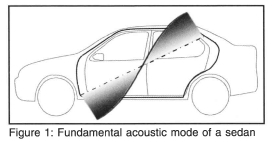
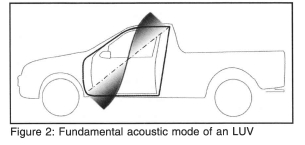
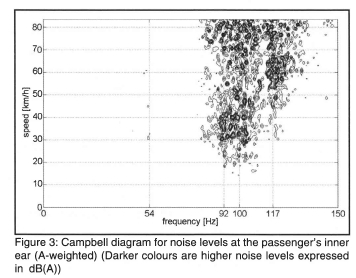
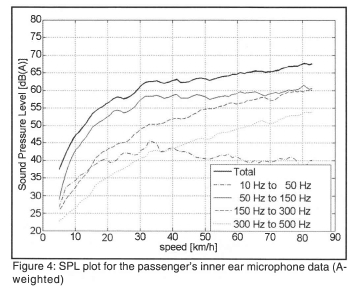
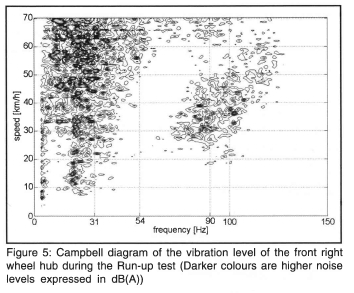
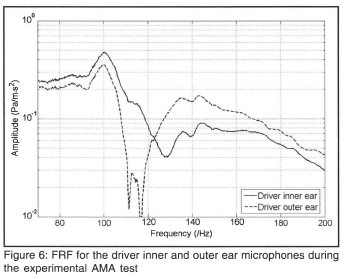
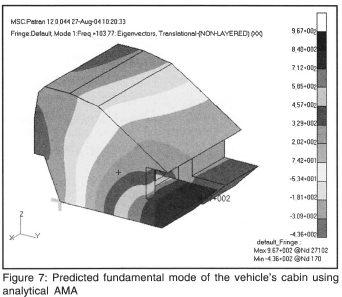
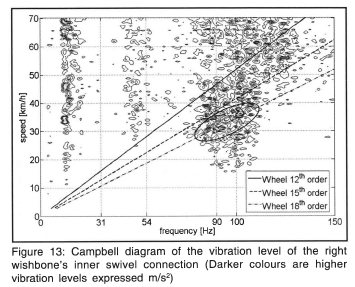
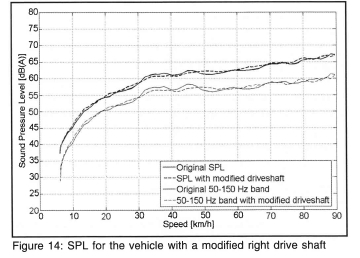
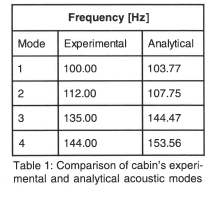
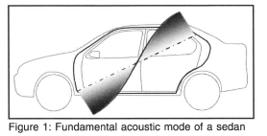
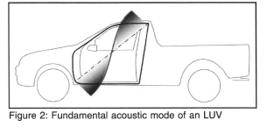
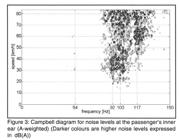
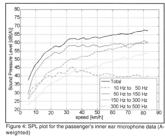
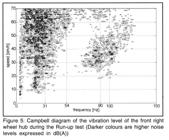
Vehicle NVH is now a more important component of the vehicle design process than ever. Road noise is one of the key criteria used by potential buyers (albeit subconsciously) to choose what they perceive as the most refined vehicle. LUVs are especially sensitive to low frequency booming noise due to the fundamental acoustic mode that exists in the vehicle cabin at a higher frequency than in sedan type vehicles. An investigation into this booming noise in an LUV at low speed is documented. The noise is identified and quantified after which the source of the noise in the vehicle cabin is identified using NVH techniques such as AMA, EMA and TPA. The cabin's fundamental acoustic mode was at 100 Hz. Finally the source of the vibrations in the vehicle leading to the booming noise in the cabin is identified in the drive shafts, along with its transfer path to the cabin. Solutions for the specific vehicle's booming noise are proposed, two of which are tested with some success.
 Thumbnail
 Thumbnail
 Thumbnail
 Thumbnail
 Thumbnail
 Thumbnail
 Thumbnail
 Thumbnail
 Thumbnail
 Thumbnail
 Thumbnail
 Thumbnail
 Thumbnail
 Thumbnail