Analysis of Vibration by a Modal Coupling Technique
Abstract
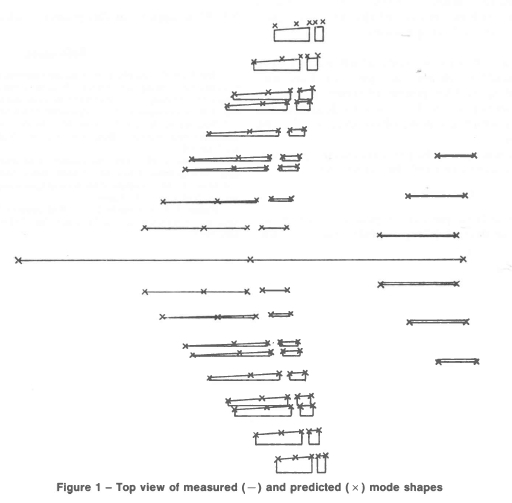
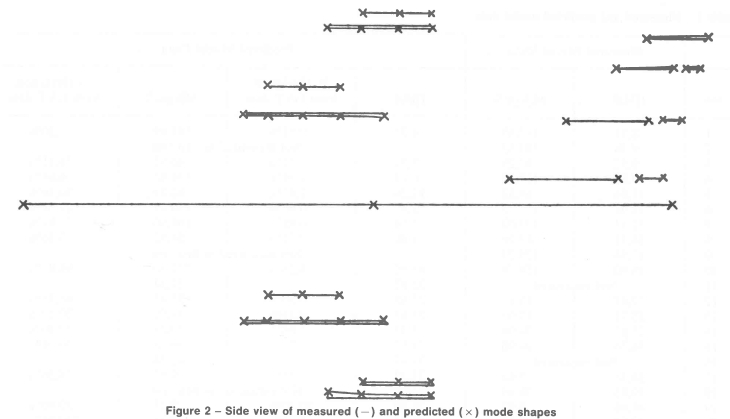
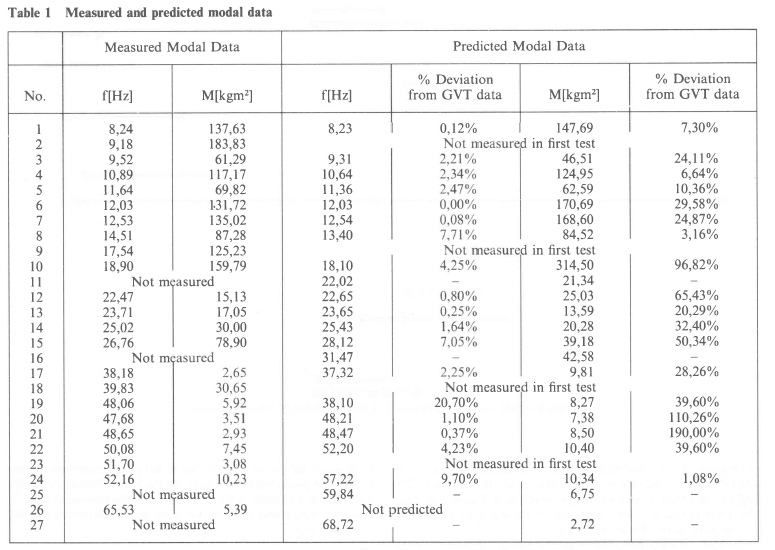
A method is presented whereby the vibration of complex structures, consisting of any combination of substructures, can be calculated, provided that the dynamic properties of the substructures are known. Modal data ( mass, frequency and shape of modes ) of the substructures are used for calculation purposes. Experimentally acquired dynamic properties of an aircraft and underwing store configuration are compared to properties predicted by the modal coupling technique. A fair agreement between measured and predicted data is observed for the lower frequency modes.
 Thumbnail