Quantitative Impact of Thermodynamic Property Model Selection on Gas Turbine Performance Prediction
Abstract
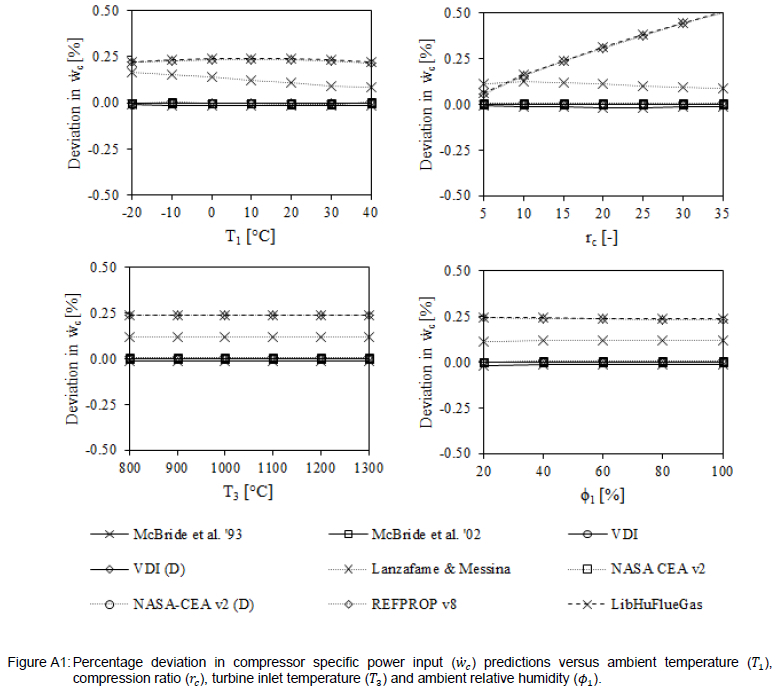
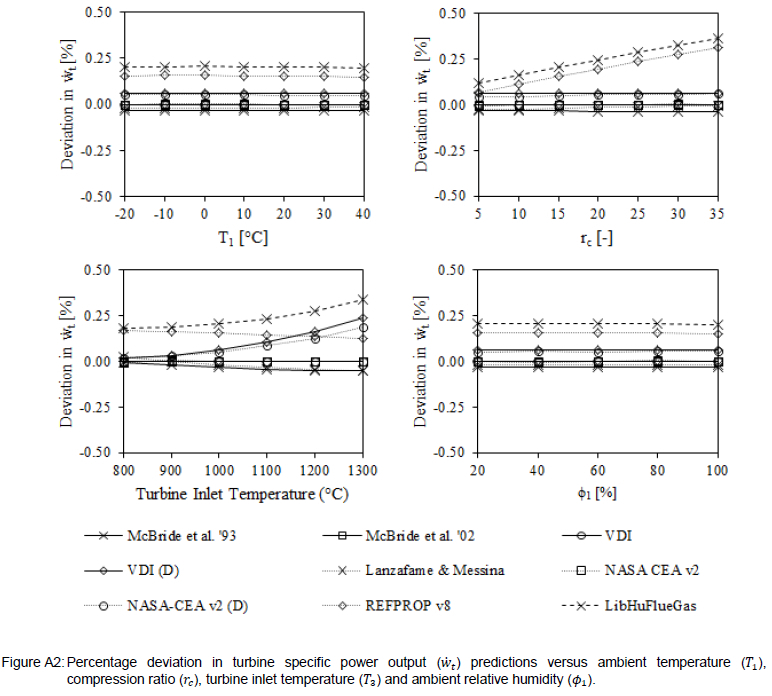
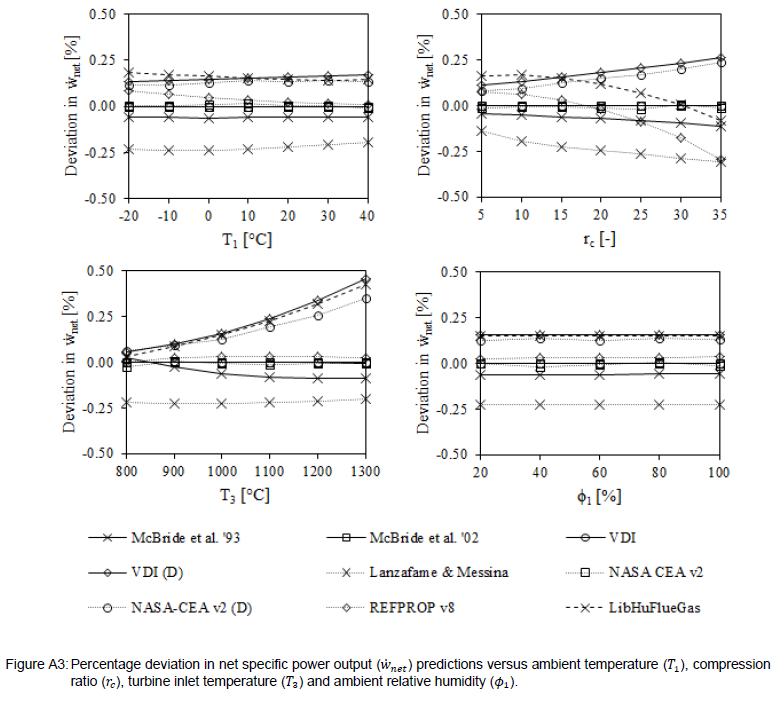
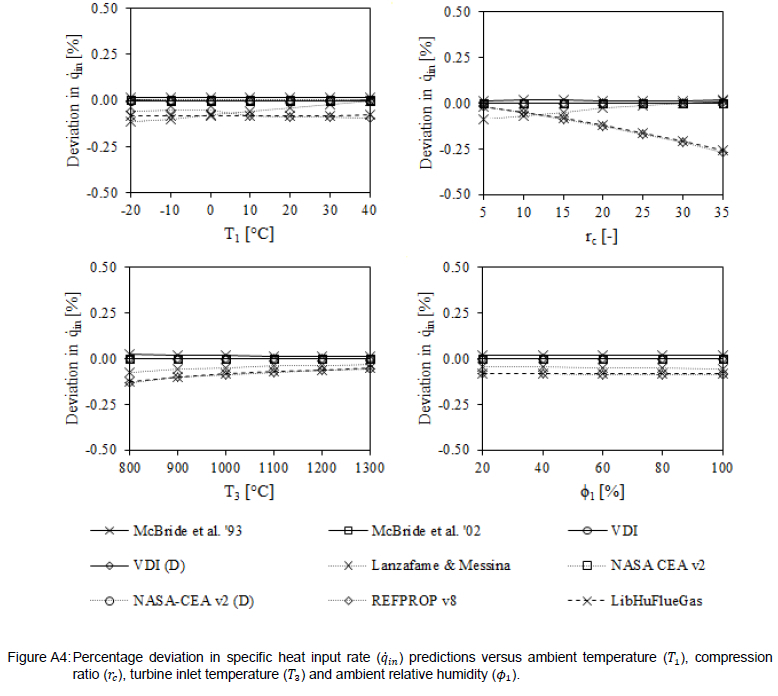
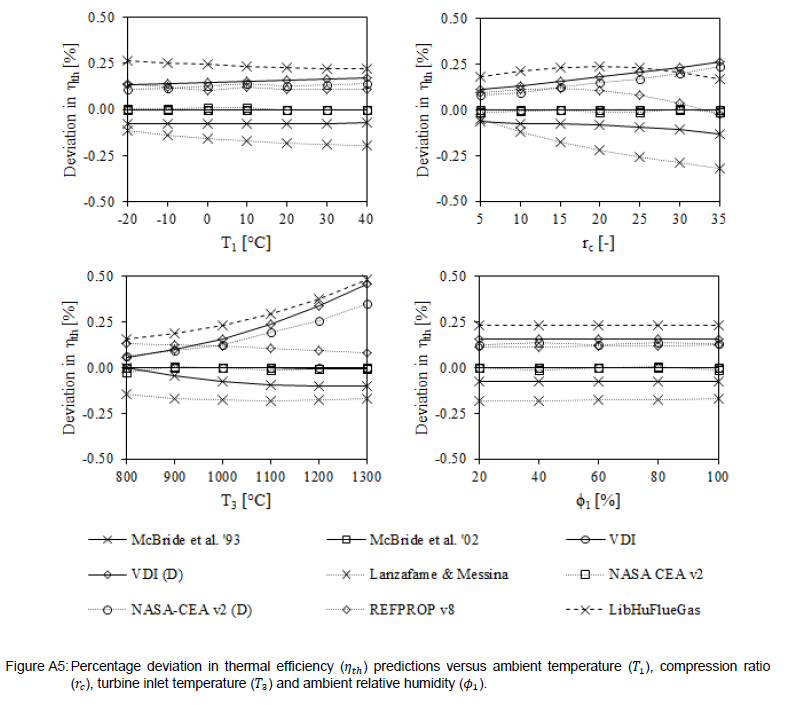
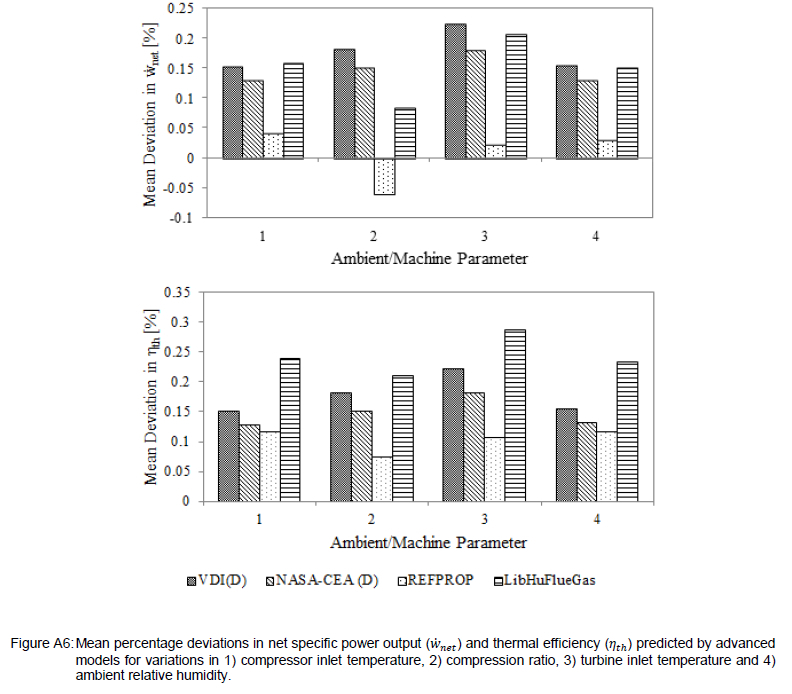
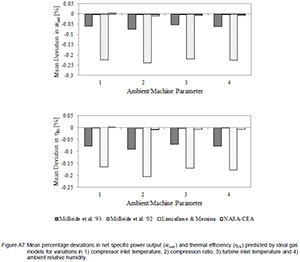
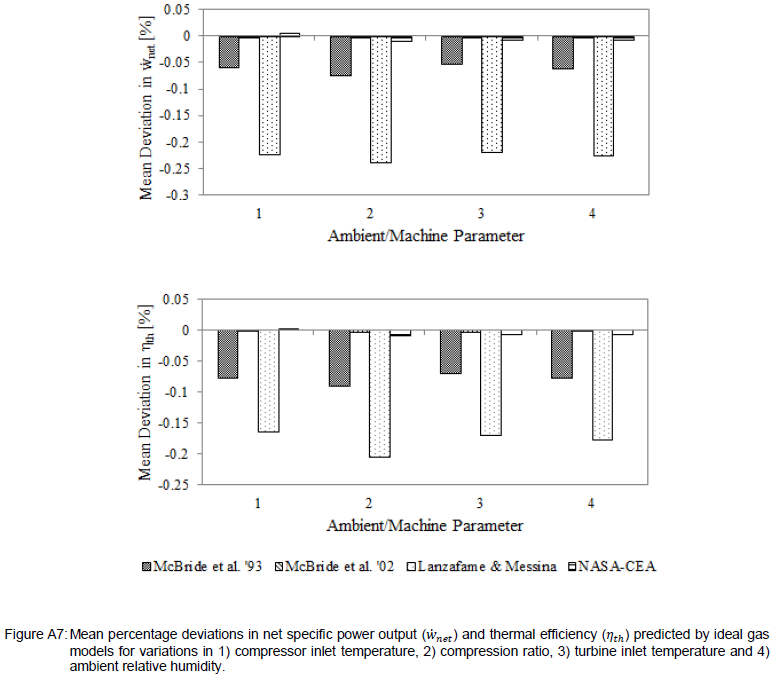
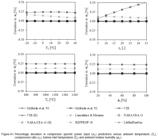
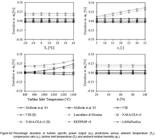
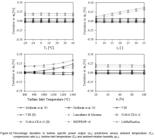
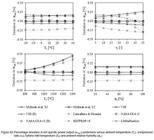
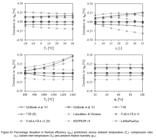
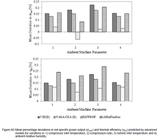
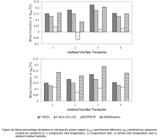
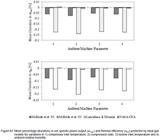
A variety of working fluid thermodynamic property models are applied in gas turbine performance simulations, potentially giving rise to significant discrepancies in performance prediction. Literature indicates that little attention has been paid to assessing the impact of model sophistication on cycle performance prediction, especially for the case of industrial gas turbines. This paper seeks to investigate this impact by quantifying the correlation between several contemporary models in predicting the performance of a single-shaft gas turbine for varying operating conditions. The models considered represent a spectrum of sophistication; ranging from ideal gas models to advanced models that account for real gas and dissociation effects. Rigorous procedures were used to determine gas turbine state point properties, allowing for performance indices to be calculated for variations in ambient temperature, ambient relative humidity, compression ratio and turbine inlet temperature. The results indicate significant deviations in performance predictions, particularly at high compression ratios and turbine inlet temperatures. In a general sense, the study provides a useful resource to researchers engaged in the selection of suitable caloric property models for gas turbine simulator development.
Thermodynamic properties; gas turbine; performance prediction
 Thumbnail
 Thumbnail
 Thumbnail
 Thumbnail
 Thumbnail
 Thumbnail
 Thumbnail
 Thumbnail
 Thumbnail
 Thumbnail
 Thumbnail
 Thumbnail
 Thumbnail
 Thumbnail
 Thumbnail