Modelling of the recirculation in mechanical-draught heat exchangers
Abstract
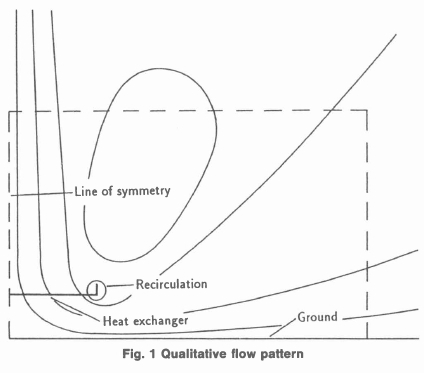
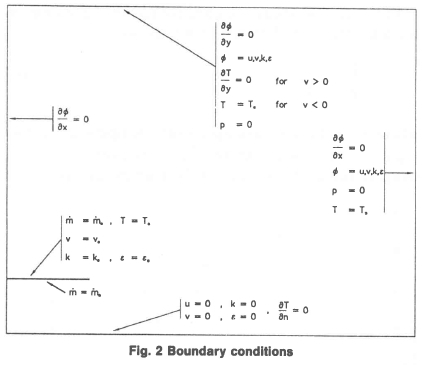
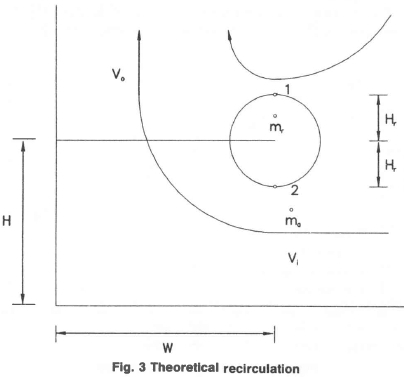
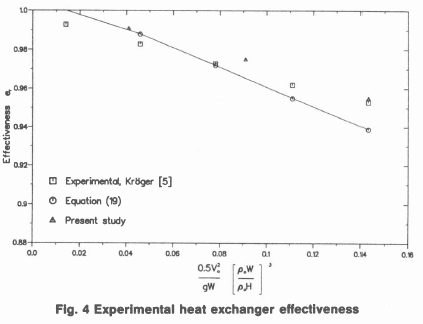
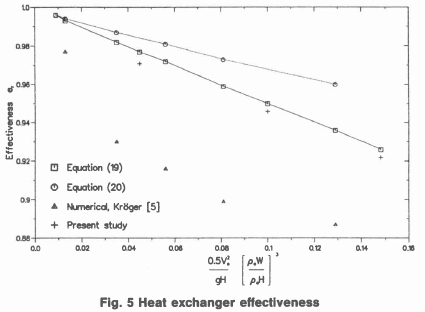
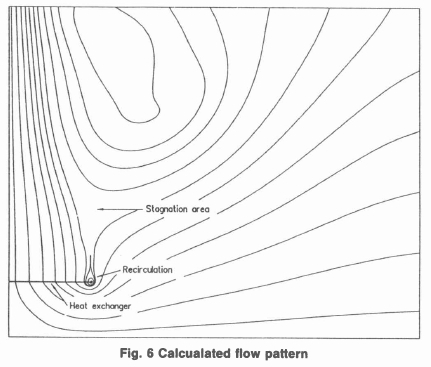
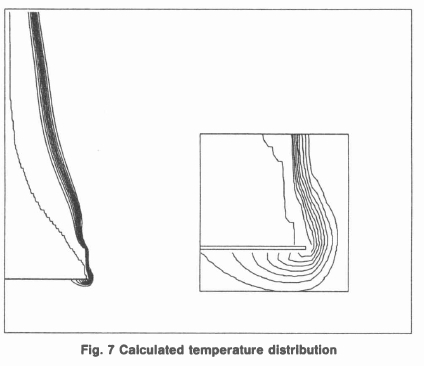
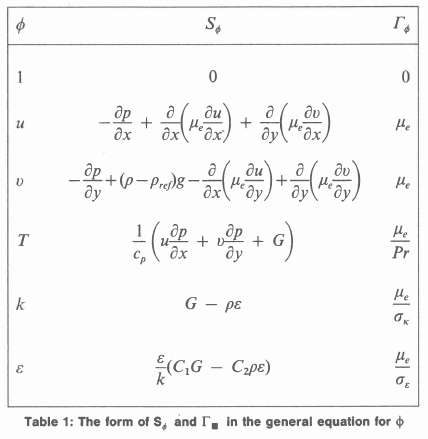
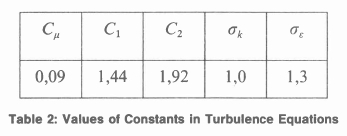
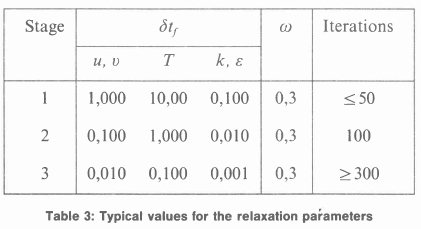
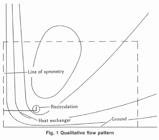
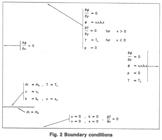
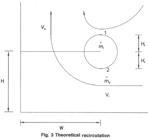
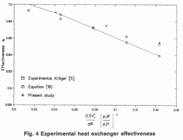
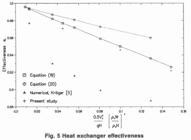
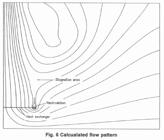
The two-dimensional air flow pattern about a forced-draught heat exchanger is modelled numerically and investigated analytically. A thorough understanding of the flow field and associated phenomena is imperative for the optimal design of such systems. The governing equations are discretized using the finite volume method. The general purpose fluid-flow code PHOENICS is used to model the flow field. The turbulent nature of the flow is modelled using the standard k-e turbulence model as incorporated in PHOENICS. The influence of recirculating warm plume air on the performance of mechanical-draught heat exchangers is investigated and compared with analytical, experimental and other numerical data. The numerical results compare favourably with the analytical and experimental data, as well as with the expected general flow pattern.
 Thumbnail
 Thumbnail
 Thumbnail
 Thumbnail
 Thumbnail
 Thumbnail
 Thumbnail