Rotary regenerator design theory and optimisation
Abstract
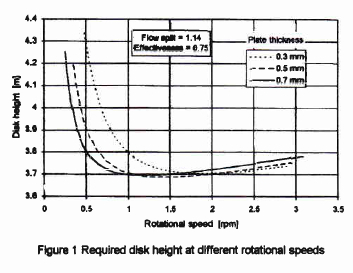
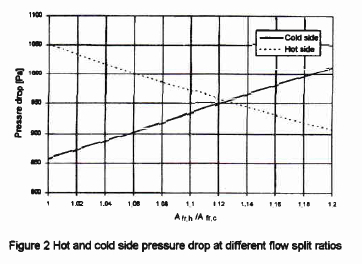
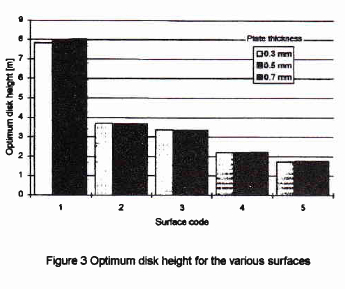
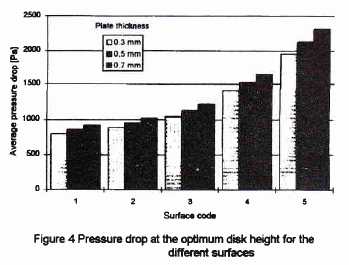
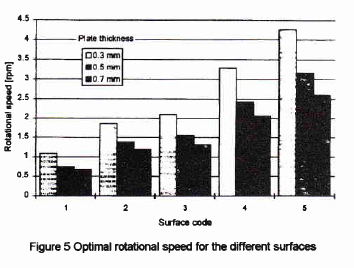
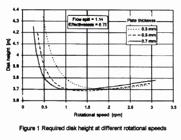
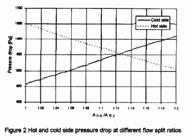
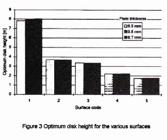
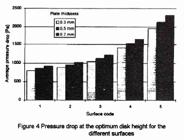
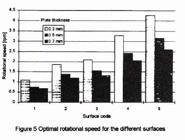
A review of the simplest and most frequently used design theory for counterflow rotary regenerators is given. A new correlation for the effectiveness of a balanced regenerator is proposed. A computer program was written for the thermal evaluation and design of counterflow rotary regenerators. The program is used to optimise some of the operating conditions and design parameters if the effectiveness is specified. It is shown by an example how the disk rotational speed, flow split ratio and matrix wall thickness can be optimised. Five heating surfaces that were experimentally tested for their heat transfer and pressure drop characteristics are compared at their respective optimum operating points.
 Thumbnail
 Thumbnail
 Thumbnail
 Thumbnail
 Thumbnail