Case Study: Effect of Suction Valve Control and Timed Coolant Injection on Reciprocating Compressors
Abstract
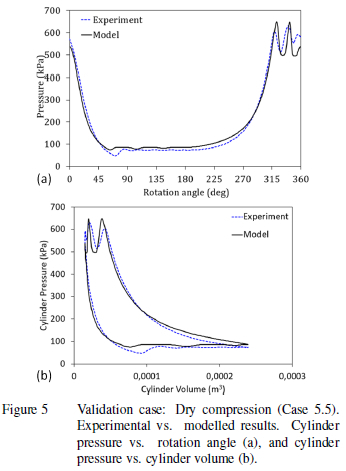
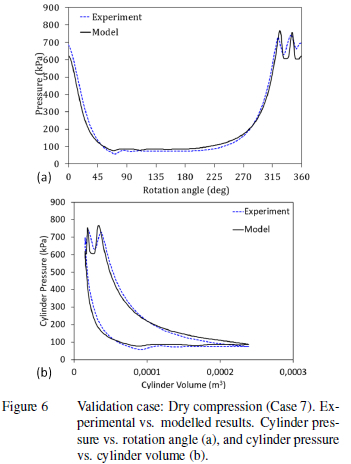
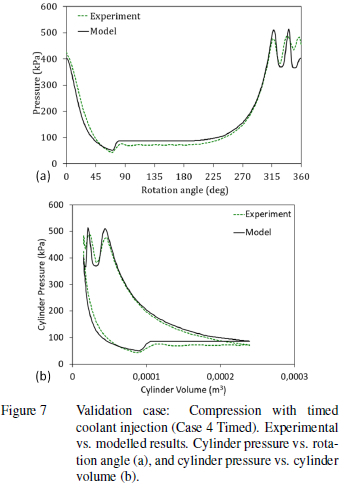
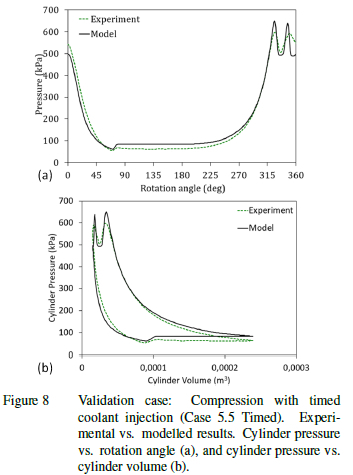
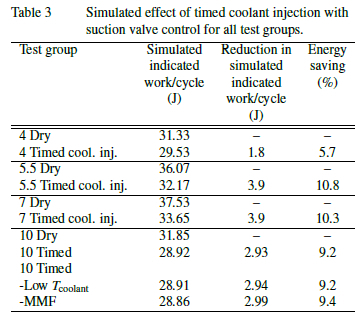
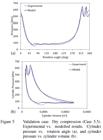
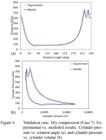
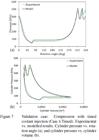
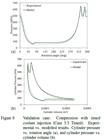
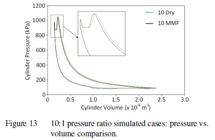
Reciprocating compressors have many applications ranging from household to industrial use. These compressors are mostly powered by electricity generated from fossil fuels, which contribute to global warming. The aim of this research was to investigate the effects oftimed coolant injection in a reciprocating compressor, creating a quasi-isobaric process followed by a quasi-isothermal process to increase compressor efficiency. Water was used as coolant. A mathematical model, based on the First Law of Thermodynamics, of a reciprocating air compressor with coolant injection and suction-valve control was developed. This model was validated against experimental results, which showed savings in indicated work of 5.7%, 10.8%c and 10.3%c for pressure ratios of 4, 5.5 and 7, respectively. Simulations, without validation for a pressure ratio of 10, indicated work savings of 9.2 - 9.4%c. The model can be used as a design aidfor developing future reciprocating compressors with improved efficiency, thereby reducing electricity consumption.
Reciprocating compressor; Coolant injection; Suction valve control; Compressor efficiency; Quasi-isothermal; Quasi-isobaric
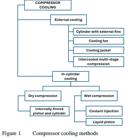 Thumbnail
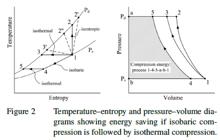 Thumbnail
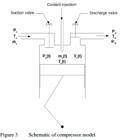 Thumbnail
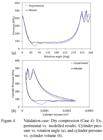 Thumbnail
 Thumbnail
 Thumbnail
 Thumbnail
 Thumbnail
 Thumbnail
 Thumbnail
 Thumbnail
 Thumbnail
 Thumbnail