Forces on the swimming hand
Abstract
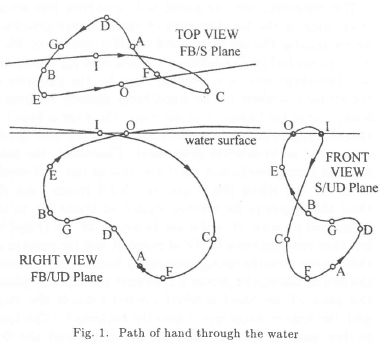
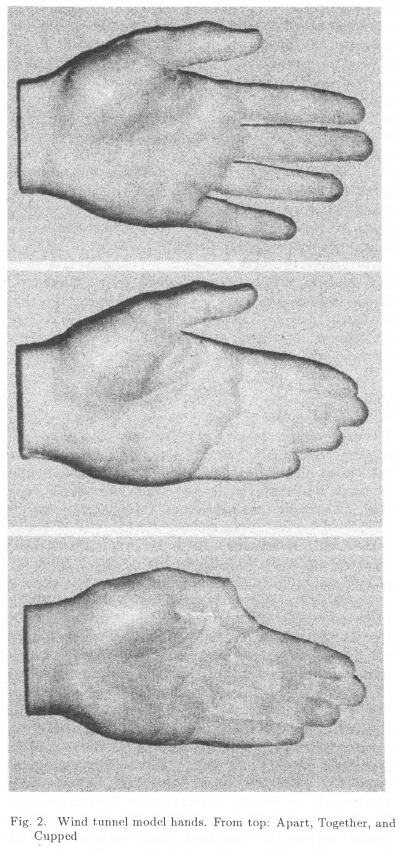
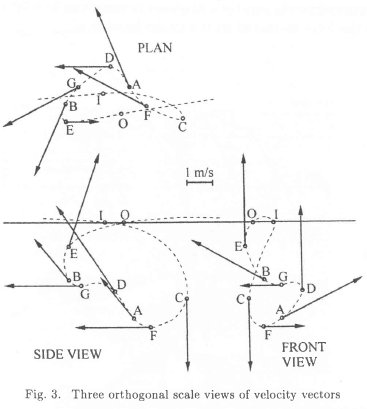
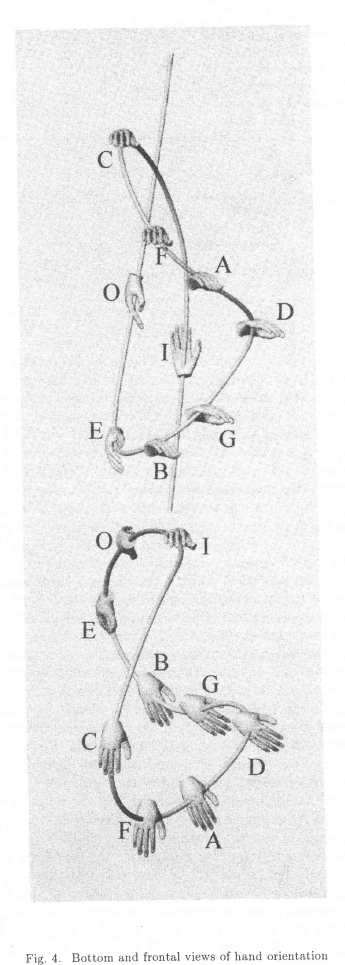
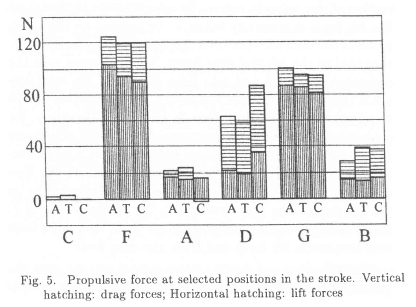
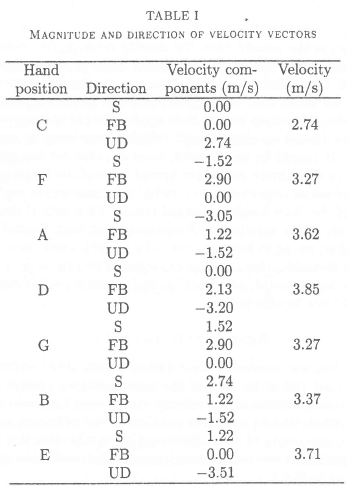
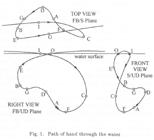
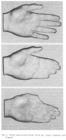
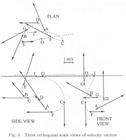
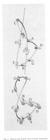
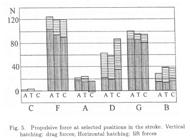
The purpose of this work was to determine which hand geometry is the most effective when swimming crawl, and to examine the relative contributions of lift and drag forces to forward propulsion. Three 'different hand geometries were used: flat hand with fingers slightly spread, flat hand with fingers together, and cupped hand. The forces on each were determined at six characteristic points in the stroke, which were established from examination of published photographs of an expert swimmer. The relative velocity between the hand and the water for each of these positions was determined. Wind tunnel tests were conducted under conditions of flow similarity and correct hand orientation, and the forces on full-scale hand models measured. It was established that there was no single best hand geometry. In hand positions where the backward component of hand velocity is dominant, the geometry with fingers slightly apart was best, and drag forces were the main contributor to forward propulsion. When the sideways component of hand velocity was dominant, the hand geometry with fingers together was best and when the main component of hand velocity was upward, the cupped hand was best, with lift forces being significant.
 Thumbnail
 Thumbnail
 Thumbnail
 Thumbnail
 Thumbnail