Waste Heat Recovery in SI Engines by the Dissociation of Methanol Fuel
Abstract
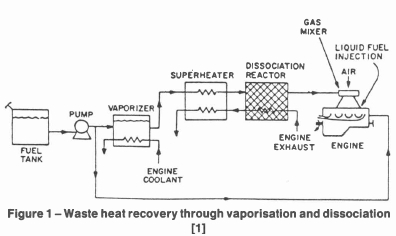
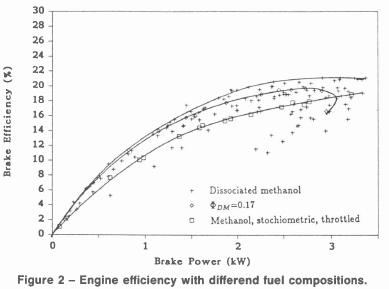
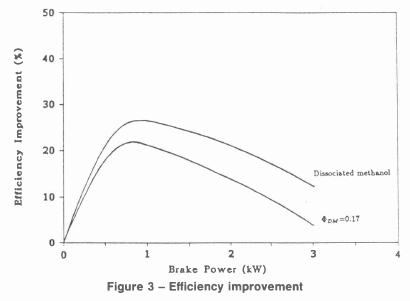
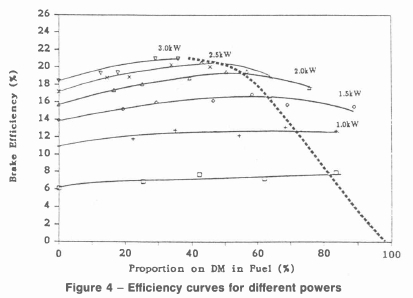
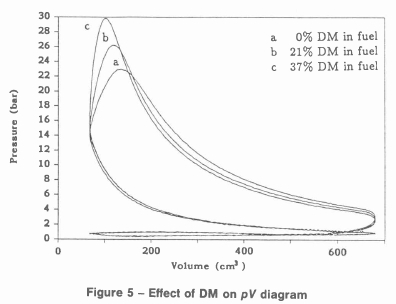
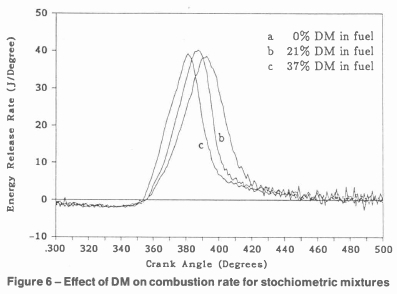
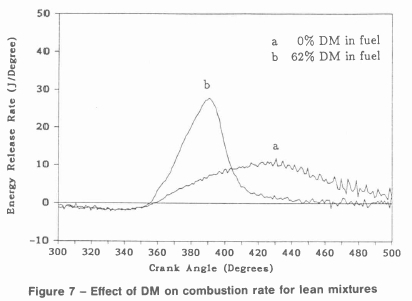
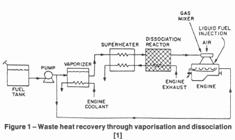
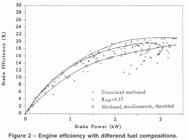
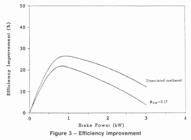
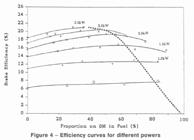
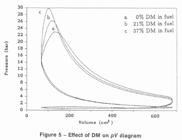
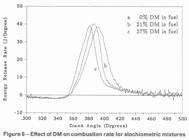
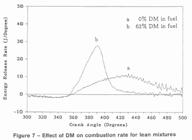
Methanol is the most likely replacement for petroleum as a liquid fuel for automotive engines. By using the thermal energy of the engine coolant and exhaust gases to dissociate methanol into hydrogen and carbon monoxide, regeneration can be achieved. A single cylinder SI engine was instrumented to investigate this technique. Dissociation was simulated by fuelling the engine simultaneously with dissociated methanol from a gas cylinder and liquid methanol. Improvements in efficiency of up to 27% over normal throttled operation on methanol were achieved. The proportion of dissociated methanol in the fuel which gave maximum efficiency varied from 100% at no load to 40% at maximum power. Analysis of combustion chamber pressure data showed that the addition of dissociated methanol significantly increases the rate of combustion and limits of flammability of methanol. The use of a small dissociator which always operates at maximum capacity is recommended as the best compromise between engine efficiency and cost.
 Thumbnail
 Thumbnail
 Thumbnail
 Thumbnail
 Thumbnail
 Thumbnail
 Thumbnail