A Carbon Fibre Swingarm Design
Abstract
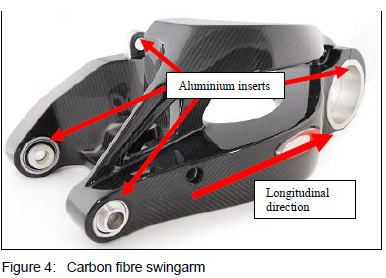
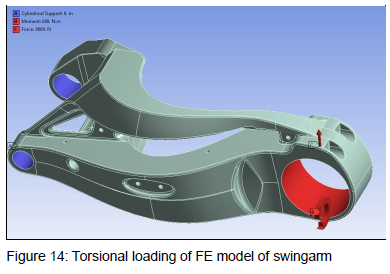
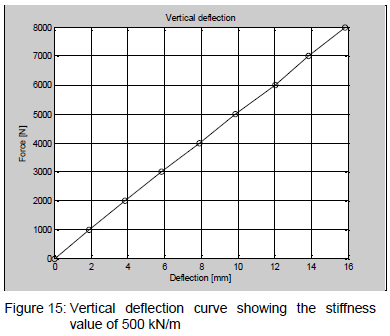
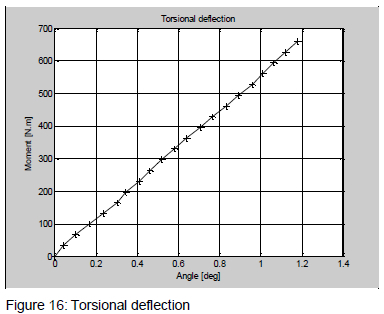
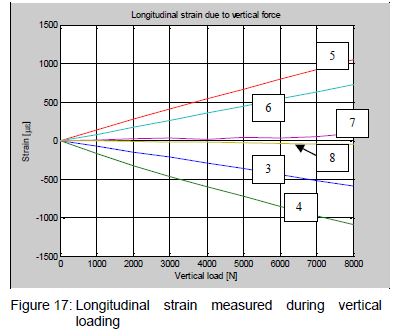
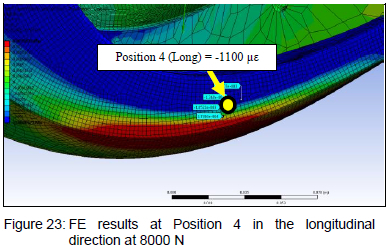
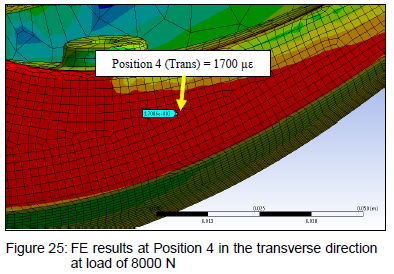
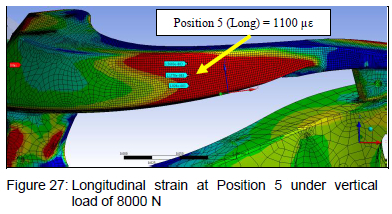
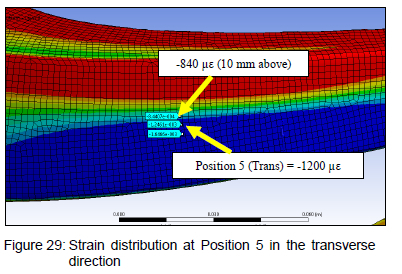
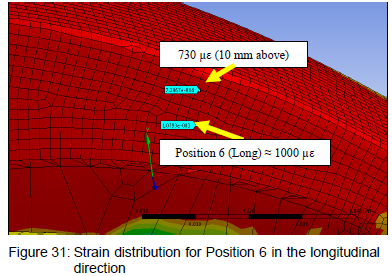
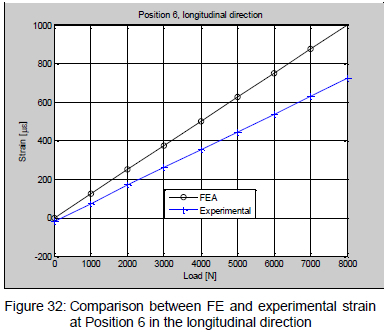
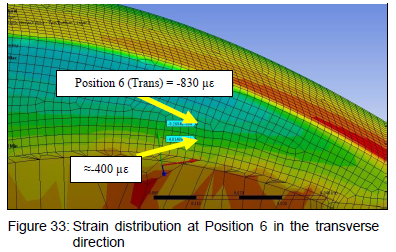
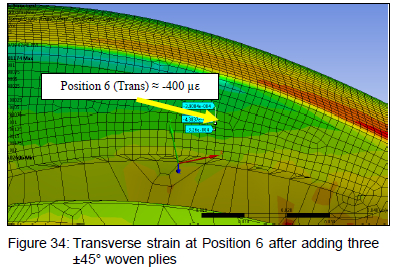
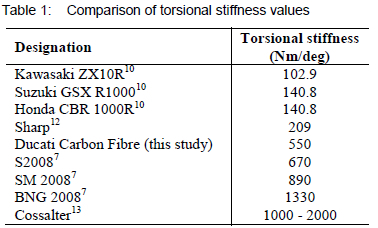
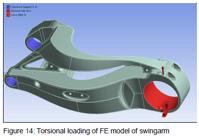
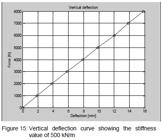
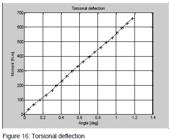
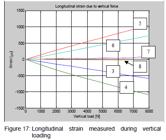
The use of carbon fibre composites in structural automotive components such as swingarms is underdeveloped. Carbon fibre composites possess higher stiffness to weight ratios than commonly used automotive materials such as steel, aluminium and magnesium. In this study a novel prototype carbon fibre swingarm is presented. The vertical and torsional stiffness values of the prototype were measured to be 500 kN/m and 550 Nm/deg respectively. The prototype vertical stiffness is of an order of magnitude greater than the rear suspension stiffness (a deemed satisfactory minimum). The torsional stiffness of 550 Nm/deg is comparable to published values. The prototype carbon fibre swingarm is 1.5 kg lighter than its aluminium counterpart: a weight saving of 29%. A finite element (FE) model was developed which will be used to further reduce the weight of the swingarm. Validating the FE model using strain gauges produced mixed results. The finite element analysis (FEA) showed good correlation with the vertical displacement of the swingarm and reasonable correlation with the torsional deflection. The study illustrates the superior stiffness to weight ratio of carbon fibre (an important feature in its growing use in automotive component manufacturing) and the importance of validating FE models using macro-measurements (e.g. deflection) when dealing with complex composite structures which have ply overlap and high strain gradients.
Swingarm; carbon fibre; FEA; strain measurements; ply overlap
 Thumbnail
 Thumbnail
 Thumbnail
 Thumbnail
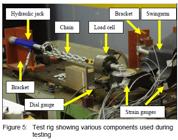 Thumbnail
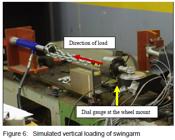 Thumbnail
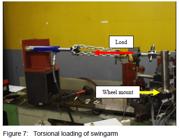 Thumbnail
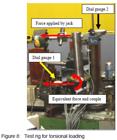 Thumbnail
 Thumbnail
 Thumbnail
 Thumbnail
 Thumbnail
 Thumbnail
 Thumbnail
 Thumbnail
 Thumbnail
 Thumbnail
 Thumbnail
 Thumbnail
 Thumbnail
 Thumbnail
 Thumbnail
 Thumbnail
 Thumbnail
 Thumbnail
 Thumbnail
 Thumbnail
 Thumbnail