Laser Vapour Screen Visualisation of Three-Dimensional Compressible Flow Fields
Abstract
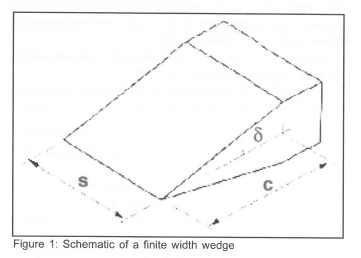
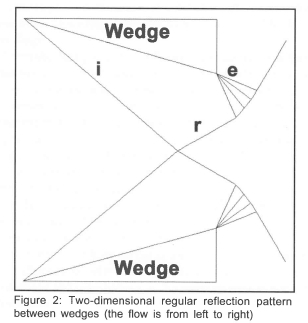
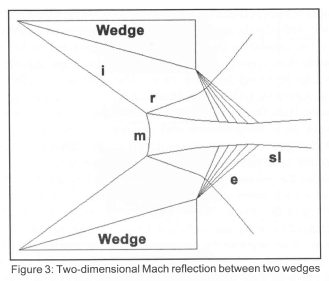
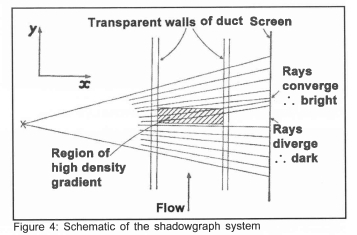
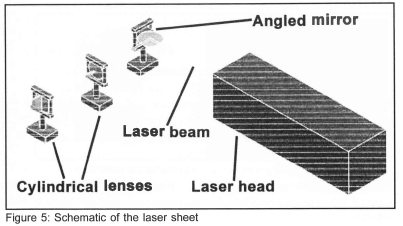
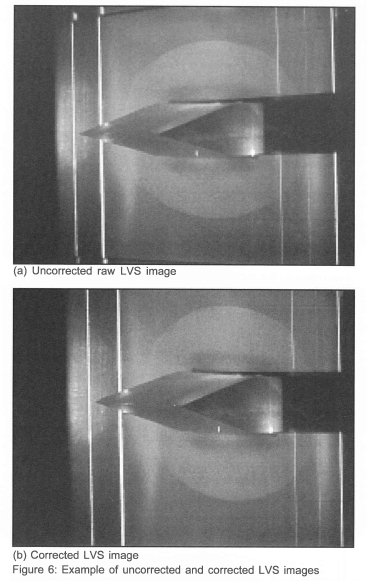
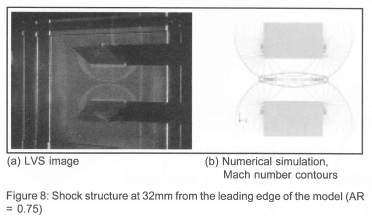
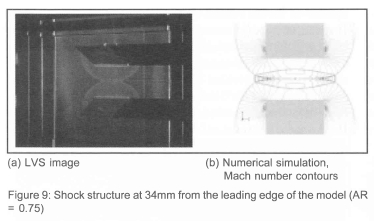
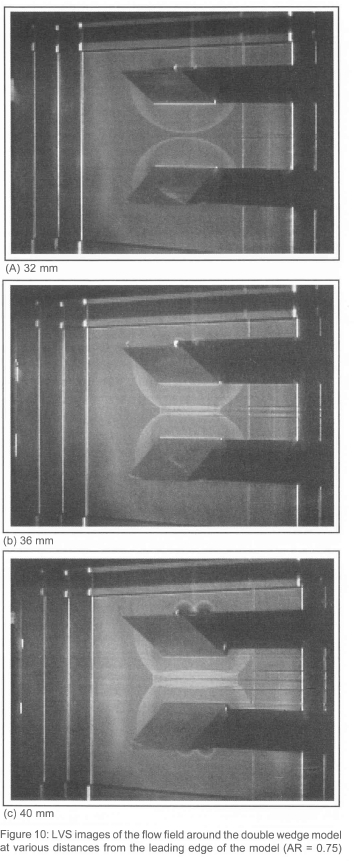
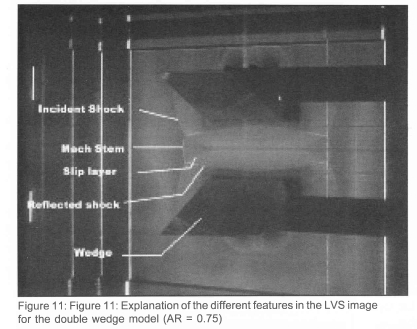
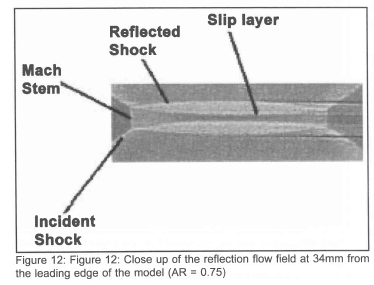
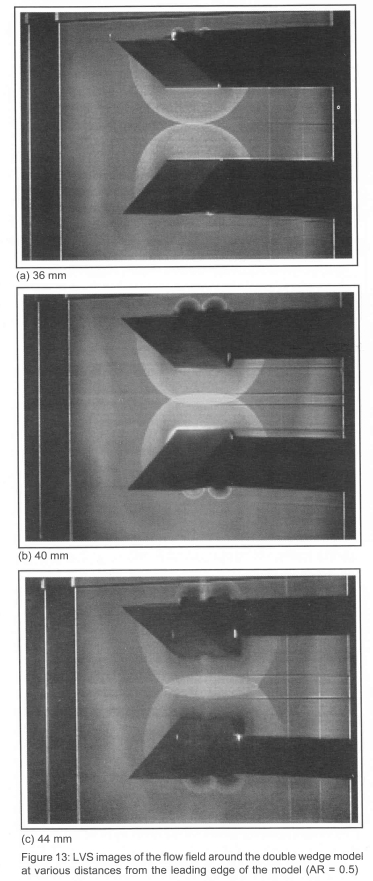
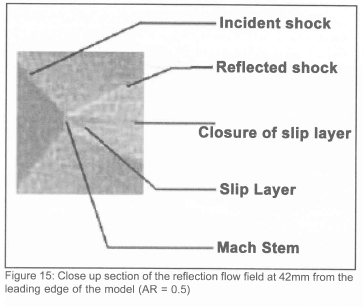
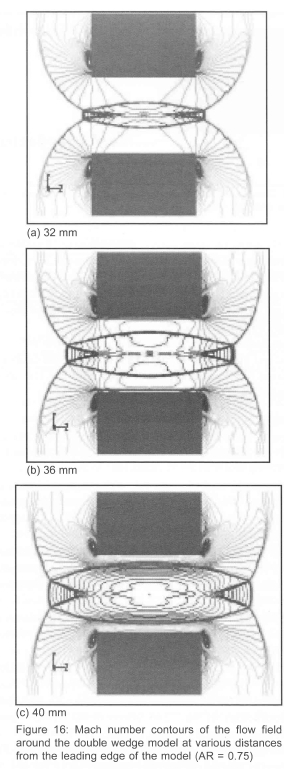
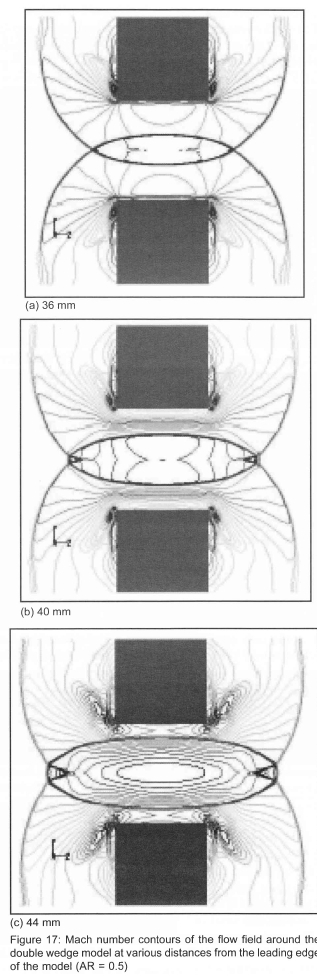
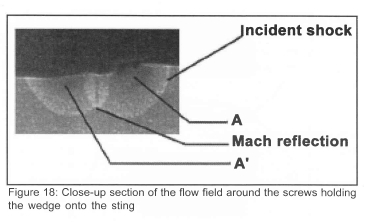
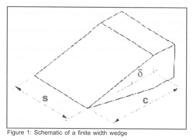
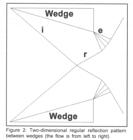
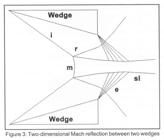
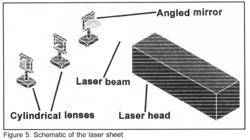
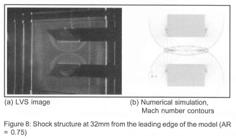
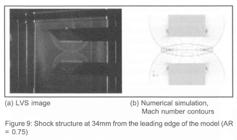
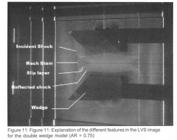
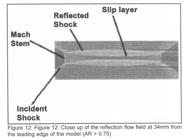
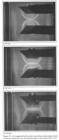
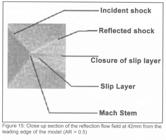
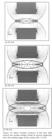
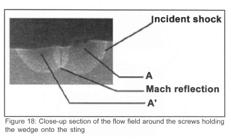
A Laser Vapour Screen (LVS) system has been designed and implemented in the supersonic wind tunnel at the Mechanical Engineering Laboratories, University of the Witwatersrand. The settling chamber of the wind tunnel is seeded with micron size droplets of water that evaporate in the settling chamber and subsequently condense out into a fog upon expansion through the converging-diverging nozzle of the wind tunnel The fog in the test section is illuminated by means of a laser sheet generated by passing the beam from an argon-ion laser through a series of cylindrical lenses. Any disturbance in the flow field modifies the uniform concentration of fog particles in the plane of the laser sheet. In this manner, shock waves can be visualised and photographed. The ability of the technique to take multiple two-dimensional slices of the flow field lends itself to being ideally suited for visualising compressible and highly 3- dimensional flow fields. The double wedge models tested in the supersonic wind tunnel consisted of two sets of 27° wedges (having aspect ratios of AR = 0.5 and AR = 0.75). The AR = 0.75 model displayed Mach reflection at the centreline of the model, while the AR = 0.5 model displayed regular reflection at the centreline. The Mach stem surfaces on both models developed a prominent outward bulge and grew in size downstream of the models.
 Thumbnail
 Thumbnail
 Thumbnail
 Thumbnail
 Thumbnail
 Thumbnail
 Thumbnail
 Thumbnail
 Thumbnail
 Thumbnail
 Thumbnail
 Thumbnail
 Thumbnail
 Thumbnail
 Thumbnail
 Thumbnail
 Thumbnail