Fan blade damage detection using on-line vibration monitoring
Abstract
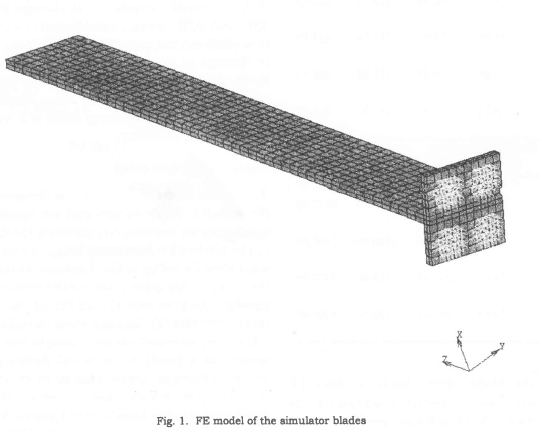
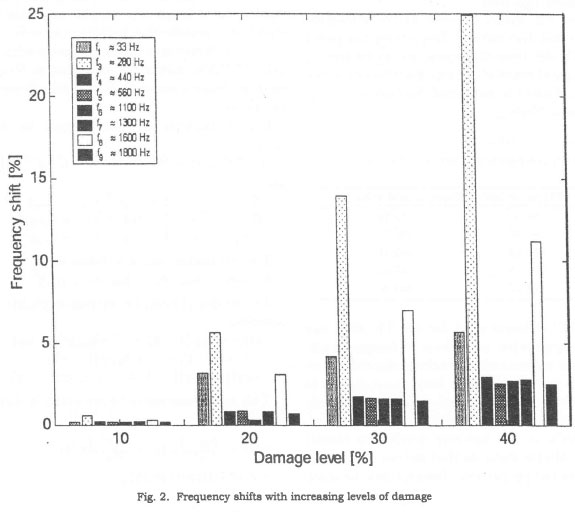
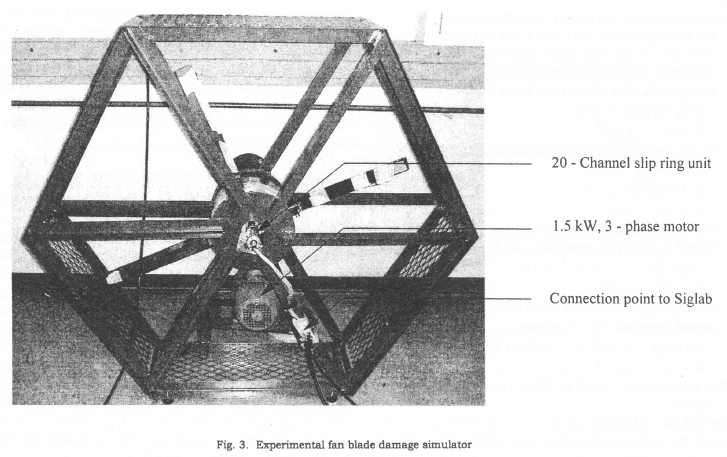
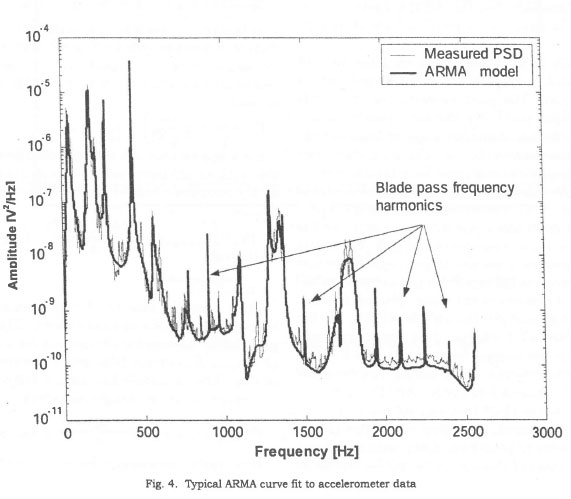
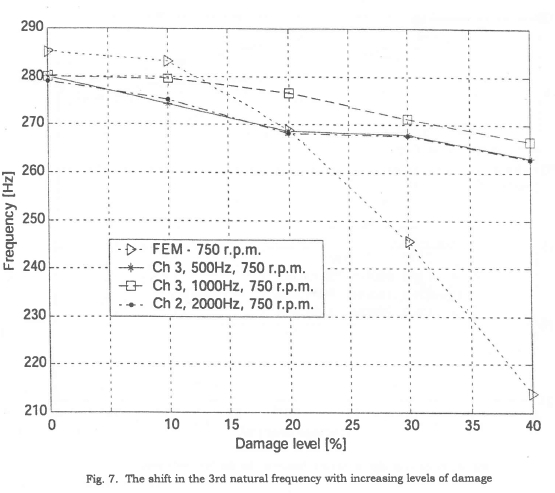
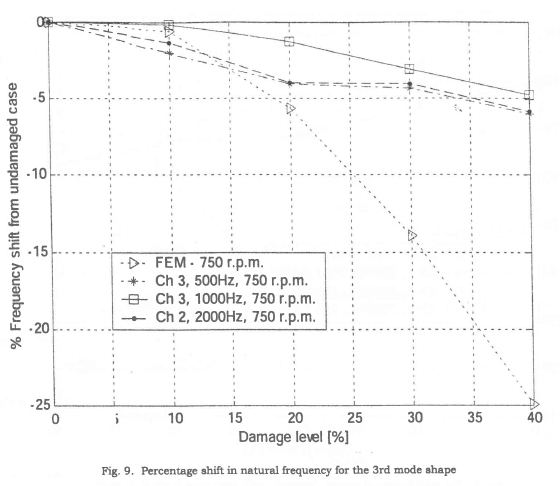
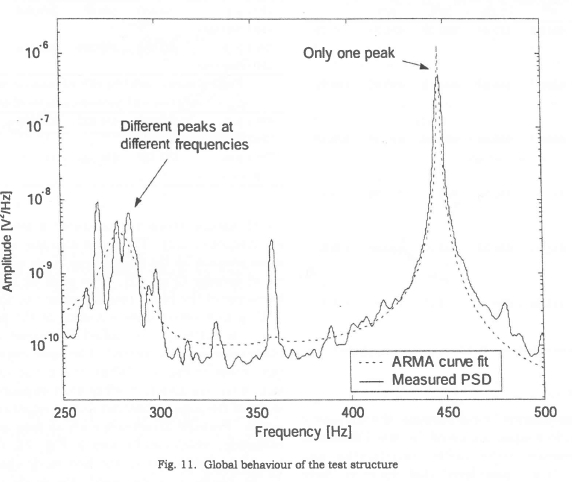
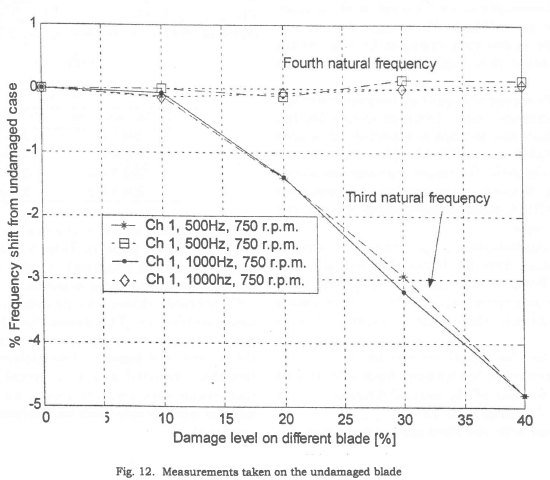
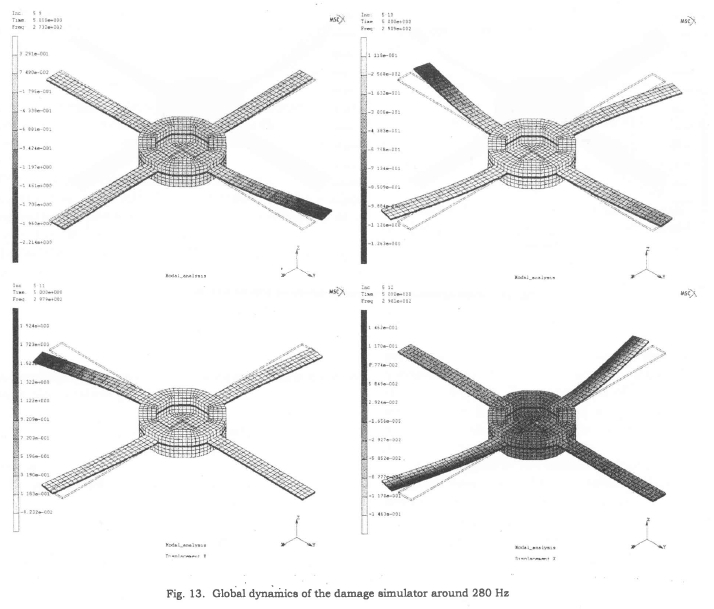
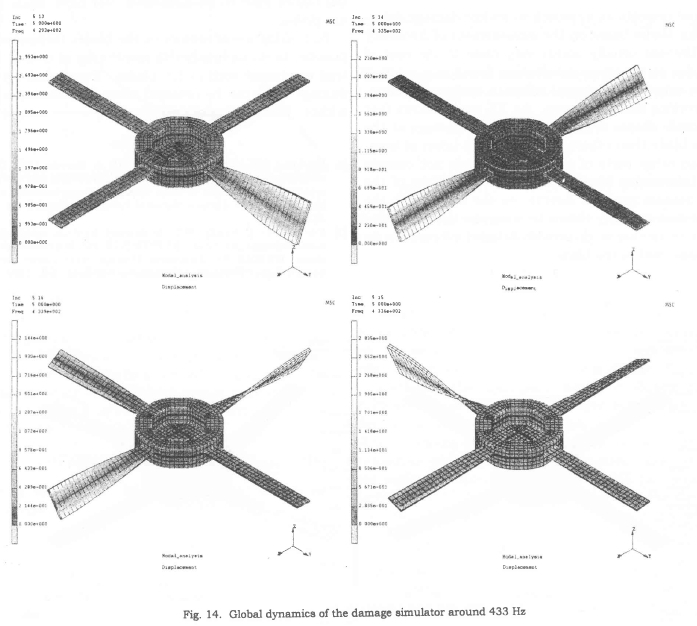
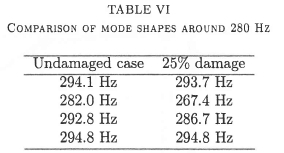
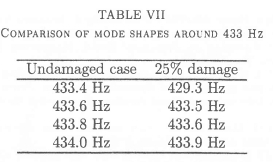
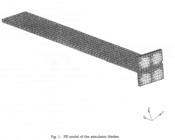
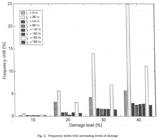
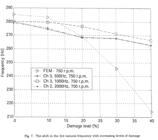
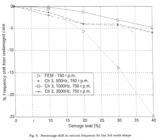
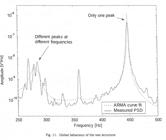
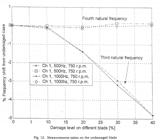
The use of on-line vibration monitoring of fan blades to detect and classify damage levels on blades was investigated. It was shown that output only data can be used to determine modal parameters, such as natural frequencies, with sufficient accuracy to be used as damage indicators. This is only possible if sensors are mounted on the blades themselves, thereby ensuring that the dynamics of the blades can be accurately monitored. A finite element model was used to study the feasibility of using frequency shifts as damage indicators on rotating fan blades. The results indicated that certain mode shapes are more sensitive to damage at the root of the blade. An experimental fan blade damage simulator was then used to verify these findings experimentally. A hypothesis, that the differences in frequency shift due to damage between the finite element model and the experimentally measured frequencies is the result of global structural behaviour, was verified by making use of an extended finite element model. Local mode shapes make it possible to classify damage levels on individual blades using one sensor per blade only. Damage levels of as low as 10% could be detected experimentally.
 Thumbnail
 Thumbnail
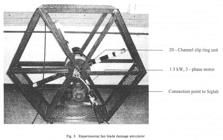 Thumbnail
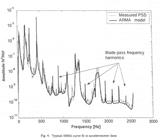 Thumbnail
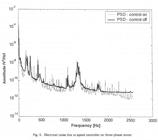 Thumbnail
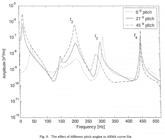 Thumbnail
 Thumbnail
 Thumbnail
 Thumbnail
 Thumbnail
 Thumbnail
 Thumbnail