Modelling and Experimental Validation of a Loop Heat Pipe
Abstract
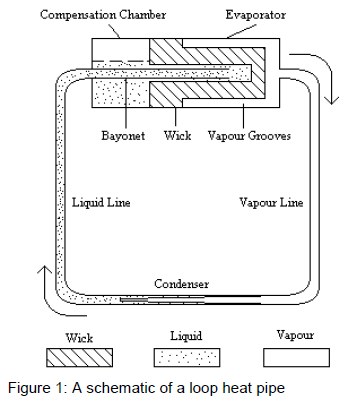
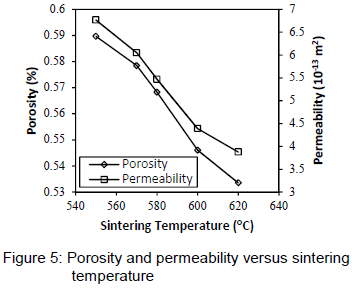
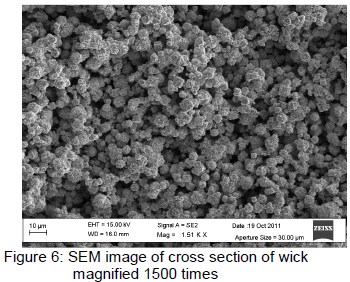
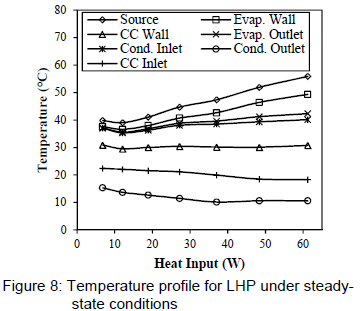
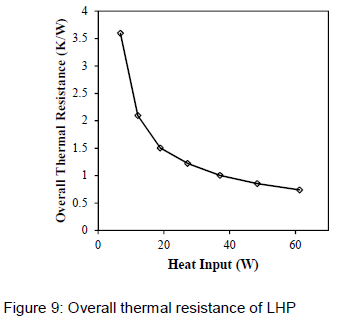
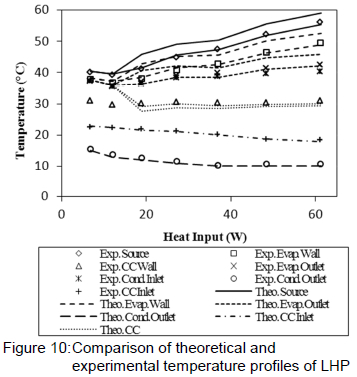
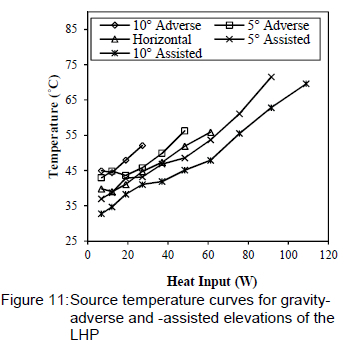
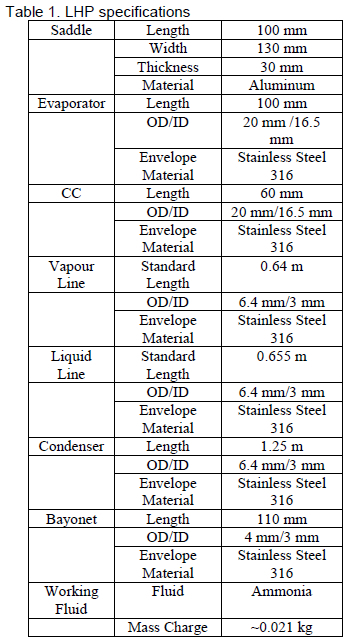
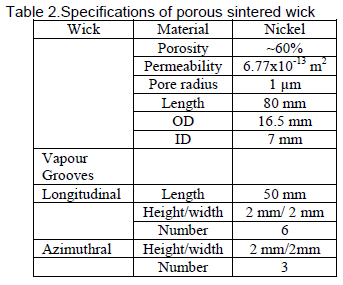
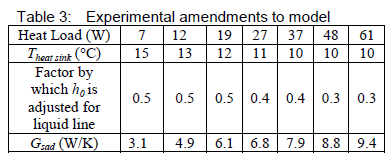
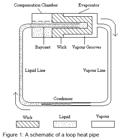
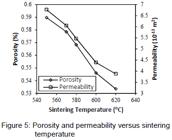
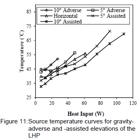
The Loop Heat Pipe (LHP) is a passive, two-phase heat transfer device employed in aerospace and, increasingly, terrestrial applications. A porous wick, placed solely in the evaporator, maintains circulation, and the remaining piping is a conduit for vapour and liquid. LHPs can transport heat over long distances, operate in adverse gravitational positions, tolerate numerous bends and are self-priming due to the compensation chamber passively providing liquid access to the wick. A robust mathematical model of the steady-state operation of an LHP for terrestrial high heat flux electronics was created and validated from data generated by an experimental LHP. The LHP was also operated in gravity-adverse and assisted elevations of 5° and 10°. The porous wick has a 60 % porosity, 6.77x10⁻¹³ m2 permeability and an average pore radius of 1 μm. Ammonia was the chosen working fluid.The predicted values during the constant conductance mode of operation accurately reflected the experimental results. Theoretical values for the variable conductance mode were much less accurate and the model required additional empirical values to correct them. The maximum heat loads were 60 W, 50 W and 110 W for horizontal, gravity-adverse and gravity-assisted operation respectively.
Sintered wick; two-phase modeling; gravity-assisted
 Thumbnail
 Thumbnail
 Thumbnail
 Thumbnail
 Thumbnail
 Thumbnail
 Thumbnail
 Thumbnail
 Thumbnail
 Thumbnail
 Thumbnail