The Case for Psychotherapeutic Case Studies in South Africa: A Scoping Review
Abstract
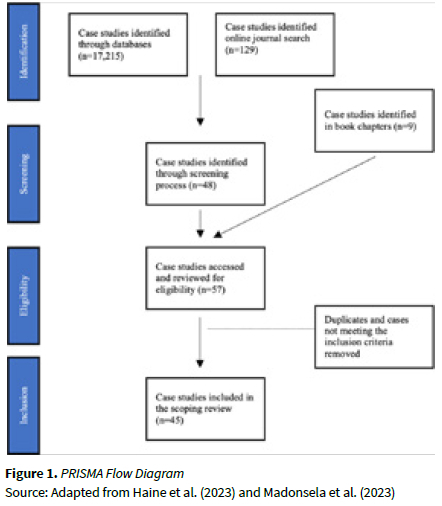
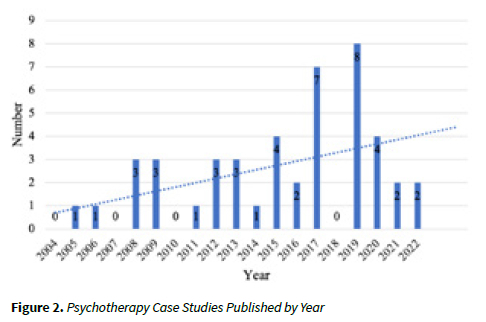
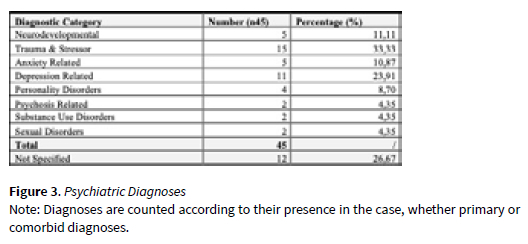
With the call for relevance in, and decolonisation of South African psychology, one must consider how this may be achieved through research and clinical practice. It is argued that South African psychology remains 'irrelevant' due to ongoing reliance on ahistorical and de-contextualised Eurocentric knowledge (as rooted in colonial and apartheid ideology and politics). Thus, methodologies that foreground both the immediate and historical context may assist in bridging the gap between knowledge generation and meaningful practice. In this scoping review of 45 South African psychotherapy case studies, we investigate whether the methodology may be as a means of developing relevant, contextually informed psychological knowledge in line with the decolonisation agenda. The results reveal that such case studies not only evaluate the applicability of Western-developed treatment models in the South African context but also explore the unique therapeutic dynamics in context. Additionally, themes reflecting broader social challenges were highlighted, such as violence, trauma, race, anger, shame, and sadness, supporting the potential for psychological case studies to contribute to more relevant psychological knowledge and practice in South Africa.
South Africa; psychology; psychotherapy; case study; relevance; decolonisation; trauma; violence; race; context
 Thumbnail
 Thumbnail
 Thumbnail