Psychological expertise and governmentality in democratic South Africa: a tracer study of masters graduates from UKZN
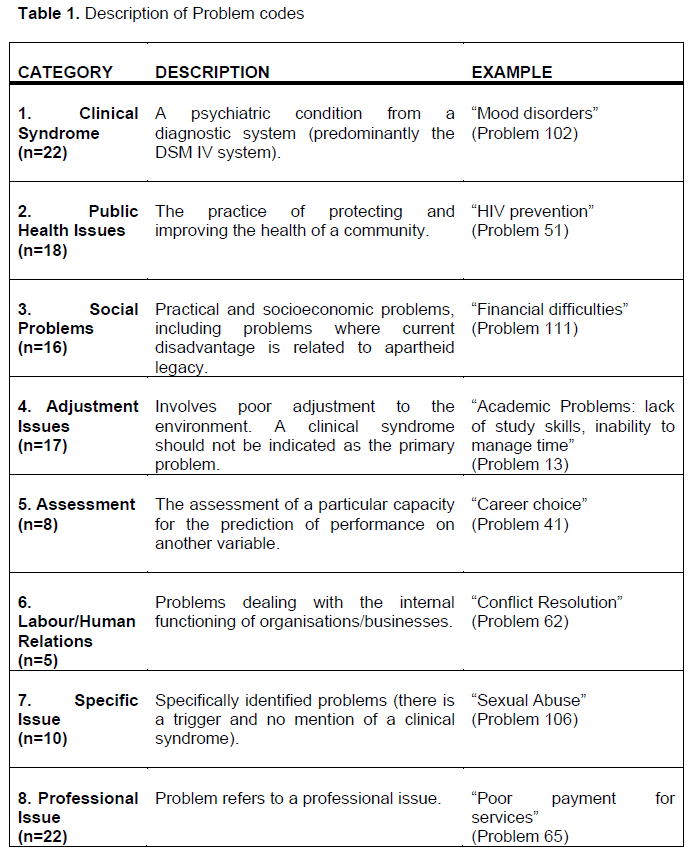
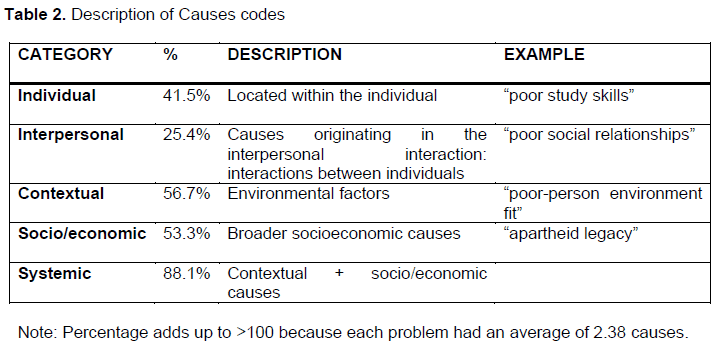
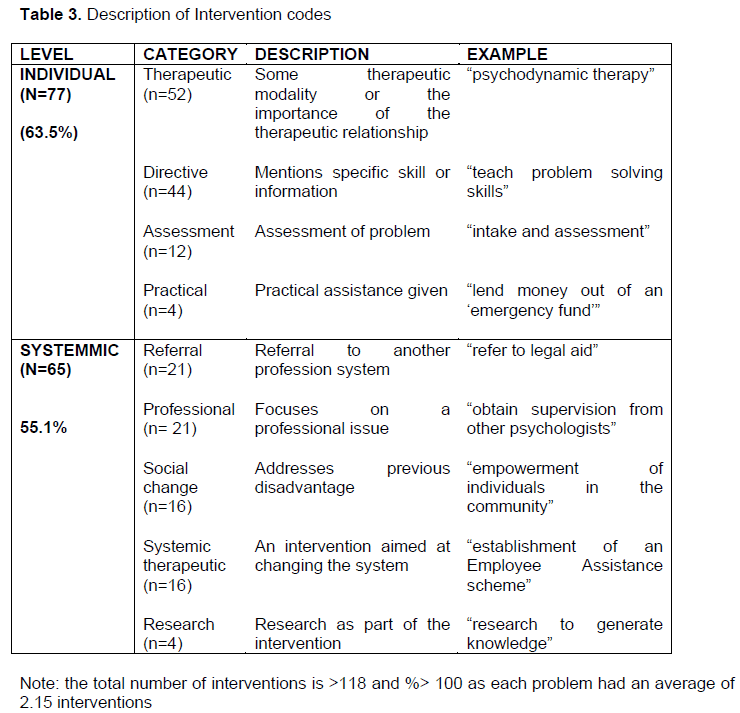
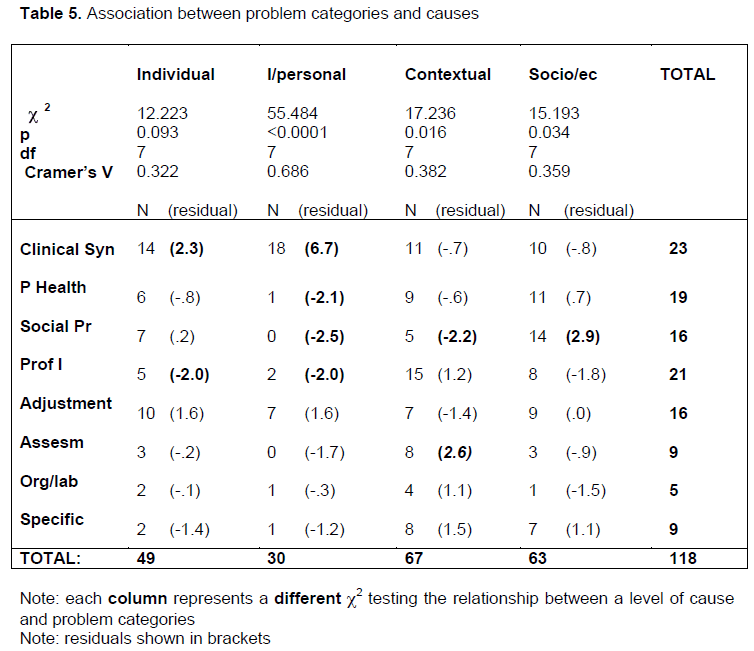
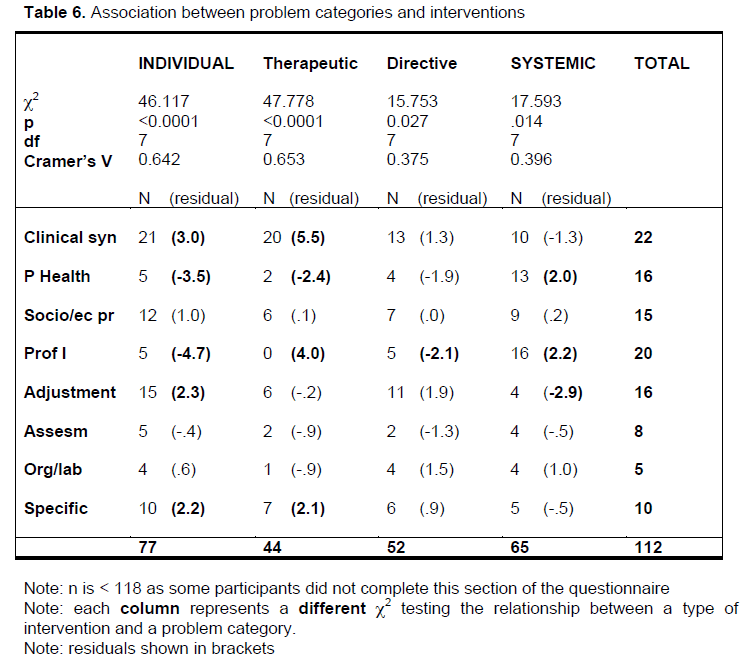
Foucault (1978) proposed that scientific discourses can become objects for political practice. Following from this, Nikolas Rose has elaborated how psychological expertise is implicated in the government of conduct in liberal democracies. In this study these ideas are explored in the local South African context, paying particular attention to post-apartheid imperatives to extend psychological services to socially relevant spheres. The sample was drawn from psychologists who graduated from UKZN (University of KwaZulu-Natal) between 1993 and 2003/4. Data were collected about problems that psychologists see in their daily working environments, their causes and the practices used to solve them. Findings indicate that psychologists deal with a range of traditional psychological problems as well as diverse social/structural problems. Individualised interventions, encouraging self-regulation, dominate both these groups of problems, including interventions focussing on the community and social change. We argue that psychological expertise as a tool for government finds its limits in conditions of extreme social and economic hardship.
governmentality; psychological expertise; relevance; self-regulation' community; developing world