Psychological barriers to climate-friendly food choices
Abstract
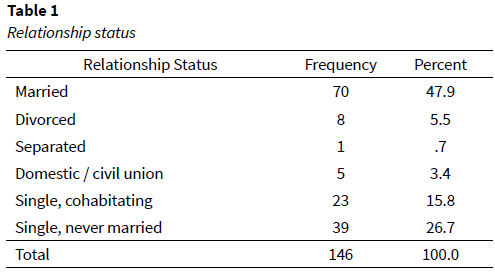
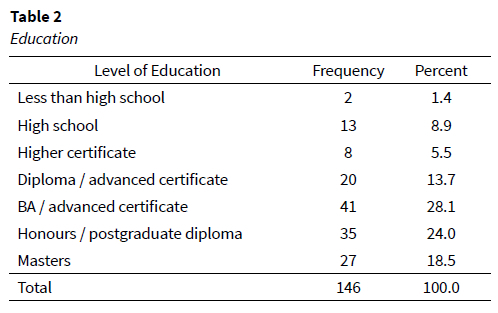
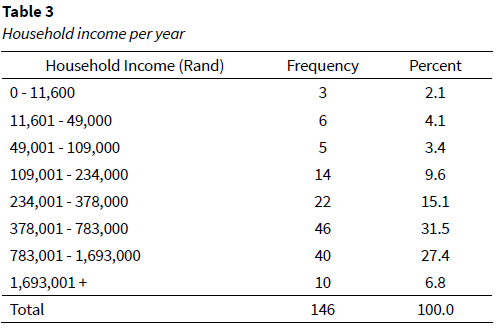
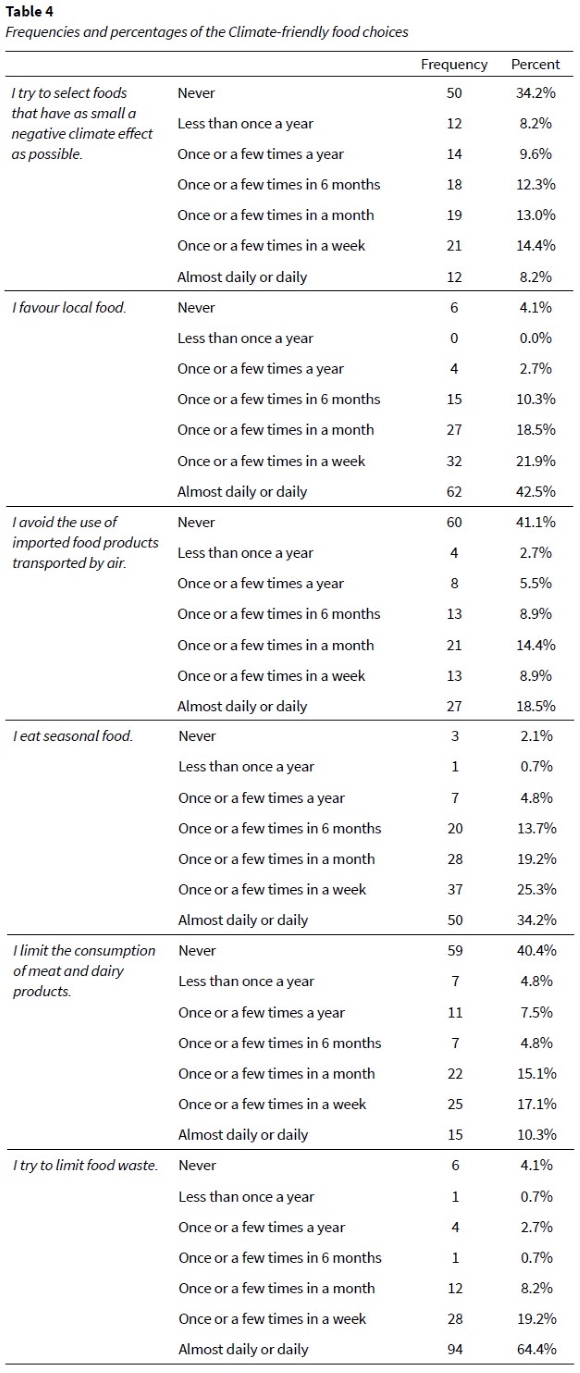
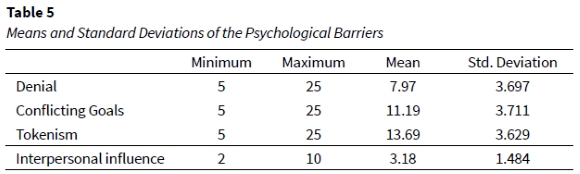
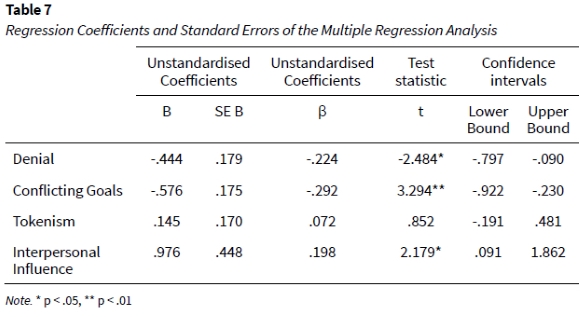
The food supply chain is a significant contributor to climate change. By following a climate-friendly diet, consumers have the potential to significantly reduce the effects of climate change. However, despite the growing awareness of the climate-friendly food options that are available, consumers still choose foods with a high carbon footprint. Following a survey design, this study aimed to determine the extent to which four psychological processes (denial, conflicting goals and aspirations, tokenism, and interpersonal influence) limited climate-friendly food choices in a sample of adult consumers residing in Gauteng, South Africa. Data were collected from 146 participants using the Climate-friendly Food Choices Scale and the Psychological Barriers Scale. Results indicated that, overall, the barriers were negatively associated with climate-friendly food choices. Regression analysis indicated that the four psychological barriers explained 10.S % of the variance in climate-friendly food choices. Conflicting goals and aspirations and denial were identified as the two main psychological barriers to climate-friendly food choices. It is therefore essential to consider the psychological processes that could have a limiting effect on the adoption of climate-friendly food choices in our approach to encourage pro-environmental change.
Consumer behaviour; climate change mitigation; climate-friendly food; pro-environmental behaviour; psychological processes; sustainable food choices