Assessing existing infection prevention and control measures used by nurses in water-scarce healthcare in a global setting: A scoping review
Abstract
BACKGROUND: Water service in primary healthcare clinics is nearly impossible, especially in remote areas, because of poor infrastructure and ineffective municipal service delivery compliance. The health risk to patient care and safety makes basic cleanliness and infection prevention and control (IPC) practices in primary healthcare clinics difficult. AIM: This study mapped and synthesised the existing Infection Prevention and Control measures used by nurses in water-scarce healthcare facilities in a global setting. METHOD: A comprehensive search was conducted in four databases: EBSCOhost, Index to Nursing and Allied Health Literature (CINAHL), MEDLINE EBSCO Web of Science. Each database search employed algorithm-specific strategies and combinations. Eligible studies were those addressing IPC measures in water-scarce healthcare settings, published in English, between 2020 and 2025, and with accessible full text. Data were extracted using manual tables and thematically analysed. RESULTS: This review identified 12 studies that met the inclusion criteria from South Asian and African countries. This review employed a descriptive qualitative methodology using thematic analysis to determine and describe the main themes that emerged from the research findings. Four themes emerged: Social behavioural strategies, good governance systems, incorporating digital and technology in healthcare systems and community participation approaches. CONCLUSION: This scoping review indicates that water scarcity challenges the IPC standards in healthcare facilities, adversely affecting basic hygiene practices, sanitation and overall cleanliness. CONTRIBUTION: Its findings serve as a valuable resource for nurses, stakeholders, and policymakers working to improve IPC measures in primary healthcare clinics experiencing water scarcity.
infection prevention and control measures; hygiene practices; nurses; water scarcity; healthcare clinics
Introduction
The World Health Organization (WHO) highlights that '1 in 5 healthcare facilities (22%) lack basic water services, affecting 1.7 billion people, including 857 million people globally who access healthcare facilities with no water at all'.12234555,6774444,899,1010111111,12131314,15
Despite substantial advances in healthcare systems, 23 countries, mainly in Africa and the Eastern Mediterranean, continue to report high case fatality rates from cholera outbreaks, which are primarily because of inadequate water supply.7,13,14,151414,151615,16
Methods
Study design
This study applied a scoping review approach, which is a proven method for synthesising existing literature on a particular topic, emphasising key ideas or characteristics within the literature and identifying knowledge gaps.17,18191617,18
Research question
The research topic was: 'What are the existing IPC measures used by nurses working in primary healthcare clinics facing water scarcity around the globe?'
Search strategy and eligibility criteria
This study used PCC's framework for literature review, where P-Population comprised nurses in primary healthcare clinics; C-Content referred to IPC measures and C-Context referred to water scarcity. The search was conducted in English. The keywords used to search for articles were 'Infection Prevention and Control measures, nurses, water-scarcity, healthcare clinics'. Four electronic databases were used for the literature search: EBSCOhost, Index to Nursing and Allied Health Literature (CINAHL), MEDLINE EBSCO and Web of Science. Each database search used different search strategies and combinations tailored for each algorithm. Filters and limitations, particularly restrictions on publication dates, articles published within 5 years period were used. A brief overview of string search is presented in Table 1.
Inclusion and exclusion criteria
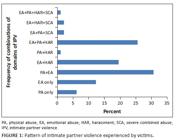
This scoping review considered PCC (Populations, Concept, Context) to establish its inclusion and exclusion criteria, ensuring alignment with its research question. The study population included nurses in primary healthcare clinics. This study also incorporated selected peer-reviewed grey literature in the review, such as published dissertations, international organisational reports and guidelines on existing IPC measures for nurses in healthcare facilities with water scarcity. The focus ensured that the study reviewed all available literature without limiting the scope of the search or the literature itself. The search included published literature from 2020 to 2025 in the four databases. The articles were written in English, which is the language of scientific communication and writing. The aim was to assess the existing IPC measures for nurses in healthcare facilities with water scarcity across the globe. Studies were omitted if they did not relate to PCC or if the full text was inaccessible. Any publication before the year 2020 was excluded. If strategies did not address nurses in healthcare facilities experiencing water scarcity. No complete texts are accessible in English. Additional kinds of studies that were not peer reviewed include newspapers, letters, grey literature and editorials. The eligible articles were downloaded and imported into Endnote software to verify their eligibility for the screening procedure. The Preferred Reporting Items for Systematic Reviews and Meta-Analyses (PRISMA) flow diagram in Figure 1 shows the process of article inclusion and exclusion.20
Data extraction
The data were manually tabulated in Microsoft Windows to show the findings of the scoping review regarding the specific characteristics of the studies. The following characteristics have been highlighted in Table 1: Author's name, publication year, title of the study, country of research, the aim of the study, study population and findings or suggested strategies. The data screening was conducted by two reviewers to minimise bias. In the event there was no consensus, a third independent reviewer was engaged to draw a conclusion. This ensured the rigorousness of this review.
Data analysis
This review employed a descriptive qualitative methodology using thematic analysis to determine and describe the main themes that emerged from the research findings. The two reviewers agreed on the themes that were developed. These themes were developed based on the findings of the exploration of current strategies for nurses working in primary healthcare clinics facing water scarcity. The reviewers maintained clear and transparent communication to reduce subjective biases. These measures strengthened the credibility, reliability and confirmability of the thematic analysis in this study.
Ethical considerations
Ethical clearance to conduct this study was obtained from the University of Pretoria Faculty of Health Science Research Ethics Committee (No. 568/2025).
Review findings
Of the twelve (n = 12) articles that were reviewed, see Table 2 for the details of the included articles. The studies were conducted in different countries around the globe, two in Ethopia,21,22n = 3) in Nigeria,23,24,25n = 2) South Asian countries,26,27n = 1) India,28n = 1) in different countries including Bangladesh, Burkina Faso, Chad, Guatemala, Guinea, Liberia, Malawi and Nigeria,24n = 1) Pakistan,29n = 2) South Africa30,31n = 1) in European countries.32
Theme 1: Social behavioural strategies
Sub-theme 1.1: Hand hygiene practices
Hand hygiene is considered the most effective IPC measure and is endorsed by several countries as a critical standard of care. The first article, conducted in Asia, indicated that the implementation of hygiene practices, particularly emphasising the need for hand hygiene for nurses, may be enhanced by providing resources such as soap and running water.322721,22,3224
Sub-theme 1.2: Hygiene champions
Hygiene champion is a strategy to encourage the compliance of hygiene practices, such as handwashing and cleaning quality, to improve prevention of infection and raise safety standards. Nurses nominate one of their colleagues in healthcare facilities to act as a hygiene champion to serve as a leader and trainer to oversee the hygiene compliance. In support of these findings, the study conducted by Berman and colleagues suggested that in Ethiopia, nurses volunteer to be IPC champions to improve handwashing and general cleanliness compliance.
Sub-theme 1.3: Knowledge empowerment
Several studies conducted in nations including Ethiopia, Guatemala and Guinea emphasised the importance of training nurses, patients and the community on hygiene as a measure to improve IPC in healthcare facilities experiencing water scarcity.21,2221
Theme 2: Good governance systems
Sub-theme 2.1: Water sources and systems
Uninterrupted water supply is suggested in a number of studies as significant to ensure IPC is improved in healthcare facilities. The study conducted in India by Kumar and others suggested that the maintenance of infrastructures.2825
Additionally, the study conducted in Asia suggested the availability of funds to support municipalities for the maintenance and repair of water suppliers to ensure water is available in the facilities.3631
Theme 3: Integrating digital and technology in the health system
The majority of countries incorporated technology into healthcare systems for evaluation and monitoring purposes. In certain regions of South Africa, including the Cape Town province, given that electricity is a challenge in South Africa, the utilisation of solar power serves as a contingency for water delivery, ensuring that PHCs continue to have a supply of water.3126,24,29,2524
Furthermore, the study conducted in South Africa suggested the implementation of technology such as Artificial Intelligence (AI) devices to monitor water supply in healthcare facilities, as a measure to ensure that water taps are programmed to dispense clean water during handwashing.31
Theme 4: Community participation approach
Several nations in South Asia and South Africa emphasised the importance of community engagement and collaboration with external sub-sectoral stakeholders in water access strategies to address compromised IPC measures in healthcare facilities experiencing water scarcity.26,30,31262626,282525
Discussion of findings
This section presents a discussion of the main findings from the literature review, arranged into four themes: social behavioural strategies, good governance systems, incorporating digital and technology in healthcare systems and community participation approaches.
Theme 1: Social behavioural strategies
The results of this review revealed that adopting social behavioural strategies such as consistent hand hygiene practices, selecting hygiene champions and knowledge empowerment of nurses would ensure safe practices and prevent infection in healthcare clinics facing water scarcity. This finding supports nurse's innovative approaches to maintain safe practices despite the limited availability of water. In Germany, these automated dispensers had shown a reduction in contamination and an improvement in hand hygiene in water-scarce healthcare facilities.3333,34
Theme 2: Good governance systems
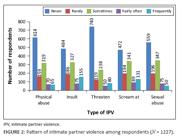
The findings of this review indicated that water supply must be readily available and accessible in healthcare facilities, particularly in remote PHCs, as they are often the sole healthcare providers in the areas they serve.425,28 This study was supported by studies conducted in many countries experiencing water scarcity, including Nigeria, South Africa and Nepal, where the nurses in healthcare facilities depend on water supply sources such as boreholes, communal tanks yard taps, rainwater harvesting systems (JoJo tanks) (Figure 2) and water tankers during water shortages to sustain operations; these adaptive measures should be preserved.25,27,311,2,327
Furthermore, even though nurses rely on the availability of water to ensure good hand hygiene and general cleanliness of the clinic, the feasibility of access to water relies on municipalities getting professional skills in managing the finances of water systems by generating revenue. This might assist in facilitating regular maintenance, infrastructural advancements and productivity improvements in clinics, which will guarantee a continuous water supply for quality patient care.24,28,3036,37
Theme 3: Integrating digital and technology in the health system
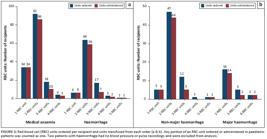
Integrating technology into healthcare is important, particularly in this era of water scarcity. The implementation of tippy taps (Figure 3), which are low-flow taps, regulates water flow to minimise waste.38383839394039,403628,4142Figure 3).42
Minimising the number of patients physically attending the PHCs reduces water consumption. In support of this, South Asian nations, particularly Pakistan, have implemented telemedicine and digital routine screening systems.444444
Theme 4: Community participation approach
Community involvement in water projects is essential.20,26,2829,4126,2823,29,4126,28,24232326,28,2921,22,28,24252525,45Figure 4 and Figure 5) or handwashing buckets, to support the PHCs in maintaining proper hand hygiene during periods of water scarcity.
Water scarcity presents a significant IPC challenge for healthcare facilities, particularly PHCs in many countries, including those in Asia, Nepal, India and South Africa. Nurses, in collaboration with communities and other stakeholders, can help minimise health risks through adaptable hand hygiene practices, ensuring proper maintenance of infrastructure, integrating suitable technologies and engaging community support.
Implications and recommendations
This study supports the findings of the reviewed literature, indicating the vital role of community engagement in strengthening IPC measures for nurses working in PHCs experiencing water scarcity around the globe. The introduction of water-saving devices can improve hand hygiene in healthcare facilities with water constraints globally. These solutions include tippy taps, handwashing buckets, alcohol-based hand rub dispensers, automated and manual foot- and elbow-operated handwashing systems, along with various other behavioural strategies to address hygiene in PHCs facing water scarcity. Incorporating suitable technology can further support hand hygiene, sanitation and general cleanliness of the clinics, helping maintain safe and standardised IPC practices during periods of water scarcity. This review strongly recommends the development of strategies to guide infection prevention and control policy for nurses in water-scarce healthcare facilities
Limitations
This study reviewed articles from various countries globally, highlighting a cross-knowledge gap on this topic for the period of 5 years. The limitation of the study is that its findings were focused on primary healthcare settings; therefore, its findings cannot be generalised to a broader population. Although the conclusions are not generalised, they can be used in other contexts to improve the implementation of IPC during periods of water scarcity.
Conclusion
Infection prevention and control standards are compromised when healthcare facilities are experiencing water scarcity, impacting the quality-of-care nurses render. Incorporating behavioural strategies such as health education might improve knowledge on hygiene practices in settings where there is water scarcity for both nurses and patients. The support of healthcare technologies in nursing will enhance patient care and improve hygiene practices in regions where water scarcity is a challenge. This review highlights the significance of participatory action with nurses and the community when addressing issues such as IPC in the context of water scarcity.
Competing interests
The author reported that they received funding from the National Research Foundation (NRF) and the South African Medical Research Council (SAMRC), which may be affected by the research reported in the enclosed publication. The author Makhotso M. Ralehike has disclosed those interests fully and has implemented an approved plan for managing any potential conflicts arising from their involvement. The terms of these funding arrangements have been reviewed and approved by the affiliated university in accordance with its policy on objectivity in research.
CRediT authorship contribution
Makhotso M. Ralehike: Writing - original draft. Fhumulani M. Mulaudzi: Supervision; Writing - review & editing. Nombulelo V. Sepeng: Supervision; Writing - review & editing. Sinethemba Nyandeni: Supervision; Writing - review & editing. All authors reviewed the article, contributed to the discussion of results, approved the final version for submission and publication and take responsibility for the integrity of its findings.
Funding information
This work was supported by the National Research Foundation (grant number: SARCCI190531440620-PR-2025) and the South African Medical Research Council (SAMRC) Clinician Researcher Development Programme (Ref: June 2025 RFA).
Data availability
Data sharing is not applicable to this article as no new data were created or analysed in this study.
Disclaimer
The views and opinions expressed in this article are those of the authors and are the product of professional research. It does not necessarily reflect the official policy or position of any affiliated institution, funder, agency or that of the publisher. The authors are responsible for this article's results, findings and content.
Acknowledgements
This article is based on research originally conducted as part of Makhotso M. Ralehike's doctoral thesis partial fulfilment requirements, titled 'Strategies to guide infection prevention and control policy for nurses in water-scarce healthcare facilities in the Free State province, South Africa', and is still ongoing at the Faculty of Health Sciences, School of Nursing, University of Pretoria in 2026. The thesis is under the supervision of F.M. Mulaudzi, N.V. Sepeng, and S. Nyandeni. The thesis is reworked, revised, and adapted into a journal article for publication. The original thesis will be available online after completion.
References
-
1.World Health Organization (WHO) & UNICEF. Progress on WASH in health care facilities 2000-2021: Special focus on WASH and infection prevention and control (IPC) [homepage on the Internet]. 2023 [cited 2025 Sep 16]. Available from: https://apps.who.int/iris/handle/10665/366657
» https://apps.who.int/iris/handle/10665/366657 -
2.World Health Organization (WHO). Drinking-Water [homepage on the Internet]. 2023 [cited 2025 Sep 16]. Available from: https://www.who.int/news-room/fact-sheets/detail/drinking-water
» https://www.who.int/news-room/fact-sheets/detail/drinking-water -
3.World Health Organization. Progress on WASH in health care facilities 2000-2021: Special focus on WASH and infection prevention and control (Global report) [homepage on the Internet]. 2023 [cited 2025 Sep 18]. Available from: https://www.who.int/publications/i/item/9789240058699
» https://www.who.int/publications/i/item/9789240058699 -
4.Berihun G, Adane M, Walle Z, et al. Access to and challenges in water, sanitation, and hygiene in healthcare facilities during the early phase of the COVID-19 pandemic in Ethiopia: A mixed-methods evaluation. PLoS one. 2022;17(5):e0268272. https://doi.org/10.1371/journal.pone.0268272
» https://doi.org/10.1371/journal.pone.0268272 -
5.World Health Organization (WHO). Water and sanitation for health facility improvement tool (WASH FIT): A practical guide for improving quality of care through water, sanitation and hygiene in health care facilities [homepage on the Internet]. 2nd ed. 2022 [cited 2025 Sep 18]. Available from: https://apps.who.int/iris/handle/10665/353411
» https://apps.who.int/iris/handle/10665/353411 -
6.World Health Organization (WHO) & UNICEF. Water, sanitation, hygiene, waste and electricity services in health care facilities: Progress on the fundamentals [homepage on the Internet]. 2023 [cited 2025 Sep 18]. Available from: https://iris.who.int/server/api/core/bitstreams/f11714c7-65ec-4328-a454-cda91ba0a084/content
» https://iris.who.int/server/api/core/bitstreams/f11714c7-65ec-4328-a454-cda91ba0a084/content -
7.The Ideal Clinic Realisation and Maintenance (ICRM) Framework. Ideal clinic and community health centre Tm definitions, components and checklists [homepage on the Internet]. 2025 [cited 2025 Oct 01]. Available from: https://www.bing.com/search?q=Ideal%20Clinic%20Realisation%20and%20Maintenanc e%20(ICRM)%20framework&form=SWAUA2
» https://www.bing.com/search?q=Ideal%20Clinic%20Realisation%20and%20Maintenanc e%20(ICRM)%20framework& form=SWAUA2 -
8.WaterAid Uganda country programme strategy 2023-2028 [homepage on the Internet]. 2023 [cited 2026 May 19]. Available from: https://www.wateraid.org/washmatters/our-work/health
» https://www.wateraid.org/washmatters/our-work/health -
9.Mahato A, Upadhyay S, Sharma D. Global water scarcity due to climate change and its conservation strategies with special reference to India: A review. Plant Arch. 2022;22(1):64-69. https://doi.org/10.51470/PLANTARCHIVES.2022.v22.no1.009
» https://doi.org/10.51470/PLANTARCHIVES.2022.v22.no1.009 -
10.Jiyane MP, Khunou SH. Experiences of professional nurses regarding shortage of resources at a tertiary hospital in Gauteng Province, South Africa: Qualitative study. Jurnal Ners. 2023;18(2):176-183. https://doi.org/10.20473/jn.v18i2.44792
» https://doi.org/10.20473/jn.v18i2.44792 -
11.WHO and UNICEF. WASH in health care facilities 2023 data update: Special focus on primary health care. WHO/UNICEF Joint Monitoring Programme (JMP) for Water Supply, Sanitation and Hygiene (WASH) [homepage on the Internet]. 2024. Available from: https://data.unicef.org/resources/jmp-wash-in-health-care-facilities-2024/
» https://data.unicef.org/resources/jmp-wash-in-health-care-facilities-2024/ - 12.Adom R. Analysis of public policies and programmes to water security in post-apartheid South Africa. Johannesburg: University of the Witwatersrand; 2020.
-
13.World Health Organization (WHO). Cholera: Global situation [homepage on the Internet]. 2023 [cited 2025 Oct 01]. Available from: https://www.who.int/emergencies/disease-outbreak-news/item/2023-DON437
» https://www.who.int/emergencies/disease-outbreak-news/item/2023-DON437 -
14.Ogunniyi TJ, Muoneke AP, Nimo F, Yisa SS, Olorunfemi OA. Cholera in Nigeria: A five-decade review of outbreak dynamics and health system responses. J Health Popul Nutr. 2025;44(1):329. https://doi.org/10.1186/s41043-025-01096-7
» https://doi.org/10.1186/s41043-025-01096-7 -
15.Challa JM, Getachew T, Debella A, et al. Inadequate hand washing, lack of clean drinking water and latrines as major determinants of cholera outbreak in Somali region, Ethiopia in 2019. Front Public Health. 2022;10:845057. https://doi.org/10.3389/fpubh.2022.845057
» https://doi.org/10.3389/fpubh.2022.845057 -
16.Malematja DN, Nkosi EM, Nene SE. The impact of insufficient resources on the quality-of-service delivery at a primary healthcare clinic in Limpopo. Curationis. 2025;48(1):1-7. https://doi.org/10.4102/curationis.v48i1.2696
» https://doi.org/10.4102/curationis.v48i1.2696 -
17.Bitomsky L, Pfitzer EC, Nißen M, Kowatsch T. Advancing health equity and the role of digital health technologies: A scoping review protocol. BMJ Open. 2024;14(10):e082336. https://doi.org/10.1136/bmjopen-2023-082336
» https://doi.org/10.1136/bmjopen-2023-082336 -
18.Yosep I, Mardhiyah A, Hazmi H. et al. A scoping review of nursing interventions for reducing the negative impacts of domestic violence among women. BMC Nurs. 2024;23:834. https://doi.org/10.1186/s12912-024-02453-3
» https://doi.org/10.1186/s12912-024-02453-3 -
19.Arksey H, O'malley L. Scoping studies: Towards a methodological framework. Int J Soc Res Methodol. 2005;8(1):19-32. https://doi.org/10.1080/1364557032000119616
» https://doi.org/10.1080/1364557032000119616 -
20.Moher D, Liberati A, Tetzlaff J, Altman DG. Preferred reporting items for systematic reviews and meta-analyses: The PRISMA statement. BMJ. 2009;339:b2535. https://doi.org/10.1136/bmj.b2535
» https://doi.org/10.1136/bmj.b2535 -
21.Gebremicael MN, Skaletz-Rorowski A, Potthoff A, et al. Implementing a multimodal intervention using local resources to improve hand hygiene compliance in a comprehensive specialized hospital in Mekelle, Northern Ethiopia. Int J Hyg Environ Health. 2024;259:114389. https://doi.org/10.1016/j.ijheh.2024.114389
» https://doi.org/10.1016/j.ijheh.2024.114389 -
22.Berman LR, Lang A, Gelana B, et al. Current practices and evaluation of barriers and facilitators to surgical site infection prevention measures in Jimma, Ethiopia. Antimicrob Steward Healthc Epidemiol. 2021;1(1):e51. https://doi.org/10.1017/ash.2021.227
» https://doi.org/10.1017/ash.2021.227 - 23.Ugbah RN. The efficacy of a community participatory process for improving access to water through the sustainability of water development projects: A case study of Okada community, Edo State Nigeria [Doctoral dissertation]. Glasgow Caledonian University; 2022.
-
24.Peters MA, Ahmed T, Azais V, et al. Resilience of front-line facilities during COVID-19: Evidence from cross-sectional rapid surveys in eight low-and middle-income countries. Health Policy Plan. 2023;38(7):789-798. https://doi.org/10.1093/heapol/czad032
» https://doi.org/10.1093/heapol/czad032 - 25.Uchenna AO, Elohor A. Scarcity of quality water supply as a facility management challenge in primary health care centres in Nigeria: A case study of Anambra State. IRE J. 2025;8(12):1594-1608.
-
26.Perera S, Ramani S, Joarder T, et al. Reorienting health systems towards primary health care in South Asia. Lancet Reg Health-Southeast Asia. 2024;28:100466. https://doi.org/10.1016/j.lansea.2024.100466
» https://doi.org/10.1016/j.lansea.2024.100466 -
27.Luby SP, Davis J, Brown RR, Gorelick SM, Wong TH. Broad approaches to cholera control in Asia: Water, sanitation and handwashing. Vaccine. 2020;38:A110-A117. https://doi.org/10.1016/j.vaccine.2019.07.084
» https://doi.org/10.1016/j.vaccine.2019.07.084 -
28.Kumar JS, Shobana D. A study on assessment of rural health care system in India: Schemes and implications. Economics. 2024;12(2):24-34. https://doi.org/10.34293/economics.v12i2.7166
» https://doi.org/10.34293/economics.v12i2.7166 -
29.Khattak AF, Rahman AU, Khattak M, et al. Toward sustainable healthcare systems: A low and middle-income Country's case for investing in healthcare reforms. Cureus. 2023;15(5):e39345. https://doi.org/10.7759/cureus.39345
» https://doi.org/10.7759/cureus.39345 -
30.Hove J, D'Ambruoso L, Kahn K, et al. Lessons from community participation in primary health care and water resource governance in South Africa: A narrative review. Glob Health Action. 2022;15(1):2004730. https://doi.org/10.1080/16549716.2021.2004730
» https://doi.org/10.1080/16549716.2021.2004730 -
31.Matimolane S, Mathivha FI. Tackling rural water scarcity in South Africa: Climate change, governance, and sustainability pathways. Front Environ Sci. 2025;13:1550738. https://doi.org/10.3389/fenvs.2025.1550738
» https://doi.org/10.3389/fenvs.2025.1550738 -
32.Shahtaghi NR, Bigdelitabar S, Thakur S, et al. Comparative antibacterial efficacy of formulated and commercial hand sanitizers: Formulation and evaluation. J Adv Zool. 2023;44(S3):839-850. https://doi.org/10.17762/jaz.v44iS-3.812
» https://doi.org/10.17762/jaz.v44iS-3.812 -
33.Reed M, Huang J, Graetz I, Muelly E, Millman A, Lee C. Treatment and follow-up care associated with patient-scheduled primary care telemedicine and in-person visits in a large integrated health system. JAMA Netw Open. 2021;4(11):e2132793. https://doi.org/10.1001/jamanetworkopen.2021.32793
» https://doi.org/10.1001/jamanetworkopen.2021.32793 -
34.Dick A, Sterr CM, Dapper L, Nonnenmacher-Winter C, Günther F. Tailored positioning and number of hand rub dispensers: The fundamentals for optimized hand hygiene compliance. J Hosp Infect. 2023;141:71-79. https://doi.org/10.1016/j.jhin.2023.08.017
» https://doi.org/10.1016/j.jhin.2023.08.017 -
35.Leroy M. Jojo Tank Slimline Water Tank Green 750 Litre [homepage on the Internet]. 2024 [cited 2026 Apr 18]. Available from: https://leroymerlin.co.za/jojo-tank-slimline-water-tank-green-750-litre-81464682
» https://leroymerlin.co.za/jojo-tank-slimline-water-tank-green-750-litre-81464682 -
36.Mulopo C, Chimbari MJ. Water, sanitation, and hygiene for schistosomiasis prevention: A qualitative analysis of experiences of stakeholders in rural KwaZulu-Natal. J Water Sanit Hyg Dev. 2021;11(2):255-270. https://doi.org/10.2166/washdev.2021.182
» https://doi.org/10.2166/washdev.2021.182 -
37.Iversen AM, Hansen MB, Münster M, Kristensen B, Ellermann-Eriksen S. Hand hygiene compliance in nursing home wards: The effect of increased accessibility of alcohol-based hand rub. J Hosp Infect. 2024;147:206-212. https://doi.org/10.1016/j.jhin.2024.02.027
» https://doi.org/10.1016/j.jhin.2024.02.027 -
38.Olatunde TM, Adelani FA, Sikhakhane ZQ. A review of smart water management systems from Africa and the United States. Eng Sci Technol J. 2024;5(4):1231-1242. https://doi.org/10.51594/estj.v5i4.1014
» https://doi.org/10.51594/estj.v5i4.1014 -
39.Mbakaya BC, Kalembo FW, Zgambo M. Use, adoption, and effectiveness of tippy-tap handwashing station in promoting hand hygiene practices in resource-limited settings: A systematic review. BMCPublic Health. 2020;20(1):1005. https://doi.org/10.1186/s12889-020-09101-w
» https://doi.org/10.1186/s12889-020-09101-w -
40.Sarwar S, Muhammad J, Shahzad F. A modified hand-washing method for resource limited settings. Front Public Health. 2022;10:965853. https://doi.org/10.3389/fpubh.2022.965853
» https://doi.org/10.3389/fpubh.2022.965853 -
41.Sharma L, Singh J, Dhiman R, et al. Advancing solar energy for primary healthcare in developing nations: Addressing current challenges and enabling progress through UNICEF and collaborative partnerships. Cureus. 2024;16(1):e51571. https://doi.org/10.7759/cureus.51571
» https://doi.org/10.7759/cureus.51571 -
42.Narone O. Sewage treatment of self sustainable e-toilets using bio-digester method. Int J Res Appl Sci Eng Technol. 2022;10(6):4408-4414. https://doi.org/v10.22214/ijraset.2022.44904
» https://doi.org/v10.22214/ijraset.2022.44904 -
43.Zweibruecken Fashion Outlet [homepage on the Internet]. AI Sensor Tap. 2024 [cited 2026 Jun 03]. Available from: https://www.idealstandard.co.uk/expertise/case-studies/zweibruecken-fashion-outlet
» https://www.idealstandard.co.uk/expertise/case-studies/zweibruecken-fashion-outlet - 44.Animashaun LA, Yekinni AA, Adigun MA, Akhiwolo C, Osinoiki AA. Development and prototyping of sensor-based touchless handwashing and drying system. Laspotech J Sci Eng Technol Res. 2023;2(1):41-53.
-
45.Lin JC, Kavousi Y, Sullivan B, Stevens C. Analysis of outpatient telemedicine reimbursement in an integrated healthcare system. Ann Vasc Surg. 2020;65:100-106. https://doi.org/10.1016/j.avsg.2019.10.069
» https://doi.org/10.1016/j.avsg.2019.10.069 -
46.United Nations Children's Fund (UNICEF). Tippy tap handwashing station [homepage on the Internet]. UNICEF; 2021 [cited 2026 Apr 18]. Available from: https://www.unicef.org/southafrica/sites/unicef.org.southafrica/files/styles/hero_extended/public/ZAF-Tippy-Tap-field-guide-2020.jpg.webp?itok=JzdCUt_q
» https://www.unicef.org/southafrica/sites/unicef.org.southafrica/files/styles/hero_extended/public/ZAF-Tippy-Tap-field-guide-2020.jpg.webp?itok=JzdCUt_q -
47.United Nations South Africa. Tippy Tap Handwashing Station: People-powered #TippyTapChallenge relaunched to help curb the spread of COVID-19 through handwashing [homepage on the Internet]. 2021 [cited 2026 Apr 18]. Available from: https://southafrica.un.org/sites/default/files/styles/hero_header_2xl_1x/public/2021-03/unicef_tippytap_23march.jpg?itok=RROVhmw0
» https://southafrica.un.org/sites/default/files/styles/hero_header_2xl_1x/public/2021-03/unicef_tippytap_23march.jpg?itok=RROVhmw0

Accepted: 29 Apr. 2026
Published: 03 July 2026