Differentiated antiretroviral distribution: Implementation in five South African districts
Abstract
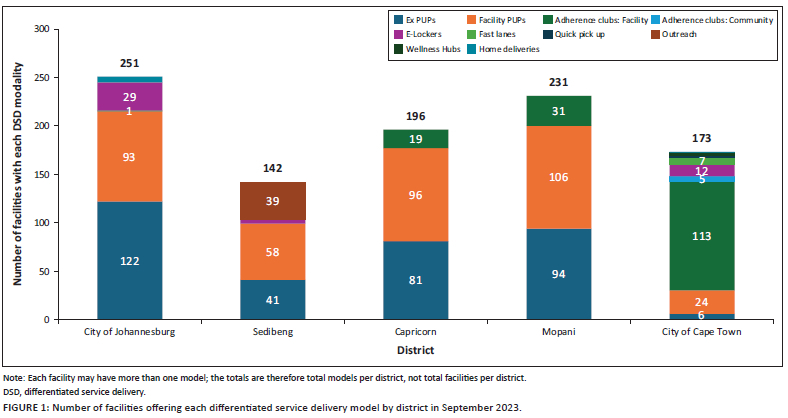
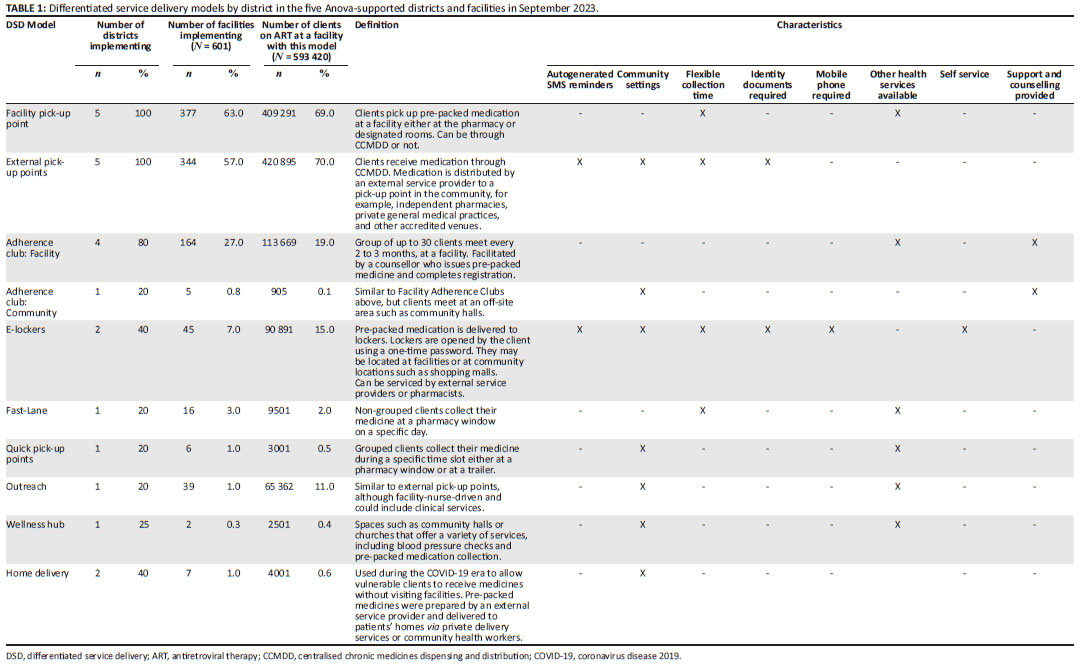
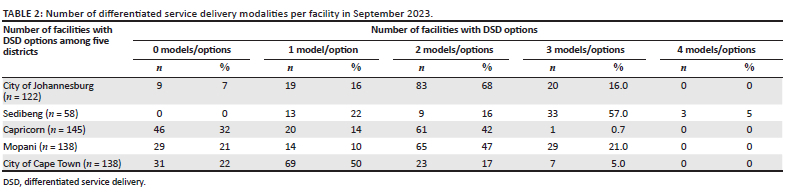
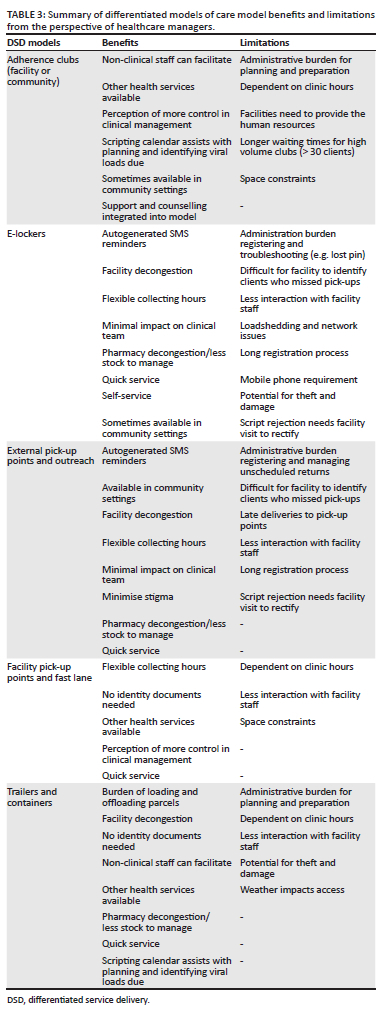
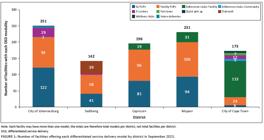
BACKGROUND: The National Department of Health introduced Differentiated Service Delivery (DSD) models to improve retention in care and decongest healthcare facilities. Anova Health Institute supported the implementation of DSD guidelines in five districts of South Africa AIM: The study aimed to describe how the models contained in DSD policies are operationalised SETTING: Five districts of South Africa - two metropolitan, two mixed and one rural METHODS: We used a mixed-methods approach, incorporating a 2-day participatory workshop in 2023 and a retrospective review of routine programmatic data. A mapping exercise was used to understand all models of chronic medication provision in the five study districts and to describe differences in operationalisation. We also report on the number of options per facility and healthcare provider perspectives of benefits and limitations RESULTS: External and facility pick-up points were the most commonly implemented models. Three key themes were: the trade-off between convenience and additional support, the trade-off between controlling client care and outsourcing tasks and the distribution of work between cadres of staff. Sedibeng District provided the most options per facility, with 57% of facilities having three possible options. Cape Town provided the fewest, with 50% of facilities offering only one option CONCLUSION: Health and environmental contexts guide the choice of DSD modalities offered. It is possible to offer clients options in South African settings CONTRIBUTION: This study highlights the context-specific nature of DSD model implementation and the importance of client choice. Further research into availability and options from a client perspective would be useful
differentiated service delivery; antiretroviral therapy; differentiated models of care; HIV; CCMDD
 Thumbnail